
Toscano IGP Extra Virgin Olive Oil, a blend of Tuscan cultivars (Frantoio, Moraiolo, Leccino)
In brief — Toscano IGP is the benchmark Italian finishing oil: a blend of Tuscan cultivars (Frantoio, Moraiolo, Leccino), early-harvested green and cold-pressed, with a green, herbaceous punch and a peppery, bitter finish. PGI-protected since 1998, with bottling required inside Tuscany. About $33 for 500ml in the US, around £22 in the UK. Pour it raw over bruschetta, ribollita and grilled steak. Its aromatic profile develops notes of raw artichoke, fresh almond, wild herbs, extended by green tomato and tomato leaf, for an intensity of 8/10. In the kitchen, it's best added raw over the finished plate, in a generous drizzle and it pairs with bruschetta and fettunta (garlic-rubbed grilled bread), ribollita and white-bean soups, bistecca alla fiorentina. Recommended dosage: 1 to 2 tablespoons drizzled over each plate at the table, raw, just before serving. Expect from $22.00 to $40.00 per 500ml (median $33.00).
Origin : Tuscany (Chianti, Lucca, Siena, Florence), Italy (IGP)
Olea europaea
« A serious green oil with real throat-catching pepper, not the smooth supermarket stuff. The 1998 IGP and in-region bottling buy you genuine traceability. Pricey for an everyday drizzle, so keep it for raw finishing only. »
Toscano IGP is the benchmark Italian finishing oil: a blend of Tuscan cultivars (Frantoio, Moraiolo, Leccino), early-harvested green and cold-pressed, with a green, herbaceous punch and a peppery, bitter finish. PGI-protected since 1998, with bottling required inside Tuscany. About $33 for 500ml in the US, around £22 in the UK. Pour it raw over bruschetta, ribollita and grilled steak.
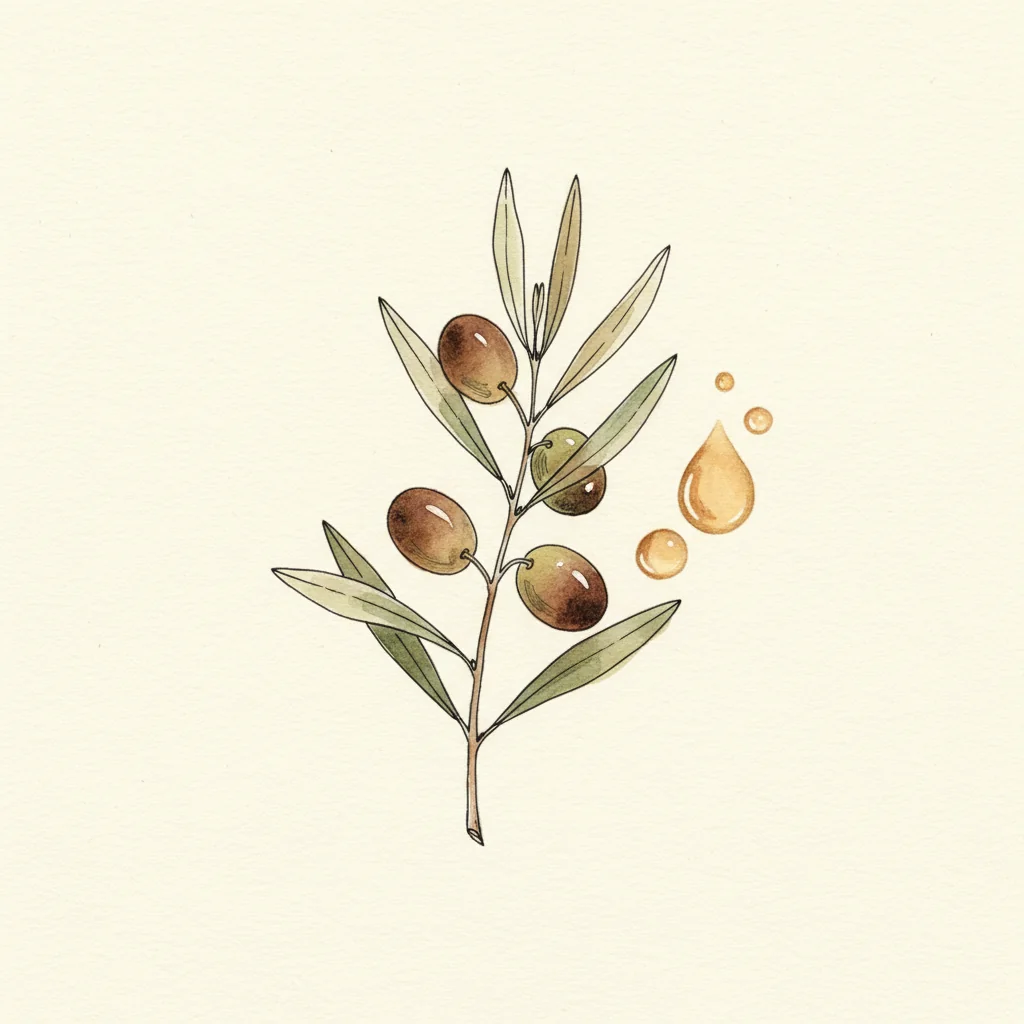
Oil · Olive oil
Tuscan Extra Virgin Olive Oil IGP
Tuscany (Chianti, Lucca, Siena, Florence), Italy (IGP)
raw artichoke · fresh almond · wild herbs
Aromatic profile
| Family | Olea europaea |
|---|---|
| Intensity | ●●●●○ (8/10) |
| Main notes | raw artichoke · fresh almond · wild herbs |
| Secondary notes | green tomato · tomato leaf · black pepper |
| Mouthfeel | round on entry, then a building pepper kick at the back of the throat, well structured |
| Finish length | very long, with a pronounced pungency and a noble bitterness that lingers |
Culinary use
- When to add : raw over the finished plate, in a generous drizzle
- Dosage : 1 to 2 tablespoons drizzled over each plate at the table, raw, just before serving
- Ideal pairings : bruschetta and fettunta (garlic-rubbed grilled bread), ribollita and white-bean soups, bistecca alla fiorentina, simple olive-oil pasta, grilled vegetables
- Avoid with : deep-frying or high-heat cooking (the polyphenols and aroma are wasted, and the smoke point is the wrong tool for the price), delicate dishes the pepper-and-bitter punch would bury, sweet preparations
The grain in detail
Toscano IGP is one of the best-structured olive-oil designations in Italy. The European Union granted it PGI (Protected Geographical Indication) status in 1998, covering the whole of Tuscany and requiring a majority of the typical Tuscan cultivars: Frantoio, Moraiolo and Leccino, sometimes rounded out with Pendolino, Olivastra Seggianese and minor local varieties. Frantoio brings the power and the pungency, Moraiolo the bitterness and the green-tomato note, Leccino softens the blend with roundness and finesse. The fruit is picked early, often from late October, while the olives are still green, which maximizes the polyphenols and so the throat-catching pepper that defines a real Tuscan oil. Pressing is cold, below 81°F (27°C), and the rules require bottling inside Tuscany, which shuts down the out-of-region blending that gave generic Italian oil its reputation problem. The flavor is intensely green: raw artichoke on the attack, fresh almond, wild herbs, green tomato and tomato leaf, then a pungent, bitter finish. This is a high-character oil, and it earns its keep raw, drizzled generously over something warm: fettunta (Tuscan grilled bread rubbed with garlic), ribollita (the bread-and-bean soup), simple pasta with oil and parmesan, grilled vegetables, and a thick bistecca alla fiorentina just off the fire. Over very delicate dishes its intensity takes over. Don't cook with it: heat throws away both the aroma and the polyphenols you paid for, and a cheaper oil does the frying. The best Tuscan sub-zones have no separate PDO but are known to enthusiasts: Chianti Classico, Colline Lucchesi, Montalbano, Seggiano. A handful of producers, Frantoio Franci, Capezzana, Castello di Ama and Frescobaldi Laudemio among them, built their export reputation on harvest-date freshness and parcel-level traceability. When you buy, check three things: the Toscano IGP seal, the harvest date (the most recent you can find), and the extra-virgin grade with a maximum acidity of 0.8% (the good bottles run far below it, often near 0.3%).
History & origin
Tuscan olive growing goes back to the Etruscans, who traded the oil before the Romans did. The medieval Tuscan sharecropping contracts (mezzadria) structured the way the olive tree shared the Chianti hillsides with vines and wheat. The Toscano IGP was recognized in 1998 in response to widespread fraud, where oils of mixed origin were bottled and sold under the Tuscan name.
Provenance & authenticity
What sets the real thing apart — appellation, species and verification cues.
- Protected appellation
- IGP/PGI
- Register : EU eAmbrosia (Toscano IGP)
- Year : 1998
- Authority : EU eAmbrosia GI register
- Species
- Olea europaea
- Grade / standard
- Extra virgin, Tuscan varietal blend
How to verify the real one
- Toscano IGP Consortium mark + traceability code
- extra virgin (<=0.8% acidity)
- Frantoio/Moraiolo/Leccino blend
- harvest year
Indicative price
Reference format : 500ml — from $22.00 to $40.00 (median : $33.00).
Storage
Tinted glass or an opaque metal tin, away from light and heat, ideally between 14 and 64°F (18°C). Best used within 18 months of harvest, when the green pungency is still alive.
Where to buy?
Where to buy it
Links checked on
| Merchant | Price | Action |
|---|---|---|
| Amazon US | — | Amazon US |
| Olive Oil Lovers | — | Olive Oil Lovers |
| Sous Chef UK | — | Sous Chef UK |
Prices may vary depending on current promotions on the merchant site.
Tags
- Italy
- Tuscany
- IGP
- olive oil
- Olea europaea
- Frantoio
- intense green fruit
- finishing oil
Frequently asked questions
- How do you store Tuscan Extra Virgin Olive Oil IGP?
- Tinted glass or an opaque metal tin, away from light and heat, ideally between 14 and 64°F (18°C). Best used within 18 months of harvest, when the green pungency is still alive.
- What dosage for Tuscan Extra Virgin Olive Oil IGP?
- 1 to 2 tablespoons drizzled over each plate at the table, raw, just before serving
- When should you add Tuscan Extra Virgin Olive Oil IGP in cooking?
- It's best used raw over the finished plate, in a generous drizzle.
- What should you avoid pairing Tuscan Extra Virgin Olive Oil IGP with?
- Avoid with: deep-frying or high-heat cooking (the polyphenols and aroma are wasted, and the smoke point is the wrong tool for the price), delicate dishes the pepper-and-bitter punch would bury, sweet preparations.
Go further
The dishes where this tuscan extra virgin olive oil igp shines
Also a recommended alternative for
As a complementary pairing with
See every dish where this product is mentioned →
Other oils, vinegars & honeys to discover
Featured in these gift sets
Page prepared according to our methodology. Purchase links marked sponsored and liable to earn a commission — details on our Affiliations page.