
Dish × condiment pairing
Best olive oil to finish ribollita?
Season : autumn, winter · Occasion : weeknight, comfort food, family
A peppery Tuscan IGP, poured raw at the table. Ribollita is the dish this oil was made for, a Tuscan bread-and-bean soup that wants a generous green, bitter drizzle stirred in just before eating. Cook the soup with a cheaper oil; spend the good bottle on the finish, where you taste it.
In detail
The best olive oil to finish ribollita is a peppery Tuscan IGP extra virgin, added raw at the table. Ribollita is the dish this oil was built for: a humble Tuscan soup of leftover bread, cannellini beans and cavolo nero that depends on a generous final drizzle for its lift. A Toscano IGP blend of Frantoio, Moraiolo and Leccino, early-harvested and cold-pressed, brings raw-artichoke and almond notes with a bitter, peppery kick that cuts cleanly through the soup's starchy weight. The key is to keep the good oil for the finish: cook the soup with a cheaper everyday oil, then stir a couple of tablespoons of the proper bottle into each bowl just before eating, off the heat, where the aroma survives and you actually taste it. PGI-protected since 1998, it costs about $33 for 500ml in the US, around £22 in the UK, and earns it on the finish.
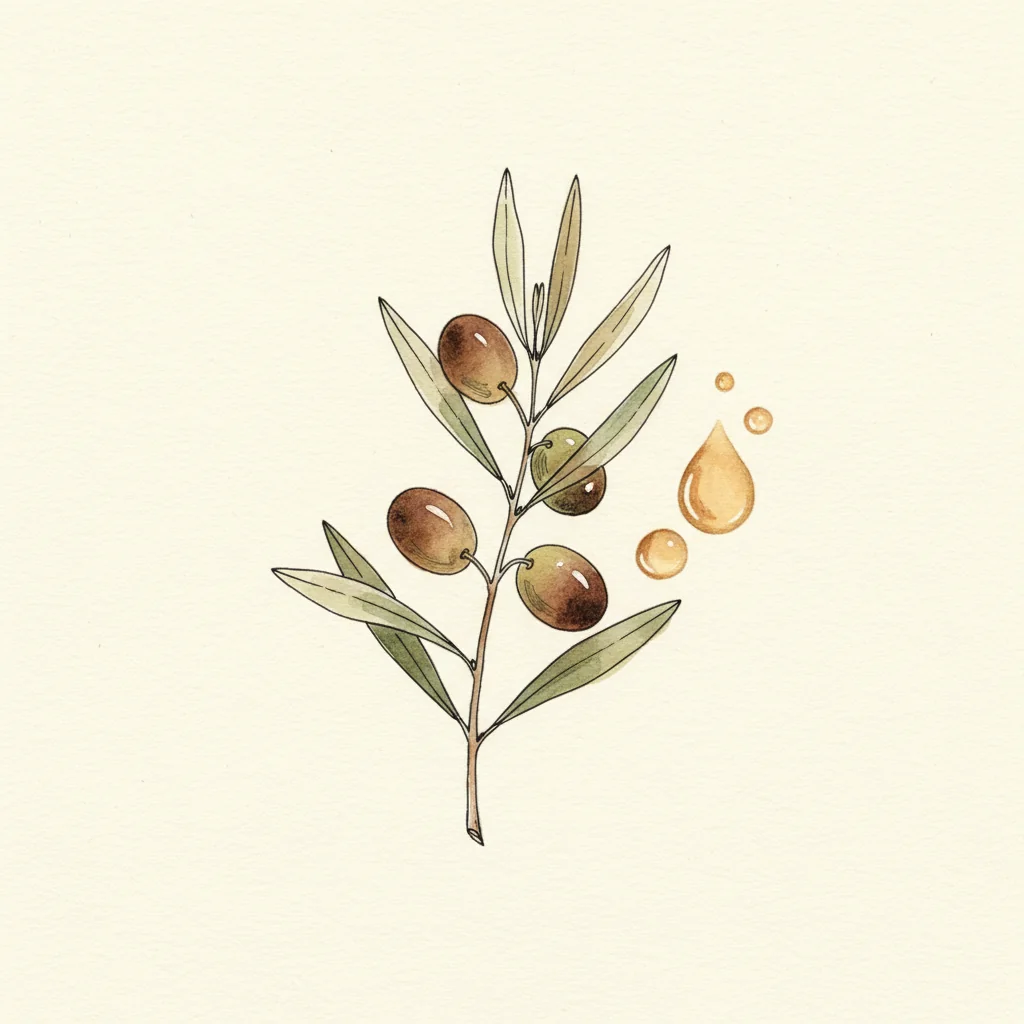
Our recommendation
Oil · Olive oil
Tuscan Extra Virgin Olive Oil IGP
Tuscany (Chianti, Lucca, Siena, Florence), Italy (IGP)
raw artichoke · fresh almond · wild herbs
Ribollita and Tuscan oil are a regional marriage: the soup is humble bread, beans and cavolo nero, and the raw drizzle of green, peppery extra virgin is what lifts it. A Frantoio-Moraiolo-Leccino blend stirred in at the table brings artichoke, almond and a bitter pepper kick that cuts the soup's starchy weight. PGI-protected since 1998, about $33 for 500ml, and worth every drop on the finish.
Intensity 8/10
Where to buy it
Links checked on
| Merchant | Price | Action |
|---|---|---|
| Amazon US | — | Amazon US |
| Olive Oil Lovers | — | Olive Oil Lovers |
| Sous Chef UK | — | Sous Chef UK |
Prices may vary depending on current promotions on the merchant site.
Affiliate links — La Pincée may earn a commission on some sales, at no extra cost to you. Read more.
The catch
The catch: do not cook the good oil into the soup. Ribollita simmers for an hour, and a long cook burns off the peppery polyphenols and grassy aroma you paid for, leaving the oil as nothing but calories. Cook the soup with a cheaper everyday oil, then keep the proper Tuscan bottle for the raw drizzle at the table. Stirred into each bowl off the heat, the green, bitter punch survives and cuts the starchy weight. That final pour is where the money belongs.
Chef's note
Build the soup a day ahead, since ribollita means reboiled and it genuinely improves overnight as the bread breaks down and thickens the broth. Reheat gently, ladle into warm bowls, then finish each one with a generous spiral of raw Tuscan oil, a good two tablespoons, stirred in at the table. A grind of pepper and a scatter of grated pecorino if you like, but the oil is the non-negotiable finish that makes the humble bowl sing.
Tasting note
raw artichoke · wild herbs · peppery · bitter lift · About $33 for 500ml in the US, around £22 in the UK. Spent on the finish rather than the pot, one bottle dresses many bowls, so a humble soup gets a luxury lift cheaply. Worth it.
These three sections appear on every one of our pairing pages — our methodology.
Frequently asked questions
- When do you add olive oil to ribollita?
- At the table, raw, just before eating. Ribollita is traditionally finished with a generous drizzle of good Tuscan extra virgin stirred into each bowl, so the oil's peppery aroma stays intact rather than being cooked away in the pot.
- Do you need expensive olive oil for ribollita?
- Only for the finish. Cook the soup with a cheaper, everyday oil, then spend the good bottle on the raw drizzle at the table, where its grassy, peppery character is the real appeal and you actually taste it.
- Why is olive oil so important in ribollita?
- Ribollita is humble by design, mostly bread, beans and kale, so the finishing oil supplies the lift and richness. A green, bitter Tuscan extra virgin cuts the starchy weight and ties the bowl together, which is why the region pairs the two.
This pairing was validated according to our methodology. Purchase links are marked sponsored and may earn a commission — details on our Affiliations page.