
Cooperative
Paludiers de Guérande
Guérande peninsula, Loire-Atlantique, France · since 1988 · founded by Salt workers' cooperative (Le Guérandais / CSME)
The cooperative of salt workers (paludiers) on the Guérande peninsula in Brittany, who harvest fleur de sel and grey salt by hand from clay salt pans using methods unchanged for centuries. Both products carry PGI protection, granted in 2012. The fleur de sel is the delicate surface crystal raked off the water; the grey salt is the everyday mineral workhorse.
History
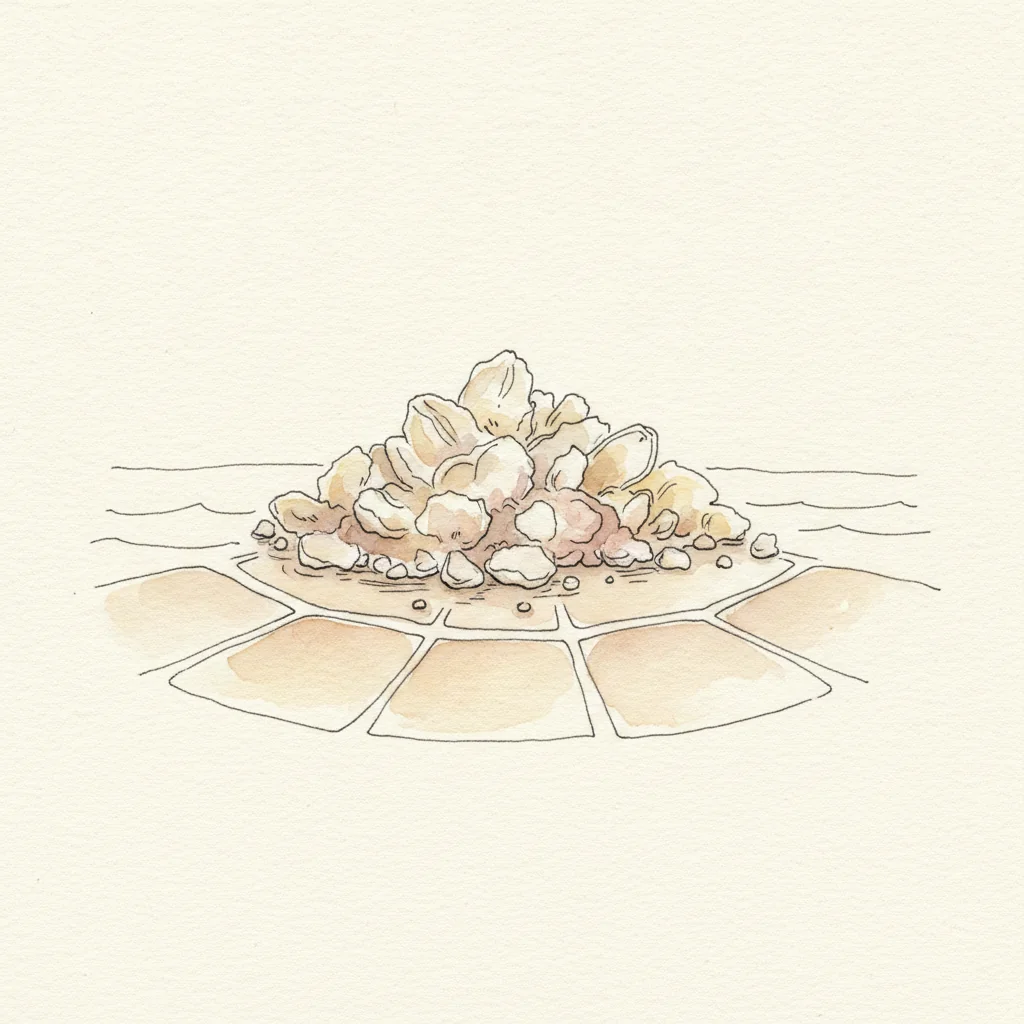
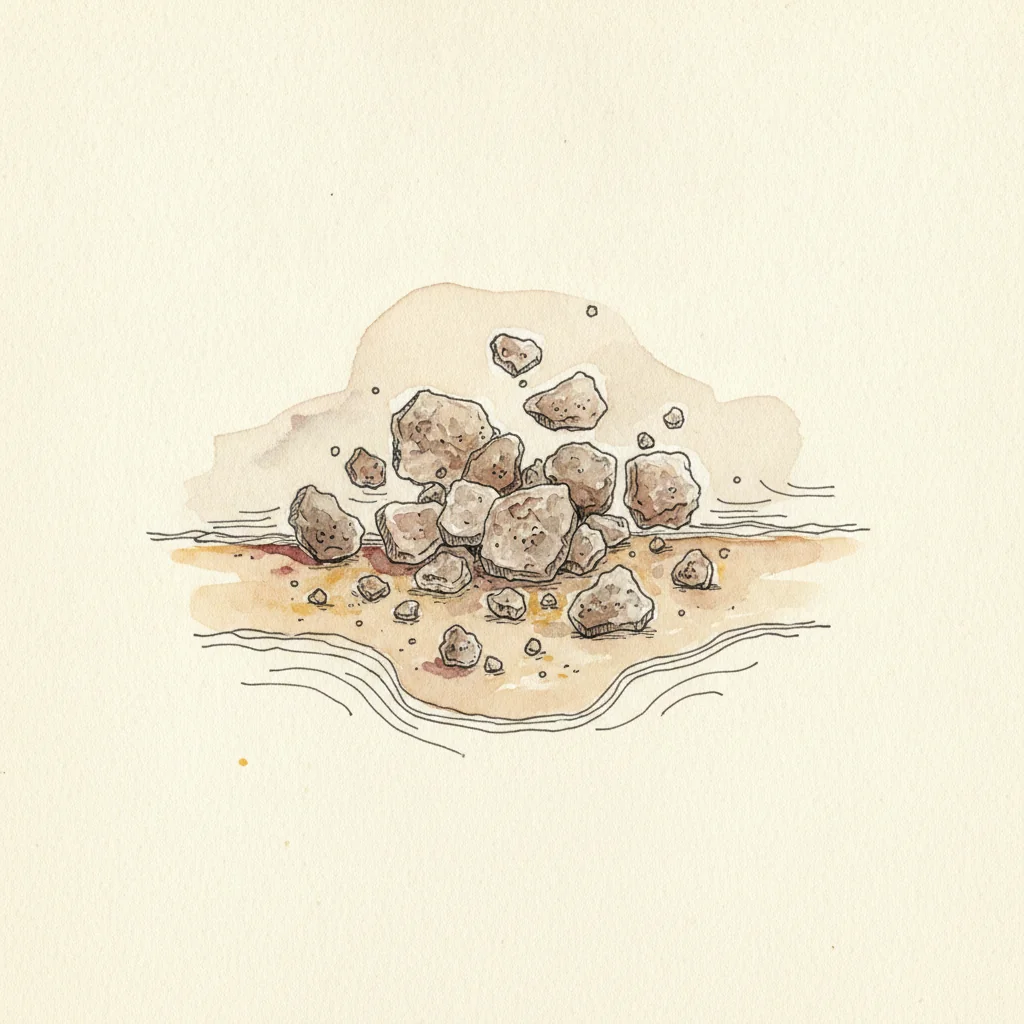
The salt marshes of Guérande, on the southern Brittany coast in Loire-Atlantique, have been worked since at least the medieval period, with the current pattern of clay-walled salt pans dating back centuries. The paludier, the hand salt-worker, draws Atlantic seawater through a sequence of evaporation basins until the brine is concentrated enough to crystallize in the final shallow pans, the oeillets. From there two distinct products are harvested. Fleur de sel is the thin, fragile layer of crystals that forms on the very surface of the water on still, sunny, slightly windy afternoons; the paludier skims it off by hand with a flat tool called a lousse before it sinks, and it never touches the clay bottom, which is why it stays pale and delicate. Sel gris, grey salt, is the heavier salt that crystallizes on the clay floor of the pan and is raked up, picking up the grey-mineral tint and trace minerals from the clay; it is the cheap, everyday cooking salt of the region and a kitchen workhorse. By the 1970s the trade was in decline, and the salt workers organized to defend it; a cooperative structure (the producers later trading under Le Guérandais and the CSME) consolidated harvesting, quality control, and marketing, and the campaign to protect the methods culminated in PGI (IGP) status for both the fleur de sel and the grey salt in 2012, with a charter that mandates hand-harvesting and bans additives and mechanical extraction. The PGI is what separates real Guerande salt from the generic 'sel de mer' sold cheaply elsewhere on the French coast: it guarantees the geography, the hand method, and the absence of washing or refining. Fleur de sel de Guerande became the reference finishing salt of French cuisine, the salt a chef crushes over a fish fillet or a caramel at the last second, prized for a moist, briny crystal that dissolves slowly and adds a clean pop rather than a hard crunch. The grey salt, by contrast, is genuinely cheap and is what the paludiers themselves cook with daily. The cooperative model kept the value with the workers rather than a single brand owner, which is unusual and is part of why Guerande is cited as a success in artisanal food preservation. The fragility is the same as for any hand trade dependent on weather: fleur de sel only forms in the right conditions, so a wet summer cuts the harvest and pushes prices up, and the peninsula faces development and tourism pressure on the marshes themselves.
How they work
Atlantic seawater is led through a graded series of shallow clay basins where the sun and wind concentrate the brine over days, until it reaches saturation in the final crystallizing pans, the oeillets. Fleur de sel forms as a thin film of crystals on the surface on still, sunny, lightly breezy afternoons; the paludier skims it by hand with a lousse before it sinks, so it never touches the clay and stays pale, moist, and delicate. Sel gris crystallizes on the clay floor and is raked up with a las, taking on the grey tint and trace minerals from the clay; it is the heavier everyday salt. The PGI charter granted in 2012 mandates hand-harvesting, forbids mechanical extraction, and bans washing, refining, and any additive, so the salt reaches the bag exactly as harvested. The cooperative grades and packs the salt and controls the PGI compliance. Output is entirely weather-dependent for fleur de sel, which forms only in narrow conditions, so harvest volume and price swing with the summer.
Specialties
- fleur de sel de Guérande PGI
- sel gris de Guérande PGI
- hand-harvested clay-pan salt
Products from this house on La Pincée
Where to buy
Guerande salt is widely available and the price gap between its two products is the whole story. Sel gris is cheap, around 2 to 4 euros a kilo or the equivalent in UK and US specialty shops, and is the everyday cooking salt; do not overpay for it. Fleur de sel is the premium finishing crystal, typically 6 to 12 euros for a 125 to 250g tub in France, a few pounds in the UK at Sous Chef or good grocers, and around 8 to 14 dollars in the US at specialty stores and online. Practical advice: cook with the grey salt and finish with the fleur de sel; using fleur de sel in the pasta water is the classic waste. Always check for the PGI (IGP) mark and the Guerande or Le Guerandais name, because the generic Atlantic 'sel de mer' on French supermarket shelves is machine-harvested and not the same product despite looking similar. The fleur de sel should be slightly moist and pale grey-white, not bone dry and pure white, which is a sign of washing. In the US and UK, buy from a merchant who turns stock over rather than a tourist gift shop. There is no hard freshness clock, but keep the moist fleur de sel in a sealed tub so it does not dry out and lose its characteristic damp crumble. For finishing a caramel, a fish fillet, or a tomato, fleur de sel de Guerande is the French reference and worth the modest splurge.
Good to know
Three honest points. First, the two Guerande products are completely different value propositions: sel gris is a genuinely cheap everyday cooking salt and fleur de sel is the premium finisher, so do not pay finishing-salt money for the grey or waste the fleur de sel in cooking water. Second, the PGI is the real guarantee, granted in 2012, mandating hand-harvest and banning refining; without that mark you may be buying generic machine-harvested Atlantic salt sold to look like Guerande, so check the label. Third, fleur de sel de Guerande and Maldon are not interchangeable: the French crystal is moist and dissolves with a soft briny pop, the Essex flake is dry and shatters with a crunch, so choose by the texture you want rather than treating them as rivals. The verdict: the cooperative model keeps the value with the hand workers, the salt is the real thing when PGI-marked, and the fleur de sel is the French finishing reference for the price of a modest tub.