
Sel Gris de Guérande PGI, coarse grey sea salt (Guérande peninsula, Loire-Atlantique, France)
In brief — Sel gris is the cook's salt from Guérande, not the finishing one. Raked from the clay floor of the pans, it stays grey and a little damp, with a direct salinity and real mineral depth. PGI-protected, hand-harvested, and about $7 a kilo. Season the pot with this; finish the plate with fleur de sel. Its aromatic profile develops notes of clean direct salinity, clay mineral, marine iodine, extended by wet sea note and faint brown seaweed, for an intensity of 7/10. On the palate, it offers damp, coarse crystals that dissolve slowly; the residual moisture rounds the salinity instead of hitting sharp, with a long finish, a clinging clay-mineral finish. In the kitchen, it's best added during cooking and it pairs with pasta and vegetable water, stocks and court-bouillon, salting meat before searing. Recommended dosage: about 10 g per liter of cooking water; 2 to 3 g per 100 g of meat for a dry-brine. Expect from $5.00 to $10.00 per 1 kg bag (median $7.00).
Origin : Guérande peninsula, Loire-Atlantique, France (PGI)
« The most honest cooking salt going. Damp grey crystals, long salinity, real clay minerality. Around seven dollars a kilo for a hand-raked PGI product, nothing touches it at the price. »
Sel gris is the cook's salt from Guérande, not the finishing one. Raked from the clay floor of the pans, it stays grey and a little damp, with a direct salinity and real mineral depth. PGI-protected, hand-harvested, and about $7 a kilo. Season the pot with this; finish the plate with fleur de sel.
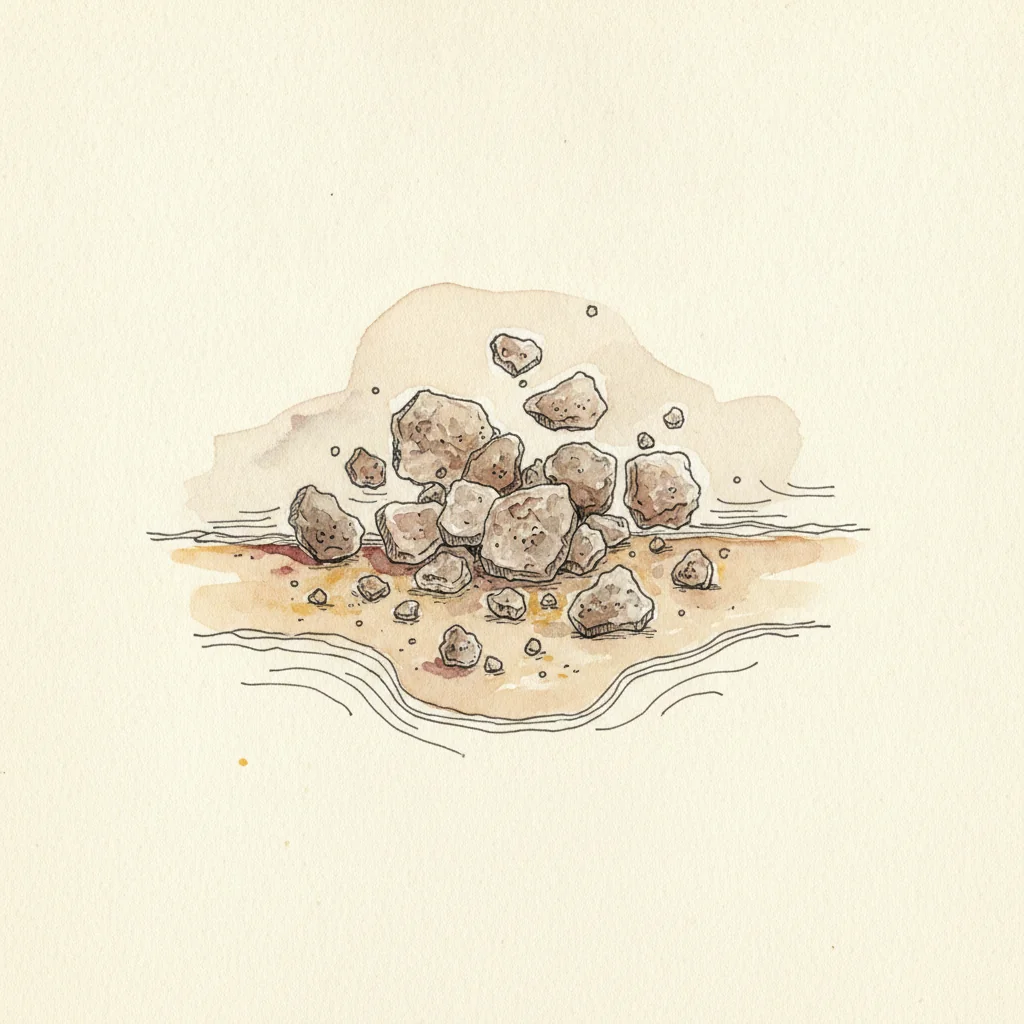
Salt · Grey sea salt
Sel Gris de Guérande
Guérande peninsula, Loire-Atlantique, France (PGI)
clean direct salinity · clay mineral · marine iodine
Aromatic profile
| Family | Halite (sodium chloride) |
|---|---|
| Intensity | ●●●●○ (7/10) |
| Main notes | clean direct salinity · clay mineral · marine iodine |
| Secondary notes | wet sea note · faint brown seaweed |
| Mouthfeel | damp, coarse crystals that dissolve slowly; the residual moisture rounds the salinity instead of hitting sharp |
| Finish length | long, with a clinging clay-mineral finish |
Culinary use
- When to add : cooking
- Dosage : about 10 g per liter of cooking water; 2 to 3 g per 100 g of meat for a dry-brine
- Ideal pairings : pasta and vegetable water, stocks and court-bouillon, salting meat before searing, bread dough, brines and lacto-fermentation, a salt crust for whole fish
- Avoid with : finishing a plate raw (reach for fleur de sel for the crunch), anything that needs to stay translucent, fine pastry where grit would show
The grain in detail
Sel gris (grey sea salt) is the everyday workhorse of the Guérande peninsula, the salt the paludiers actually live on. Where fleur de sel is skimmed as a thin veil off the surface, sel gris is raked from the floor of the crystallization ponds, where the crystals form in contact with the natural clay lining the pans. That clay is the whole story: it tints the salt grey-blue and feeds it magnesium, calcium and potassium, the trace minerals a washed white salt loses. It is harvested every working day of the season in far larger volume than fleur de sel, which is why it costs a fraction of the price. The crystals are coarse, irregular, and kept deliberately damp, around 5 percent residual moisture, because that wetness softens the perception of salt and spreads it evenly through a pot of water. The salinity reads clean and direct, with a clay minerality and a clear marine iodine note. This is a cooking salt: salt your pasta and vegetable water with it, build stocks and court-bouillon, dry-brine meat before a sear, work it into bread dough, and use it for brines and lacto-fermentation, where its lack of anti-caking agents matters. For finishing a plate raw, switch to fleur de sel, which is finer and crunchier. One buying tip: if the salt is bright white, it has been washed and stripped of its minerals; real sel gris keeps its natural grey cast and a slight damp feel. The PGI cooperative groups roughly 250 paludiers, with the craft handed down through families.
History & origin
Like its fleur de sel, sel gris has been part of the Guérande paludier tradition since the 9th century, when it was the marshes' main product, traded down the Loire for wheat and wine. Competition from industrial mined salt nearly killed the marshes in the 1970s, but the paludiers organized and, backed by chefs such as Olivier Roellinger, won Label Rouge recognition in 1991 and PGI protection later. Cooperatives like Les Salines de Guérande and Le Guérandais keep the harvest fully hand-worked today.
Provenance & authenticity
What sets the real thing apart — appellation, species and verification cues.
- Protected appellation
- PGI
Indicative price
Reference format : 1 kg bag — from $5.00 to $10.00 (median : $7.00).
Storage
Stoneware crock or kraft bag away from direct humidity. Keeps for years; it may clump from its own moisture, just break it up.
Where to buy?
Where to buy it
Links checked on
| Merchant | Price | Action |
|---|---|---|
| Amazon US | — | Amazon US |
| Sous Chef UK | — | Sous Chef UK |
Prices may vary depending on current promotions on the merchant site.
Alternatives if unavailable
Tags
- France
- Guérande
- PGI
- grey sea salt
- cooking salt
- paludier
Frequently asked questions
- How do you store Sel Gris de Guérande?
- Stoneware crock or kraft bag away from direct humidity. Keeps for years; it may clump from its own moisture, just break it up.
- What dosage for Sel Gris de Guérande?
- about 10 g per liter of cooking water; 2 to 3 g per 100 g of meat for a dry-brine
- When should you add Sel Gris de Guérande in cooking?
- It's best used cooking.
- What should you avoid pairing Sel Gris de Guérande with?
- Avoid with: finishing a plate raw (reach for fleur de sel for the crunch), anything that needs to stay translucent, fine pastry where grit would show.
Go further
Terroir
Marais salants de Guérande, Loire-Atlantique
See this product on the world map of origins — France.
The dishes where this sel gris de guérande shines
Also a recommended alternative for
As a complementary pairing with
See every dish where this product is mentioned →
Other salts to discover
Featured in these gift sets
Page prepared according to our methodology. Purchase links marked sponsored and liable to earn a commission — details on our Affiliations page.