
Comparison
Toasted sesame oil vs olive oil — when to use each?
Both are finishing oils you add at the end, not cooking fats. Toasted sesame oil is for East Asian plates — a teaspoon over noodles or bibimbap. Tuscan IGP olive oil is for the Mediterranean table — poured over bruschetta or steak. They don't substitute; they belong to different cuisines.
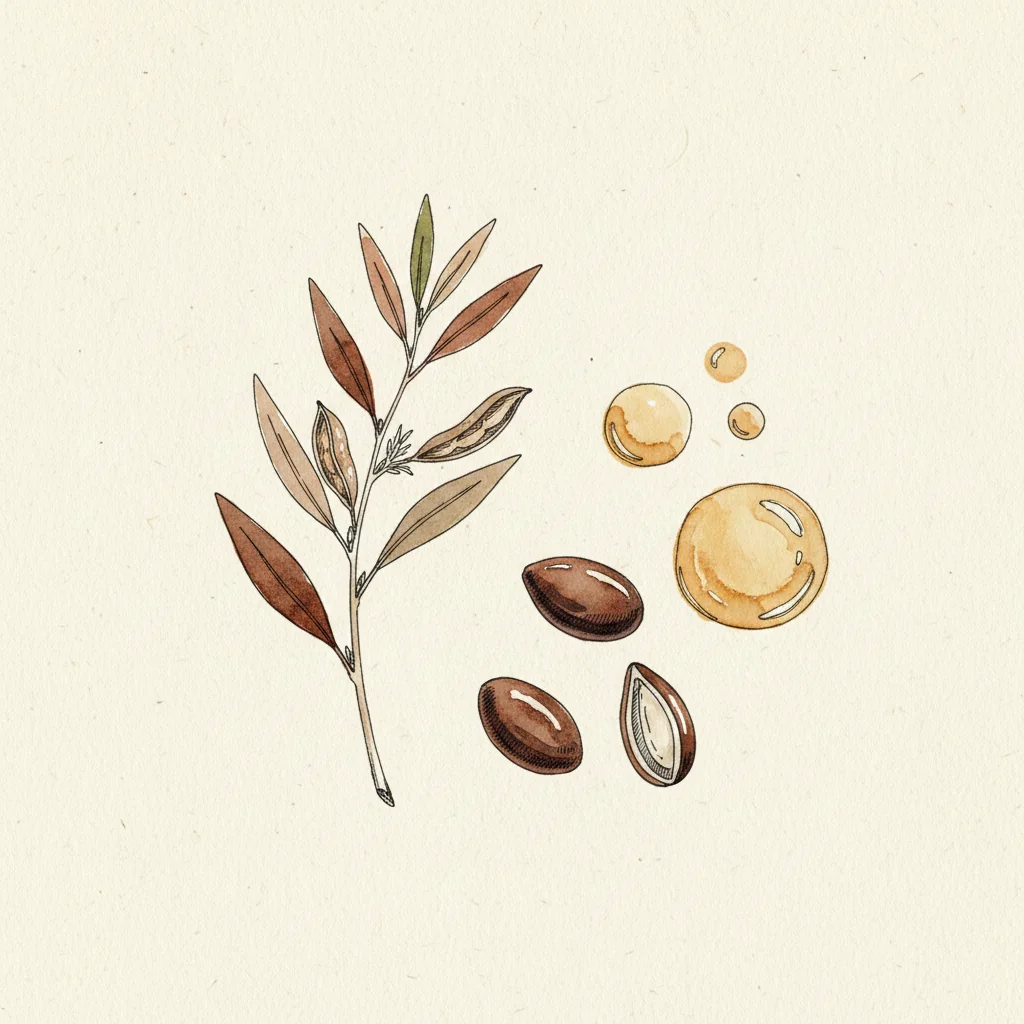
Oil · Sesame oil
Toasted Sesame Oil
Japan (Kadoya, Yamada in Osaka and Kyushu) and South Korea (Korea-grown sesame, with much seed imported from India, Sudan, and Nigeria), Japan / South Korea (none)
deep toasted nut · warm sesame · roasted savory depth
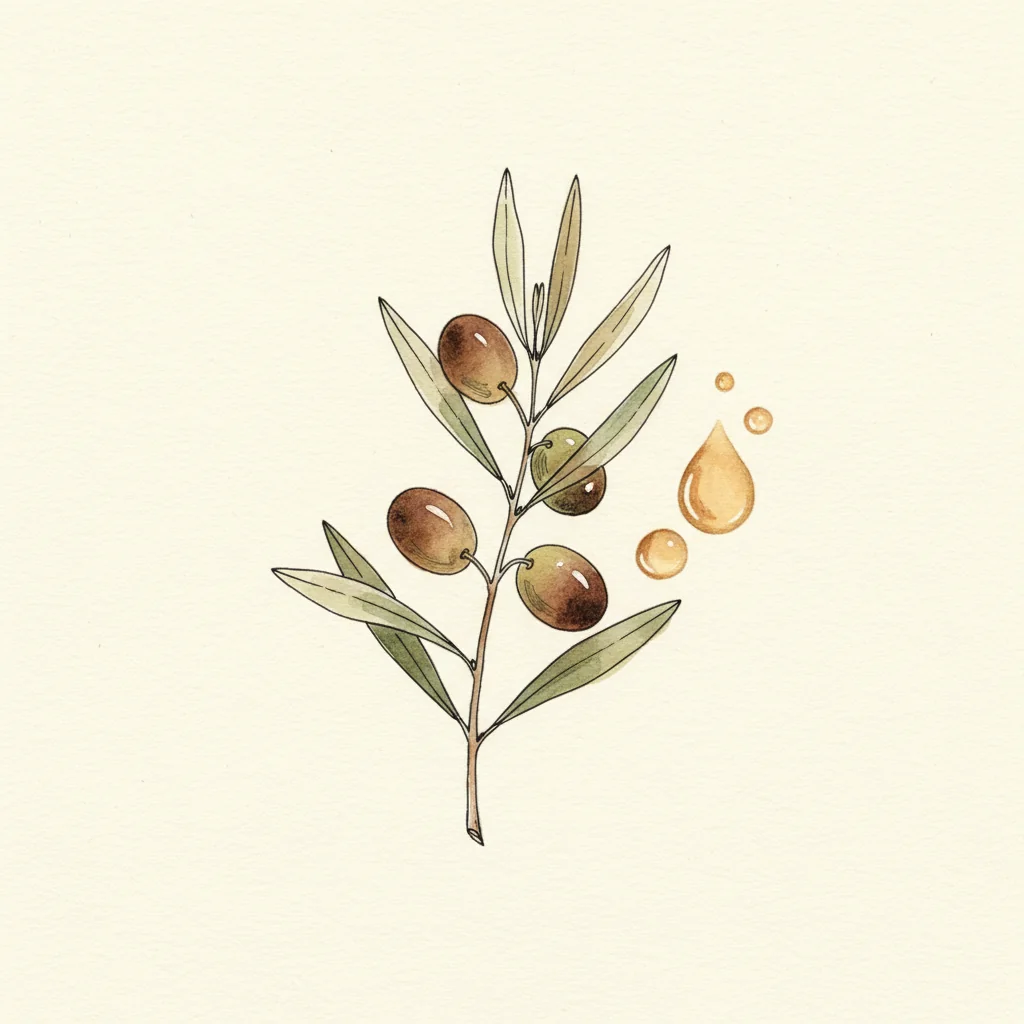
Oil · Olive oil
Tuscan Extra Virgin Olive Oil IGP
Tuscany (Chianti, Lucca, Siena, Florence), Italy (IGP)
raw artichoke · fresh almond · wild herbs
Our verdict
Sesame for East Asian dishes; Tuscan olive oil for Mediterranean ones.
At a glance
| Criterion | Toasted Sesame Oil | Tuscan Extra Virgin Olive Oil IGP |
|---|---|---|
| Origin | Japan and South Korea (Kadoya, Yamada; Korean stone-pressed) | Italy, Tuscany (Chianti, Lucca, Siena, Florence) |
| Appellation | None | Toscano IGP, PGI-protected since 1998 |
| Flavor | Toasted nut, warm sesame, faint smoky depth | Green, herbaceous, peppery and bitter finish |
| Role | Finishing oil, not a cooking fat — add at the end | Finishing oil — pour raw, never fry with it |
| Best use | Bibimbap, noodles, dumpling sauce, dressings | Bruschetta, ribollita, grilled steak, raw over beans |
| Median price | About $9 / 11oz Kadoya; $40+ for Korean stone-pressed | About $33 / 500ml (US), around £22 (UK) |
| Value | Cheap workhorse at $9; the artisan bottle is a splurge | Splurge, but a little finishes a plate |
When to choose Toasted Sesame Oil
Reach for toasted sesame oil when the plate is East Asian and you want that unmistakable nutty-roasted aroma. The seeds are roasted before pressing, which gives the deep amber color and a flavor that reads toasted nut, warm sesame, and a savory roasted depth with a faint smoky edge. It's potent — a teaspoon goes a long way — so use it the way it's meant to be used: stirred into a bowl of noodles at the end, drizzled over bibimbap, whisked into a dumpling dipping sauce, or balanced into a dressing with rice vinegar and soy. The key move is timing. Toasted sesame oil is a finishing oil, not a cooking fat; the roasted aromatics that justify it scorch and turn bitter in a hot pan, so add it off the heat, right before serving. For everyday cooking, a standard 11oz bottle of Kadoya runs about $9 and lasts a long time given how little you use. If you want to splurge, artisanal Korean stone-pressed bottles climb past $40 and carry a deeper, rounder roast — worth it once for a special dressing, overkill for weeknight noodles. The catch is using it as olive oil's stand-in: its roasted character dominates anything Mediterranean and will fight a bruschetta or a salad of tomatoes. Keep it for the cuisine it belongs to. If you're dressing a Tuscan plate, this is the wrong bottle — that's the olive oil's job.
When to choose Tuscan Extra Virgin Olive Oil IGP
Choose Tuscan olive oil when you want a green, peppery finishing oil for the Mediterranean table. Toscano IGP is the benchmark Italian finishing oil — a blend of Tuscan cultivars (Frantoio, Moraiolo, Leccino), early-harvested green and cold-pressed, PGI-protected since 1998 with bottling required inside Tuscany. The flavor is herbaceous and assertive, with a peppery, bitter finish that signals freshness and polyphenols. Pour it raw and late: over bruschetta, into a bowl of ribollita, across a grilled steak, over white beans or a plate of just-boiled greens. About $33 for 500ml in the US, around £22 in the UK — a splurge, but you use it by the spoonful and a little finishes a plate. The catch is heat: this is a finishing oil, full stop, and frying with it burns off the grassy, peppery aromatics you paid the IGP premium for. Buy it, keep it cool and dark, and use a cheaper oil in the pan. If your dish is East Asian — noodles, bibimbap, a dumpling sauce — this is the wrong oil, because its herbaceous bitterness clashes with the roasted-sesame register those plates are built around. That's where toasted sesame oil takes over.
Where to buy?
Toasted Sesame Oil
Links checked on
| Merchant | Price | Action |
|---|---|---|
| Amazon US | — | Amazon US |
| Gochujar | — | Gochujar |
| Sous Chef UK | — | Sous Chef UK |
Prices may vary depending on current promotions on the merchant site.
Tuscan Extra Virgin Olive Oil IGP
Links checked on
| Merchant | Price | Action |
|---|---|---|
| Amazon US | — | Amazon US |
| Olive Oil Lovers | — | Olive Oil Lovers |
| Sous Chef UK | — | Sous Chef UK |
Prices may vary depending on current promotions on the merchant site.
Frequently asked questions
- Can I substitute sesame oil for olive oil?
- Not in either direction. Toasted sesame oil's roasted, nutty character dominates a Mediterranean plate, and olive oil's green pepperiness reads wrong on East Asian dishes. They're both finishing oils, but they belong to different cuisines. Match the oil to the plate, not to whatever's open.
- Can you cook with either of these?
- Both are finishing oils, not cooking fats. Toasted sesame oil scorches and turns bitter in a hot pan; Tuscan IGP olive oil loses its peppery aromatics to high heat. Add each one off the heat, right before serving, and use a cheaper neutral oil for actual frying.
- Is the $40 Korean sesame oil worth it over the $9 Kadoya?
- For everyday noodles and weeknight sauces, no — the $9 Kadoya does the job well. The stone-pressed Korean bottle gives a deeper, rounder roast that shows in a raw dressing or a special dish. Buy it once for that, but don't waste it stir-frying.
- Why does the Tuscan oil cost so much more?
- It's a single-region IGP extra-virgin, early-harvested and cold-pressed from named Tuscan cultivars, bottled within Tuscany — all of which is regulated and low-yield. Standard toasted sesame oil like Kadoya is a high-volume commodity product. You're paying for protected provenance and finishing-grade flavor.
The best pairings
With Toasted Sesame Oil
With Tuscan Extra Virgin Olive Oil IGP
Comparison prepared according to our methodology. Sponsored purchase links — see our affiliations.