
Comparison
Aleppo pepper vs Calabrian chili: which to choose?
Aleppo is the mild finisher: sweet-sour raisin fruit, 4/10 warmth, dusted dry over the plate. Calabrian is the cooking chili: a real 6/10 building heat, briny and smoky, usually crushed in oil so it blooms into a pan. Want gentle color on hummus and eggs, buy Aleppo. Want forward heat in pasta, buy Calabrian.
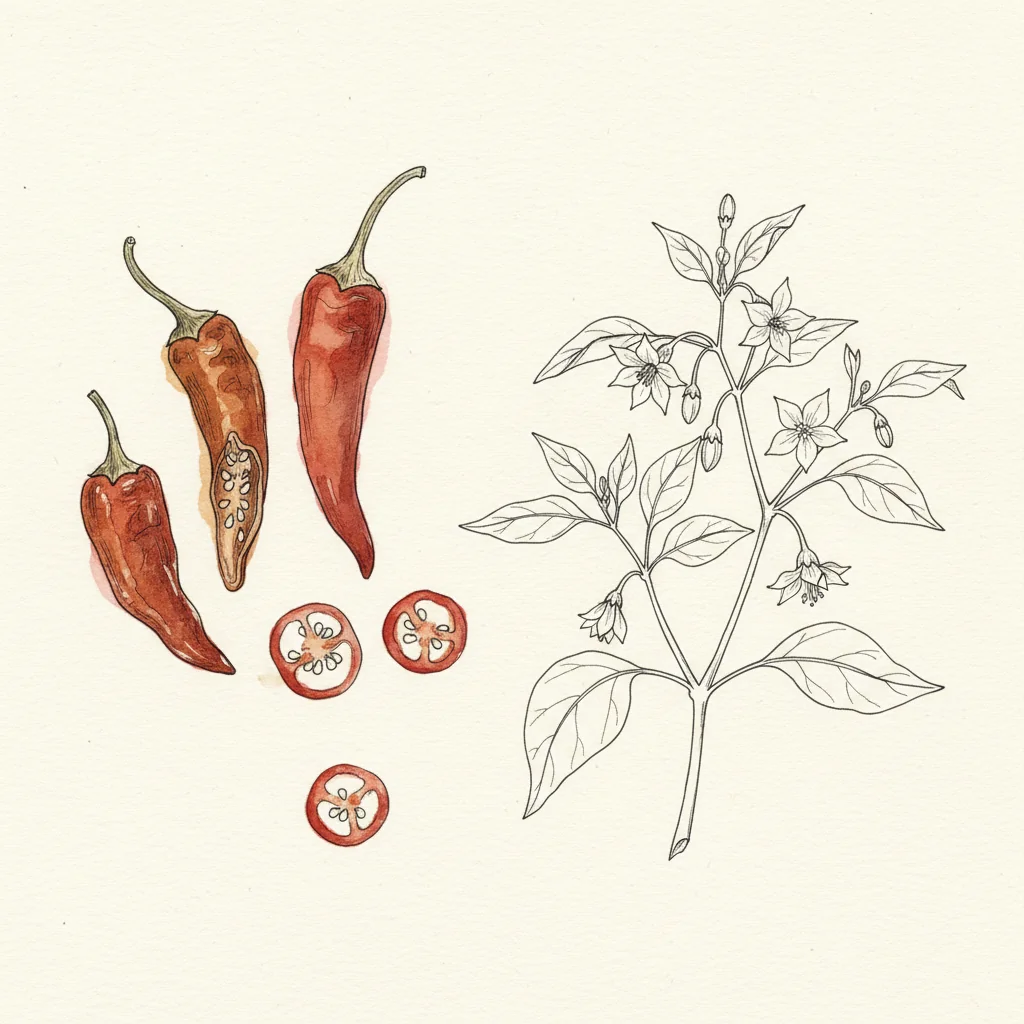
Spice · Chile
Aleppo Pepper
Southern Turkey (Gaziantep, Kahramanmaraş) and northern Syria (Aleppo), Turkey / Syria
sweet-sour fruit · raisin · sun-dried tomato
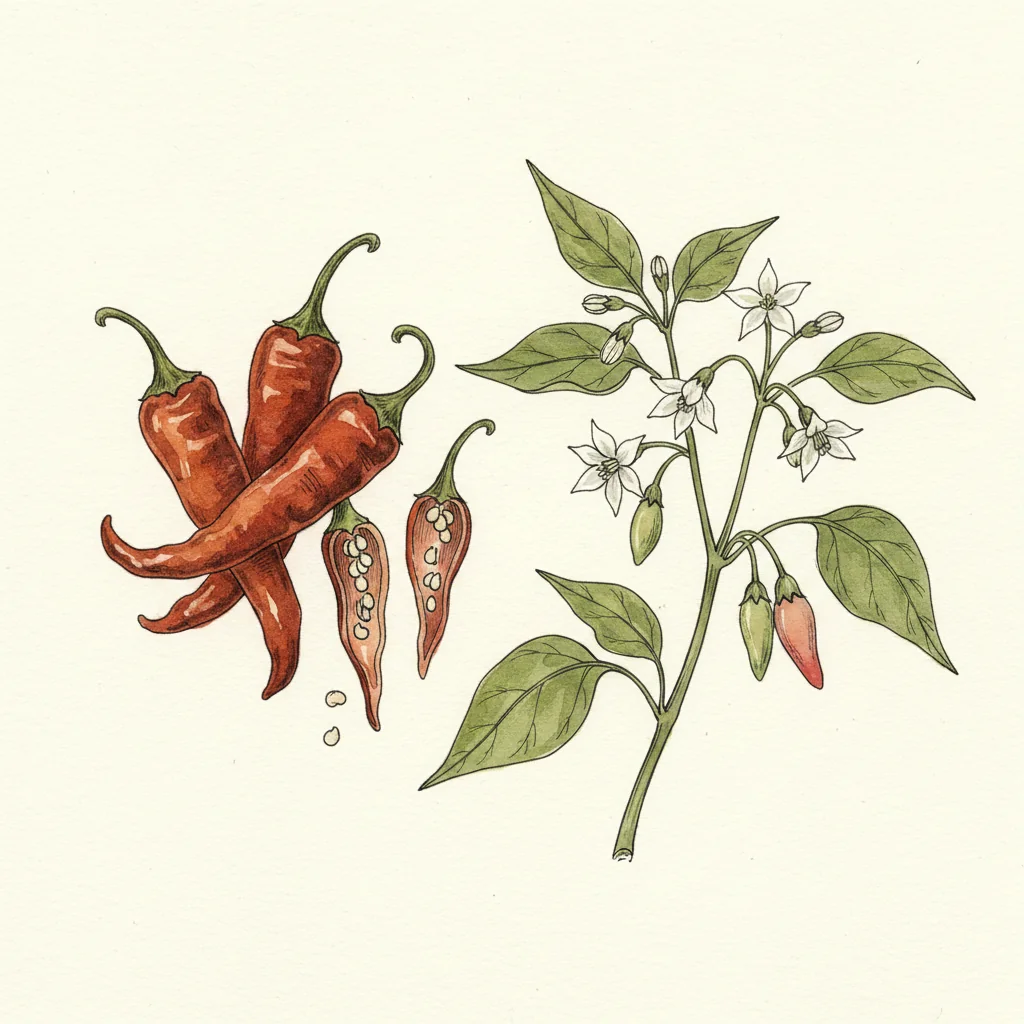
Spice · Chile
Calabrian Chili
Calabria — Diamante (Riviera dei Cedri) and the province of Cosenza, Italy
ripe-fruit heat · sun-dried tomato · smoky char
Our verdict
Aleppo for a mild dry finish, Calabrian for forward heat cooked into the dish.
At a glance
| Criterion | Aleppo Pepper | Calabrian Chili |
|---|---|---|
| Origin | Southern Turkey / northern Syria | Calabria, Italy (Diamante, Cosenza) |
| Flavor profile | Sweet-sour fruit, raisin, sun-dried tomato | Ripe-fruit heat, sun-dried tomato, smoky char, briny edge |
| Intensity | 4/10, gentle and fruity | 6/10, bright forward heat that builds |
| Usual form | Dry garnet flakes | Crushed pods packed in olive oil, or dried flakes |
| Best use | Hummus, eggs, tomato salads, grilled lamb (finish) | Aglio e olio, arrabbiata, hot chicken, steak, greens |
| Median price | ~$9 / 50g jar | ~$10 / 10 oz jar in oil |
| Value | Cheap garnish, gentle by design | A working cooking chili with real heat |
When to choose Aleppo Pepper
Aleppo pepper is the gentle finisher, and you choose it when you want color and fruit, not a fight. Grown and milled in southern Turkey and sold there as pul biber, it carries a sweet-sour, raisin-and-tomato fruit and a mild, oily warmth, a 4 out of 10 that builds slowly and never bites. It comes as dry garnet flakes precisely because its job is the dusting at the end. Four scenarios where Aleppo wins over Calabrian. First, over hummus, labneh or Greek yogurt, where a punchy oil-packed chili would overwhelm but Aleppo's fruity warmth flatters. Second, on eggs and shakshuka, where you want color and a whisper of heat, not a building burn that hijacks breakfast. Third, tomato salads and roasted carrots, where its sweet-sour edge meets raw or roasted vegetables cleanly. Fourth, grilled lamb finished at the table, where fruit and color matter more than firepower. The rule: dust it over the plated dish, one to two teaspoons for four, roughly 2 grams a portion. Don't reach for it when you actually want heat: at 4 out of 10 against Calabrian's 6, it's the milder, fruitier choice by design. And don't bury it in a long braise that flattens the fruit. Color is your freshness gauge, lustrous garnet alive, dull brown dead, keeps about 15 months. If you want one flake for everyday Middle Eastern and Mediterranean plates, gentle enough to scatter freely, Aleppo is it. At around $9 a jar it's the easy, low-risk finishing move when Calabrian would simply be too much.
When to choose Calabrian Chili
Calabrian chili is the working cooking chili, and you choose it when you want real, forward heat woven into the dish. Grown around Diamante and across Cosenza on the toe of Italy, you meet it two ways: dried into thin peperoncino flakes, or the more common jar of crushed pods packed in olive oil with a little salt and vinegar. Either form carries a fruity, sun-dried-tomato warmth and a smoky, briny edge, with a building heat around 6 out of 10, noticeably hotter than Aleppo's gentle 4. This is a cooking chili, not a museum piece. Four scenarios where Calabrian wins. First, spaghetti aglio e olio or pasta arrabbiata, where the crushed-in-oil paste blooms into the fat early and becomes the sauce's heat and depth. Second, Nashville hot chicken and pizza, where you want a real burn with a fruity, wine-like front before the fire. Third, grilled or pan-seared steak, where its smoky, briny finish flatters charred beef. Fourth, white beans with sausage and braised greens, where the savory edge carries the whole pot. The rule: add it early when crushed in oil so it blooms into the fat, or use the dried flakes as a finish. Half a teaspoon of the paste per portion is a good start. Don't waste it on delicate fish you want to taste cleanly, or subtle cream sauces it will overpower, that briny, building heat takes over. Once opened, refrigerate the oil-packed jar, keep the paste submerged under its oil, and use within a couple of months; dried flakes hold about a year. At around $10 for a 10 oz jar in oil, it's a genuine kitchen workhorse. Where this beats Aleppo: if you want heat you can build a pasta or a steak around, not just a color you scatter on top, Calabrian is the one.
Where to buy?
Aleppo Pepper
Links checked on
| Merchant | Price | Action |
|---|---|---|
| Burlap & Barrel (Silk Chili) | — | Burlap & Barrel (Silk Chili) |
| Amazon US | — | Amazon US |
| Sous Chef UK | — | Sous Chef UK |
Prices may vary depending on current promotions on the merchant site.
Calabrian Chili
Links checked on
| Merchant | Price | Action |
|---|---|---|
| Amazon US (TuttoCalabria, crushed, 10 oz) | — | Amazon US (TuttoCalabria, crushed, 10 oz) |
| Burlap & Barrel | — | Burlap & Barrel |
Prices may vary depending on current promotions on the merchant site.
Frequently asked questions
- Which is hotter, Aleppo or Calabrian?
- Calabrian, clearly. It's a building 6 out of 10 with a real burn, while Aleppo is a gentle 4 that never bites. If you want heat you'll actually feel, go Calabrian. If you want fruit and color with just a whisper of warmth, Aleppo.
- Can I swap one for the other?
- Only loosely. Both share a sun-dried-tomato fruitiness, so the flavor direction overlaps, but you'll change the heat and the form. Sub Aleppo for Calabrian and the dish goes milder and loses the briny edge; the other way around adds real burn. Adjust the amount.
- Why is Calabrian usually sold in oil?
- Because the crushed pods are traditionally packed in olive oil with salt and vinegar, and that paste blooms straight into a hot pan. The oil carries the heat and the briny edge into the dish. You can also buy dried Calabrian flakes for finishing.
- Can I finish a dish with Calabrian like I do with Aleppo?
- Use the dried flakes for that, not the oil paste. Dried Calabrian flakes work as a finish, though hotter than Aleppo. The oil-packed version is better cooked in early so it blooms into the fat. Aleppo stays a pure finishing flake.
The best pairings
With Aleppo Pepper
With Calabrian Chili
Comparison prepared according to our methodology. Sponsored purchase links — see our affiliations.