
Dish × condiment pairing
Which chili for a spicy tomato soup?
Season : fall, winter · Occasion : weeknight, comfort food
Calabrian chili, crushed in oil. The peperoncino from Diamante and Cosenza runs fruity, sun-dried-tomato heat with a smoky char, so it deepens a tomato soup instead of just burning it. Stir a spoonful of the oil-packed paste into the pot, then taste and build.
In detail
The best chili for a spicy tomato soup is Calabrian chili crushed in oil, the peperoncino grown around Diamante and Cosenza in Calabria. Its heat is fruity and almost wine-like, carrying sun-dried-tomato and smoky-char notes that echo the soup's own tomato backbone, so it deepens the pot rather than simply burning it. Stir the oil-packed paste in near the end of cooking, off a hard boil, so the aroma blooms into the fat without scorching; start with half a teaspoon per portion and build, because the heat compounds as it sits. At around $10 a jar the crushed Calabrian paste is a pantry workhorse that turns a canned-tomato base into something that tastes slow-cooked. For depth over fire, bloom ancho powder into the soup instead: it brings sweet raisin and cocoa with almost no burn. Classic pairing: a sharp grilled cheese on the side.
Our recommendation
Spice · Chile
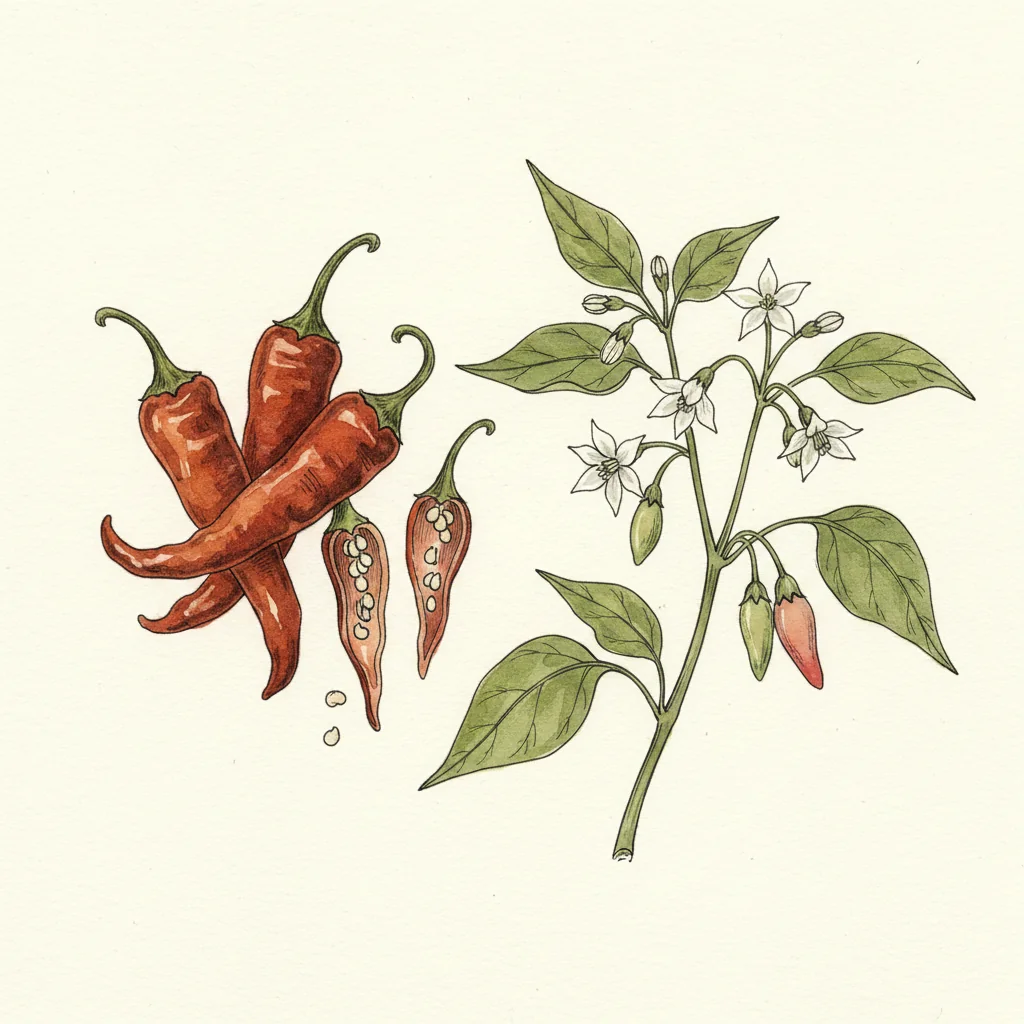
Calabrian Chili
Calabria — Diamante (Riviera dei Cedri) and the province of Cosenza, Italy
ripe-fruit heat · sun-dried tomato · smoky char
Calabrian chili's fruity, wine-like heat and sun-dried-tomato note are a near-perfect echo of a tomato soup's own backbone, so it adds depth before it adds fire. The crushed-in-oil paste blooms into the fat of the pot and rounds out, never one-note. At about $10 a jar it is a pantry workhorse, and a spoonful makes a canned-tomato soup taste cooked-down and serious.
Intensity 6/10
Where to buy it
Links checked on
| Merchant | Price | Action |
|---|---|---|
| Amazon US (TuttoCalabria, crushed, 10 oz) | — | Amazon US (TuttoCalabria, crushed, 10 oz) |
| Burlap & Barrel | — | Burlap & Barrel |
Prices may vary depending on current promotions on the merchant site.
Affiliate links — La Pincée may earn a commission on some sales, at no extra cost to you. Read more.
The catch
Don't reach for plain crushed red pepper to spice a tomato soup. It's flat heat with no fruit, so all you get is a burn that fights the tomato. Calabrian chili leads with sun-dried-tomato and a wine-like brightness before the fire, which means it deepens the soup as it spices it. Use the oil-packed paste, not dry flakes here, and you'll taste the difference in one spoonful.
Chef's note
Add it in two hits. Stir half a teaspoon of the crushed-in-oil paste per portion into the pot near the end, off a hard boil, so it blooms without scorching, then swirl a little of the chili oil itself over each bowl at the table for a fresh hit of heat that hasn't cooked down. Taste between hits: the burn keeps building as it sits.
Tasting note
fruity heat · sun-dried tomato · smoky char · about $10 for a 10 oz jar that lasts months. Worth it, and it earns its shelf space far past soup season.
These three sections appear on every one of our pairing pages — our methodology.
Alternatives to explore
-
Spice · Chile
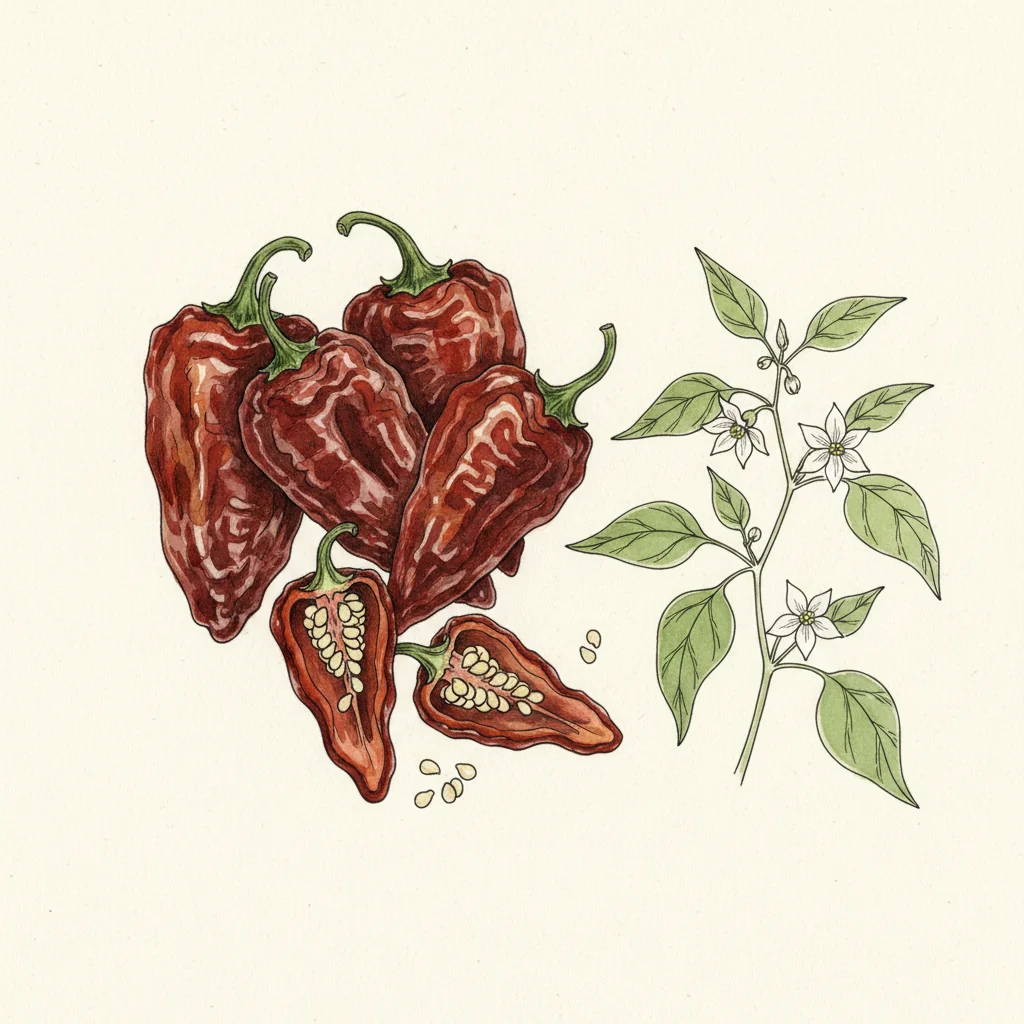
Ancho Chile
Puebla and Zacatecas, plus the central highlands of Guanajuato and Durango, Mexico
Intensity 3/10
Ancho brings sweet raisin-and-cocoa depth with almost no heat. Bloom the powder into the soup for a smoky-sweet tomato base if you want richness over spice.
Frequently asked questions
- What chili is best for spicy tomato soup?
- Calabrian chili crushed in oil. Its fruity, smoky heat mirrors the tomato itself, so it deepens the soup as it spices it. Stir the oil-packed paste in toward the end and build the heat to taste.
- When do you add Calabrian chili to soup?
- Stir the crushed-in-oil paste in near the end of cooking, off a hard boil, so its aroma blooms into the fat without scorching. Add half a teaspoon per portion, taste, then add more, since the heat compounds as it sits.
- How spicy is Calabrian chili?
- Moderate, around a six out of ten. It leads with fruit and a wine-like brightness before the burn arrives, so it reads as flavor first, heat second, which is why it suits a soup rather than overpowering it.
This pairing was validated according to our methodology. Purchase links are marked sponsored and may earn a commission — details on our Affiliations page.