
Comparison
Black truffle vs saffron: which luxury ingredient?
Both are luxuries, but the economics differ completely. Fresh black truffle is a perishable, earthy splurge — shaved raw, eaten within days, about $65 an ounce. Saffron is expensive by weight yet cheap per dish — a pinch colors a paella, about $11 a gram. Want a once-a-season showpiece, truffle; want everyday luxury that stretches, saffron.
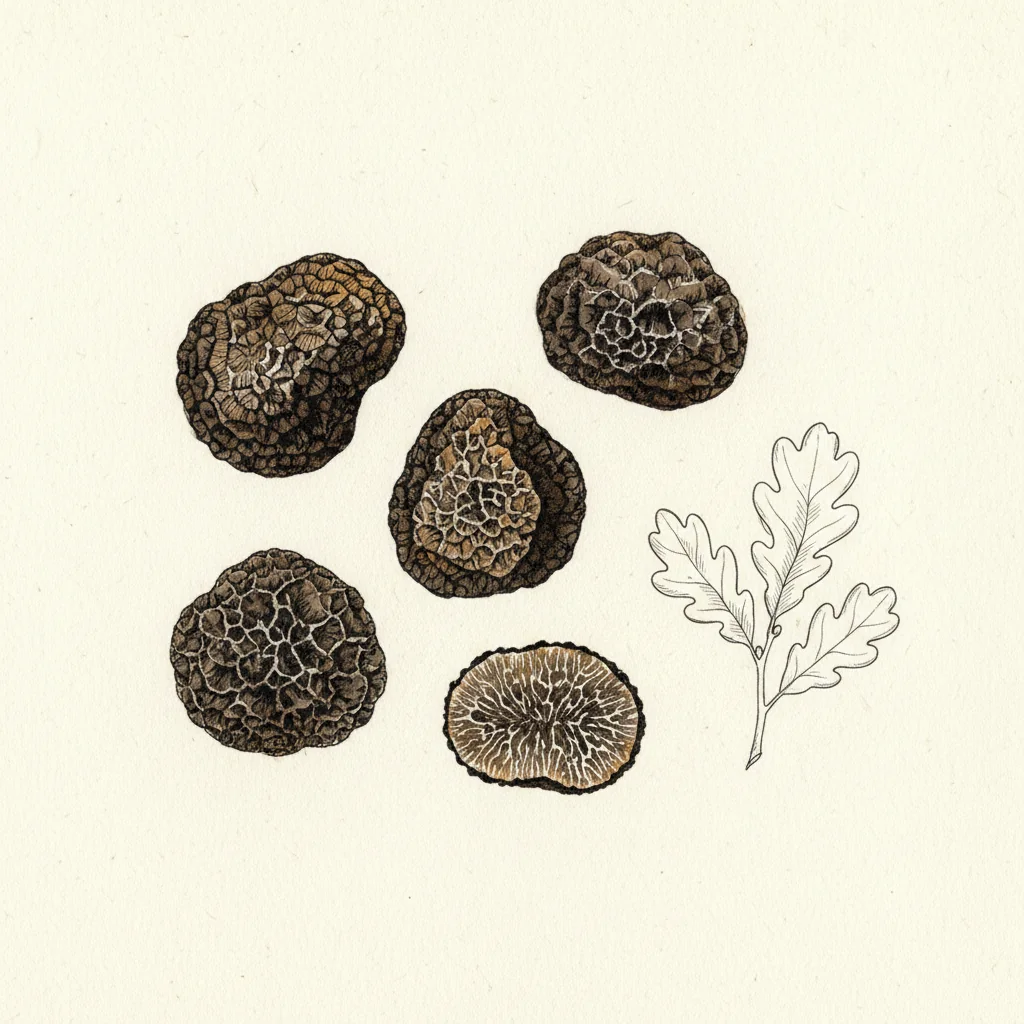
Spice · Truffle
Périgord Black Truffle
Périgord (Dordogne) & Quercy (Lot), plus Vaucluse and Drôme, France
damp forest floor · unsweetened cocoa · autumn leaf litter
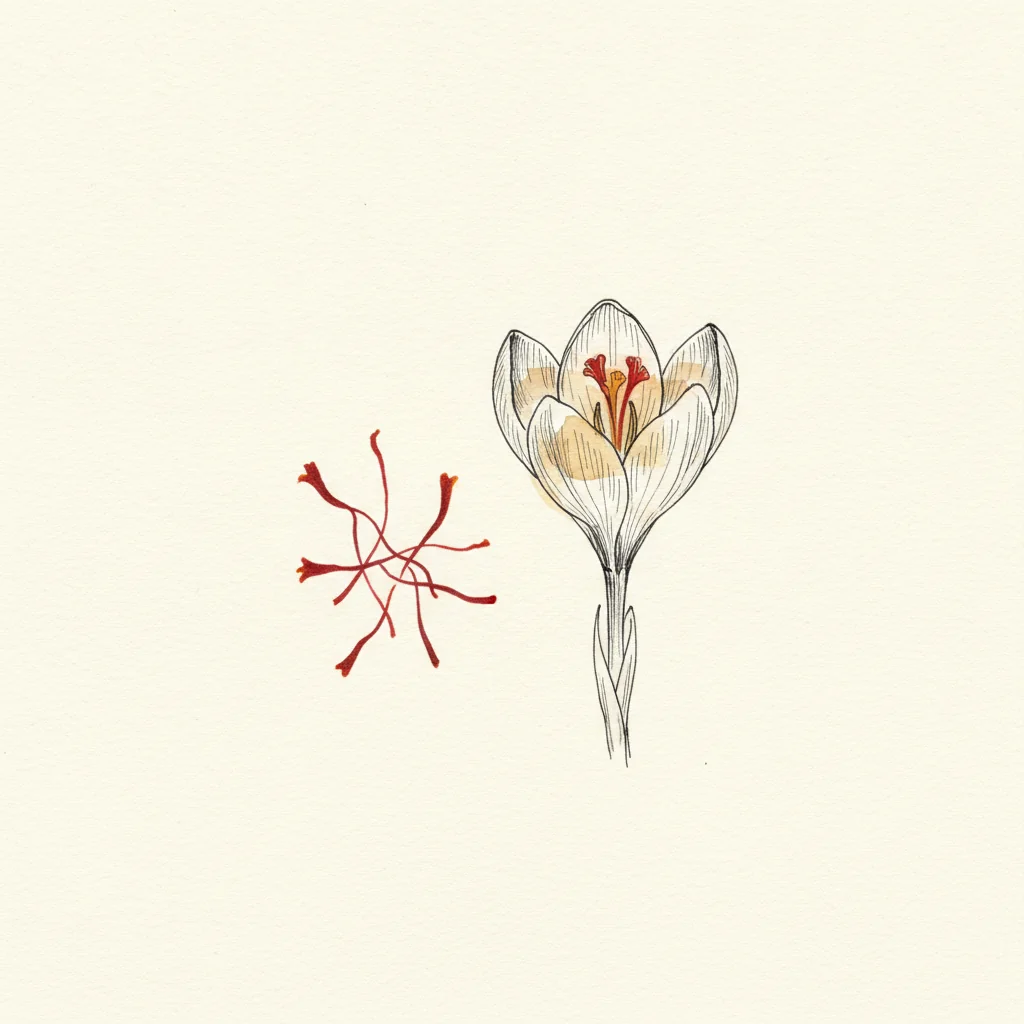
Spice · Saffron
Iranian Saffron (Sargol)
Khorasan, around Torbat-e Heydarieh, Ghaen and Birjand, Iran
dry honey · warm hay · sea iodine
Our verdict
Truffle for a fleeting earthy splurge, saffron for affordable color and aroma per dish.
At a glance
| Criterion | Périgord Black Truffle | Iranian Saffron (Sargol) |
|---|---|---|
| Origin | France — Perigord and Quercy (Tuber melanosporum) | Iran — Khorasan, Sargol grade (Crocus sativus) |
| Form | Fresh perishable fungus, shaved raw | Dried red stigma threads, bloomed in liquid |
| Intensity | 9/10 — pungent, forest-floor | 9/10 — potent, a few threads color a dish |
| Main notes | Damp forest floor, unsweetened cocoa, leaf litter | Dry honey, warm hay, sea iodine |
| Best use | Shaved over eggs, risotto, pasta, mash, en croute | Paella, risotto milanese, tagines, biryani, bouillabaisse |
| Median price | ~$65 / 1 oz fresh whole | ~$11 / 1 g (cheap per dish) |
| Value | A splurge that fades in days — buy for an occasion | Expensive by weight, cheap per serving; keeps for ages |
When to choose Périgord Black Truffle
Reach for fresh black truffle when you're building a single dish around one extravagant, fleeting aroma. Tuber melanosporum from the Perigord is damp forest floor, unsweetened cocoa and autumn leaf litter — a pungent, savory perfume that has no real substitute and a brutally short life. This is a perishable: it's at its peak for a few days after harvest and fades steadily, so you buy it for a specific occasion and use it within days, not a spice you keep on the shelf. Shave or grate it raw over soft scrambled eggs, risotto, silky mash, fresh pasta in cream, or fold it into beef en croute; cook it gently for five to ten minutes at most, since hard heat blows off the very aromatics you paid for. The trick is to give it fat and warmth to bloom into — eggs, butter, cream — and to infuse a day ahead when you can. Budget three to five grams per person shaved fresh, more for a dish built around it. At around $65 an ounce it's the definition of a splurge, and an honest one: the flavor is genuinely irreplaceable, but it's gone in days. If you want luxury that keeps and stretches across many dinners, that's saffron, which works on completely different economics.
When to choose Iranian Saffron (Sargol)
Reach for Iranian saffron when you want luxury that's expensive by weight but cheap by the plate. Sargol-grade Crocus sativus from Khorasan — pure red stigma tips, no yellow style — is the most expensive spice on earth per gram, yet a single pinch does the work: dry honey, warm hay and a sea-iodine edge, plus that unmistakable gold color, across paella, risotto alla milanese, tagines, biryani, bouillabaisse and sweet infusions. Unlike truffle, it's a dried spice that keeps for a long time sealed away from light, so the gram you buy lasts dish after dish. The one non-negotiable technique is to bloom it: steep the threads in a little warm liquid for 20 to 30 minutes before cooking, which releases far more color and aroma than crumbling them in dry. The dose is tiny — 0.1 to 0.2 g, roughly 15 to 25 threads, for four servings — and more is not better, since over-saffroned dishes turn medicinal and bitter. Buy whole red threads (Sargol), not powder, which is routinely adulterated. At about $11 a gram the headline price looks steep, but per serving it's modest, and unlike fresh truffle it won't be worthless in a week. When you want a once-a-season showpiece you build a whole plate around, truffle wins; for repeatable, keepable luxury, saffron is the smarter buy.
Where to buy?
Périgord Black Truffle
Links checked on
| Merchant | Price | Action |
|---|---|---|
| Amazon US | — | Amazon US |
| D'Artagnan | — | D'Artagnan |
| Gourmet Food Store | — | Gourmet Food Store |
| Sous Chef UK | — | Sous Chef UK |
Prices may vary depending on current promotions on the merchant site.
Iranian Saffron (Sargol)
Links checked on
| Merchant | Price | Action |
|---|---|---|
| Amazon US | — | Amazon US |
| Slofoodgroup | — | Slofoodgroup |
| Sous Chef UK | — | Sous Chef UK |
Prices may vary depending on current promotions on the merchant site.
Frequently asked questions
- Which is more expensive?
- By weight, saffron — it's the priciest spice on earth per gram. But per dish, fresh truffle costs far more, since you shave grams per person of a perishable that's worthless in a week. Saffron's pinch stretches across many meals.
- Can one substitute for the other?
- No. They share nothing in flavor — truffle is pungent forest floor, saffron is honeyed and floral with iodine. They're both 'luxury' and that's where the resemblance ends. Choose by the flavor and color the dish actually needs.
- Which keeps longer?
- Saffron, by a mile. Dried threads hold for ages sealed away from light. Fresh black truffle is a perishable at its best for a few days after harvest, so you buy it for a specific occasion and use it fast.
- How do I avoid wasting either?
- For truffle, shave it raw or cook it only briefly into fat — eggs, cream, butter — and use it within days. For saffron, bloom the threads in warm liquid 20-30 minutes first and dose lightly; both punish heavy hands and hard heat.
The best pairings
With Périgord Black Truffle
With Iranian Saffron (Sargol)
Comparison prepared according to our methodology. Sponsored purchase links — see our affiliations.