
Dish × condiment pairing
Best saffron for tahdig rice?
Season : all-year · Occasion : weeknight, weekend, dinner party
Iranian Sargol, the local grade for the dish. Grind a pinch with a little sugar, bloom it in warm water, and spoon the gold liquid over the steamed rice and crackling tahdig. Khorasan threads give a honeyed, hay-toned glow no other saffron matches. About $10 to $13 a gram.
In detail
The best saffron for Persian saffron rice and tahdig is Iranian Sargol, the pure red stigma tips, since the dish is its home turf and Khorasan cooks reach for this grade. Sargol holds the most crocin, picrocrocin and safranal, so a pinch throws a deep saffron-gold liquid with a honeyed, hay-and-iodine warmth. Use the traditional method: grind about 15 to 25 threads with a little sugar to an even powder, bloom it in two or three tablespoons of warm water for 20 to 30 minutes, then spoon the liquid over the steamed rice and the crackling tahdig at the base. Use roughly 0.1 to 0.2 g for four servings. Iran grows close to 90 percent of the world's saffron in dry Khorasan, an intensity European saffrons rarely match. Real Sargol runs about $10 to $13 a gram, and a pinch colors a full pot.
Our recommendation
Spice · Saffron
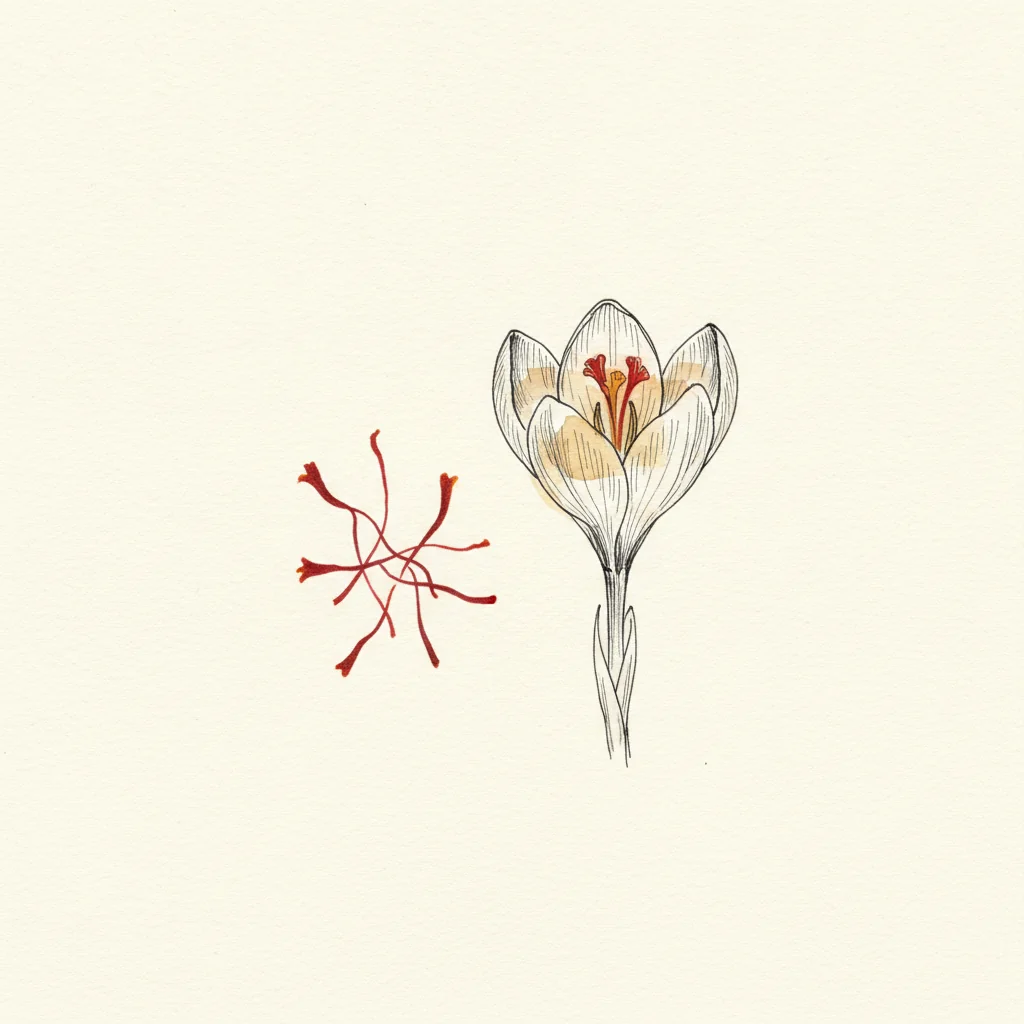
Iranian Saffron (Sargol)
Khorasan, around Torbat-e Heydarieh, Ghaen and Birjand, Iran
dry honey · warm hay · sea iodine
Persian rice is the home turf of this saffron, and Sargol is the grade Khorasan cooks reach for. Ground with a little sugar and bloomed in warm water, the pure red tips throw a deep saffron-gold liquid you spoon over the finished rice. The honeyed, hay-and-iodine warmth defines the dish. About $10 to $13 a gram, and 0.1 to 0.2 g colors a full pot.
Intensity 9/10
Where to buy it
Links checked on
| Merchant | Price | Action |
|---|---|---|
| Amazon US | — | Amazon US |
| Slofoodgroup | — | Slofoodgroup |
| Sous Chef UK | — | Sous Chef UK |
Prices may vary depending on current promotions on the merchant site.
Affiliate links — La Pincée may earn a commission on some sales, at no extra cost to you. Read more.
The catch
Don't sprinkle dry threads over the rice and call it saffron rice. The cliché is the loose threads scattered on top for show; they barely give up color and waste the best saffron you bought. The Persian method exists for a reason: ground and bloomed, the same pinch throws a deep gold that stains the whole pot. Buy Sargol, the local grade, then treat it the way Khorasan cooks do.
Chef's note
Grind with sugar, then bloom. Crush 15 to 25 threads with a pinch of sugar to a fine powder, the sugar acting as the abrasive, then steep in two or three tablespoons of warm water for 20 to 30 minutes. Spoon that gold liquid over the steamed rice and the crackling tahdig at the base. Even powder releases far more color and aroma than whole threads ever will.
Tasting note
dry honey · warm hay · sea iodine · blond tobacco · about $10 to $13 a gram, and 0.1 to 0.2 g colors a full pot. For the dish saffron was made for, it's the only worthwhile spend. Worth it.
These three sections appear on every one of our pairing pages — our methodology.
Alternatives to explore
-
Spice · Spice kernel
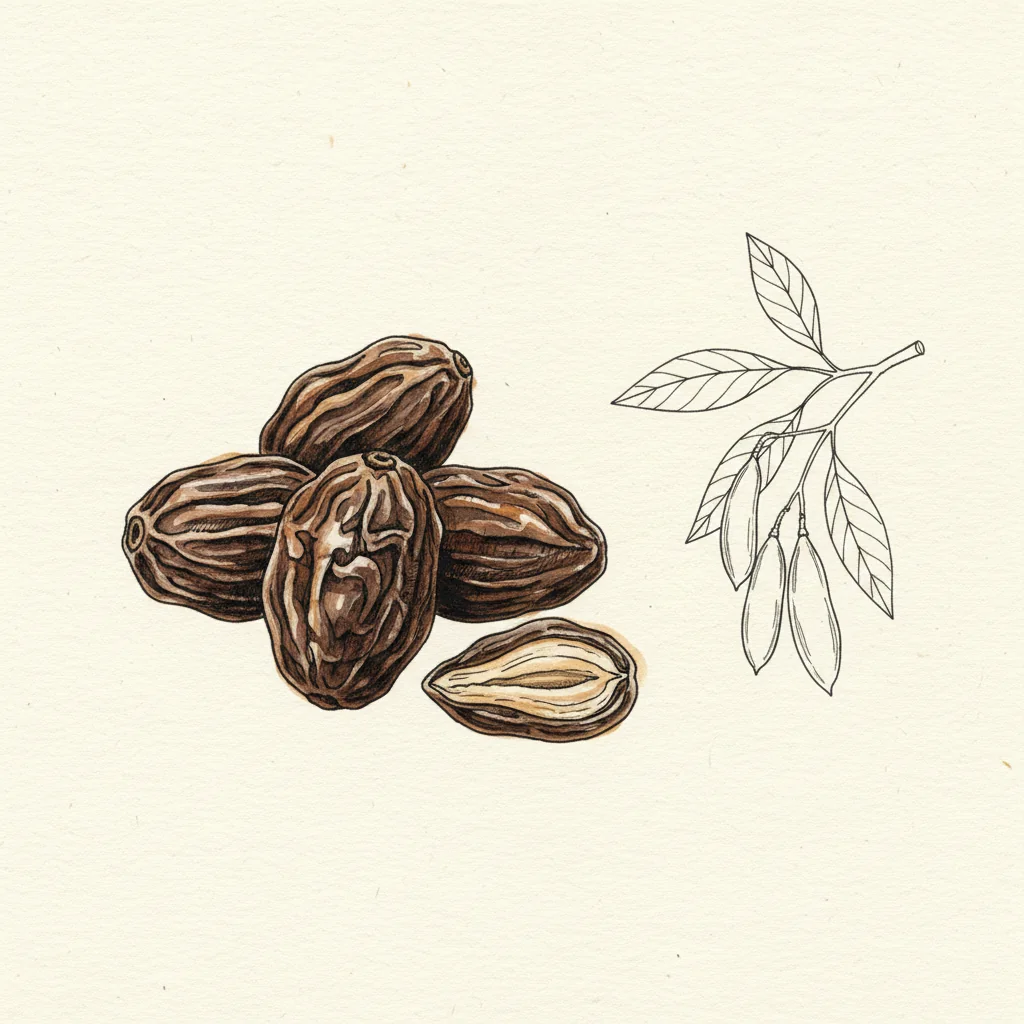
Tonka Beans
Brazilian Amazon (Pará, Amazonas), Brazil
Intensity 3/10
Not traditional, but the faintest grating of tonka over a sweet saffron rice pudding plays vanilla and hay against the saffron's honey. A dessert move, and US readers must check the FDA caveat first.
Frequently asked questions
- How do you bloom saffron for Persian rice?
- Grind a pinch of threads with a little sugar to a fine powder, then steep it in two or three tablespoons of warm water for 20 to 30 minutes. Spoon the gold liquid over the steamed rice and tahdig.
- How much saffron for a pot of Persian rice?
- About 0.1 to 0.2 g, roughly 15 to 25 threads, for four servings. Ground and bloomed, that pinch is enough to color a full pot deep gold and perfume the whole dish.
- Why grind saffron with sugar for rice?
- The sugar acts as an abrasive so the brittle threads grind to an even powder, which releases color and aroma faster in the warm water. It's the traditional Persian method and it spreads the saffron evenly through the rice.
This pairing was validated according to our methodology. Purchase links are marked sponsored and may earn a commission — details on our Affiliations page.