
Comparison
Buckwheat vs sourwood honey — which dark honey?
Both are prized American honeys, but they aren't interchangeable. Buckwheat is the darkest, boldest one — molasses, malt and barnyard funk that sings on sharp cheddar and barbecue but wrecks delicate desserts. Sourwood is buttery and spiced, like caramel and gingerbread, a rare treat to taste on its own. Bold and savory, buy buckwheat; delicate flavor, buy sourwood.
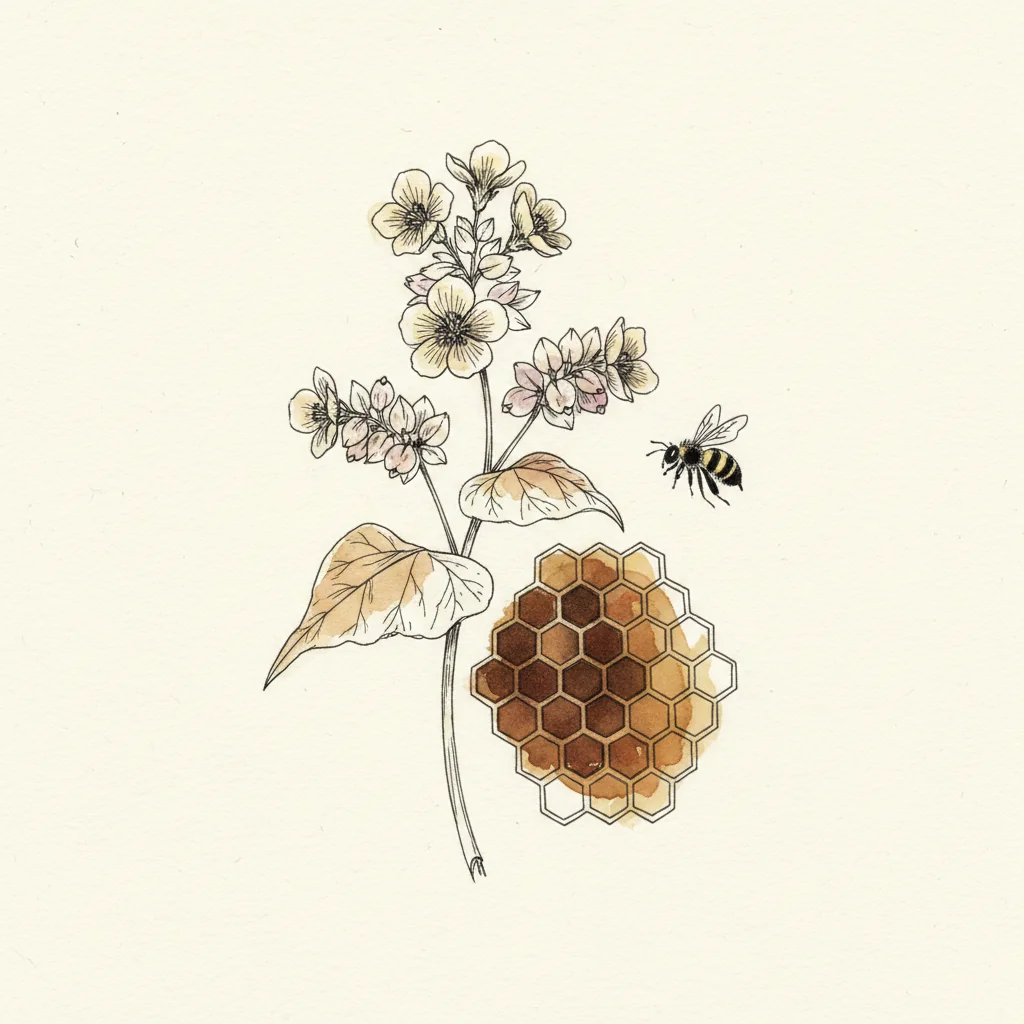
Honey · Monofloral honey
Buckwheat Honey
Upstate New York & Minnesota (also the Dakotas), United States
dark molasses · malt · barnyard funk
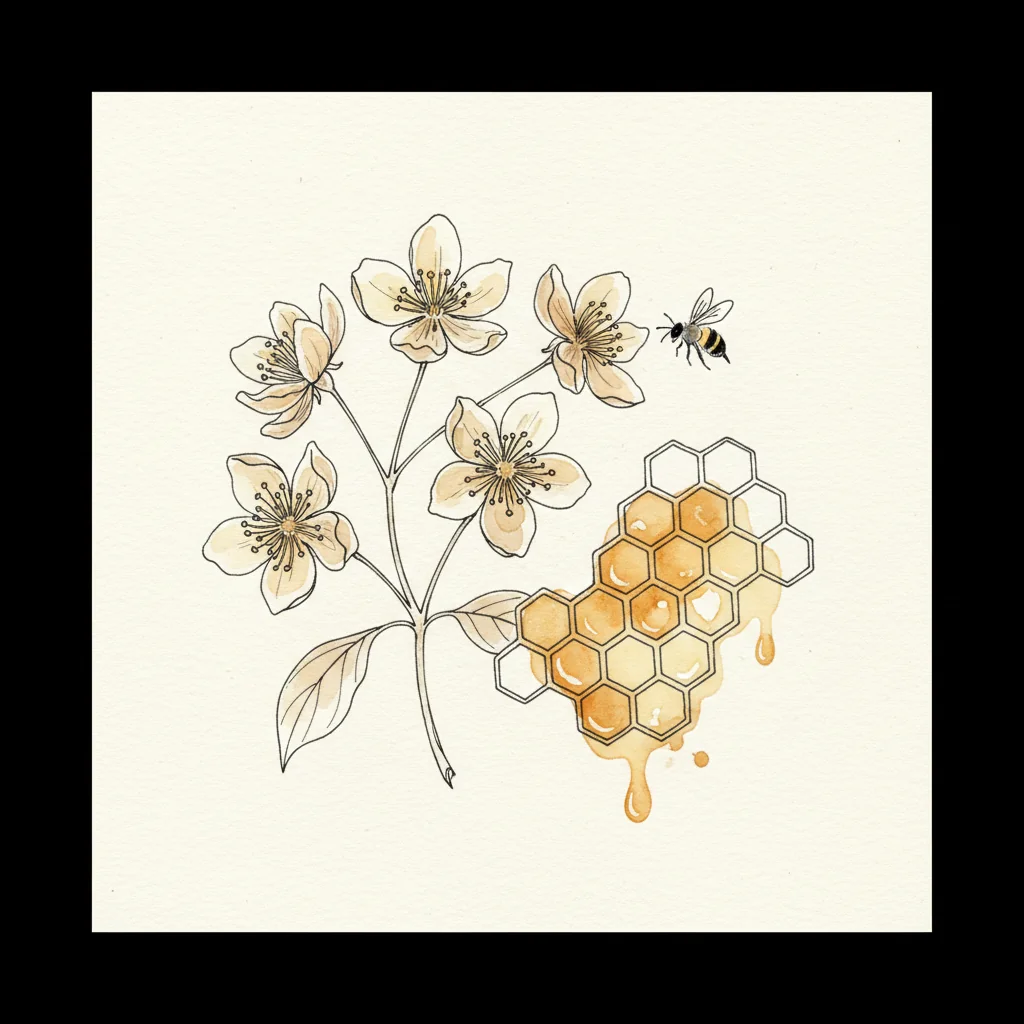
Honey · Monofloral honey
Sourwood Honey
Southern Appalachians (North Carolina, Georgia, Tennessee), United States
buttery caramel · spiced gingerbread · ripe stone fruit
Our verdict
Buckwheat for bold, savory pairings; sourwood for delicate flavor.
At a glance
| Criterion | Buckwheat Honey | Sourwood Honey |
|---|---|---|
| Origin | Upstate New York and Minnesota (also the Dakotas) | Southern Appalachians (NC, GA, TN) |
| Color & body | Darkest on the shelf, pours like motor oil | Light amber, lighter than its reputation |
| Profile | Molasses, malt, savory barnyard funk | Buttery, spiced, caramel and gingerbread |
| Intensity | 9/10 — bold, wrecks delicate desserts | 5/10 — complex but restrained |
| Best use | Sharp cheddar, biscuits, barbecue | On a biscuit, drizzled, tasted on its own |
| Median price | About $12 to $20 / 12 oz raw jar | About $14 to $22 / 16 oz jar |
| Value | Worth it for bold, savory uses | Worth chasing for its rare, delicate flavor |
When to choose Buckwheat Honey
Choose buckwheat honey when you want the darkest, boldest honey on the American shelf and a dish that can take it. It's the one most people meet by accident expecting clover, and the surprise is real — it pours like motor oil and tastes of molasses, malt and a savory barnyard funk that's closer to a stout than to ordinary honey. That intensity is the point and also the warning: it wrecks delicate desserts, but it sings on sharp cheddar, biscuits and barbecue. Use it where strong flavors meet it head-on — drizzled over aged cheddar or a blue, swirled into a barbecue sauce or glaze, spooned onto a buttermilk biscuit, paired with smoked or cured meat, or stirred into a dark gingerbread where its malt deepens the spice. Upstate New York and Minnesota are the heartland, and a 12 oz jar of the real raw stuff runs about $12 to $20. The grain to look for is genuine raw buckwheat — dark and thick — because lighter, thinner jars are often cut. The catch is using it anywhere subtle: in tea, a light dessert or a delicate dressing it bulldozes everything, so it's a specialist, not an all-rounder. If what you want is a complex but restrained honey to taste on its own or drizzle on something gentle, this is the wrong jar — reach for sourwood.
When to choose Sourwood Honey
Reach for sourwood honey when you want complexity without the freight-train intensity of buckwheat. It's the honey serious Southern beekeepers chase and most cooks never taste, from the sourwood tree that blooms for only two or three weeks in July across the Appalachians — so the crop is genuinely scarce, and a bad summer means none at all. The flavor is buttery and spiced, like caramel and gingerbread rather than ordinary sweet, and it's restrained enough to enjoy on its own where buckwheat would overwhelm. That's the key difference: sourwood is a honey to taste, drizzled over a warm biscuit, pancakes, plain yogurt or vanilla ice cream, or simply off the spoon, while buckwheat is a honey to pair with something equally strong. A 16 oz jar of the real thing runs about $14 to $22, fair for a true single-source seasonal honey from named Appalachian counties. The catch is authenticity — because it's rare and prized, it gets blended and faked, so buy from a Southern Appalachian beekeeper or a source that names the region, and treat a cheap jar with suspicion. Use it raw; cooking buries the delicate caramel-gingerbread character. If your dish needs a bold, savory honey to stand up to sharp cheese or barbecue, this is the wrong one — its subtlety would vanish, and that job belongs to buckwheat.
Where to buy?
Buckwheat Honey
Links checked on
Prices may vary depending on current promotions on the merchant site.
Sourwood Honey
Links checked on
| Merchant | Price | Action |
|---|---|---|
| Amazon US | — | Amazon US |
| Asheville Bee Charmer | — | Asheville Bee Charmer |
| Blue Ridge Honey Company | — | Blue Ridge Honey Company |
Prices may vary depending on current promotions on the merchant site.
Frequently asked questions
- Which dark honey is stronger, buckwheat or sourwood?
- Buckwheat, by a wide margin. It's the darkest, boldest honey on the American shelf — molasses, malt and barnyard funk. Sourwood is actually lighter in color than its reputation and far more restrained, with buttery caramel-gingerbread notes. Buckwheat dominates; sourwood is complex but subtle.
- Can buckwheat honey go on desserts?
- Only robust ones. Its molasses-and-malt intensity wrecks delicate desserts but works in dark gingerbread or alongside strong cheese and barbecue. For a light dessert or something you want to keep delicate, sourwood is the safer dark-ish honey, or skip both for a mild acacia.
- Why is sourwood more expensive per ounce?
- Scarcity. Sourwood blooms only two or three weeks in July, so the harvest is tiny and weather-dependent, where buckwheat is a reliable field crop in New York and Minnesota. You're paying for a rare seasonal honey versus a bold but more available one.
- How do I avoid fake sourwood honey?
- Buy from a Southern Appalachian beekeeper or a seller that names the region and county. Because real sourwood is rare and prized, cheap jars are often clover blends in disguise. A suspiciously low price on 'sourwood' is the clearest red flag.
The best pairings
With Buckwheat Honey
With Sourwood Honey
Comparison prepared according to our methodology. Sponsored purchase links — see our affiliations.