
Comparison
Calabrian chili vs Urfa biber: which to choose?
Both are cured chiles, but they sit at opposite ends of the heat scale. Calabrian chili is bright, fruity and genuinely hot — crushed in oil for pasta and pizza — about $10. Urfa biber is dark, raisiny and almost mild, a smoky-sweet finishing flake — about $9.50. Want real fruity heat, Calabrian; want chocolatey depth with barely any burn, Urfa.
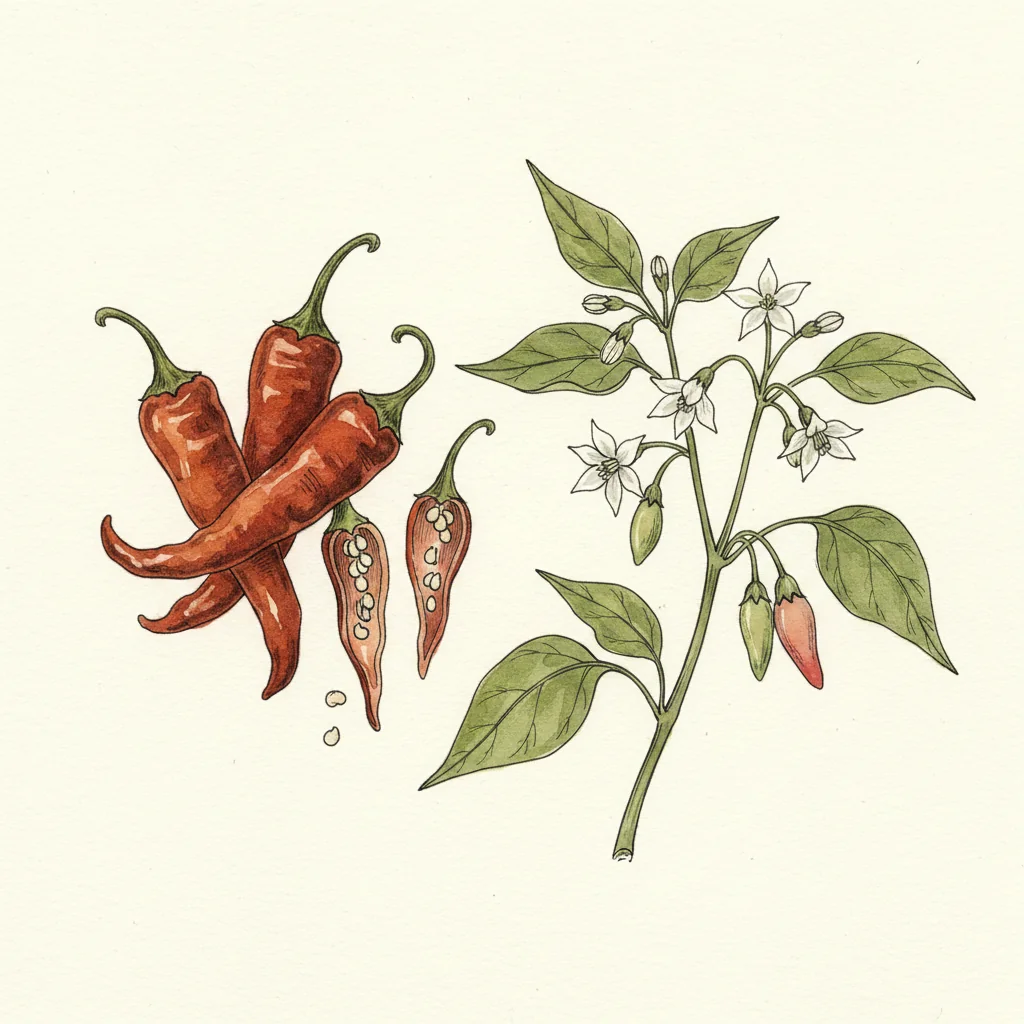
Spice · Chile
Calabrian Chili
Calabria — Diamante (Riviera dei Cedri) and the province of Cosenza, Italy
ripe-fruit heat · sun-dried tomato · smoky char
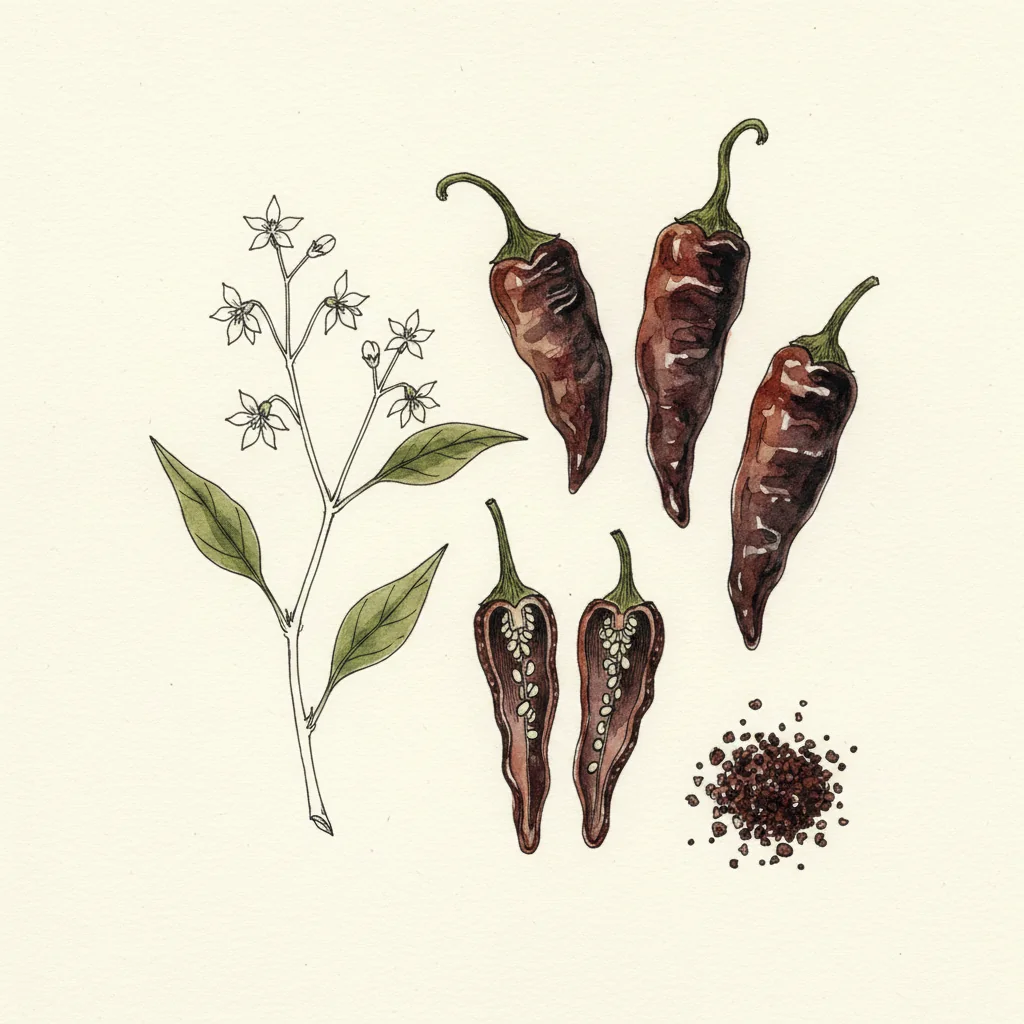
Spice · Chile
Urfa Biber
Şanlıurfa, southeastern Anatolia, Turkey
raisin · dark chocolate · tobacco
Our verdict
Calabrian for bright real heat, Urfa for dark raisin-chocolate flavor with barely any burn.
At a glance
| Criterion | Calabrian Chili | Urfa Biber |
|---|---|---|
| Origin | Italy — Calabria, Diamante and Cosenza (Capsicum annuum) | Turkey — Sanliurfa, southeastern Anatolia (Capsicum annuum) |
| Form | Crushed in olive oil, or dried flakes | Sweated, sun-cured dark flakes |
| Intensity | 6/10 — genuine, building heat | 3/10 — barely hot, flavor-forward |
| Main notes | Ripe-fruit heat, sun-dried tomato, smoky char | Raisin, dark chocolate, tobacco |
| Best use | Aglio e olio, arrabbiata, pizza, roasted greens, steak | Grilled lamb, eggs, roasted eggplant, hummus, chocolate desserts |
| Median price | ~$10 / 10 oz jar in oil | ~$9.50 / 50 g jar |
| Value | Crushed-in-oil jar does double duty; heat compounds | A flavor flake, not a heat flake; a jar lasts |
When to choose Calabrian Chili
Reach for Calabrian chili when you want real, bright, fruity heat. Capsicum annuum from Diamante and Cosenza is ripe-fruit warmth with a sun-dried-tomato sweetness and a smoky char, and unlike Urfa it actually brings the burn — genuine, building heat at around 6/10. It plays two ways depending on form: the crushed-in-oil paste blooms into hot fat at the start of cooking, which is the move for spaghetti aglio e olio, arrabbiata, pizza, roasted broccoli and charred greens, grilled or pan-seared steak, white beans and sausage; the dried flakes work as a finish. Either way the heat compounds, so go half a teaspoon of the oil paste per portion or a generous pinch of flakes, taste, and build from there rather than dumping it in. The crushed-in-oil jar earns its keep by doing double duty — chile and an infused, flavored oil in one. At about $10 for a 10 oz jar it's good value and keeps well refrigerated. What Calabrian chili won't give you is Urfa's dark, raisiny, near-mild character — this is a chile you reach for when you actually want heat on the plate, not a flavor flake you can pile on without consequence.
When to choose Urfa Biber
Reach for Urfa biber when you want dark, brooding chile flavor with almost no burn. Sweated and sun-cured Capsicum annuum from Sanliurfa, it tastes of raisin, dark chocolate and tobacco — deep, sweet, smoky and surprisingly low on heat at around 3/10, which is the whole reason to keep it. Because it barely burns, you can be generous: dusted over the plated dish or stirred into oil and butter off the heat, it finishes grilled lamb and kebabs, fried or poached eggs, roasted eggplant and squash, hummus and labneh, and crosses beautifully into dark-chocolate desserts and caramel where its raisiny depth shines. This is a finishing flake — one to two teaspoons for four people, roughly 2 g a portion — not a base spice you cook hard, since its character is built by that slow sun-curing and high heat would flatten it. The dark color and tobacco note tell you immediately it's not a heat chile; treat it as a flavor flake. At about $9.50 for a 50 g jar it's good value and a jar lasts, since you use it for character rather than firepower. What Urfa can't do is bring genuine heat — if you want a dish that actually bites, you want Calabrian chili. These two cured chiles look like cousins but pull a plate in opposite directions: one for fire, one for dark, near-sweet depth.
Where to buy?
Calabrian Chili
Links checked on
| Merchant | Price | Action |
|---|---|---|
| Amazon US (TuttoCalabria, crushed, 10 oz) | — | Amazon US (TuttoCalabria, crushed, 10 oz) |
| Burlap & Barrel | — | Burlap & Barrel |
Prices may vary depending on current promotions on the merchant site.
Urfa Biber
Links checked on
| Merchant | Price | Action |
|---|---|---|
| Burlap & Barrel (Black Urfa Chili) | — | Burlap & Barrel (Black Urfa Chili) |
| Amazon US | — | Amazon US |
| Sous Chef UK | — | Sous Chef UK |
Prices may vary depending on current promotions on the merchant site.
Frequently asked questions
- Which is hotter, Calabrian chili or Urfa biber?
- Calabrian, by a wide margin — around 6/10 with genuine, building heat. Urfa sits near 3/10 and is prized for flavor rather than burn. If a dish needs real fire, Calabrian; if you want depth without heat, Urfa.
- Can I swap one for the other?
- Not cleanly. Calabrian brings bright, fruity heat; Urfa brings dark, raisiny, near-mild depth. Swapping Urfa into a dish that needs fire leaves it flat, and Calabrian where you wanted Urfa adds a burn you didn't ask for.
- Does Urfa biber work in desserts?
- Yes — that's one of its best tricks. Its raisin and dark-chocolate notes and gentle heat make it a natural over dark-chocolate desserts and caramel. Calabrian's bright burn would fight a dessert; Urfa flatters it.
- How should I use the crushed-in-oil Calabrian jar?
- Bloom the paste in hot fat at the start of cooking for pasta, pizza or greens — it gives you chile and a flavored oil in one. Start with half a teaspoon per portion and build, since the heat compounds as you add.
The best pairings
With Calabrian Chili
Comparison prepared according to our methodology. Sponsored purchase links — see our affiliations.