
Comparison
Fleur de sel vs sel gris de Guerande: what's the difference?
Same peninsula, two layers, two jobs. Fleur de sel is the fine white crystal skimmed off the top, the finishing salt for tomatoes and caramel, about $11 for 125 g. Sel gris is raked off the grey clay floor below, the cooking salt for pasta water and brines, about $7 a kilo.
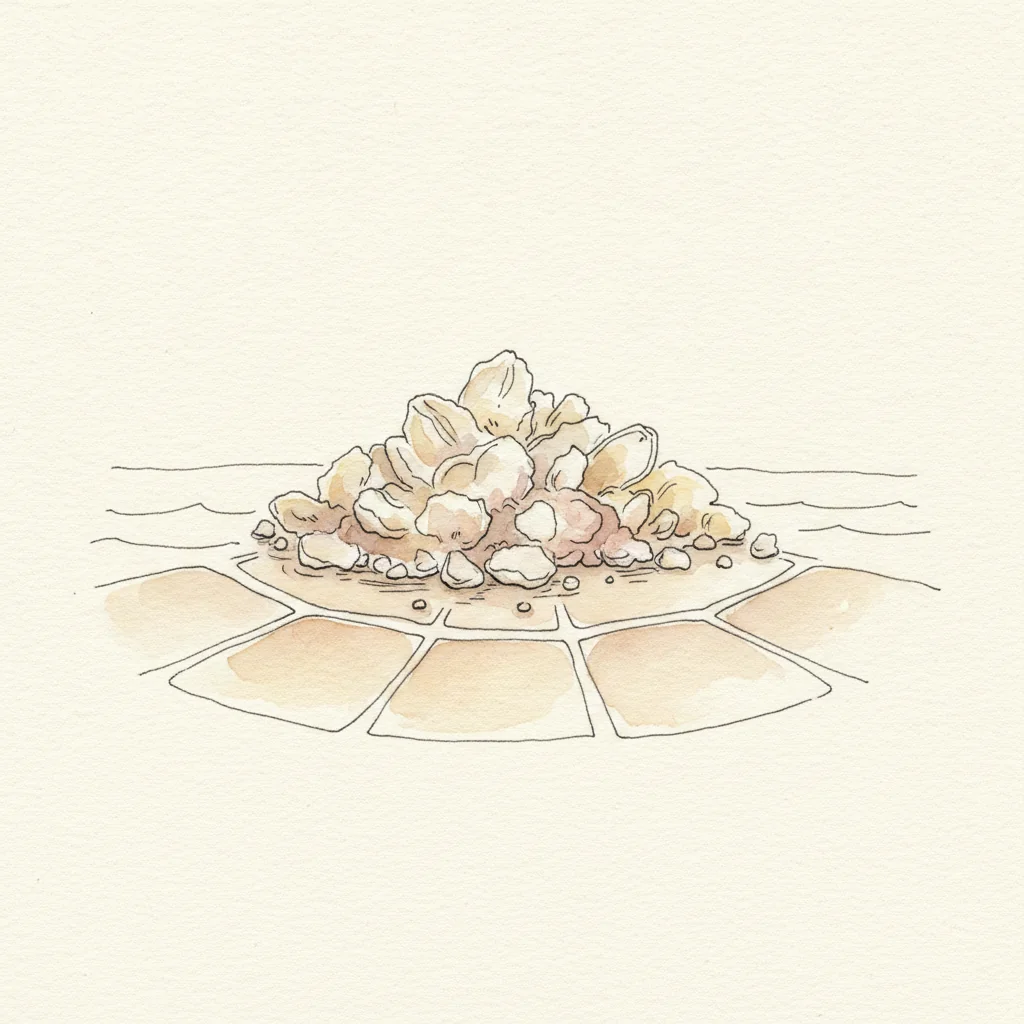
Salt · Fleur de sel
Fleur de Sel de Guérande
Guérande peninsula, Loire-Atlantique, France (PGI)
round salinity · light iodine · fresh violet
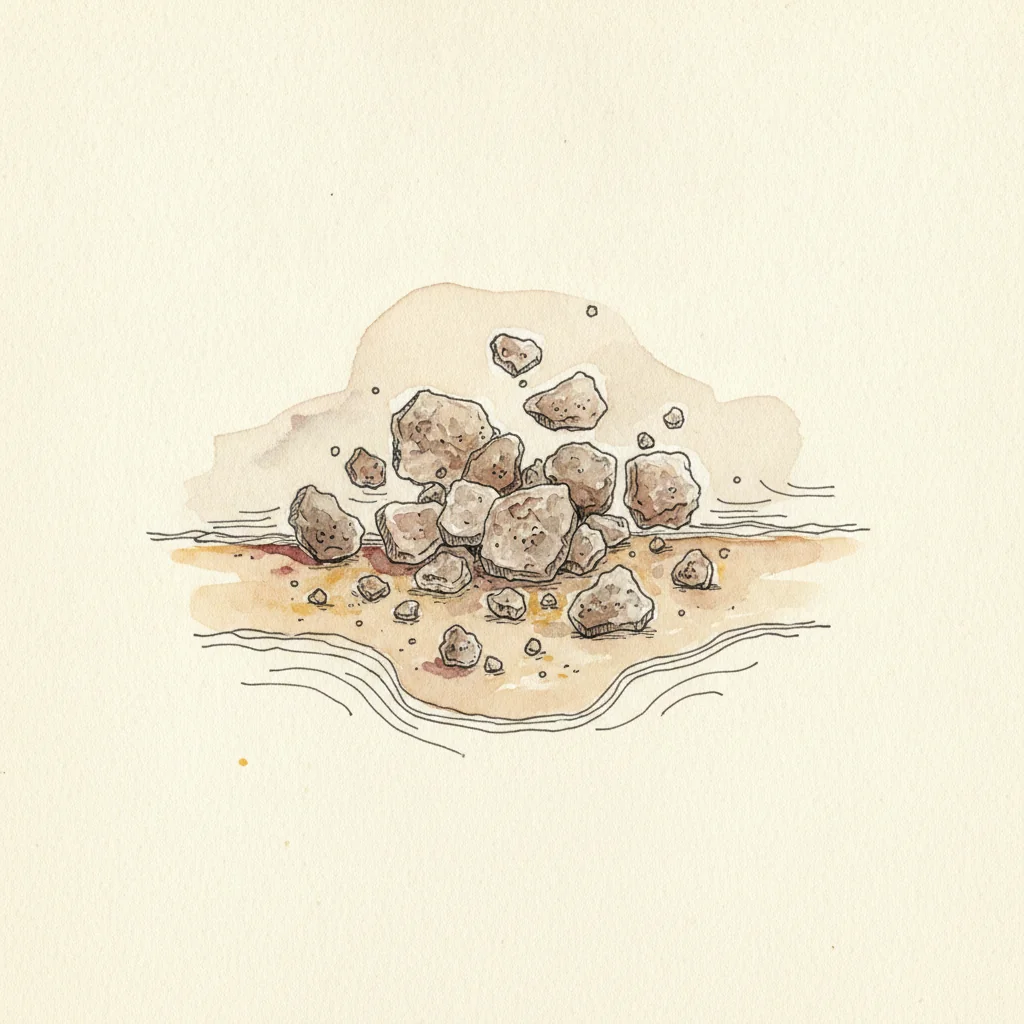
Salt · Grey sea salt
Sel Gris de Guérande
Guérande peninsula, Loire-Atlantique, France (PGI)
clean direct salinity · clay mineral · marine iodine
Our verdict
Sel gris to season and cook, fleur de sel to finish raw plates. Same pans, different layers.
At a glance
| Criterion | Fleur de Sel de Guérande | Sel Gris de Guérande |
|---|---|---|
| Origin | France, Guerande peninsula, Loire-Atlantique | France, Guerande peninsula, Loire-Atlantique |
| Status | PGI, skimmed off the top of the pans by paludiers | PGI, raked off the grey clay floor of the pans |
| Intensity | 6/10 - round salinity, faint violet | 7/10 - direct salinity, clay mineral, iodine |
| Texture | Fine moist white crystals that crunch softly and melt slow | Damp coarse grey crystals that dissolve slowly |
| Role | Finishing - raw, at the very end | Cooking - pasta water, stocks, brines, salting meat |
| Median price | ~$11 / 125 g box | ~$7 / 1 kg bag |
| Value | A splurge, worth it on raw plates for the melt and finish. | Real mineral depth at workhorse prices. Excellent value. |
When to choose Fleur de Sel de Guérande
Reach for fleur de sel when the plate is finished and raw, and you want a delicate crunch and a long, mineral finish. It's the fine, faintly damp white crystal that paludiers hand-skim from the very top of the Guerande salt pans, the lightest, purest layer, PGI-protected and prized precisely because it forms slowly and is gathered by hand. On the tongue it crunches softly and melts slowly, releasing a round salinity and a delicate iodine-and-violet note that the coarser grey salt from the same pans never carries. This is a finishing salt, full stop: use it raw, at the very end, a pinch crushed between the fingers just before serving. It shines on ripe tomatoes, on a soft-boiled egg, on beef tartare, on dark chocolate and salted-butter caramel, anywhere a few points of clean salinity and a slow melt lift the dish without dominating it. The white crystals also look the part on a plate where the grey grit of sel gris would be out of place, on a pale tartare or a chocolate dessert, appearance matters and fleur de sel is the clean, refined finish. Where fleur de sel is the wrong tool is anywhere heat or volume is involved, which is exactly sel gris's territory. Don't tip it into pasta or vegetable water, don't build a brine with it, don't salt a pot of stock with it: the crystals dissolve like any salt, the delicate iodine finish cooks off, and you've spent splurge money, about $11 for 125 g, on salinity a $7 kilo of sel gris would have given for a fraction of the cost. It's two to three times the price per gram of the grey salt, so reserve it for the plates where its melt and finish actually show. The clean way to think about the two Guerande salts is layers and jobs: sel gris is the cook's salt from the clay floor, fleur de sel is the finisher skimmed off the top. Season the pot with sel gris while the food cooks, then finish the plated, raw or rested dish with a pinch of fleur de sel. Most kitchens that care about Guerande keep both, the kilo bag of grey by the stove and the small box of white by the plate.
When to choose Sel Gris de Guérande
Choose sel gris for the cooking itself, this is the Guerande workhorse, the salt for the pot and the brine, not the finish. While fleur de sel is skimmed off the top of the pans, sel gris is raked from the grey clay floor below, which gives it its color, its dampness and its deeper mineral edge. The coarse, moist grey crystals dissolve slowly and carry a direct salinity rounded by their residual moisture, with a real clay-mineral and marine-iodine depth that a neutral cooking salt can't match. It's PGI-protected and hand-harvested like its white sibling, but it costs a fraction as much, about $7 a kilo against roughly $11 for 125 g of fleur de sel, so you can use it generously where salt does work rather than decoration. Reach for sel gris to salt pasta and vegetable water (about 10 g per liter), to season stocks and court-bouillon, to dry-brine meat before a sear (2 to 3 g per 100 g), to salt bread dough, to build brines and lacto-fermentations, even to pack a salt crust around a whole fish. Its slow dissolve and mineral depth give cooked food a rounder, less harsh salinity than refined table salt, and unlike fleur de sel, none of that character is wasted in heat because you want it dissolved into the dish, not crunching on top. Where sel gris is the wrong choice is the finish. Don't use it raw on a plate expecting a clean crunch: the crystals are coarse, damp and grey, so on a pale tomato or a chocolate dessert they look like grit and dissolve unevenly, where fleur de sel's fine white crystal gives a delicate, even melt and a refined appearance. Reach for fleur de sel there instead. And in fine pastry or anything that needs to stay translucent, the grey grit will show, so keep sel gris to the pot. The practical split with fleur de sel is layers and roles: sel gris from the clay floor is the cook's salt, fleur de sel from the surface is the finisher. They come from the same pans and the same paludiers, but they're not substitutes, one seasons the dish as it cooks, the other finishes the plate raw. For the everyday salting that good cooking is built on, sel gris is the better value and the right tool; keep the pricier fleur de sel for the final flourish.
Where to buy?
Fleur de Sel de Guérande
Links checked on
| Merchant | Price | Action |
|---|---|---|
| Amazon US | — | Amazon US |
Prices may vary depending on current promotions on the merchant site.
Sel Gris de Guérande
Links checked on
| Merchant | Price | Action |
|---|---|---|
| Amazon US | — | Amazon US |
| Sous Chef UK | — | Sous Chef UK |
Prices may vary depending on current promotions on the merchant site.
Frequently asked questions
- What's the actual difference between fleur de sel and sel gris?
- It's the layer they're harvested from in the same Guerande pans. Fleur de sel is the fine white crystal skimmed off the very top, a delicate finishing salt. Sel gris is raked off the grey clay floor below, which gives it color, dampness and deeper minerality, the cooking and brining salt. Same origin, two jobs.
- Why is fleur de sel so much more expensive?
- Because it forms slowly as a thin layer on the surface and must be hand-skimmed in small amounts, while sel gris is raked from the abundant floor of the pans. That scarcity puts fleur de sel at roughly $11 for 125 g against about $7 a kilo for sel gris, two to three times the price per gram.
- Can I cook with fleur de sel or finish with sel gris?
- You can, but both waste the salt. Cooking dissolves fleur de sel's delicate finish, so you've spent splurge money for plain salinity. Finishing raw with sel gris gives you grey grit and an uneven melt where you wanted a clean crunch. Season with sel gris, finish with fleur de sel.
- If I buy one Guerande salt, which?
- Sel gris, for most cooks. At about $7 a kilo it's the everyday workhorse for pasta water, brines and seasoning, and it gives cooked food a rounder salinity than table salt. Add fleur de sel later as the splurge finisher for raw tomatoes, tartare and caramel, where its slow melt earns the premium.
The best pairings
With Fleur de Sel de Guérande
With Sel Gris de Guérande
Comparison prepared according to our methodology. Sponsored purchase links — see our affiliations.