
Comparison
Green peppercorns vs sansho — which fresh pepper?
These aren't interchangeable. Green peppercorns are unripe Piper nigrum in brine — juicy, grassy heat for a cream sauce. Sansho is a Zanthoxylum: no real heat, just a cool citrus tingle over grilled eel or udon. Want a sauce with bite, buy green. Want a finishing lift, buy sansho.
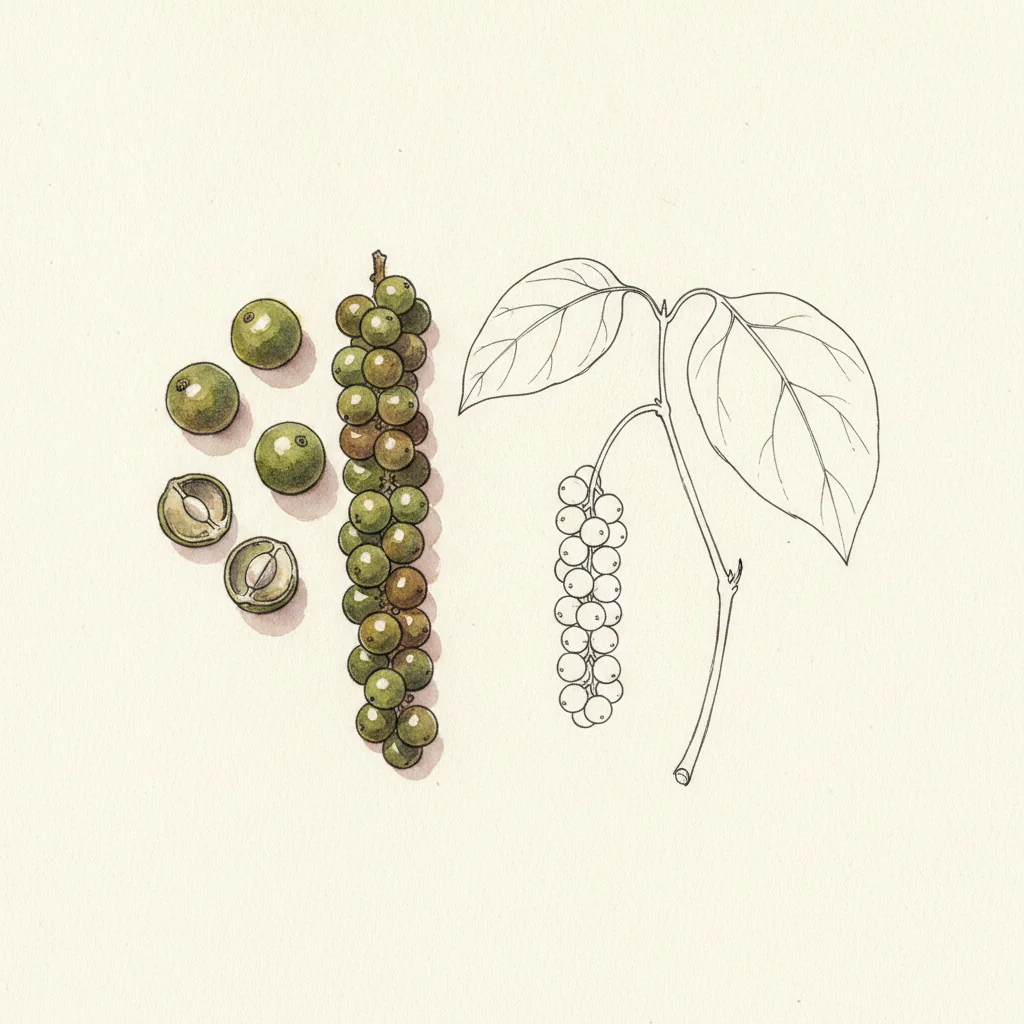
Pepper · Green pepper
Green Peppercorns
East coast, plantations around Antalaha, Madagascar
cut grass · fresh green pepper · briny tang
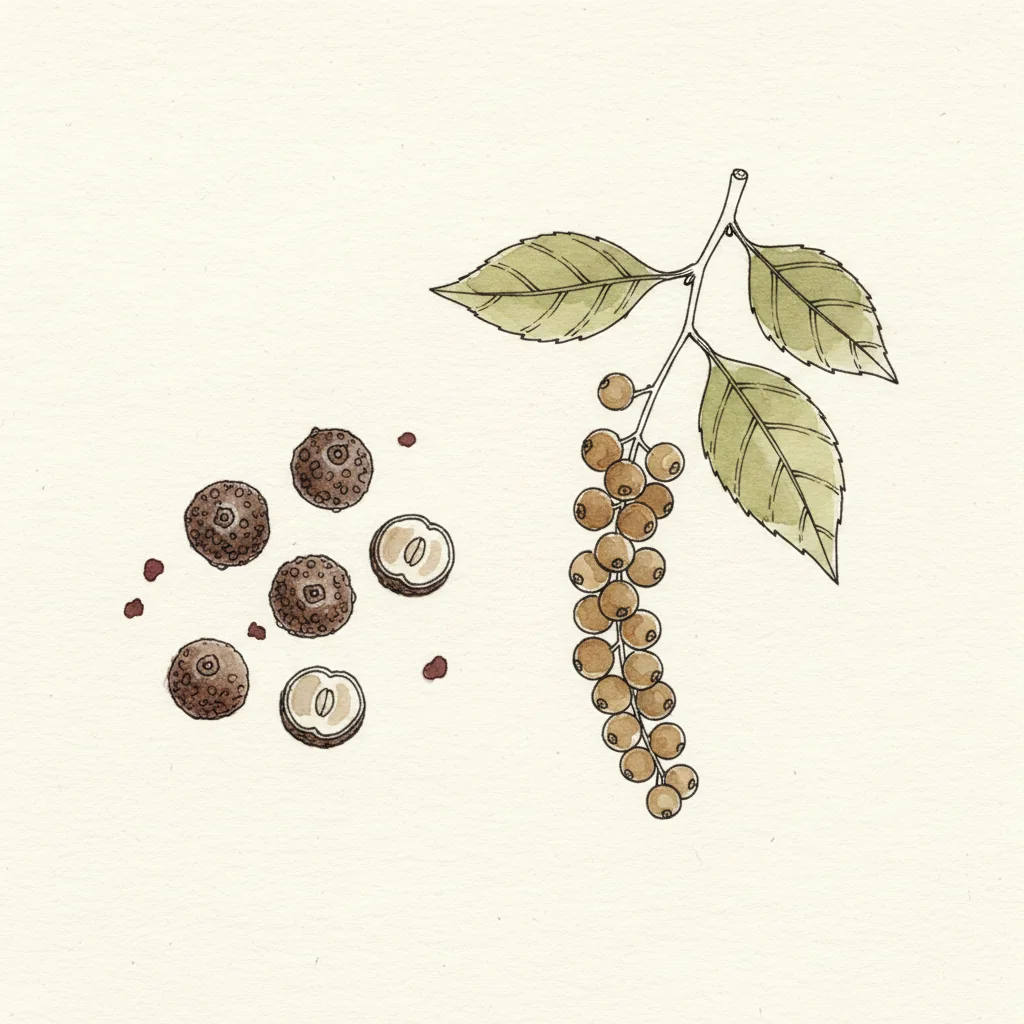
Pepper · Pepper cousin
Sansho
Arima, Wakayama Prefecture, island of Honshu, Japan
yuzu zest · green shiso leaf · spearmint
Our verdict
Green for a peppercorn cream sauce; sansho to finish grilled fish.
At a glance
| Criterion | Green Peppercorns | Sansho |
|---|---|---|
| Origin | Madagascar, east-coast plantations around Antalaha | Japan, Arima in Wakayama Prefecture, Honshu |
| Family | Piper nigrum (true pepper), picked unripe | Zanthoxylum (not a true pepper) |
| Heat | 6/10 — fresh, juicy piperine heat | 1/10 — almost no heat, a numbing tingle instead |
| Main notes | Cut grass, celery stalk, green-pepper bite | Yuzu zest, green shiso, green apple, cool tingle |
| Best use | Cream peppercorn sauce, steak au poivre, pâté | Dusted raw over grilled eel, udon, white-fish sashimi |
| Median price | About $10 / 100g jar (in brine) | About $12 to $16 / small jar |
| Value | Cheap and irreplaceable for one job: the sauce | Worth it, but only fresh — it fades fast |
When to choose Green Peppercorns
Buy green peppercorns the moment a cream peppercorn sauce is on the table. They're the unripe Piper nigrum berry, picked early and packed in brine, which is why they keep that juicy snap and grassy, celery-stalk bite that dried black pepper loses. Drain a tablespoon, crush them lightly with the back of a fork, and fold them into a pan deglazed with brandy and cream off the steak you just seared — that's steak au poivre done properly, and no dried pepper gets you there. They also carry a chunky country pâté, a green peppercorn butter for grilled fish, or a quick sauce over pan-fried duck breast. The grain matters: buy them in brine, not freeze-dried, because the brine is what holds the snap. A 100g jar runs about $10 and lasts months in the fridge once opened. The catch with green peppercorns is heat handling — they bring real piperine warmth, so taste before you add a second spoonful, especially in a reduction where the cream concentrates everything. Use them where you want pepper to be the loud, juicy event, not a quiet seasoning. If your dish needs a top-note lift rather than a sauce with bite, this is the wrong berry — reach for sansho instead.
When to choose Sansho
Reach for sansho when you want a fresh lift, not heat. It's the Japanese soul of the Zanthoxylum family — the same genus as Sichuan pepper but cooler, finer, and without the lip-buzzing aggression. Where green peppercorns bite, sansho tingles: a quiet numbing prickle wrapped in yuzu zest, green shiso and green apple. That's why it lands on grilled eel (unagi), a bowl of udon, white-fish sashimi or a clear dashi — anywhere a true pepper's heat would bulldoze a delicate dish. Dust it on at the very end, off the heat, a pinch per portion. The catch with sansho is freshness, not strength: ground sansho loses its aromatics within months, so buy a small jar, store it sealed and dark, and replace it once a year. The Arima version from Wakayama is the benchmark. Expect about $12 to $16 for a small jar — more than supermarket pepper, but you use it by the pinch and a little carries a plate. Never put sansho in a sauce you'll simmer; heat kills the volatile citrus oils that are the real appeal, exactly the opposite of how you'd treat green peppercorns in a reduction. Sansho is a finishing spice, full stop. If you need pepper to do work in the pan, this isn't it — buy green peppercorns and let sansho stay on the plate.
Where to buy?
Green Peppercorns
Links checked on
| Merchant | Price | Action |
|---|---|---|
| Amazon US | — | Amazon US |
| Sous Chef UK | — | Sous Chef UK |
Prices may vary depending on current promotions on the merchant site.
Sansho
Links checked on
| Merchant | Price | Action |
|---|---|---|
| Amazon US | — | Amazon US |
| Sous Chef UK | — | Sous Chef UK |
Prices may vary depending on current promotions on the merchant site.
Frequently asked questions
- Can I swap sansho for green peppercorns in a cream sauce?
- No. Green peppercorns bring juicy heat that holds up in a simmered cream reduction; sansho brings a cool citrus tingle that heat destroys in under a minute. They do opposite jobs. Use green in the pan, sansho on the finished plate.
- Is sansho the same as Sichuan pepper?
- Same family (Zanthoxylum), different species and character. Sansho is cooler, finer and more citrus-forward, with less of the aggressive lip-buzz. If a recipe wants Sichuan's punch, sansho will read too gentle; if it wants a refined lift over fish, sansho wins.
- Why are green peppercorns sold in brine?
- Because the brine is what keeps them fresh and snappy. Dried or freeze-dried green peppercorns lose the grassy, juicy quality that makes them worth buying. For steak au poivre or a peppercorn sauce, always buy the jarred-in-brine version and drain just before use.
- Which is the better value?
- Green peppercorns at about $10 a jar are cheap and irreplaceable for one specific job — the cream sauce. Sansho costs more per gram but you use it by the pinch. Neither replaces the other, so it's less about value than about which dish you're cooking.
The best pairings
With Green Peppercorns
With Sansho
Comparison prepared according to our methodology. Sponsored purchase links — see our affiliations.