
Comparison
Saffron vs turmeric: can turmeric replace saffron?
No, turmeric can't replace saffron. They share a golden color and nothing else. Iranian Sargol saffron is a dry, honeyed, faintly iodine aromatic you bloom for paella and risotto. Pragati turmeric is a warm, earthy, bitter base for dals and curries. Buy saffron for its perfume; buy turmeric for everyday earthy color.
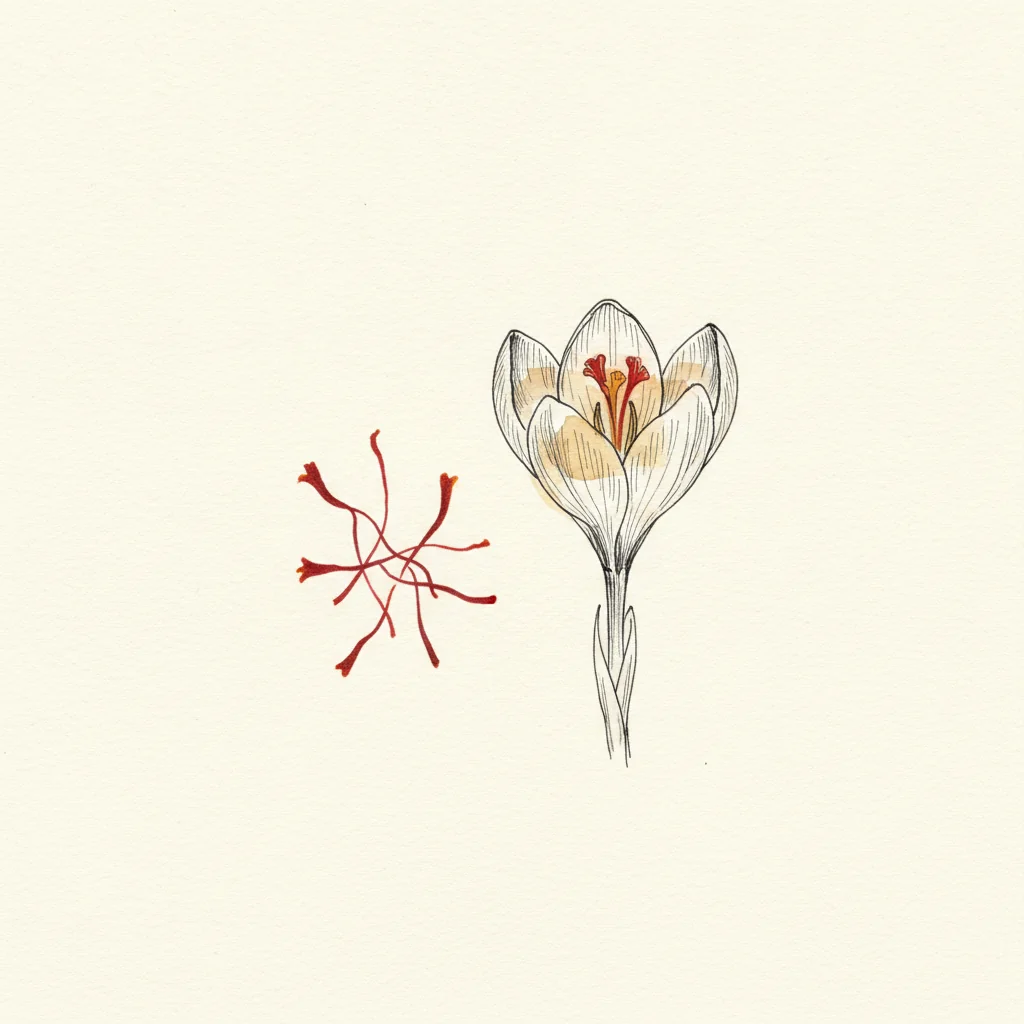
Spice · Saffron
Iranian Saffron (Sargol)
Khorasan, around Torbat-e Heydarieh, Ghaen and Birjand, Iran
dry honey · warm hay · sea iodine
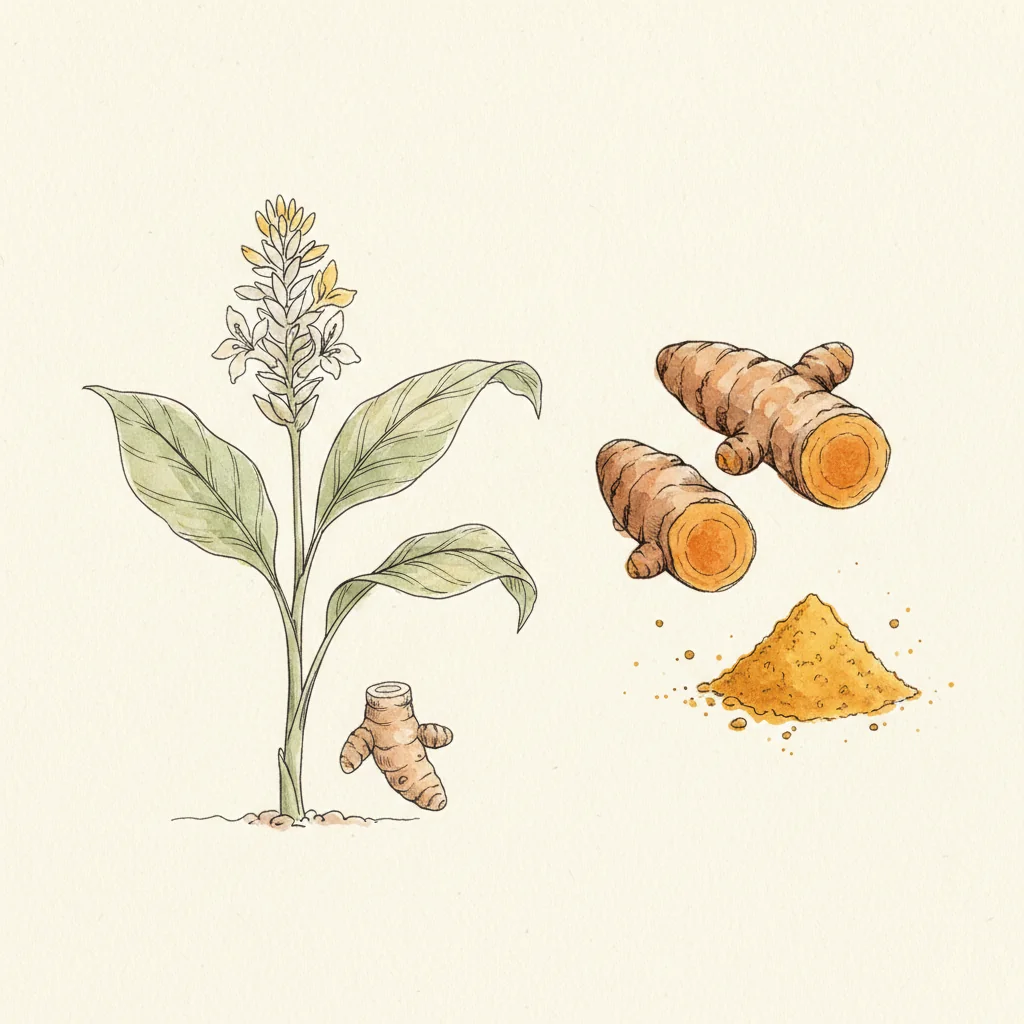
Spice · Spice root
Pragati Turmeric
near Vijayawada, Andhra Pradesh, India
warm earth · fresh ginger · bitter orange peel
Our verdict
Saffron for aroma and color; turmeric for everyday earthy base — not a substitute.
At a glance
| Criterion | Iranian Saffron (Sargol) | Pragati Turmeric |
|---|---|---|
| Profile | Dry honey, warm hay, sea iodine, leather, noble bitterness | Warm earth, fresh ginger, bitter orange peel, faint resin |
| Intensity | 9/10 — dry, elegantly bitter, slow warmth, very long finish | 7/10 — clinging, slightly bitter warmth that coats the tongue |
| Price | ~$11 per gram | ~$10 for a 48 g tin |
| Best use | Bloomed for paella, risotto milanese, tagine, biryani, ice cream | Bloomed early into dals, curries, rice bases, roasted vegetables |
When to choose Iranian Saffron (Sargol)
Reach for Iranian saffron when you want aroma, not just color — the gold is a side effect, the perfume is the point. This is Sargol grade from Khorasan: pure red stigma tips, no yellow style, and at 9/10 a dry, honeyed, hay-and-sea-iodine aroma with a noble bitterness and an enormous finish. Four jobs it owns. First, paella, where saffron is the defining note, not an accent. Second, risotto alla milanese, the dish built entirely around it. Third, tagines and biryani, where its honeyed warmth lifts the meat and rice. Fourth, saffron ice cream and sweet infusions, where the perfume shines against cream and sugar. The technique is non-negotiable: steep first. Bloom the threads in a little warm liquid for 20 to 30 minutes before you cook with them — saffron is water-soluble and needs that soak to give up its color and aroma. Throw dry threads into a pot and you waste half. A pinch is all you need; this is the most expensive spice on earth at around $11 a gram, but a gram seasons many dishes, so per-plate it's reasonable. Buy Sargol (all-red tips) over cheaper grades with yellow style mixed in, in an opaque jar or tin, kept dark, dry and cool — it holds 2 to 3 years with no real loss, and the aroma keeps developing for the first six months after drying. Keep it off already heavily spiced dishes, where its subtlety gets lost.
When to choose Pragati Turmeric
Reach for Pragati turmeric when you want everyday earthy warmth and color, not a luxury aromatic. This is single-origin heirloom turmeric, grown by the Kasaraneni family near Vijayawada in Andhra Pradesh, and at 7/10 it's a clinging, slightly bitter warmth — warm earth, fresh ginger, bitter orange peel — that coats the tongue rather than biting. Four jobs it owns. First, dals and lentil stews, where turmeric is the foundational color and earthy base. Second, vegetable and bean curries, the daily Indian workhorses. Third, rice pilafs and biryani bases. Fourth, roasted cauliflower and potatoes, plus golden milk lattes. The technique that matters: add it early, bloomed in hot fat or stirred into a base so the raw bitterness cooks off — raw turmeric dusted on at the end tastes harsh and chalky. This is not a saffron substitute. People reach for it because both go gold, but turmeric is earthy and bitter where saffron is honeyed and floral; swap it into a paella and you get a muddy, bitter dish, not a cheaper version of the original. Where it does win is value and freshness: a 48 g tin runs about $10, and single-origin turmeric is far more aromatic than the dusty supermarket kind. Color is your gauge — vivid saffron-orange means fresh, a fade toward dull mustard means the curcumin and aromatics are going. Best within 12 months of opening.
Where to buy?
Iranian Saffron (Sargol)
Links checked on
| Merchant | Price | Action |
|---|---|---|
| Amazon US | — | Amazon US |
| Slofoodgroup | — | Slofoodgroup |
| Sous Chef UK | — | Sous Chef UK |
Prices may vary depending on current promotions on the merchant site.
Pragati Turmeric
Links checked on
| Merchant | Price | Action |
|---|---|---|
| Amazon US | — | Amazon US |
| Diaspora Co. | — | Diaspora Co. |
Prices may vary depending on current promotions on the merchant site.
Frequently asked questions
- Can turmeric replace saffron?
- No. They share only the gold color. Saffron is honeyed, floral and aromatic; turmeric is earthy and bitter. Substituting turmeric gives a muddy, bitter dish, not a budget version of a saffron one.
- Why is saffron so expensive?
- It's hand-harvested stigma tips — thousands of flowers per gram. At around $11 a gram it's the priciest spice on earth, but a single gram seasons many dishes, so the per-plate cost is modest.
- Do I prepare them the same way?
- No. Saffron you bloom in warm liquid for 20 to 30 minutes before cooking. Turmeric you add early, bloomed in hot fat so its raw bitterness cooks off. Different timing, different jobs.
- Which lasts longer?
- Saffron, easily — 2 to 3 years with no real loss, and its aroma even develops for six months after drying. Turmeric is best within a year of opening before the color and aroma fade.
The best pairings
With Iranian Saffron (Sargol)
With Pragati Turmeric
Comparison prepared according to our methodology. Sponsored purchase links — see our affiliations.