
Comparison
Persian blue vs Hawaiian red Alaea salt — which finishing salt?
Both are finishing salts, but their color comes from different things. Persian Blue gets its indigo from natural sylvinite and belongs on foie gras or raw scallops. Hawaiian Alaea gets its copper hue from iron-rich volcanic clay and belongs on poke and kalua pork. Precious plate, buy blue; island cooking, buy red.
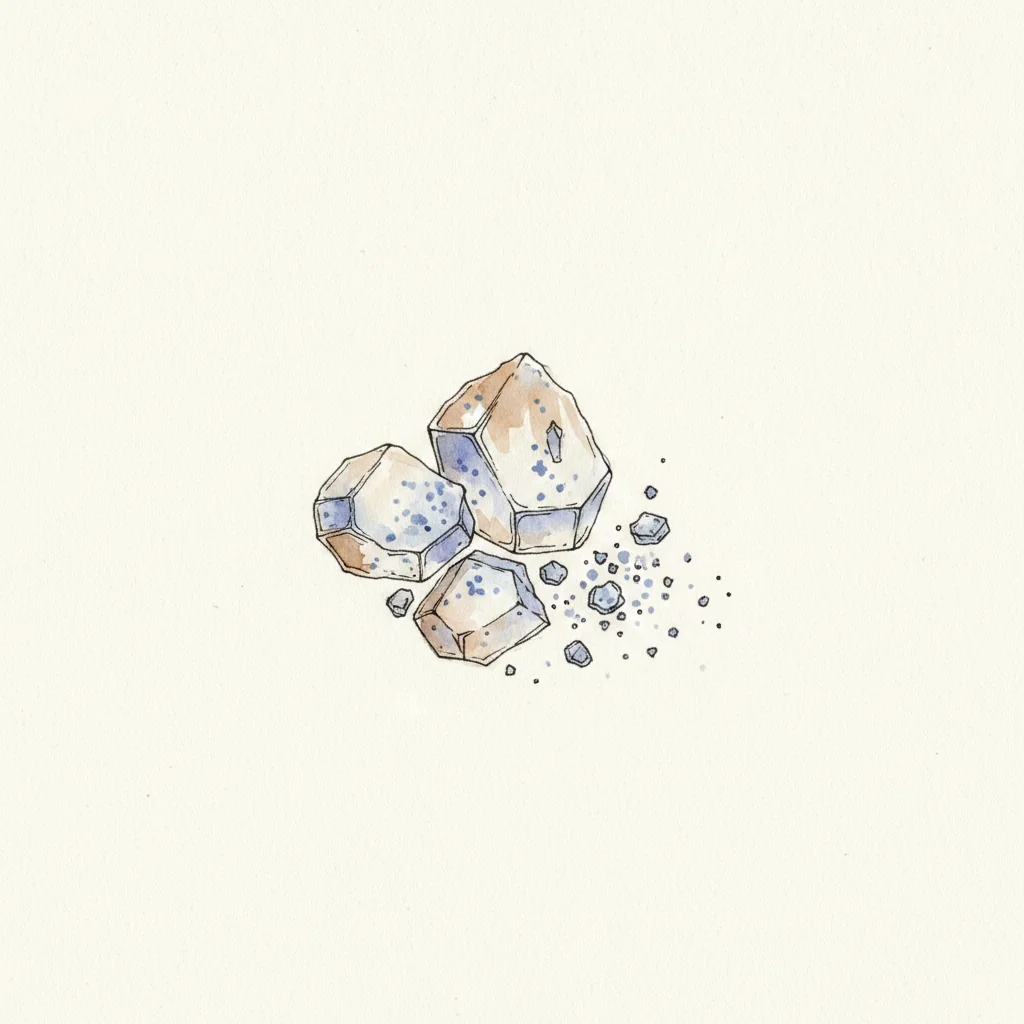
Salt · Rock salt
Persian Blue Salt
Semnan province, central desert mines, Iran
round salinity · clean mineral · cold stone
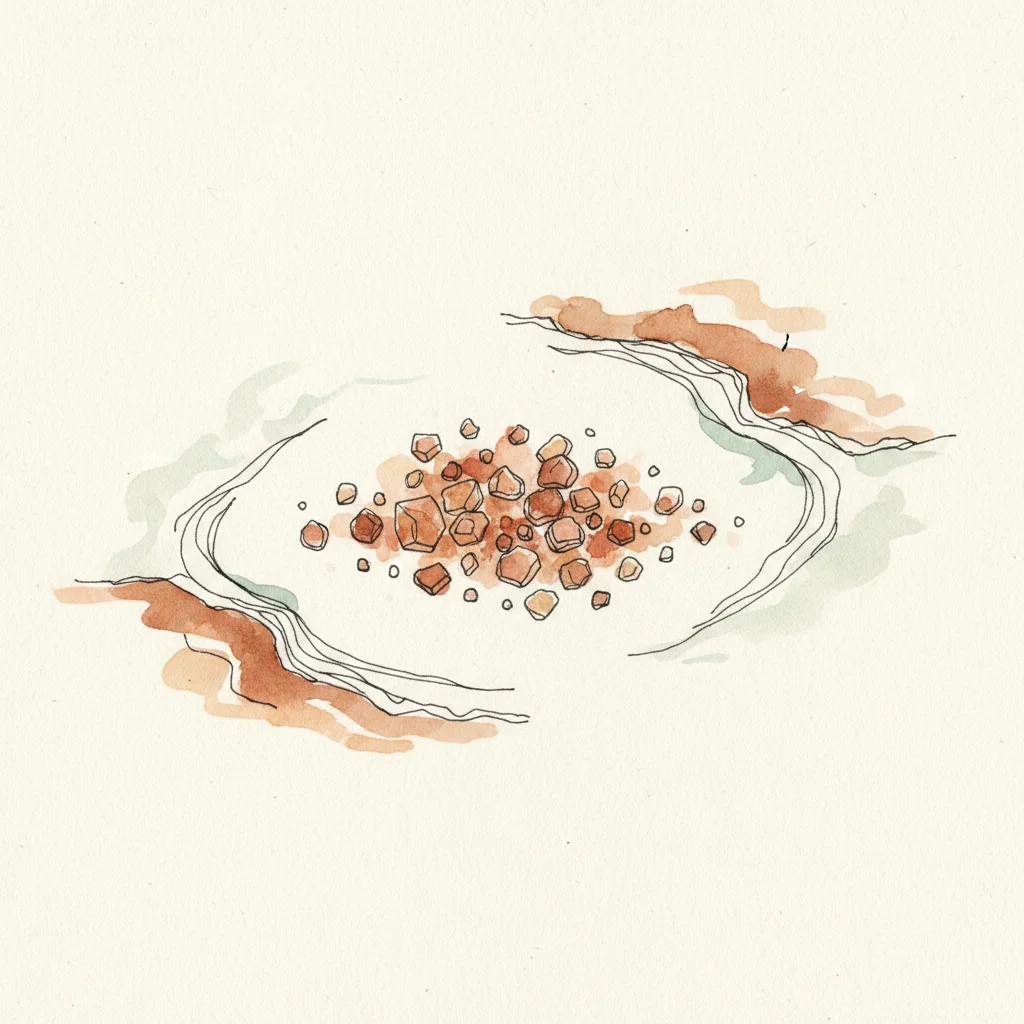
Salt · Seasoned salt
Hawaiian Red Alaea Salt
Hawaiian Islands, island of Kauai, United States
soft, round saltiness · iron-mineral edge · red-earth note
Our verdict
Persian Blue for precious raw plates; Alaea for Hawaiian dishes.
At a glance
| Criterion | Persian Blue Salt | Hawaiian Red Alaea Salt |
|---|---|---|
| Origin | Iran, Semnan province desert mines | United States, island of Kauai, Hawaii |
| Color source | Natural sylvinite (potassium mineral bending light) | Alaea, iron-rich red volcanic clay |
| Profile | Round salinity, faint metallic edge, quiet umami | Soft mineral, faintly earthy, crunch then melt |
| Intensity | Refined and quiet — for the precious end of the plate | Mineral and grounding — a ritual cooking salt |
| Best use | Foie gras, raw scallops, white truffle | Poke, kalua pork, Hawaiian plates |
| Median price | About $13 to $15 / 100g jar | Moderate — a working specialty salt, not a luxury jar |
| Value | Splurge, justified on a precious raw plate | Worth it for authenticity in island cooking |
When to choose Persian Blue Salt
Choose Persian Blue salt when the plate is precious and raw and you want a salt that's as much jewel as seasoning. It's one of the rarest salts on earth, mined in the Iranian desert province of Semnan, and the pale-blue-to-indigo color isn't dye — it's natural sylvinite, a potassium mineral that bends light inside the crystal. The salinity is round with a faint metallic edge and a quiet umami close, which is exactly why it lands on the delicate, expensive end of the plate: a slice of foie gras, raw scallops, a shaving of white truffle, a tartare. Crush a few crystals over the finished plate just before it goes out — this is a finishing salt, full stop, and putting it in the pot wastes both the color and the price. Expect around $13 to $15 for a small 100g jar, which is splurge territory, but you use it crystal by crystal and the visual drama earns its place on a special plate. The catch is treating it as a workhorse: it's too costly and too quiet for everyday salting, and its real value is the combination of that indigo flash and a soft, mineral close on something worth photographing. If your dish is Hawaiian — poke, kalua pork — this is the wrong salt, because the blue reads alien there and the dish wants the earthy red clay note instead.
When to choose Hawaiian Red Alaea Salt
Reach for Hawaiian Red Alaea salt when you're cooking Hawaiian and want the real thing. It's Pacific sea salt blended during crystallization with alaea, an iron-rich red volcanic clay from the islands, which gives it a burnt-orange to copper color and a soft mineral, faintly earthy edge that plain table salt can't touch. This is the ritual salt of Hawaiian cooking — the soul of poke and kalua pork — and it still carries ceremonial weight on the islands, so using it is partly about authenticity, not just seasoning. As a finish it crunches first, then melts, which makes it good over cubed raw tuna for poke, sprinkled on slow-roasted pork, or finishing rice and grilled fish. Add it at the end so the crunch survives; the clay note is subtle, not aggressive, so it grounds a dish rather than dominating it. It sits in the moderate range for a specialty salt — a working salt, not a luxury jar — which is right, because you actually cook with it rather than rationing it crystal by crystal. The catch is expecting drama: the color is warm and earthy, not the photogenic indigo flash of Persian Blue, and the flavor is grounding rather than refined. If your plate is foie gras or raw scallops at a special dinner, this is the wrong salt — that precious, quiet job belongs to the blue.
Where to buy?
Persian Blue Salt
Links checked on
| Merchant | Price | Action |
|---|---|---|
| Amazon US | — | Amazon US |
| Persian Basket | — | Persian Basket |
| Sous Chef UK | — | Sous Chef UK |
Prices may vary depending on current promotions on the merchant site.
Hawaiian Red Alaea Salt
Links checked on
| Merchant | Price | Action |
|---|---|---|
| Amazon US (Salt Traders) | — | Amazon US (Salt Traders) |
| The Spice House | — | The Spice House |
| Sous Chef UK | — | Sous Chef UK |
Prices may vary depending on current promotions on the merchant site.
Frequently asked questions
- Is Persian Blue salt naturally blue?
- Yes. The pale-blue-to-indigo color comes from natural sylvinite, a potassium mineral in the crystal that bends light — not from any dye. It's mined in Iran's Semnan desert, and the rarity plus the color are why it costs around $13 to $15 for a small 100g jar.
- Can I cook with either of these salts?
- Persian Blue is strictly a finishing salt — cooking it away wastes the color and the price. Alaea is more forgiving and is genuinely used in Hawaiian cooking, but it shines as a finish too, where its crunch survives. Add both at the end for the best of each.
- What gives Alaea salt its red color?
- Alaea, an iron-rich red volcanic clay from the Hawaiian islands, blended into the salt during crystallization. The iron oxide turns the crystals burnt-orange to copper and adds a soft, faintly earthy mineral note. It's the same clay tradition behind the salt's ceremonial role on the islands.
- Which is the better value?
- Different jobs, different value. Persian Blue at $13 to $15 a small jar is a splurge you ration onto precious raw plates. Alaea is a moderately priced working salt you actually cook and finish with in Hawaiian dishes. Buy by the dish you're making, not the price tag.
The best pairings
With Persian Blue Salt
With Hawaiian Red Alaea Salt
Comparison prepared according to our methodology. Sponsored purchase links — see our affiliations.