
Dish × condiment pairing
Best finishing salt for foie gras?
Season : winter, all-year · Occasion : holiday, special occasion, fine dining
Persian blue salt. It's the classic luxury finish: rare, translucent blue crystals on the seared lobe look extraordinary, and the round salinity with a long mineral finish and quiet umami close matches the richness of foie gras without overpowering it. Add a few crystals at the very end, off the heat, so the blue and the crunch hold.
In detail
The best finishing salt for seared foie gras is Persian blue salt, a rare and precious crystal for the precious end of the plate. Mined in the Iranian desert, its translucent pale-blue color comes from natural sylvinite bending light, so a few crystals on the golden seared lobe look as luxurious as the dish costs. On flavor it earns the place too: the salinity is round and stretches out rather than spiking, with a long, clean mineral persistence and a quiet umami close that cuts the fat and matches the richness without overpowering the delicate liver. It's strictly a finishing salt, since salting before the sear draws out fat and a flake thrown into the hot pan melts; a few crystals go on raw, at the very end, off the heat, for crunch and accent. Expect about $13 to $15 for a small 100 g jar. Fleur de sel is the softer, traditional French alternative.
Our recommendation
Salt · Rock salt
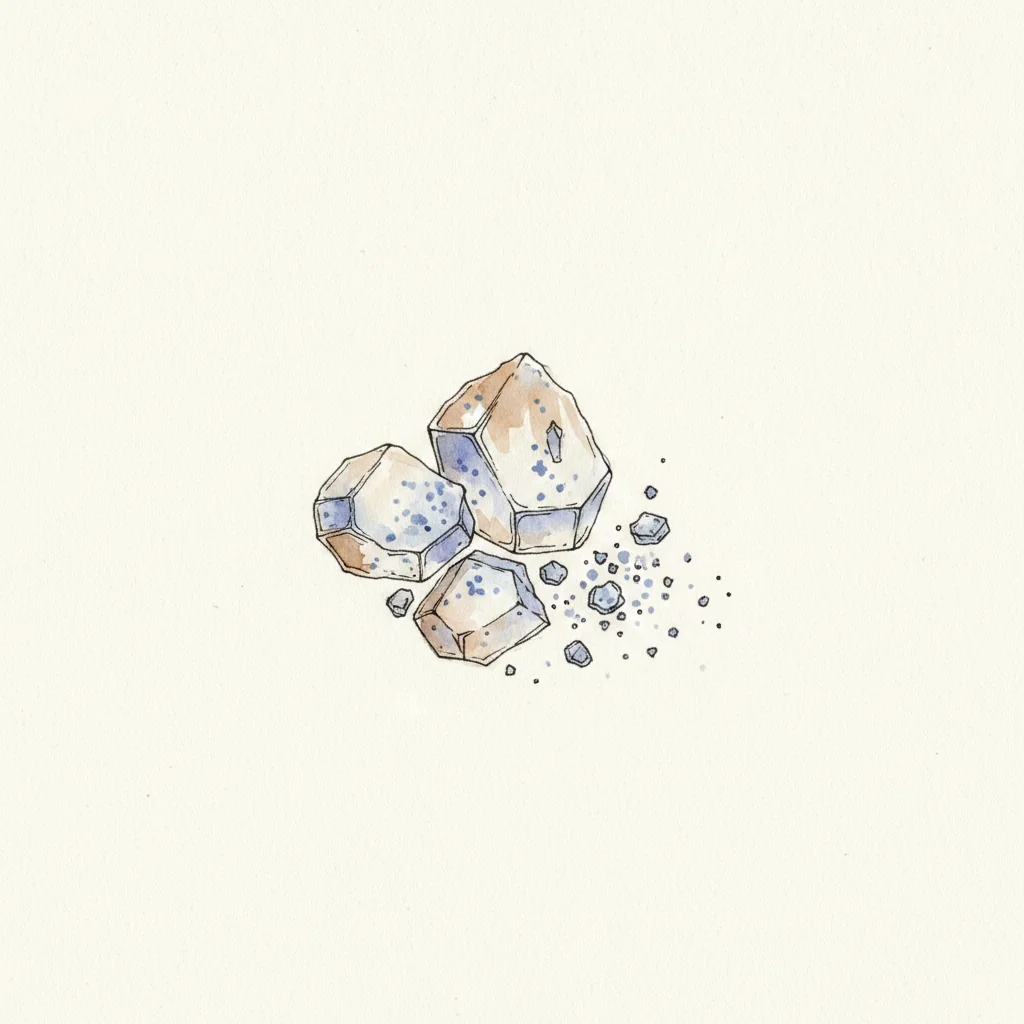
Persian Blue Salt
Semnan province, central desert mines, Iran
round salinity · clean mineral · cold stone
Persian blue salt is made for foie gras: a rare, precious finish for the precious end of the plate. Its round salinity stretches out rather than spiking, with a long, clean mineral persistence and a quiet umami close, which cuts the fat and matches the richness without overpowering the delicate lobe. The translucent blue crystals on the golden seared surface look as luxurious as the dish costs. It's a finishing salt: a few crystals go on raw, at the very end, off the heat.
Intensity 7/10
Where to buy it
Links checked on
| Merchant | Price | Action |
|---|---|---|
| Amazon US | — | Amazon US |
| Persian Basket | — | Persian Basket |
| Sous Chef UK | — | Sous Chef UK |
Prices may vary depending on current promotions on the merchant site.
Affiliate links — La Pincée may earn a commission on some sales, at no extra cost to you. Read more.
The catch
Foie gras almost always meets fleur de sel, and that's the safe, traditional call. Persian blue is the one that makes the plate stop the table. It isn't dyed; the blue is sylvinite bending light, and translucent crystals on the seared golden lobe look like the dish costs, which it does. The salinity stretches long with a quiet umami close that cuts the fat rather than stacking salt on richness. When the dish is already a splurge, finish it like one.
Chef's note
Salt the plate, never the pan. Salting the lobe before it sears bleeds fat and a finishing crystal dropped into the hot pan just melts, so the blue waits. Sear the foie gras hard and fast on a screaming dry pan, thirty to forty seconds a side until caramelized, rest it a beat on the plate, then place a few blue crystals on top while it's still glistening. A few, not a scatter: you're accenting the richness and showing the crystal, not seasoning a roast.
Tasting note
round stretched salinity · long clean mineral · quiet umami close · about $13 to $15 for a small 100g jar, and at a few crystals per plate it finishes many. A splurge salt for a splurge dish. Worth it.
These three sections appear on every one of our pairing pages — our methodology.
Alternatives to explore
-
Salt · Fleur de sel
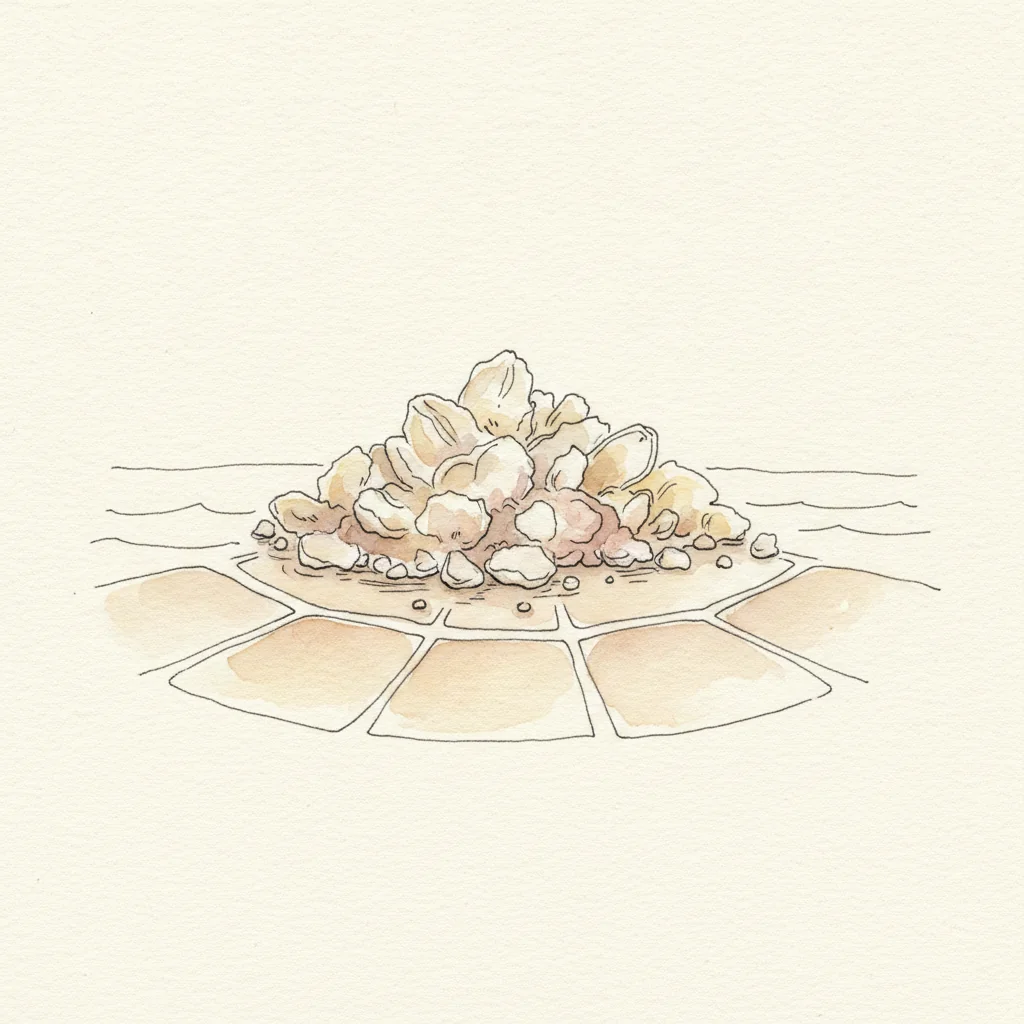
Fleur de Sel de Guérande
Guérande peninsula, Loire-Atlantique, France (PGI)
Intensity 6/10
Fleur de sel is the traditional French finish for foie gras, a soft delicate melt with a rounder salinity. Choose it for the classic pairing over the rare blue crystal's drama.
-
Salt · Flaky sea salt
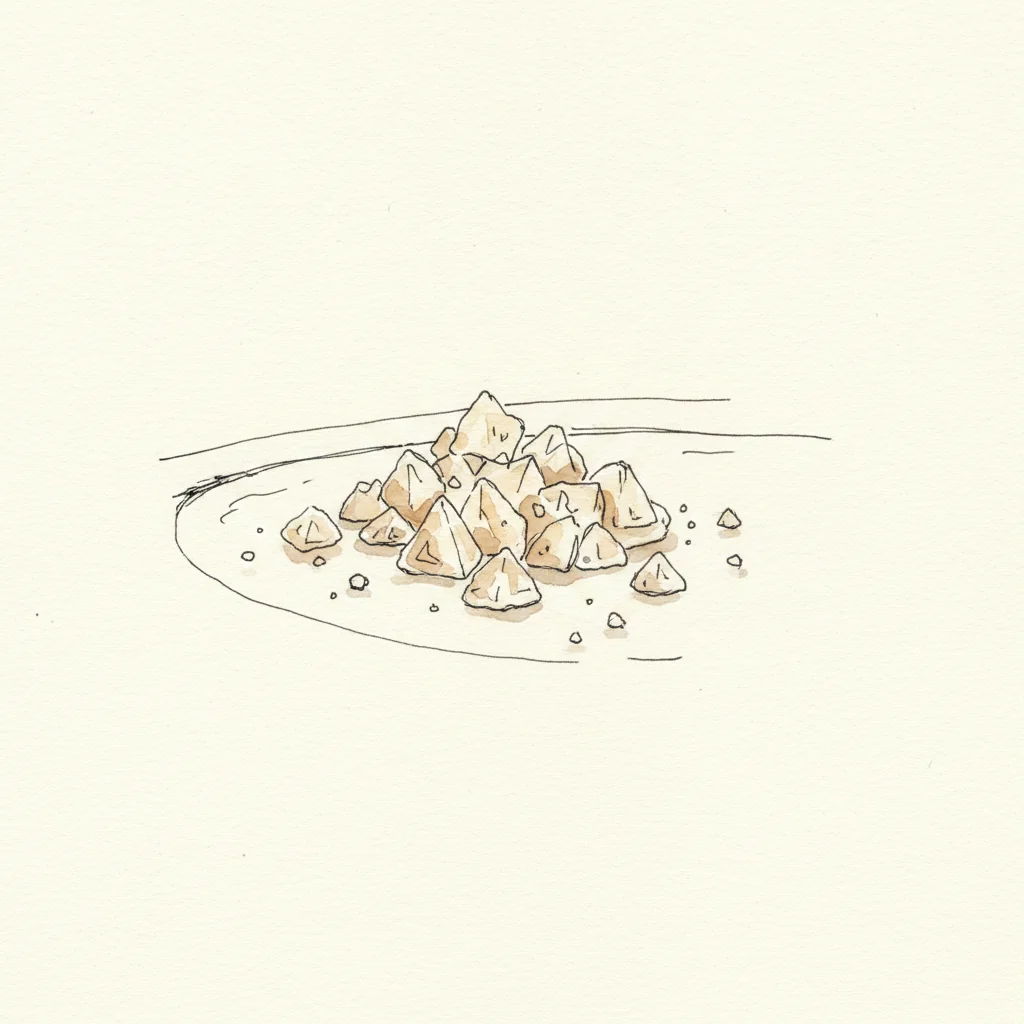
Maldon Sea Salt
Maldon, Essex, Blackwater estuary, England
Intensity 8/10
Maldon gives a louder shattering crunch against the soft lobe and costs far less, but loses the blue jewel look. The pick when you want pronounced texture over rarity.
Complementary ingredients
- Fleur de Sel de Guérande — Fleur de sel instead for the classic French finish, a soft melt over the rare blue crystal
Frequently asked questions
- What is the best finishing salt for seared foie gras?
- Persian blue salt or fleur de sel. Persian blue brings rare translucent crystals and a round salinity with a quiet umami close that matches the richness; fleur de sel is the softer, traditional French finish. Both go on raw at the end.
- When do you salt seared foie gras?
- At the very end, off the heat, on the plated lobe. Salting before the sear draws out fat and moisture, and a finishing salt thrown into the hot pan melts and loses its crystal, so the salt goes on last for crunch and accent.
- Why does Persian blue salt suit foie gras?
- Its salinity is round and stretches out rather than spiking, with a long mineral finish and a quiet umami close that cuts the fat and matches the richness without overpowering the delicate liver. The rare blue crystals also suit the luxury of the dish.
This pairing was validated according to our methodology. Purchase links are marked sponsored and may earn a commission — details on our Affiliations page.