
Comparison
Sel gris vs Noirmoutier sea salt: which cooking salt?
Both are damp French grey cooking salts at about $7 a kilo, and you can use either everywhere. Sel gris de Guerande is PGI-protected with a deeper clay-mineral edge; Noirmoutier is a frank, clean island salt with a slightly softer grain. For provenance pick sel gris; otherwise buy whichever is in front of you.
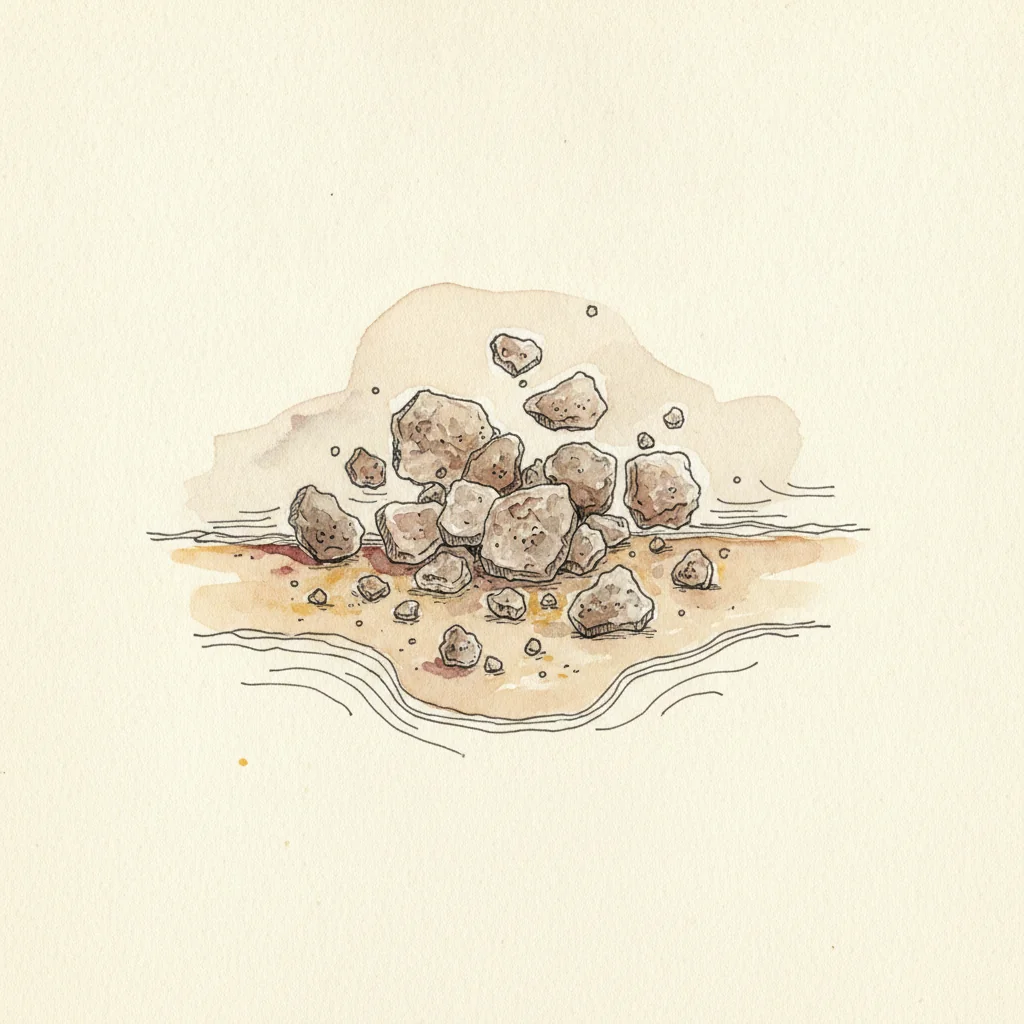
Salt · Grey sea salt
Sel Gris de Guérande
Guérande peninsula, Loire-Atlantique, France (PGI)
clean direct salinity · clay mineral · marine iodine
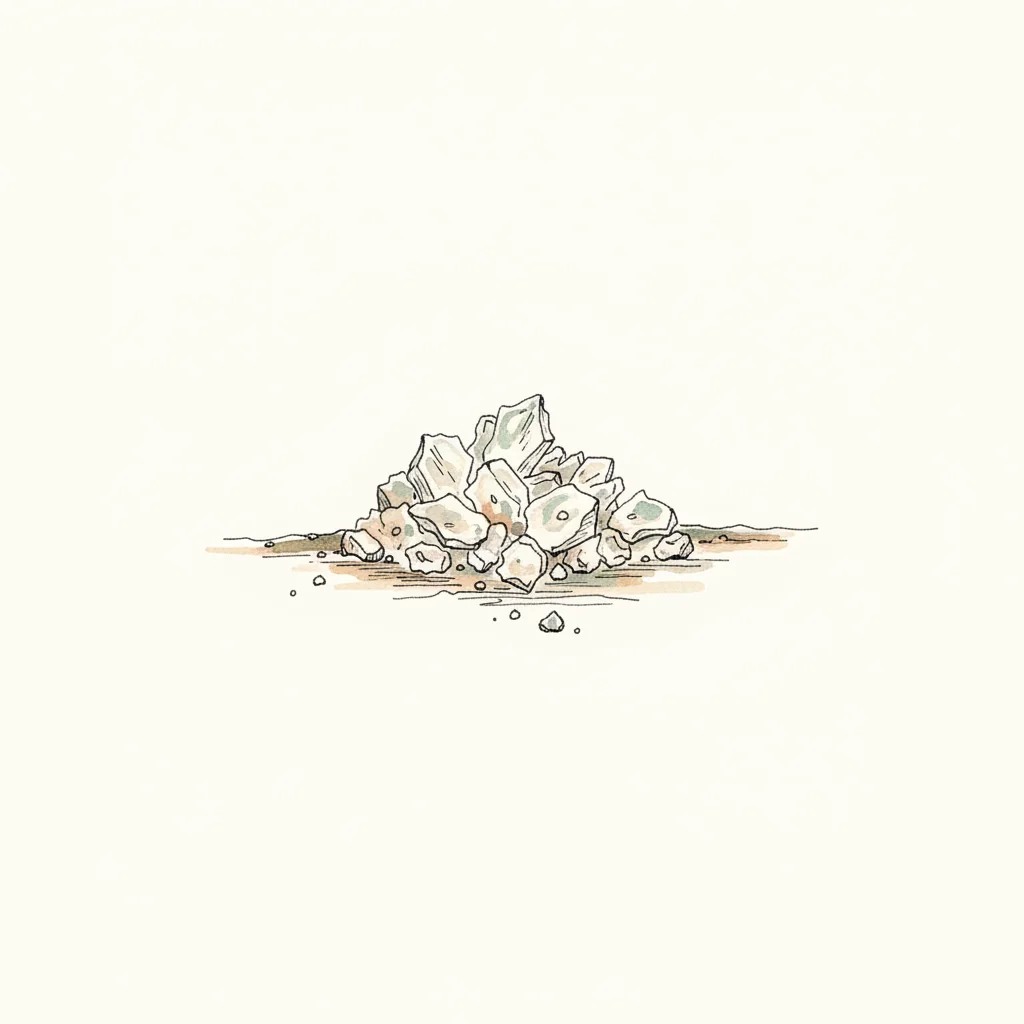
Salt · Sea salt
Noirmoutier Sea Salt
Noirmoutier Island, Vendée, Atlantic coast, France
frank salinity · clean brine · wet mineral
Our verdict
Near-twins for the pot. Sel gris has PGI and more clay depth; Noirmoutier is frank and clean.
At a glance
| Criterion | Sel Gris de Guérande | Noirmoutier Sea Salt |
|---|---|---|
| Origin | France, Guerande peninsula, Loire-Atlantique | France, Noirmoutier Island, Vendee, Atlantic coast |
| Status | PGI, raked off the grey clay floor of the pans | Hand-raked from tidal salt marshes, no PGI |
| Intensity | 7/10 - direct salinity, clay mineral, iodine | 7/10 - frank salinity, clean brine, wet mineral |
| Texture | Damp coarse grey crystals that dissolve slowly | Damp, slightly soft crystals, long even salinity |
| Role | Cooking - pasta water, stocks, brines, salting meat | Cooking - pasta water, court-bouillon, brines, salting meat |
| Median price | ~$7 / 1 kg bag | ~$7 / 1 kg coarse |
| Value | Real mineral depth at workhorse prices. PGI-backed. | An honest workhorse at workhorse prices. Great value. |
When to choose Sel Gris de Guérande
Choose sel gris de Guerande when you want the PGI and a touch more mineral depth in your cooking salt. These two French grey salts are near-twins, both are damp, coarse, unrefined Atlantic sea salts at roughly $7 a kilo, both are cooking salts for the pot and the brine rather than finishers, and in most dishes you'd be hard pressed to tell them apart blind. What tips it toward sel gris is provenance and a slightly deeper character. Sel gris is raked off the grey clay floor of the Guerande pans, which gives it its color and a real clay-mineral edge alongside the marine iodine, a direct salinity rounded by the residual moisture. It carries PGI protection, so if a page or a cook cares about certified origin, that's a concrete point in its favor that Noirmoutier, excellent but uncertified, can't match. Use it exactly as you'd use any good grey cooking salt: about 10 g per liter of pasta or vegetable water, 2 to 3 g per 100 g of meat for a dry-brine, in stocks and court-bouillon, in bread dough, in brines and lacto-fermentation, even packed into a salt crust around a whole fish. Its slow dissolve and mineral depth give cooked food a rounder, less harsh salinity than refined table salt. Where sel gris doesn't pull ahead is anything where the two are genuinely interchangeable, which is most of the time. If you already have Noirmoutier in the cupboard, there's no real reason to go out of your way for sel gris for everyday cooking, the flavor difference is small and both are damp, mineral, honest salts. And like Noirmoutier, sel gris is the wrong choice for a raw finish: the coarse grey crystals look like cooking salt and dissolve unevenly on a delicate plate, where fleur de sel gives the clean crunch. In fine pastry or anything that needs to stay translucent, the grit shows, keep it to the pot. So the honest verdict against Noirmoutier is narrow: sel gris wins on PGI certification and a slightly deeper clay-mineral note, which matters if provenance is the point or if you want the most characterful grey salt for a stock. For pure everyday seasoning value, they're effectively a tie, and the better buy is whichever is cheaper and in front of you. Keep it dry in a crock or kraft bag; it may clump from its own moisture, just break it up.
When to choose Noirmoutier Sea Salt
Choose Noirmoutier sea salt when you want a frank, clean island cooking salt and you don't need a certification to feel good about it. Hand-raked from the tidal salt marshes off Noirmoutier Island on the Vendee coast, it's the honest workhorse of the French kitchen: grey-flecked, slightly damp crystals with a frank, even salinity and a wet, mineral edge, carrying a clean Atlantic iodine and a faint clay note. Against sel gris de Guerande it's a near-twin, both are unrefined damp grey sea salts at about $7 a kilo, both are cooking salts for the pot and the brine, and blind in a dish most cooks couldn't separate them. Where Noirmoutier earns its place is a frank, clean salinity that some find a touch brighter and less heavy than sel gris's deeper, clay-driven profile, and a slightly softer, more even grain that dissolves smoothly into cooking water. Use it the same way: about 10 g per liter of pasta or vegetable water, 2 to 3 g per 100 g of meat for a dry-brine, in court-bouillon and seafood broths, in bread dough, in brines and lacto-fermentation, on roasted potatoes. Because you want it dissolved into the dish, its damp, mineral character rounds the cooking the way good unrefined salt should, and at kilo prices you never wince at using it generously. The honest case against sel gris is thin and comes down to two things. Noirmoutier carries no PGI, so if certified provenance is the deciding factor, sel gris wins that point, but Noirmoutier's island origin is real and well regarded, and many cooks rate its frank, clean salinity every bit as highly. Beyond that, the two are effectively interchangeable for everyday seasoning, so the smarter rule is simply to buy whichever is cheaper or already in your cupboard rather than chasing one over the other. Like sel gris, Noirmoutier is a cooking salt, not a finisher: don't scatter the coarse, damp, grey-flecked crystals on a raw plate expecting a clean crunch, reach for fleur de sel there, and keep it out of fine pastry where the grain would show. Store it airtight or in a crock away from direct humidity; the natural dampness is normal, not spoilage. For a frank, clean, affordable French grey salt to season everything in the pot, Noirmoutier is an excellent default, and unless you specifically want the PGI stamp, it does everything sel gris does for the same money.
Where to buy?
Sel Gris de Guérande
Links checked on
| Merchant | Price | Action |
|---|---|---|
| Amazon US | — | Amazon US |
| Sous Chef UK | — | Sous Chef UK |
Prices may vary depending on current promotions on the merchant site.
Noirmoutier Sea Salt
Links checked on
| Merchant | Price | Action |
|---|---|---|
| Amazon US | — | Amazon US |
| Formaggio Kitchen | — | Formaggio Kitchen |
| Sous Chef UK | — | Sous Chef UK |
Prices may vary depending on current promotions on the merchant site.
Frequently asked questions
- Is sel gris de Guerande actually better than Noirmoutier?
- Only marginally, and mostly on paper. Sel gris carries PGI protection and a slightly deeper clay-mineral note. Noirmoutier has a frank, clean salinity and a softer grain that many cooks rate just as highly. Both are damp grey cooking salts at about $7 a kilo; for everyday use they're effectively a tie.
- Can I swap one for the other in a recipe?
- Yes, freely. They're both unrefined damp grey French sea salts of similar intensity, used the same way: about 10 g per liter of cooking water, 2 to 3 g per 100 g of meat for a dry-brine. The difference is small enough that you can substitute one for the other without adjusting anything.
- Which should I buy?
- Whichever is cheaper or already in front of you, for everyday cooking. Go out of your way for sel gris only if you want the PGI certification or the deeper clay-mineral character for a stock. Otherwise Noirmoutier does the same job at the same price, and there's no need to chase one over the other.
- Can either finish a plate?
- No, both are cooking salts. Their coarse, damp, grey-flecked crystals look like seasoning salt on a delicate plate and dissolve unevenly where you'd want a clean crunch. For a raw finish on tomatoes, tartare or caramel, reach for fleur de sel. Keep these two for the pot, the brine and the pasta water.
The best pairings
With Sel Gris de Guérande
With Noirmoutier Sea Salt
Comparison prepared according to our methodology. Sponsored purchase links — see our affiliations.