
Dish × condiment pairing
Which sea salt for bread dough?
Season : all-year · Occasion : baking, weekend, everyday
Noirmoutier sea salt. Dissolve it in the dough water so it disperses evenly, since salt controls fermentation and crust as much as flavor. Its clean, frank salinity seasons the crumb without bitterness. There is no point in a flaky finishing salt here; it dissolves into the dough and the crunch is lost.
In detail
For bread dough, use a clean all-purpose sea salt such as Noirmoutier, dissolved in the dough water. In baking, salt is a working ingredient rather than a garnish: it seasons the crumb but also tightens the gluten network and slows fermentation, so an even distribution matters as much as the flavor. Noirmoutier sea salt, hand-raked from the island's tidal marshes off the Vendée coast, brings a frank, steady salinity with no bitterness and an even melt, which is exactly what dough wants. Dissolve it in the water before mixing so it disperses fully and the rise stays uniform; coarse crystals stirred in dry can leave salty pockets. Most artisan loaves use about 2 percent salt by flour weight. There is no case for a flaky finishing salt here, as it simply dissolves and its crunch is wasted. Noirmoutier runs roughly $5 to $8 a kilo.
Our recommendation
Salt · Sea salt
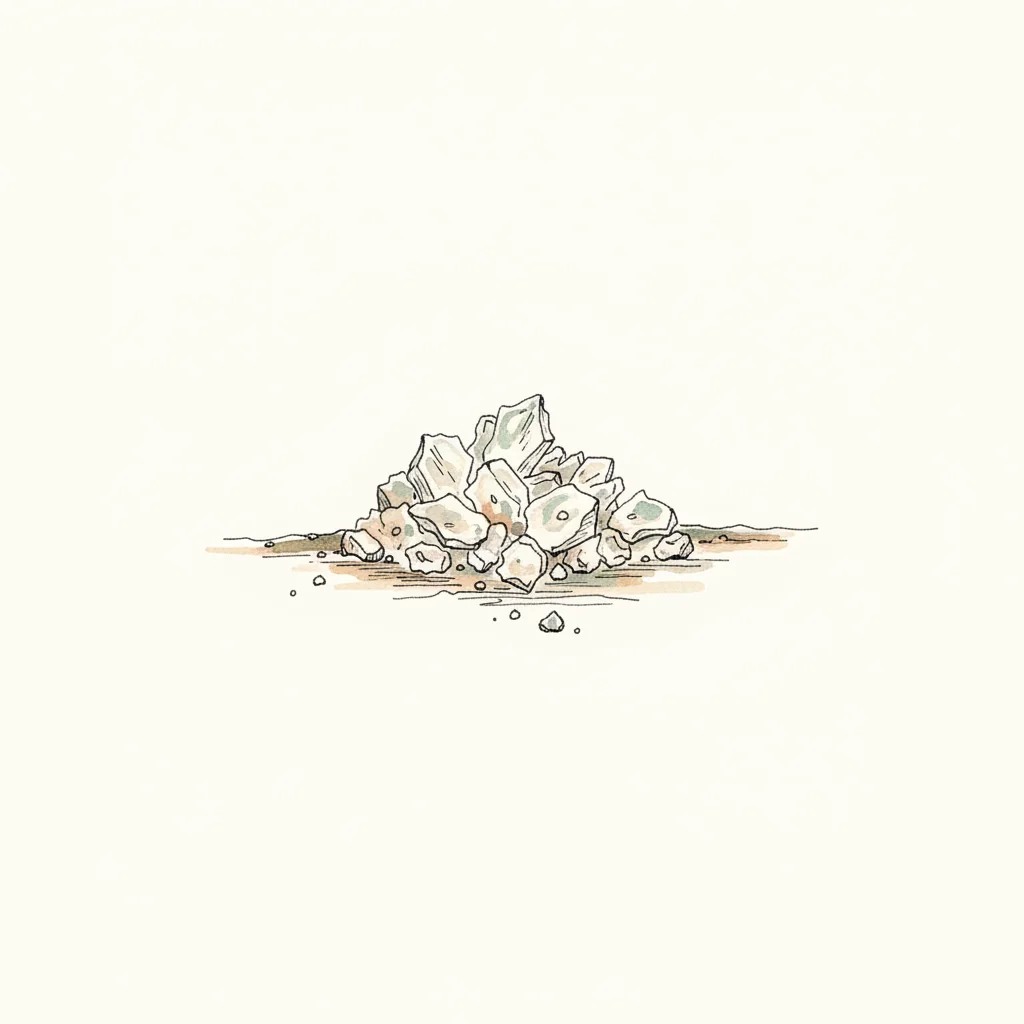
Noirmoutier Sea Salt
Noirmoutier Island, Vendée, Atlantic coast, France
frank salinity · clean brine · wet mineral
In bread, salt is a working ingredient, not a garnish, so you want a clean sea salt with no bitterness and an even melt. Noirmoutier delivers a frank, steady salinity that seasons the crumb and tightens the gluten and ferment without any off-notes. Dissolved in the dough water it disperses fully, which matters because uneven salt means uneven rise. At roughly $5 to $8 a kilo, it is the sensible everyday choice.
Intensity 6/10
Where to buy it
Links checked on
| Merchant | Price | Action |
|---|---|---|
| Amazon US | — | Amazon US |
| Formaggio Kitchen | — | Formaggio Kitchen |
| Sous Chef UK | — | Sous Chef UK |
Prices may vary depending on current promotions on the merchant site.
Affiliate links — La Pincée may earn a commission on some sales, at no extra cost to you. Read more.
The catch
The catch: bread is the one place a boutique finishing salt is genuinely pointless. Whatever flaky crystal you stir into dough dissolves completely, so its prized crunch and the premium you paid for it disappear into the crumb without a trace. What dough actually needs is a clean, bitterness-free sea salt, dissolved evenly, because salt controls the ferment and the gluten as much as the flavor. Noirmoutier does that for a few dollars a kilo. Save the flakes for the crust of a focaccia.
Chef's note
Weigh the salt at about 2 percent of the flour, roughly 10 grams per 500 grams, and dissolve it in the dough water before mixing so it disperses evenly and the rise stays uniform. Hold it back from the very first autolyse if you like, adding it after the flour and water have rested, to let the gluten start forming unhindered. If you want salt on top of a focaccia, scatter coarse Noirmoutier just before baking, where the heat sets it into the crust.
Tasting note
frank salinity · clean brine · no bitterness · even melt · Roughly $5 to $8 a kilo, the cheapest salt that does the job without off-notes. For a working ingredient you measure by the gram, there is no reason to spend more. Worth it.
These three sections appear on every one of our pairing pages — our methodology.
Alternatives to explore
-
Salt · Grey sea salt
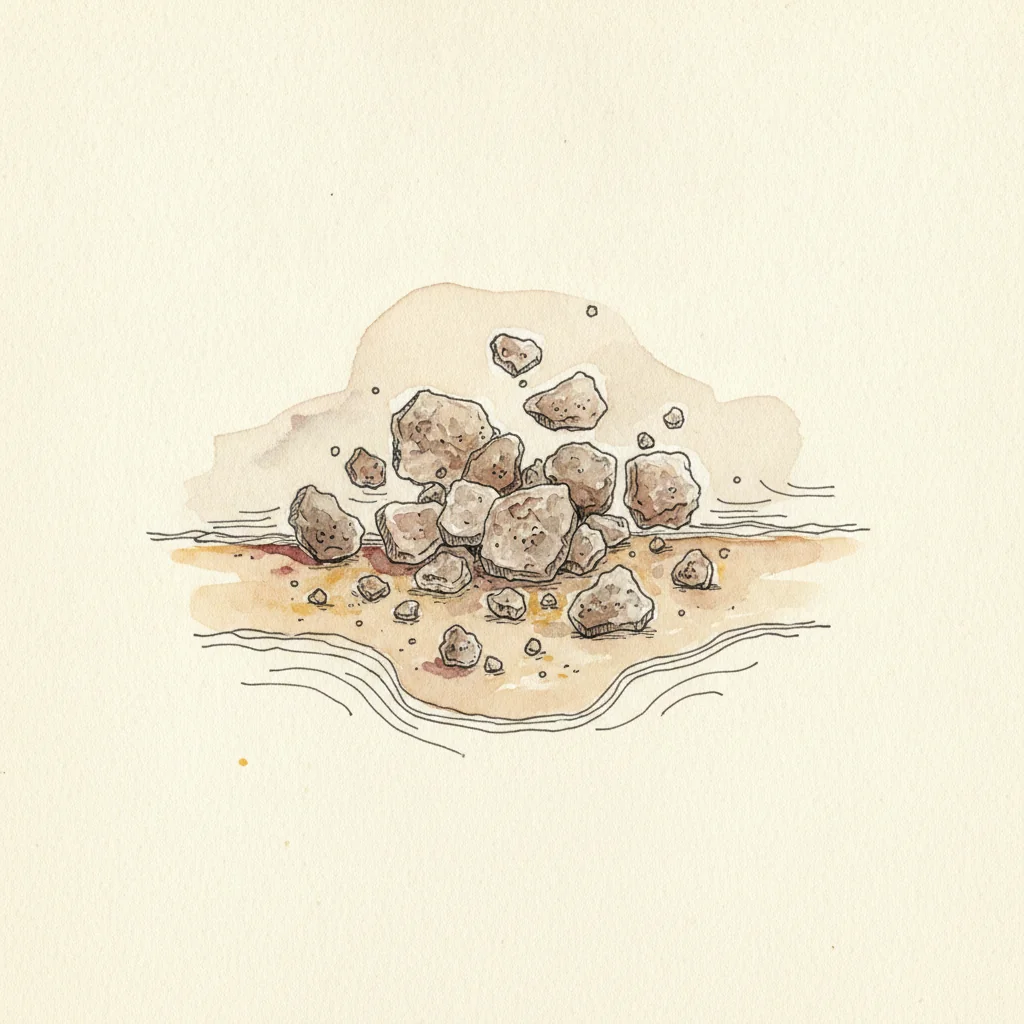
Sel Gris de Guérande
Guérande peninsula, Loire-Atlantique, France (PGI)
Intensity 6/10
Sel gris works just as well dissolved into dough, with the same clean salinity. Either French sea salt is fine; just dissolve it first so the grey crystals do not leave gritty pockets.
Frequently asked questions
- How much salt goes in bread dough?
- Most artisan loaves use about 2 percent salt by flour weight, roughly 10 grams per 500 grams of flour. Salt controls fermentation speed and strengthens gluten, so the amount is structural, not just a matter of taste.
- Should I dissolve salt before adding it to dough?
- Yes. Dissolving sea salt in the dough water spreads it evenly through the mix, which keeps fermentation and seasoning uniform. Coarse crystals added dry can leave salty pockets and undissolved grit in the crumb.
- Can I use flaky finishing salt in bread dough?
- There is no benefit. Flaky salt dissolves completely into the dough, so its prized crunch is lost and you have paid finishing-salt money for nothing. Save the flakes for the crust of a focaccia, added just before baking.
This pairing was validated according to our methodology. Purchase links are marked sponsored and may earn a commission — details on our Affiliations page.