
Comparison
Sichuan peppercorns vs grains of paradise: which to choose?
Neither is true pepper, and they do opposite things. Sichuan peppercorns deliver the ma effect — a numbing, electric tingle — over grapefruit and lime, the soul of mapo tofu. Grains of paradise give a warm ginger-and-cardamom pepperiness with zero numbness, at home in craft beer and marinades. Want the buzz, go Sichuan. Want warm spice, go grains of paradise.
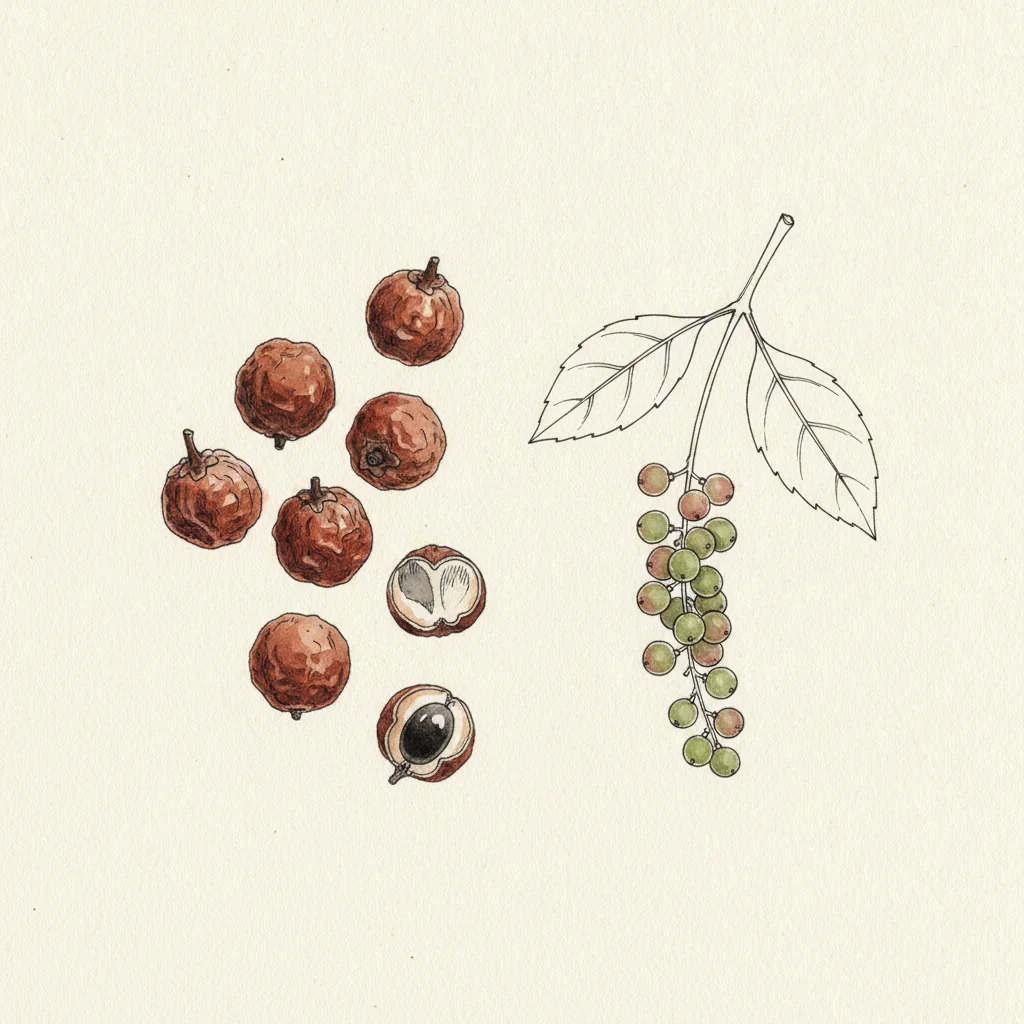
Pepper · Pepper cousin
Sichuan Peppercorns
Sichuan Province, Hanyuan and Maowen counties, China
pink grapefruit · lime zest · fresh coriander
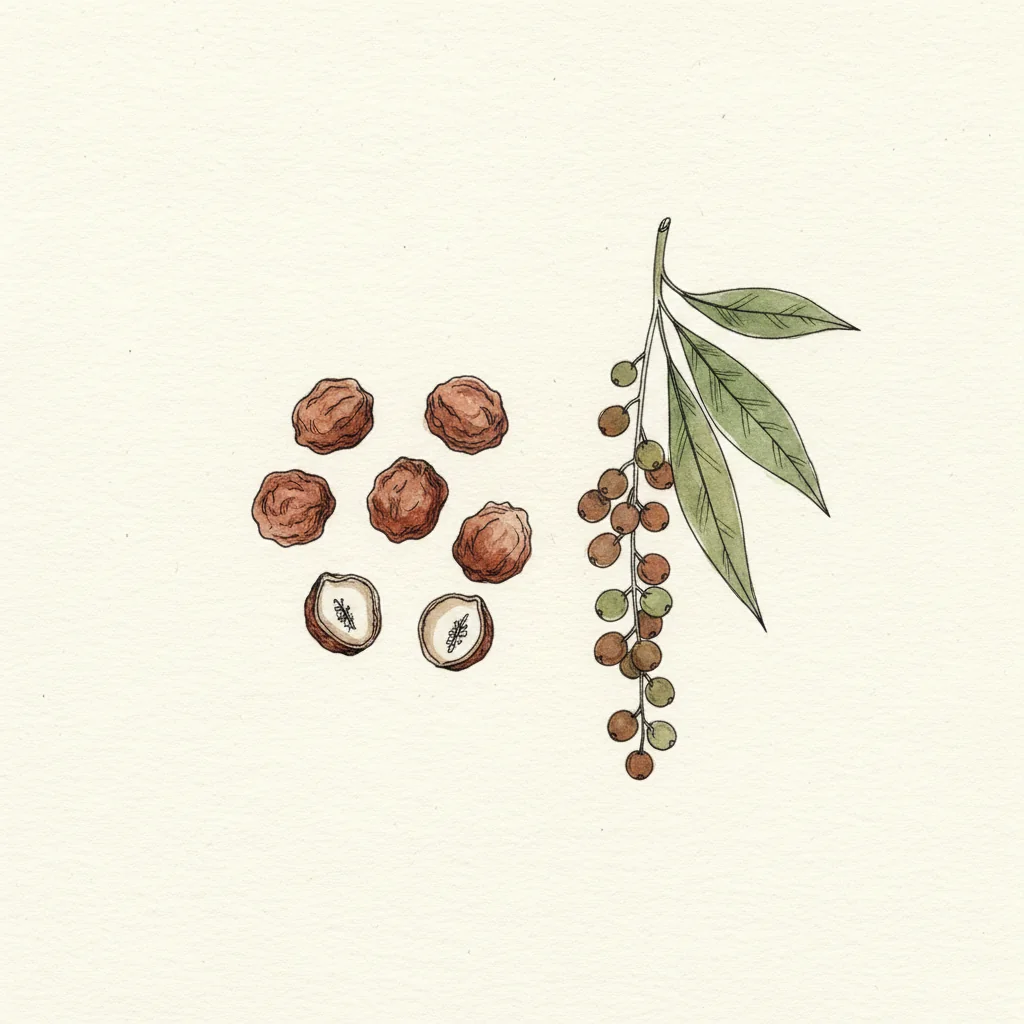
Pepper · Pepper cousin
Grains of Paradise
Gulf of Guinea coast (Ghana, Togo, Liberia, Côte d'Ivoire), Ghana
fresh ginger · green cardamom · citrus peel
Our verdict
Sichuan for the numbing buzz, grains of paradise for warm spice.
At a glance
| Criterion | Sichuan Peppercorns | Grains of Paradise |
|---|---|---|
| Origin | China, Sichuan — Hanyuan & Maowen (Zanthoxylum) | Ghana, Gulf of Guinea (Aframomum melegueta) |
| Family | Citrus cousin, not a true pepper | Ginger family, not a true pepper |
| Flavor | Pink grapefruit, lime zest, fresh coriander | Fresh ginger, green cardamom, citrus peel |
| Sensation | The ma effect — numbing, electric tingle on the lips | Warm-and-cool pepperiness, no numbing, no bite |
| Intensity | 8/10 — buzzing, vibrating fizz | 7/10 — spiced freshness, no burn |
| Best use | Mapo tofu, kung pao, chili oil, dan dan noodles | Craft beer, fish marinades, ras el hanout, gingerbread |
| Price | ~$11 / 4 oz bag | ~$10.50 / small jar |
When to choose Sichuan Peppercorns
Reach for Sichuan peppercorns when you want that unmistakable buzzing, numbing tingle — the ma effect — on top of a bright citrus lift. Sichuan peppercorns aren't pepper at all: they're the dried husk of a citrus cousin from Hanyuan and Maowen in Sichuan, and they deliver a fizzing, electric tingle that numbs the lips and tongue like a fresh battery, bright with pink grapefruit, lime zest and fresh coriander over young wood and mandarin blossom, a vibrating fizz that hums on the lips for several minutes, around 8 out of 10. This is a finishing spice, and the one rule that makes or breaks it is toasting: toast the husks 60 to 90 seconds in a dry pan, then crush them in a mortar — skip that and you've wasted them. It carries mapo tofu, kung pao chicken, home chili oil, dan dan noodles, seared scallops and stir-fried greens, 1 to 2 g per person. Keep it off anything already mouth-numbing, where you double the freeze and lose the flavor, off delicate cream sauces and soft cheeses, and out of long braises, where the citrus top notes cook off and you're left with only the buzz. Buy whole husks, sift out the gritty black seeds and twigs if your lot has them, and store airtight away from light, where it holds its tingle and citrus lift about 12 months then fades fast, so buy small and often. At about $11 for a 4 oz bag it's an affordable spice with a sensation nothing else replicates. The defining question between these two is simple: only Sichuan gives the numbing ma buzz, so if that electric tingle is what you're after — the heart of Sichuan cooking — there is no substitute on this page. Toast it, crush it, finish with it.
When to choose Grains of Paradise
Reach for grains of paradise when you want a warm, spiced pepperiness with fresh ginger and cardamom lift, and none of the numbing tingle. Grains of paradise isn't a pepper at all — it's a cousin of cardamom and ginger from the Gulf of Guinea coast of Ghana — and the reddish-brown seeds give a warm pepperiness laced with fresh ginger, green cardamom and citrus peel, with orange-blossom and a cool menthol edge, a warm-and-cool pepperiness at once that's faintly camphor-like, with none of the bite of true black pepper, around 7 out of 10 over a medium-to-long spiced-fresh finish that lingers without burning. It ruled medieval European kitchens, then vanished, and now it's back in craft beer and saison brewing, fish marinades, ras el hanout blends, spiced cakes and gingerbread, glazed carrots and mussels in cream — finishing or late in the cook, about half a teaspoon cracked per dish for four. Keep it out of dishes already heavily spiced, off very rich reduction sauces that bury it, and away from delicate cream desserts where the camphor edge clashes. Store the cracked-as-needed seeds in an opaque airtight jar, where they keep 12 to 18 months. At about $10 a jar it's an affordable way to add warmth and complexity without heat or numbness. Against Sichuan, grains of paradise is the quieter, warmer choice: no ma buzz, no fire, just a spiced, gingery freshness that flatters a marinade, a brew or a spiced cake. If you want the tingle, you want Sichuan; if you want warm aromatic spice that plays well with others, grains of paradise is your grain.
Where to buy?
Sichuan Peppercorns
Links checked on
| Merchant | Price | Action |
|---|---|---|
| Amazon US | — | Amazon US |
| Sous Chef UK | — | Sous Chef UK |
Prices may vary depending on current promotions on the merchant site.
Grains of Paradise
Links checked on
| Merchant | Price | Action |
|---|---|---|
| Amazon US | — | Amazon US |
| Burlap & Barrel | — | Burlap & Barrel |
| Steenbergs UK | — | Steenbergs UK |
Prices may vary depending on current promotions on the merchant site.
Frequently asked questions
- Do grains of paradise numb your mouth like Sichuan?
- No. The numbing ma tingle is unique to Sichuan peppercorns and their Zanthoxylum relatives. Grains of paradise give a warm, gingery, cardamom-laced pepperiness with no numbness and no real bite. If you want the electric buzz, only Sichuan delivers it.
- Can I swap one for the other?
- Only loosely. They're both mock peppers, but Sichuan is about citrus and numbness while grains of paradise is about warm ginger-cardamom spice. In a marinade or spice cake, grains of paradise works where Sichuan would feel wrong — and vice versa for mapo tofu.
- Why do I need to toast Sichuan peppercorns?
- Toasting 60 to 90 seconds in a dry pan releases the citrus oils and sharpens the tingle. Untoasted, they taste dull and gritty. Grains of paradise don't need toasting — just crack them as you need them.
- Which works in a long braise?
- Neither shines in a long simmer. Sichuan's citrus top notes cook off and you keep only the buzz; grains of paradise fade and get buried. Both are best added as a finish or late in the cook.
The best pairings
With Sichuan Peppercorns
With Grains of Paradise
Comparison prepared according to our methodology. Sponsored purchase links — see our affiliations.