
Comparison
Sichuan vs sansho pepper: what's the difference?
Both are Zanthoxylum, not true pepper, and both tingle — but differently. Sichuan (Z. simulans) is loud and electric, the numbing ma buzz of mapo tofu and chili oil. Sansho (Z. piperitum) is cooler, mintier and finer-smelling, dusted lightly over grilled eel, udon and sashimi. Sichuan for mala; sansho for delicate Japanese finishing.
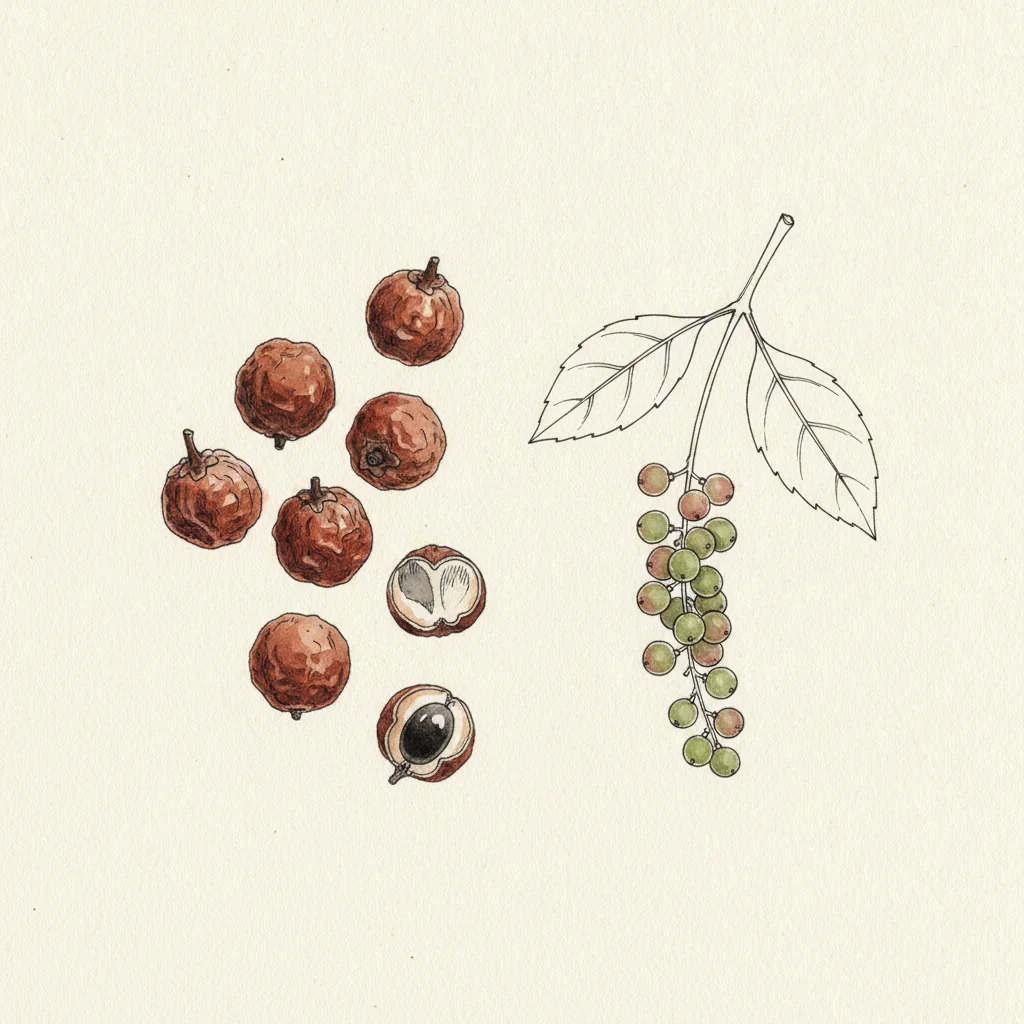
Pepper · Pepper cousin
Sichuan Peppercorns
Sichuan Province, Hanyuan and Maowen counties, China
pink grapefruit · lime zest · fresh coriander
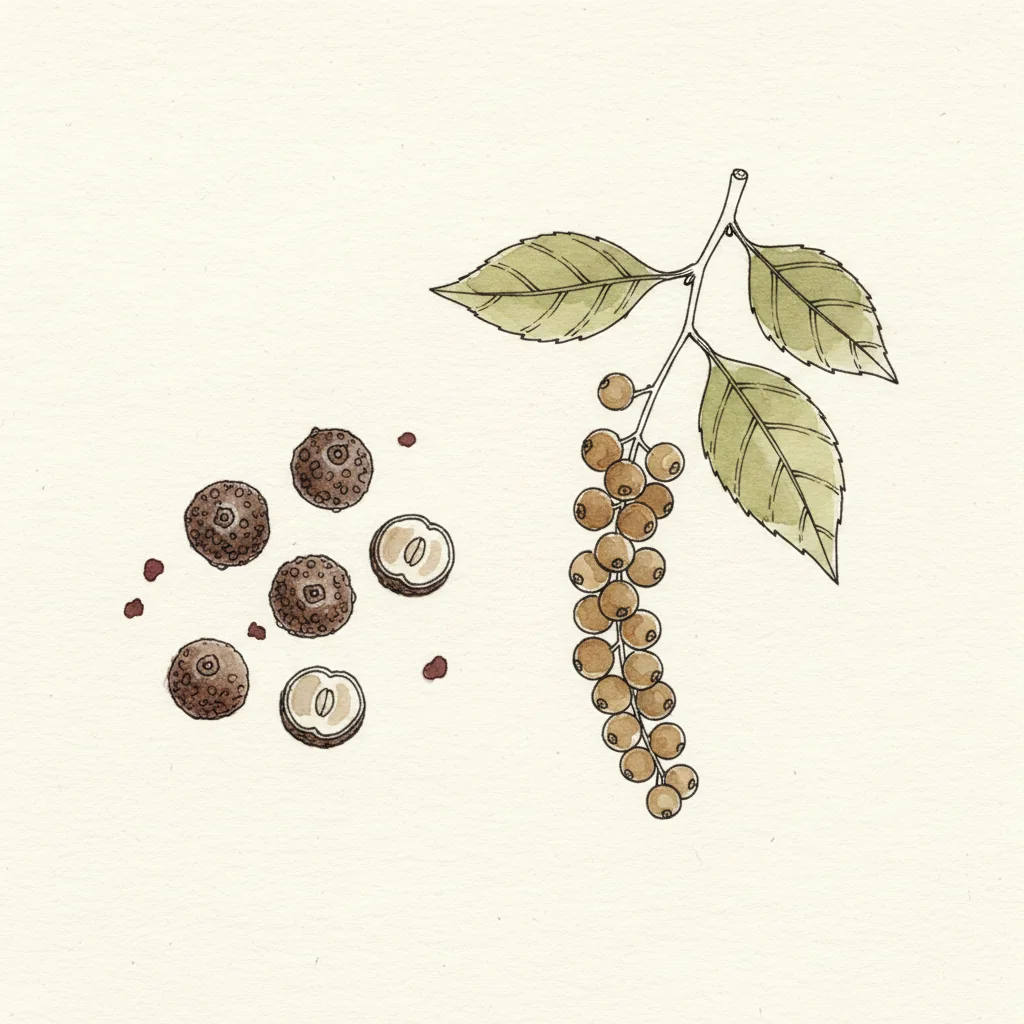
Pepper · Pepper cousin
Sansho
Arima, Wakayama Prefecture, island of Honshu, Japan
yuzu zest · green shiso leaf · spearmint
Our verdict
Sichuan for the loud numbing ma buzz; sansho for a cooler, finer, delicate tingle.
At a glance
| Criterion | Sichuan Peppercorns | Sansho |
|---|---|---|
| Botanical name | Zanthoxylum simulans | Zanthoxylum piperitum |
| Origin | Sichuan Province, China | Arima, Wakayama, Japan |
| Intensity | 8/10 — electric, numbing ma buzz | 7/10 — cooler, faster-fading minty tingle |
| Main notes | Pink grapefruit, lime zest, fresh coriander | Yuzu zest, green shiso, spearmint |
| Tingle character | Strong, buzzing, lip-numbing | Soft, cool, almost menthol, fades fast |
| Best use | Mapo tofu, kung pao, home chili oil | Grilled eel, udon, tempura, sashimi |
| Prep | Toast 60–90 s, then crush | A fine pinch ground over the plate |
When to choose Sichuan Peppercorns
Reach for Sichuan when you want the full mala experience: the ma effect, a buzzing, electric tingle that numbs the lips and tongue like a fresh battery. It's the dried husk of a citrus cousin — bright with pink grapefruit, lime zest and fresh coriander — and that strong numbing buzz is the whole engine of Sichuan cooking. Use it in mapo tofu, kung pao chicken, dan dan noodles and home chili oil, where it pairs with dried chilies to build the classic numbing-hot balance, and on seared scallops and stir-fried greens. The required move: toast the husks 60 to 90 seconds in a dry pan, then crush in a mortar — raw, they're flat and dusty. Dose 1 to 2 g per person. Against sansho, Sichuan is the louder, more intense of the two — a stronger freeze and a more assertive citrus — so it's the right choice when you want the tingle to be the headline, not a whisper. The catch: skip it on delicate cream sauces and soft cheeses, where the freeze fights the fat, and never stack it on something already mouth-numbing or you double the freeze and lose the flavor. Long braises cook off the citrus top notes, so add it at the finish. A 4 oz bag runs about $11. Where sansho is a fine, cool dusting for delicate Japanese plates, Sichuan is the bold, numbing backbone of Chinese mala — reach for it when you want power, not subtlety.
When to choose Sansho
Reach for sansho when you want a cooler, finer tingle that lifts a dish instead of taking it over. Sansho is the Japanese soul of the Zanthoxylum family: a cool, almost minty tingle that hits softer than Sichuan but smells far finer, somewhere between yuzu zest, green shiso and spearmint. It lands fast and fades faster than Sichuan's lingering freeze, so it accents rather than dominates. That makes it the finishing dust for delicate Japanese plates: grilled eel (unagi), udon and soba, tempura, white-fish sashimi, even poached citrus, stone fruit and plain yogurt. A fine pinch ground over the plate, right before it goes out — the aroma is volatile, so freshness, not heat, is the catch with sansho. Against Sichuan, sansho is the quieter, more refined cousin: less numbing buzz, more cool mint and citrus perfume, and a much lighter hand. So it's the wrong tool when you actually want the mouth-numbing mala punch — for mapo tofu or chili oil, reach for Sichuan — and the right one when you want a fragrant, cooling lift on something subtle. Skip it on dishes already loaded with yuzu, on long braises where the volatile aroma cooks straight off, and on tomato sauces that bury it. Think of sansho as the delicate finisher and Sichuan as the bold engine: same family, opposite jobs. If your cooking leans Japanese and light, sansho earns its jar; if it leans Sichuanese and loud, Sichuan does.
Where to buy?
Sichuan Peppercorns
Links checked on
| Merchant | Price | Action |
|---|---|---|
| Amazon US | — | Amazon US |
| Sous Chef UK | — | Sous Chef UK |
Prices may vary depending on current promotions on the merchant site.
Sansho
Links checked on
| Merchant | Price | Action |
|---|---|---|
| Amazon US | — | Amazon US |
| Sous Chef UK | — | Sous Chef UK |
Prices may vary depending on current promotions on the merchant site.
Frequently asked questions
- Are Sichuan and sansho pepper the same?
- No, but they're close cousins — both Zanthoxylum, neither a true pepper, both tingling. Sichuan (Z. simulans) is loud and numbing for Chinese mala cooking; sansho (Z. piperitum) is cooler, mintier and finer, used as a delicate Japanese finishing dust.
- Which tingles more, Sichuan or sansho?
- Sichuan. Its ma buzz is stronger and lingers, numbing the lips like a battery. Sansho's tingle is softer, cooler and fades faster, more menthol than electric — built to accent, not overwhelm.
- Can I substitute sansho for Sichuan?
- Not for mala dishes that need the numbing punch — sansho is too gentle. The reverse is also wrong: Sichuan would overpower a delicate plate of grilled eel or sashimi. Match each to its cuisine.
- Do you toast sansho like Sichuan?
- No. Sichuan must be toasted 60–90 seconds and crushed to wake it up. Sansho is used as a fine pinch ground over the finished plate; its volatile aroma is the point, so freshness matters more than toasting.
The best pairings
With Sichuan Peppercorns
With Sansho
Comparison prepared according to our methodology. Sponsored purchase links — see our affiliations.