
Comparison
Timut vs sansho pepper — which citrus pepper?
Both are Zanthoxylum citrus peppers, not true pepper, with a cool tingle instead of heat. Choose Nepalese timut (about $10 a jar) for tropical grapefruit and passion fruit over raw fish, crudo and chocolate. Choose Japanese sansho (around $8) for yuzu and green shiso over grilled eel, tempura and noodles. Cuisine decides.
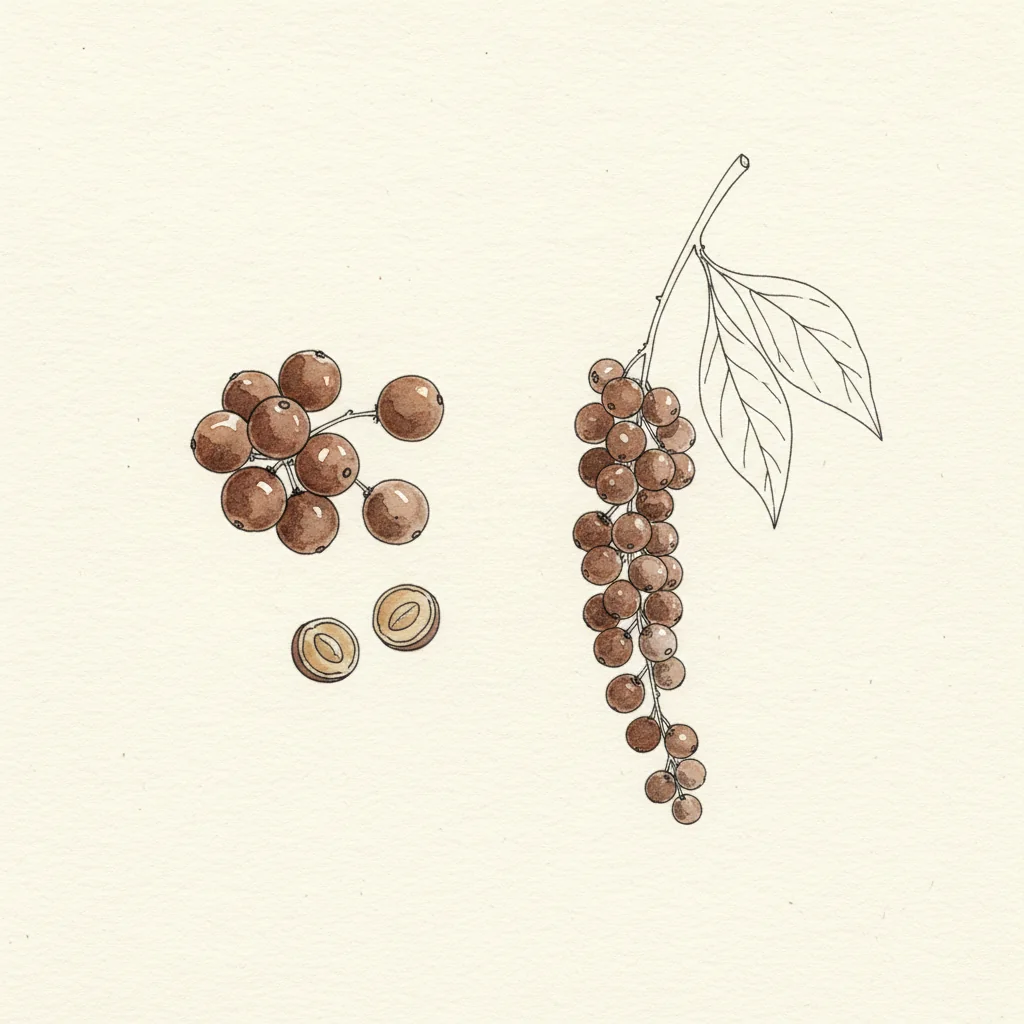
Pepper · Pepper cousin
Timut Pepper
Eastern hill districts of Dolakha and Sindhupalchok, Nepal
pink grapefruit · passion fruit · yuzu
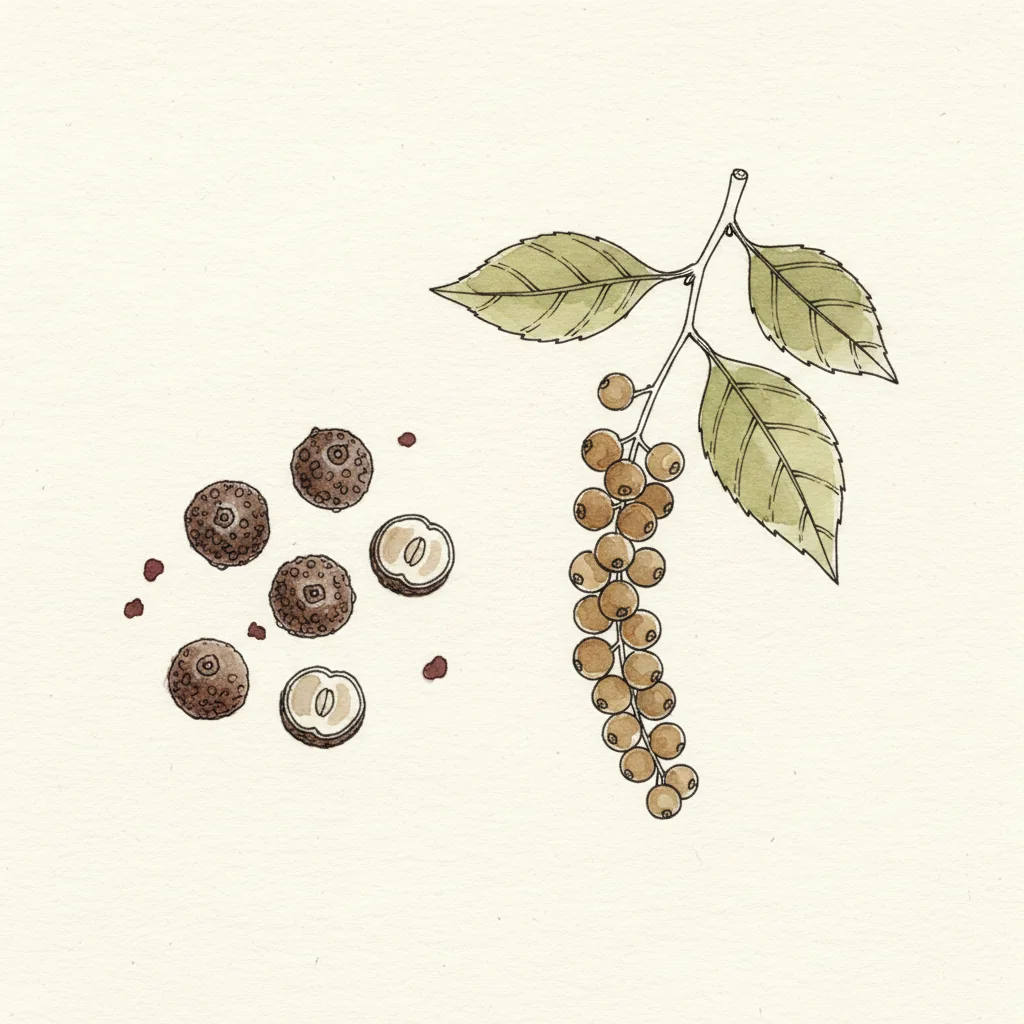
Pepper · Pepper cousin
Sansho
Arima, Wakayama Prefecture, island of Honshu, Japan
yuzu zest · green shiso leaf · spearmint
Our verdict
Timut for tropical citrus on crudo and chocolate; sansho for yuzu-shiso on Japanese plates.
At a glance
| Criterion | Timut Pepper | Sansho |
|---|---|---|
| Botany | Zanthoxylum armatum (citrus family) | Zanthoxylum piperitum (citrus family) |
| Origin | Nepal, Dolakha and Sindhupalchok hills | Japan, Arima, Wakayama |
| Intensity | 7/10 — cool, bright fizz on the lips | 7/10 — bright cool tingle, fades fast |
| Main notes | Pink grapefruit, passion fruit, yuzu | Yuzu zest, green shiso, spearmint |
| Best on | Raw scallops, ceviche, oysters, chocolate | Grilled eel, udon, tempura, sashimi |
| Price | ~$10 / 1 oz jar | ~$8 / 12 g bottle |
| Value | Worth it — one berry goes a long way | Worth it — a fine pinch per plate |
When to choose Timut Pepper
Pick timut when you want tropical citrus and you're working raw or sweet. The fizz on the lips is far gentler than Sichuan's full numbing buzz, so the citrus carries the bite — and that citrus is exotic-tasting in a way sansho's is not: pink grapefruit, passion fruit, yuzu, candied peel with a faint menthol lift. Four scenarios where timut wins. First, raw scallops and crudo, where one crushed berry scattered raw reads like a squeeze of unusual citrus. Second, ceviche and fish tartare, where it amplifies the lime without adding acid. Third, oysters, where a single berry over the half-shell is a restaurant move. Fourth, milk chocolate and ganache, where the passion-fruit note turns a simple dessert striking. The move: crush one or two berries in a mortar and scatter raw over the finished plate — never cook it. Long braises and stews kill the volatile aroma outright. Keep it off anything already sharply acidic, where the citrus has nothing to add, and off fatty red meat, which buries it. At about $10 a 1 oz jar, and with one berry going a long way, it's cheap per plate. If your dish is Japanese — eel, tempura, soba — sansho is the more idiomatic choice, with a yuzu-shiso profile that belongs there. But for crudo, oysters and chocolate, timut's tropical citrus is the grain that makes the plate sing.
When to choose Sansho
Pick sansho when the plate is Japanese. The tingle lands fast and fades faster than Sichuan, almost menthol-like rather than electric, and the flavor is unmistakably Japanese: yuzu zest, green shiso leaf, spearmint, a whisper of green apple and pine. That profile is built for the cuisine it comes from. Four scenarios where sansho wins. First, grilled eel — unagi with sansho is the textbook pairing, the cool citrus cutting the rich kabayaki glaze. Second, udon and soba, where a fine pinch over the bowl lifts the broth. Third, tempura, where it sharpens the fried batter without weight. Fourth, white-fish sashimi, where it works like a dry, aromatic citrus. The move: grind a fine pinch over the plate right before it goes out — sansho is best fresh and fades quickly, so dose at the pass. Avoid it on dishes already loaded with yuzu, where it disappears, on long braises, where the volatile aroma cooks straight off, and on tomato sauces that bury it. At around $8 for a 12 g bottle it's the cheaper of the two. If your dish is crudo, oysters or chocolate, timut's tropical grapefruit-and-passion-fruit profile suits better — sansho's spearmint-shiso edge can read oddly outside a Japanese context. Match the pepper to the cuisine and neither disappoints.
Where to buy?
Timut Pepper
Links checked on
| Merchant | Price | Action |
|---|---|---|
| Burlap & Barrel | — | Burlap & Barrel |
| Sous Chef UK | — | Sous Chef UK |
Prices may vary depending on current promotions on the merchant site.
Sansho
Links checked on
| Merchant | Price | Action |
|---|---|---|
| Amazon US | — | Amazon US |
| Sous Chef UK | — | Sous Chef UK |
Prices may vary depending on current promotions on the merchant site.
Frequently asked questions
- Are timut and sansho the same thing?
- No, but they're close cousins. Timut is Zanthoxylum armatum from Nepal; sansho is Zanthoxylum piperitum from Japan. Both are citrus-family peppers with a cool tingle, but timut leans grapefruit and passion fruit while sansho leans yuzu and green shiso.
- Do either of them numb like Sichuan?
- Only faintly. Both give a cool, bright fizz on the lips, much gentler than Sichuan's full numbing ma buzz. With timut and sansho the citrus carries the dish; the tingle is a light supporting act, not the main event.
- Can I cook with them?
- Don't. Both are volatile and lose their aroma in long braises and stews. Crush timut raw over finished crudo or chocolate; grind sansho at the pass over the bowl or the fried plate. Add them at the very end, never at the start.
- Which should a beginner buy first?
- If you cook a lot of raw fish or chocolate desserts, start with timut for its versatile tropical citrus. If you cook Japanese, sansho is the idiomatic pick and the cheaper one, around $8. Either is a finishing pepper, used raw.
The best pairings
With Timut Pepper
With Sansho
Comparison prepared according to our methodology. Sponsored purchase links — see our affiliations.