
Timut Pepper (Zanthoxylum armatum, Nepal)
In brief — Timut is the Nepali berry that smells like someone cut a grapefruit open in the room. Not a true pepper but a Zanthoxylum cousin, it carries an explosive citrus nose with only a faint cool tingle, far less than Sichuan. That makes it a finishing spice for raw fish, oysters and citrus desserts. A small jar runs about $10, and a single crushed berry goes a long way. Its aromatic profile develops notes of pink grapefruit, passion fruit, yuzu, extended by candied citrus peel and faint menthol, for an intensity of 7/10. In the kitchen, it's best added as a finishing touch, raw and it pairs with raw scallops and crudo, ceviche and fish tartare, oysters. Recommended dosage: one or two berries crushed in a mortar, scattered raw over the finished plate. Expect from $8.00 to $12.00 per 1 oz jar (~28 g) (median $10.00).
Origin : Eastern hill districts of Dolakha and Sindhupalchok, Nepal
Zanthoxylum armatum
« The most aromatic of the pepper cousins. That grapefruit-and-passion-fruit nose is genuinely thrilling on raw fish and citrus desserts. Buy it whole, use it raw, never cook it. One berry goes a long way. »
Timut is the Nepali berry that smells like someone cut a grapefruit open in the room. Not a true pepper but a Zanthoxylum cousin, it carries an explosive citrus nose with only a faint cool tingle, far less than Sichuan. That makes it a finishing spice for raw fish, oysters and citrus desserts. A small jar runs about $10, and a single crushed berry goes a long way.
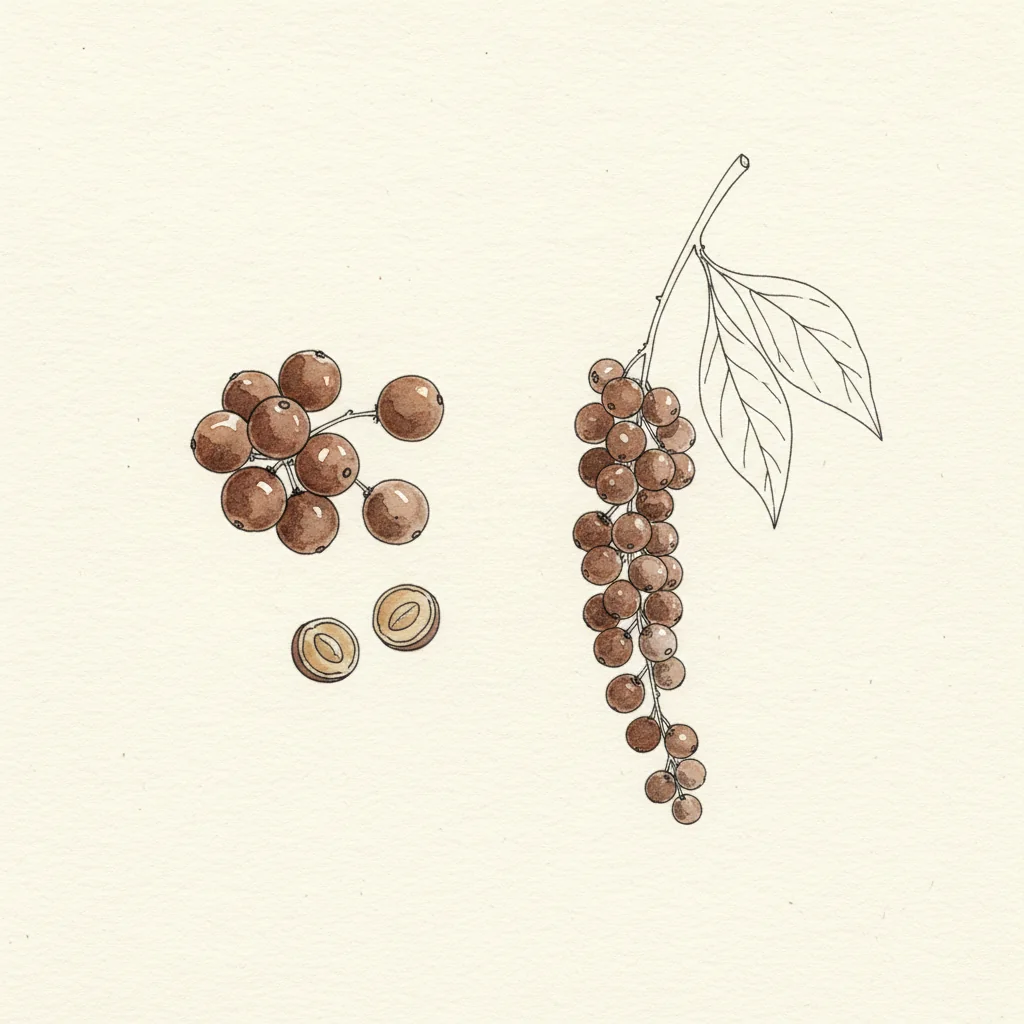
Pepper · Pepper cousin
Timut Pepper
Eastern hill districts of Dolakha and Sindhupalchok, Nepal
pink grapefruit · passion fruit · yuzu
Aromatic profile
| Family | Zanthoxylum (citrus family, not a true pepper) |
|---|---|
| Intensity | ●●●●○ (7/10) |
| Main notes | pink grapefruit · passion fruit · yuzu |
| Secondary notes | candied citrus peel · faint menthol |
| Mouthfeel | a cool, bright fizz on the lips, far gentler than Sichuan's full numbing buzz, so the citrus carries the bite |
| Finish length | long, a tropical-citrus finish that lingers without heat |
Culinary use
- When to add : finishing, raw
- Dosage : one or two berries crushed in a mortar, scattered raw over the finished plate
- Ideal pairings : raw scallops and crudo, ceviche and fish tartare, oysters, milk chocolate and ganache, lime sorbet and roasted pineapple, a squeeze of citrus over white fish
- Avoid with : long braises and stews (the volatile aroma cooks off), anything already sharply acidic, fatty red meat that buries the citrus
The grain in detail
Timut pepper, sometimes written timur, grows wild on the eastern hills of Nepal between roughly 1,500 and 2,200 meters, on stony, fast-draining ground in the districts of Dolakha and Sindhupalchok. It is botanically Zanthoxylum armatum, a citrus-family cousin of Sichuan pepper and not a true peppercorn at all. The red husks are split, shade-dried and sorted to pull out the bitter black seeds, because the husk is where the aroma lives. Crack one open and the nose is startling: pink grapefruit, passion fruit and yuzu, sometimes a whiff of bergamot. It is probably the most aromatic of all the pepper cousins on the citrus register. The tingle, that Zanthoxylum ma sensation, is here too but much quieter than Sichuan's, which is the whole point: nothing competes with the fruit. On the palate the attack is cool and bright, no aggressive heat, followed by a light buzz that reminds you what family you are in. That signature makes it a natural partner for raw and cold dishes, where its perfume is not cooked away: scallops, sea bream ceviche, salmon tartare, oysters, and also desserts such as milk chocolate, lime sorbet and roasted pineapple. The catch is heat. The aromatic compounds are volatile and burn off in a hot pan, so this is a finishing spice, full stop. Crush it raw at the end or you have paid for a grapefruit that evaporated. Buy whole berries, never pre-ground, and look for open red-brown husks with no dust. The supply chain stays small and seasonal; cooperatives in Nepal have organized the harvest to keep prices fair for the hill villages that pick it by hand from October to November.
History & origin
Timut has been a kitchen and folk-medicine staple in Nepal for centuries, used in pickles (achaar) and Himalayan butter tea, but it was unknown in the West until the 2000s. It reached American and British cooks through specialty spice importers and direct-trade companies. In the US, Burlap & Barrel sources its wild timur in partnership with a Nepal-based humanitarian nonprofit so the money reaches the farmers; in the UK it travels under the Terre Exotique label via specialty grocers. The harvest stays artisanal and the volume small, which is why it has never become a supermarket spice.
Provenance & authenticity
What sets the real thing apart — appellation, species and verification cues.
- Species
- Zanthoxylum armatum
How to verify the real one
- Zanthoxylum armatum
- eastern Nepal hill origin
- grapefruit/yuzu citrus aroma distinguishes from Sichuan
Indicative price
Reference format : 1 oz jar (~28 g) — from $8.00 to $12.00 (median : $10.00).
Storage
Airtight opaque jar away from light and heat. The aroma is very volatile, so use within about 12 months.
Where to buy?
Where to buy it
Links checked on
| Merchant | Price | Action |
|---|---|---|
| Burlap & Barrel | — | Burlap & Barrel |
| Sous Chef UK | — | Sous Chef UK |
Prices may vary depending on current promotions on the merchant site.
Alternatives if unavailable
Tags
- Nepal
- Zanthoxylum
- pepper cousin
- citrus
- grapefruit
- finishing spice
Frequently asked questions
- How do you store Timut Pepper?
- Airtight opaque jar away from light and heat. The aroma is very volatile, so use within about 12 months.
- What dosage for Timut Pepper?
- one or two berries crushed in a mortar, scattered raw over the finished plate
- When should you add Timut Pepper in cooking?
- It's best used finishing, raw.
- What should you avoid pairing Timut Pepper with?
- Avoid with: long braises and stews (the volatile aroma cooks off), anything already sharply acidic, fatty red meat that buries the citrus.
Go further
The dishes where this timut pepper shines
Also a recommended alternative for
As a complementary pairing with
See every dish where this product is mentioned →
Other peppers to discover
Featured in these gift sets
Page prepared according to our methodology. Purchase links marked sponsored and liable to earn a commission — details on our Affiliations page.