
Comparison
Timut vs voatsiperifery pepper — which wild pepper?
Timut isn't pepper at all — it's a Nepalese Zanthoxylum that fizzes with grapefruit and passion fruit, best raw over crudo and chocolate, about $10 a jar. Voatsiperifery is a true wild Madagascan Piper, around $11 for 20 g, with perfumed wood and gentle amber heat for game and duck. Citrus or wood decides.
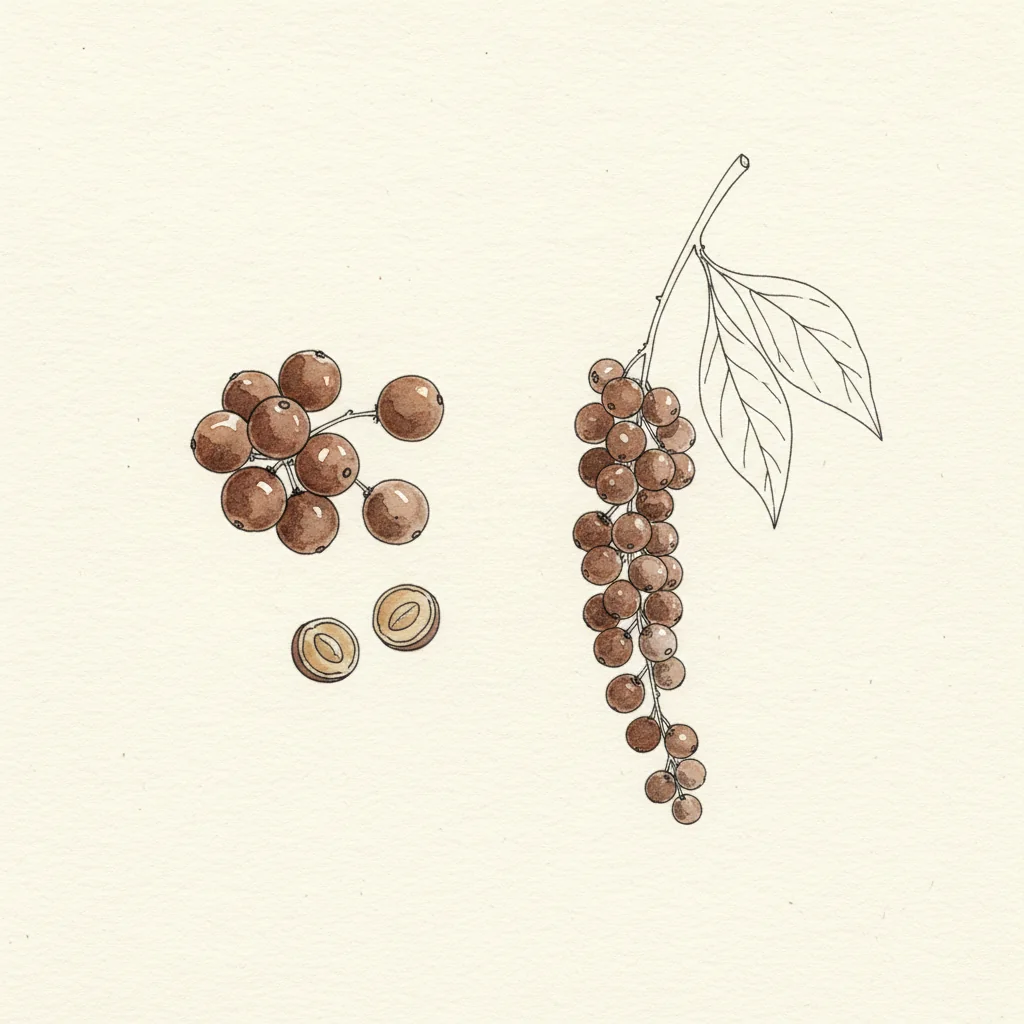
Pepper · Pepper cousin
Timut Pepper
Eastern hill districts of Dolakha and Sindhupalchok, Nepal
pink grapefruit · passion fruit · yuzu
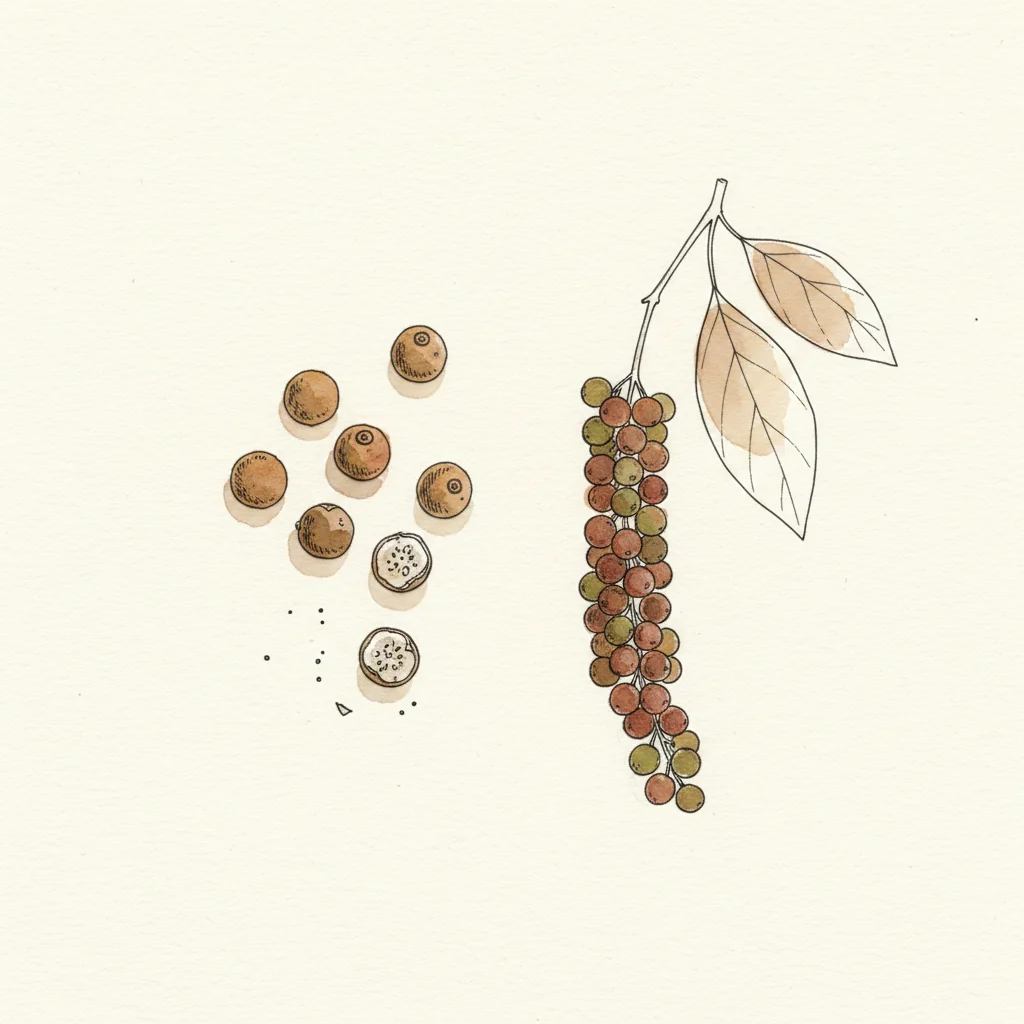
Pepper · Black pepper
Voatsiperifery Pepper
East-coast rainforest, Manakara and Mananjary districts, Madagascar
precious wood · fresh citrus · wild flowers
Our verdict
Timut for raw citrus on fish and chocolate; voatsiperifery for perfumed heat on game and duck.
At a glance
| Criterion | Timut Pepper | Voatsiperifery Pepper |
|---|---|---|
| Botany | Zanthoxylum armatum (citrus family, not pepper) | Piper borbonense, a true wild pepper |
| Origin | Nepal, Dolakha and Sindhupalchok hills | Madagascar, east-coast rainforest |
| Intensity | 7/10 — cool citrus fizz, no real heat | 7/10 — moderate, perfumed, resinous heat |
| Main notes | Pink grapefruit, passion fruit, yuzu | Precious wood, fresh citrus, wild flowers |
| Best on | Raw scallops, ceviche, oysters, chocolate | Game, seared duck, dark chocolate, lobster |
| Price | ~$10 / 1 oz jar | ~$11 / 20 g jar |
| Value | Worth it — one berry per plate | Splurge — but a finishing pepper, used sparingly |
When to choose Timut Pepper
Pick timut when you want bright citrus on cold or sweet plates. It fizzes more than it heats — a cool bright fizz on the lips, far gentler than Sichuan, so the grapefruit and passion fruit lead. Four scenarios where timut wins. First, raw scallops and crudo, where a crushed berry reads like a strange, wonderful citrus. Second, oysters, where one berry over the half-shell is a chef's move. Third, ceviche and fish tartare, lifting the lime without piling on acid. Fourth, milk chocolate and ganache, where the passion-fruit note transforms a basic dessert. The move: crush one or two berries and scatter raw, off the heat, at the very end. Timut's volatile aroma cooks off completely in any braise, so it is strictly a raw finisher. Avoid it on fatty red meat, which buries the citrus, and on already-acidic dishes. At about $10 a jar with one berry per plate, it's good value. Where voatsiperifery would be wrong: on raw white fish and crudo, its resinous wood-and-amber heat is too heavy and warm; you want timut's coolness there. But on a venison sauce or a seared duck breast, the roles flip — timut's tropical citrus has no place against dark game, and voatsiperifery's perfumed warmth is exactly right. Match the grain to the temperature and the meat: cold and citrus-led plates go to timut.
When to choose Voatsiperifery Pepper
Pick voatsiperifery when the plate is warm, gamey or rich and you want a true pepper with perfume. It's a real Piper — Piper borbonense — harvested wild from rainforest vines in Madagascar, and its heat is moderate and almost perfumed, with a light resinous edge rather than a sharp bite. The flavor is precious wood, fresh citrus and wild flowers over pine resin and amber honey. Four scenarios where it wins. First, game and venison, where the woody warmth meets the meat. Second, seared duck breast, where its perfume cuts the fat. Third, dark chocolate ganache, where the amber-honey note deepens the cocoa. Fourth, grilled lobster, where it flatters the sweet flesh. The move: crush two or three berries coarse in a mortar and add off the heat at the very end. Long braises and slow cooking burn off the volatile aromatics, and long marinades let the perfume fade before it does any work; keep it away from anything already resinous, like a juniper cure, where the notes collide. At around $11 for 20 g it's a splurge per gram, but it's a finishing pepper used a few berries at a time, so the jar lasts. Where timut would be wrong: on a venison or duck plate, its cool tropical citrus reads thin and out of place; voatsiperifery's warm wood belongs there. Conversely, on raw scallops or chocolate sorbet, reach back for timut. The two are wild peppers in name, but they sit at opposite ends of the table.
Where to buy?
Timut Pepper
Links checked on
| Merchant | Price | Action |
|---|---|---|
| Burlap & Barrel | — | Burlap & Barrel |
| Sous Chef UK | — | Sous Chef UK |
Prices may vary depending on current promotions on the merchant site.
Voatsiperifery Pepper
Links checked on
| Merchant | Price | Action |
|---|---|---|
| Amazon US | — | Amazon US |
| World Spice | — | World Spice |
| Sous Chef UK | — | Sous Chef UK |
Prices may vary depending on current promotions on the merchant site.
Frequently asked questions
- Are both of these true peppers?
- Only voatsiperifery. It's Piper borbonense, a genuine wild pepper from Madagascar. Timut is Zanthoxylum armatum, a citrus-family relative from Nepal, not Piper at all. That's why timut fizzes with citrus while voatsiperifery gives a warmer, woodier heat.
- Which one can I cook with?
- Neither survives a long cook well. Both are volatile finishing peppers added off the heat at the very end. Timut goes raw over crudo and chocolate; voatsiperifery is crushed coarse over finished game and duck. Add either at the start and you lose the aroma you paid for.
- Why is voatsiperifery so expensive?
- It's harvested wild from rainforest vines in Madagascar, not farmed, so supply is limited and labor-intensive. Around $11 for 20 g it's a splurge per gram. But it's a finishing pepper used a few berries at a time, so a small jar lasts a long while.
- Can I swap one for the other?
- No. Timut is cool, citrus-led and built for raw fish and sweets. Voatsiperifery is warm, woody and built for game and duck. Use timut on cold and chocolate plates, voatsiperifery on rich and savory ones. They sit at opposite ends of the meal.
The best pairings
With Timut Pepper
With Voatsiperifery Pepper
Comparison prepared according to our methodology. Sponsored purchase links — see our affiliations.