
Toasted (Roasted) Sesame Oil — pressed from sesame seeds roasted before extraction (Japanese and Korean styles)
In brief — Toasted sesame oil is a finishing oil, not a cooking fat: the seeds are roasted before pressing, which gives the deep amber color and the unmistakable nutty-roasted aroma. The flavor reads toasted nut, warm sesame, and a savory roasted depth with a faint smoky edge. It is potent, so a teaspoon goes a long way over bibimbap, noodles, or dumpling sauce. A standard 11oz bottle of Kadoya runs about $9; artisanal Korean stone-pressed bottles climb past $40. In the kitchen, it's best added raw finish, off the heat — a few drops at the very end and it pairs with bibimbap and rice bowls, stirred through at the table, Korean banchan, namul, and dressed spinach or bean sprouts, noodles, cold or hot, tossed off the heat. Recommended dosage: a teaspoon or less, drizzled raw right before serving — it is a seasoning, not a cooking fat. Expect from $8.00 to $16.00 per 11oz / 325ml bottle (median $10.00).
Origin : Japan (Kadoya, Yamada in Osaka and Kyushu) and South Korea (Korea-grown sesame, with much seed imported from India, Sudan, and Nigeria), Japan / South Korea (none)
Sesamum indicum
« A pantry essential that punches far above its price: the Kadoya bottle at around $9 is genuinely excellent. The artisanal Korean stone-pressed oils are fresher and more layered, but a once-in-a-while splurge, not the everyday pour. »
Toasted sesame oil is a finishing oil, not a cooking fat: the seeds are roasted before pressing, which gives the deep amber color and the unmistakable nutty-roasted aroma. The flavor reads toasted nut, warm sesame, and a savory roasted depth with a faint smoky edge. It is potent, so a teaspoon goes a long way over bibimbap, noodles, or dumpling sauce. A standard 11oz bottle of Kadoya runs about $9; artisanal Korean stone-pressed bottles climb past $40.
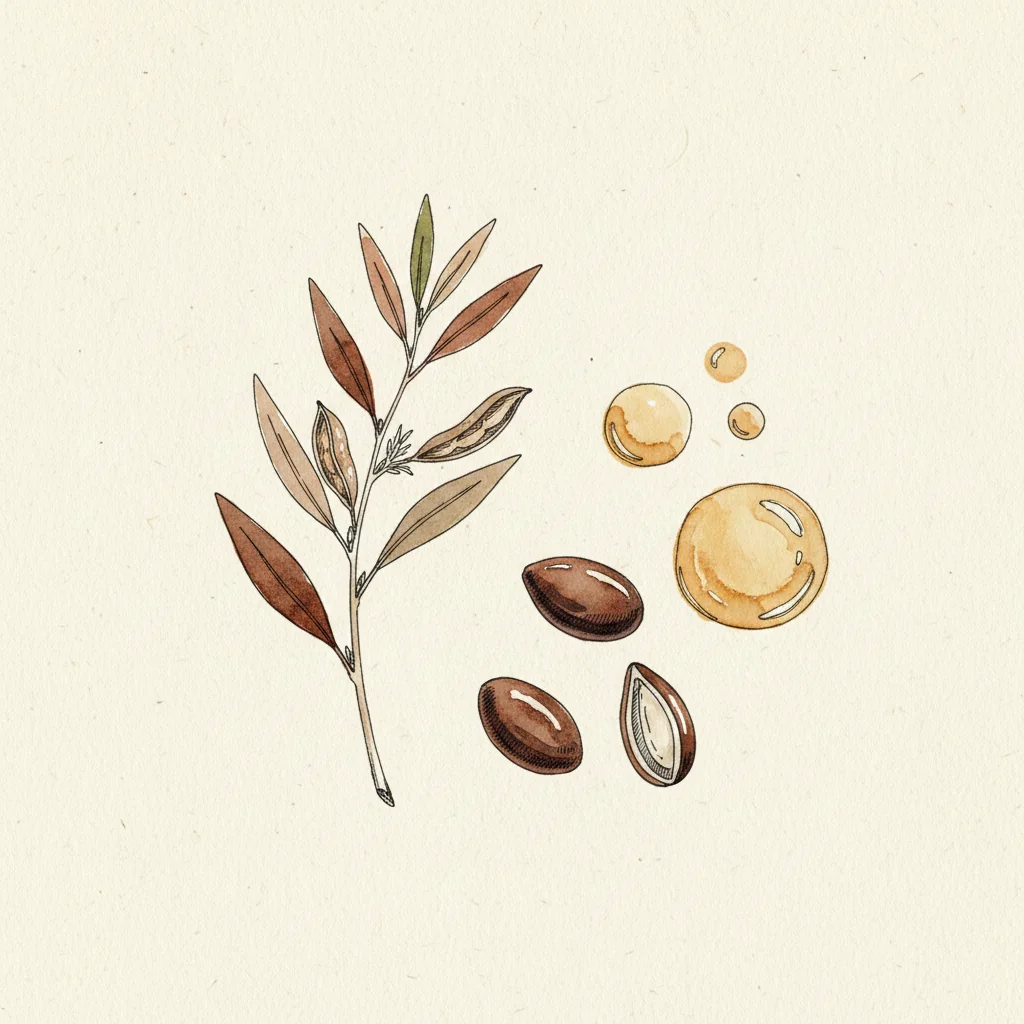
Oil · Sesame oil
Toasted Sesame Oil
Japan (Kadoya, Yamada in Osaka and Kyushu) and South Korea (Korea-grown sesame, with much seed imported from India, Sudan, and Nigeria), Japan / South Korea (none)
deep toasted nut · warm sesame · roasted savory depth
Aromatic profile
| Family | Sesamum indicum |
|---|---|
| Intensity | ●●●●○ (8/10) |
| Main notes | deep toasted nut · warm sesame · roasted savory depth |
| Secondary notes | burnt-sugar edge · popcorn · faint smoke |
| Mouthfeel | viscous and coating, with a roasted aroma that hits the nose before the tongue |
| Finish length | long and lingering, the nutty roast clings to the back of the palate |
Culinary use
- When to add : raw finish, off the heat — a few drops at the very end
- Dosage : a teaspoon or less, drizzled raw right before serving — it is a seasoning, not a cooking fat
- Ideal pairings : bibimbap and rice bowls, stirred through at the table, Korean banchan, namul, and dressed spinach or bean sprouts, noodles, cold or hot, tossed off the heat, dumpling and gyoza dipping sauces, stir-fries finished with a drizzle after the wok comes off the flame, miso soup and ramen, a couple of drops on top
- Avoid with : deep-frying or sauteing as the cooking fat (the low smoke point burns the aromatics and turns the oil bitter), delicate dishes where it would bully every other flavor, anything where a neutral oil does the searing and this can finish later
The grain in detail
First, the distinction that matters most: toasted (or roasted) sesame oil is not the same as the pale, neutral sesame oil sold for frying. Here, the sesame seeds are roasted before they are pressed, which is the entire point — roasting is where the deep amber color and the dark, nutty, roasted aroma come from. That aroma is fragile, which makes this a finishing oil, full stop. The smoke point of toasted sesame oil sits around 350°F (347°F (175°C)), and well below that the roasted aromatic compounds you paid for scorch and turn bitter. So you do not fry in it. You add a few drops off the heat, at the very end, and let the aroma bloom. The flavor reads as toasted nut, warm sesame, and a savory roasted depth, with a burnt-sugar edge and a whisper of smoke on the longer-roasted Korean styles. Two traditions dominate the bottle on your shelf. The Japanese style, led by Osaka's Kadoya (founded 1858) and Kuki, tends to a clean, balanced roast. The Korean style — chamgireum — leans darker and more intense, roasted harder, and is the soul of bibimbap, namul, and the dipping sauces for dumplings. Korea grows some of its own sesame, prized and expensive, but a great deal of the seed pressed in both countries is imported from India, Sudan, Nigeria, and Myanmar. Quality splits hard by price. A mass-market 11oz bottle of Kadoya or Ottogi, around $9, is genuinely good and all most kitchens need. At the top, small Korean producers stone-press tiny made-to-order batches from 100% Korea-grown seed roasted at controlled temperatures — bottles that run $40 to $64 for a small 160 to 200ml format. That is a real flavor difference, fresher and more layered, but it is a treat, not a pantry staple. How to use it: stir it through bibimbap at the table, dress blanched spinach or bean sprouts, toss noodles off the heat, build a dumpling dipping sauce with soy and vinegar, or float a couple of drops on miso soup or ramen. When you buy, read the label: you want "toasted" or "roasted" sesame oil, dark amber in the bottle, ideally 100% sesame with nothing cut in. Pale, light-colored "sesame oil" is the high-smoke-point frying oil and a different product entirely.
History & origin
Sesame is one of the oldest oilseed crops humans cultivated, pressed for oil across Asia and the Near East for millennia. The toasted style central to East Asian cooking took its modern commercial form in Japan in the 19th century — Kadoya Sesame Mills opened in Osaka in 1858 and remains the benchmark American bottle. In Korea, chamgireum (sesame oil) is woven into the everyday table, finishing rice, vegetables, soups, and sauces, and the small artisanal pressers of Korea-grown seed are treated as a near-luxury product.
Provenance & authenticity
What sets the real thing apart — appellation, species and verification cues.
- Species
- Sesamum indicum
Indicative price
Reference format : 11oz / 325ml bottle — from $8.00 to $16.00 (median : $10.00).
Storage
Keep tightly capped in a cool, dark cupboard, away from heat and light; refrigerate after opening to slow the roasted aromatics from fading. Best within 6 to 12 months of opening — toasted oils lose their aroma faster than neutral ones, and a rancid, paint-like smell means it is past it.
Where to buy?
Where to buy it
Links checked on
| Merchant | Price | Action |
|---|---|---|
| Amazon US | — | Amazon US |
| Gochujar | — | Gochujar |
| Sous Chef UK | — | Sous Chef UK |
Prices may vary depending on current promotions on the merchant site.
Alternatives if unavailable
Tags
- sesame oil
- toasted sesame oil
- roasted sesame oil
- chamgireum
- Japan
- South Korea
- Sesamum indicum
- finishing oil
- Kadoya
Frequently asked questions
- How do you store Toasted Sesame Oil?
- Keep tightly capped in a cool, dark cupboard, away from heat and light; refrigerate after opening to slow the roasted aromatics from fading. Best within 6 to 12 months of opening — toasted oils lose their aroma faster than neutral ones, and a rancid, paint-like smell means it is past it.
- What dosage for Toasted Sesame Oil?
- a teaspoon or less, drizzled raw right before serving — it is a seasoning, not a cooking fat
- When should you add Toasted Sesame Oil in cooking?
- It's best used raw finish, off the heat — a few drops at the very end.
- What should you avoid pairing Toasted Sesame Oil with?
- Avoid with: deep-frying or sauteing as the cooking fat (the low smoke point burns the aromatics and turns the oil bitter), delicate dishes where it would bully every other flavor, anything where a neutral oil does the searing and this can finish later.
Go further
The dishes where this toasted sesame oil shines
Also a recommended alternative for
As a complementary pairing with
See every dish where this product is mentioned →
Other oils, vinegars & honeys to discover
Featured in these gift sets
Page prepared according to our methodology. Purchase links marked sponsored and liable to earn a commission — details on our Affiliations page.