
Filé Powder (Ground Sassafras Leaf, Louisiana)
In brief — Filé powder is dried, ground sassafras leaf, and it does two jobs at once: it thickens a gumbo and gives it that unmistakable root-beer-and-thyme woodiness. The Choctaw of Louisiana invented it; Creole cooks made it the backbone of filé gumbo. The catch is timing. Stir it in off the heat, never while it boils, or it turns ropey. A jar runs about $5 and lasts for months. Its aromatic profile develops notes of root-beer woodiness, dried eucalyptus-thyme, green earthy bitterness, extended by faint citrus and savory tea-leaf, for an intensity of 6/10. In the kitchen, it's best added off the heat, at the very end and it pairs with filé gumbo (the okra-free version), Creole and Cajun seafood stews, chicken and andouille gumbo. Recommended dosage: about one teaspoon per quart of gumbo, whisked in off the heat just before serving, or passed at the table. Expect from $4.50 to $9.00 per 1.25 oz jar (median $5.50).
Origin : Louisiana (Choctaw origin, Gulf Coast), United States
Sassafras albidum
« The soul of filé gumbo and a clever two-in-one thickener. Loses a point only because the ropey-when-boiled trap catches every first-timer. Buy small, add off the heat, taste once. »
Filé powder is dried, ground sassafras leaf, and it does two jobs at once: it thickens a gumbo and gives it that unmistakable root-beer-and-thyme woodiness. The Choctaw of Louisiana invented it; Creole cooks made it the backbone of filé gumbo. The catch is timing. Stir it in off the heat, never while it boils, or it turns ropey. A jar runs about $5 and lasts for months.
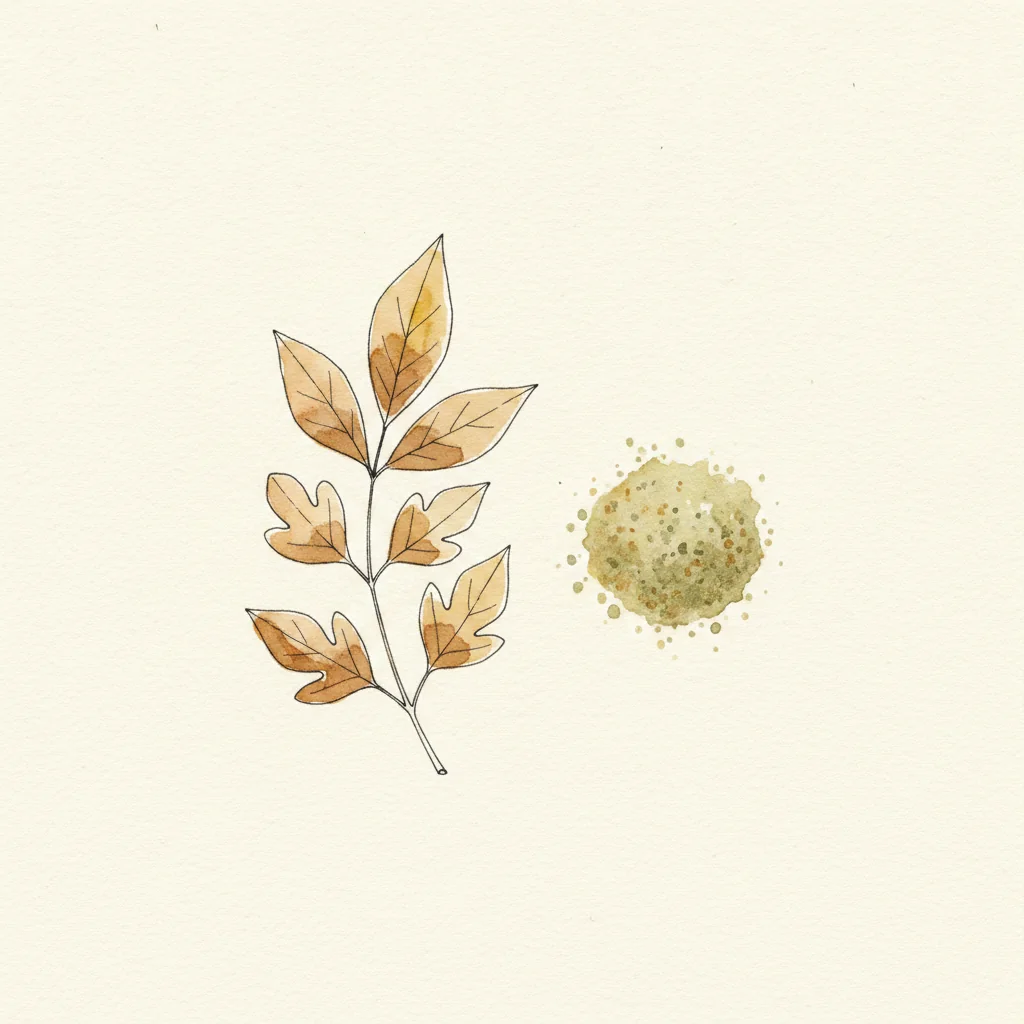
Spice · Ground-leaf thickener
Filé Powder
Louisiana (Choctaw origin, Gulf Coast), United States
root-beer woodiness · dried eucalyptus-thyme · green earthy bitterness
Aromatic profile
| Family | Aromatic dried leaf (lauraceae) |
|---|---|
| Intensity | ●●●○○ (6/10) |
| Main notes | root-beer woodiness · dried eucalyptus-thyme · green earthy bitterness |
| Secondary notes | faint citrus · savory tea-leaf |
| Mouthfeel | fine sage-green powder that turns silky and slightly mucilaginous once stirred into hot liquid, never gritty |
| Finish length | short to medium, a soft woody warmth that fades clean with a touch of tannic green |
Culinary use
- When to add : off the heat, at the very end
- Dosage : about one teaspoon per quart of gumbo, whisked in off the heat just before serving, or passed at the table
- Ideal pairings : filé gumbo (the okra-free version), Creole and Cajun seafood stews, chicken and andouille gumbo, bowl-side seasoning sprinkled by each eater, thickening a thin sauce or soup base
- Avoid with : anything left to boil after it goes in (it turns ropey and stringy), dishes already thickened with okra (you double up and get slime), high-heat searing or roasting (the aroma cooks off)
The grain in detail
Filé powder is simply the young leaves of the American sassafras tree (Sassafras albidum), dried and ground to a fine sage-green powder. It is one of the few genuinely Native American contributions to the global pantry: the Choctaw of the Gulf Coast pounded sassafras leaves into a thickener and seasoning long before the French arrived, and the word 'filé' is French for 'spun' or 'stringy,' a nod to the silky thread the powder pulls in hot liquid. In a pot of gumbo it does two things no other ingredient does together. It thickens, lending body to a stew that uses no okra, and it perfumes, throwing off a woody, root-beer-and-dried-thyme aroma that defines the dish. That flavor comes mainly from the leaf's aromatic oils; note that the safrole-heavy sassafras root bark was restricted by the FDA in 1960, but the ground leaf used for filé carries only trace amounts and remains the legal, traditional ingredient. The whole game is heat and timing. Filé must go in off the heat, after the pot comes off the burner, because boiling it makes the mucilage seize into ropey strings that no amount of stirring will smooth. Whisk a teaspoon per quart into the finished gumbo, or skip it in the pot entirely and pass the jar so each eater seasons their own bowl, which is how many old Creole households do it. It is the marker of filé gumbo, the version made without okra, and it is essential to Louisiana cooking the way roux and the holy trinity are. Outside of gumbo it can quietly thicken and season a thin seafood stew or a brothy soup. Buy the mass-market jar for everyday cooking and a fresher, single-source grind if you want the aroma louder.
History & origin
Filé is a Choctaw invention, ground from sassafras leaves by the Indigenous people of the Gulf Coast and adopted by French Creole and Cajun cooks in 18th- and 19th-century Louisiana. The name comes from the French 'filer,' to spin or make threads, describing how the powder strings in hot liquid. It became the defining thickener of filé gumbo, distinct from the okra-thickened style. There is no PDO or formal appellation, but the product is inseparable from Louisiana foodways and remains a Creole and Cajun staple. In 1960 the FDA restricted safrole-rich sassafras root extract; the dried leaf used for culinary filé contains only trace amounts and was never banned.
Provenance & authenticity
What sets the real thing apart — appellation, species and verification cues.
- Species
- Sassafras albidum
Indicative price
Reference format : 1.25 oz jar — from $4.50 to $9.00 (median : $5.50).
Storage
Airtight jar, away from light and heat. The aroma fades within a year, so buy small and replace it once it smells flat rather than woody.
Where to buy?
Where to buy it
Links checked on
| Merchant | Price | Action |
|---|---|---|
| Amazon US | — | Amazon US |
| The Spice House | — | The Spice House |
| Oaktown Spice Shop | — | Oaktown Spice Shop |
Prices may vary depending on current promotions on the merchant site.
Tags
- United States
- Louisiana
- Choctaw
- sassafras
- gumbo
- thickener
- Creole
- Cajun
Frequently asked questions
- How do you store Filé Powder?
- Airtight jar, away from light and heat. The aroma fades within a year, so buy small and replace it once it smells flat rather than woody.
- What dosage for Filé Powder?
- about one teaspoon per quart of gumbo, whisked in off the heat just before serving, or passed at the table
- When should you add Filé Powder in cooking?
- It's best used off the heat, at the very end.
- What should you avoid pairing Filé Powder with?
- Avoid with: anything left to boil after it goes in (it turns ropey and stringy), dishes already thickened with okra (you double up and get slime), high-heat searing or roasting (the aroma cooks off).
Go further
The dishes where this filé powder shines
See every dish where this product is mentioned →
Other spices to discover
Page prepared according to our methodology. Purchase links marked sponsored and liable to earn a commission — details on our Affiliations page.