
Dish × condiment pairing
Which bold honey for aged cheese?
Season : all-year · Occasion : cheese board, aperitivo, entertaining
Chestnut. It is the one honey that tastes savory, with a tannic, frankly bitter grip that stands up to a hard, salty aged pecorino instead of drowning it in sweetness. Drizzle it raw over the shaved cheese, off the heat. A 250g jar runs about $12 to $22.
In detail
The best honey for an aged hard cheese like pecorino is chestnut honey, the dark, treacle-brown monofloral from Castanea sativa made across Tuscany, Piedmont and the Cévennes, with the Corsican lots carrying a PDO. It is the one honey that tastes savory rather than sweet, with a genuine tannic grip and a frank bitterness, plus notes of roasted chestnut, dark caramel and soft leather. That bitterness is exactly why it works against a salty, crystalline aged cheese: it meets the cheese as a contrast, like a tannic wine, instead of drowning it in sugar. Drizzle it raw over the shaved cheese, off the heat, and start small because it is loud. A 8.8 oz (250 g) jar runs about $12 to $22. For a darker, sweeter American option, buckwheat honey brings molasses and malt for around $12 to $20.
Our recommendation
Honey · Monofloral honey
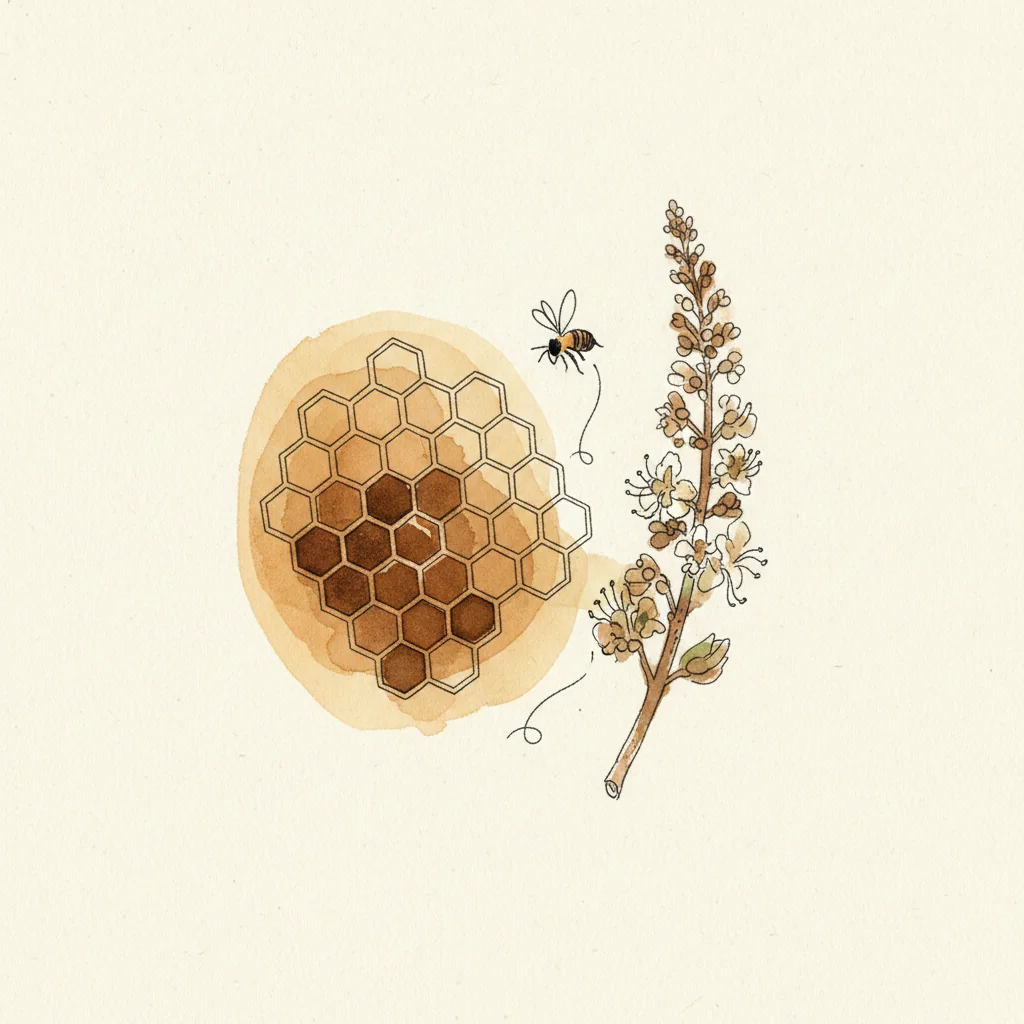
Chestnut Honey
Italian chestnut belt (Tuscany, Piedmont) and southern France (Cévennes, Corsica), Italy / France (PDO (Mele di Corsica — Miel de Corse, for the Corsican lots))
wood tannin · noble bitterness · roasted chestnut
Chestnut honey, dark and treacle-brown from Castanea sativa across Tuscany, Piedmont and Corsica, is the rare honey with real bitterness and a tannic grip. That savory backbone is why it matches an aged pecorino's salt and crystals rather than fighting them: roasted-chestnut, dark-caramel and leather notes meet the cheese as a contrast, not a sugar coat. The Corsican lots even carry a PDO. About $12 to $22 a jar.
Intensity 8/10
Where to buy it
Links checked on
| Merchant | Price | Action |
|---|---|---|
| Amazon US (Manoir des Abeilles, France) | — | Amazon US (Manoir des Abeilles, France) |
| Giannetti Artisans (Garfagnana, Tuscany) | — | Giannetti Artisans (Garfagnana, Tuscany) |
| Sous Chef UK (Napoleon, France) | — | Sous Chef UK (Napoleon, France) |
Prices may vary depending on current promotions on the merchant site.
Affiliate links — La Pincée may earn a commission on some sales, at no extra cost to you. Read more.
The catch
Drizzling sweet clover honey on an aged pecorino is a waste; the cheese's salt and sharpness swallow it whole. Chestnut honey is the one that fights back. It is genuinely bitter, with a tannic grip and roasted-chestnut depth, so it meets the cheese as a contrast the way a tannic red does, not a sugar coat. If you came for sweet, this isn't it, and that's the point.
Chef's note
Shave the pecorino thin so the honey can ribbon over and between the curls rather than pooling. Drizzle chestnut honey raw, straight from the jar, off any heat, and go light: it is loud, so a thin thread per few shavings is plenty. Add a few toasted walnuts and a crack of pepper, and let the bitterness and salt do the talking.
Tasting note
wood tannin · roasted chestnut · dark caramel · noble bitterness · about $12 to $22 for a 8.8 oz (250 g) jar, with the Corsican PDO lots at the top. Worth it, and a little goes a long way since it is so loud.
These three sections appear on every one of our pairing pages — our methodology.
Alternatives to explore
-
Honey · Monofloral honey
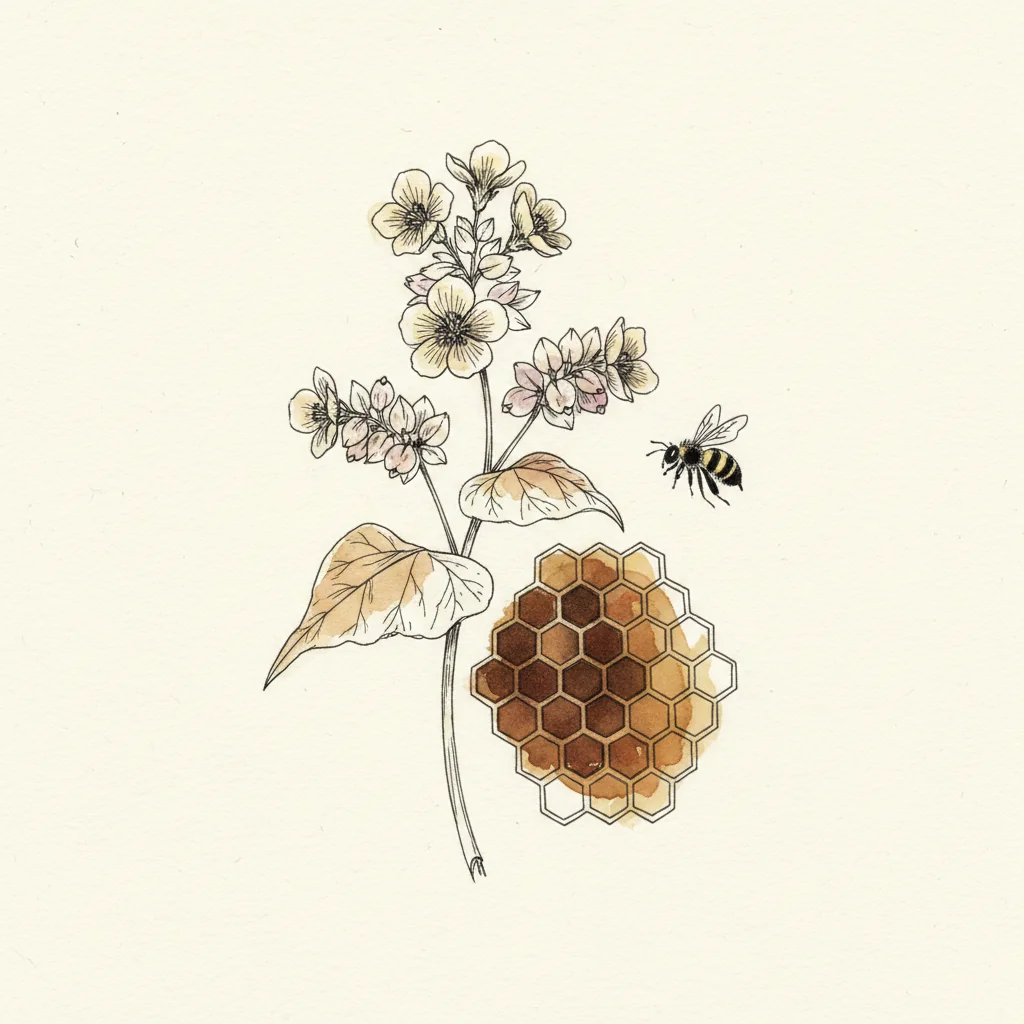
Buckwheat Honey
Upstate New York & Minnesota (also the Dakotas), United States
Intensity 9/10
Buckwheat brings molasses and malt with a barnyard funk that also holds up to hard cheese, leaning sweeter and darker than chestnut's bitterness. The American pick at about $12 to $20.
-
Honey · Monofloral honey
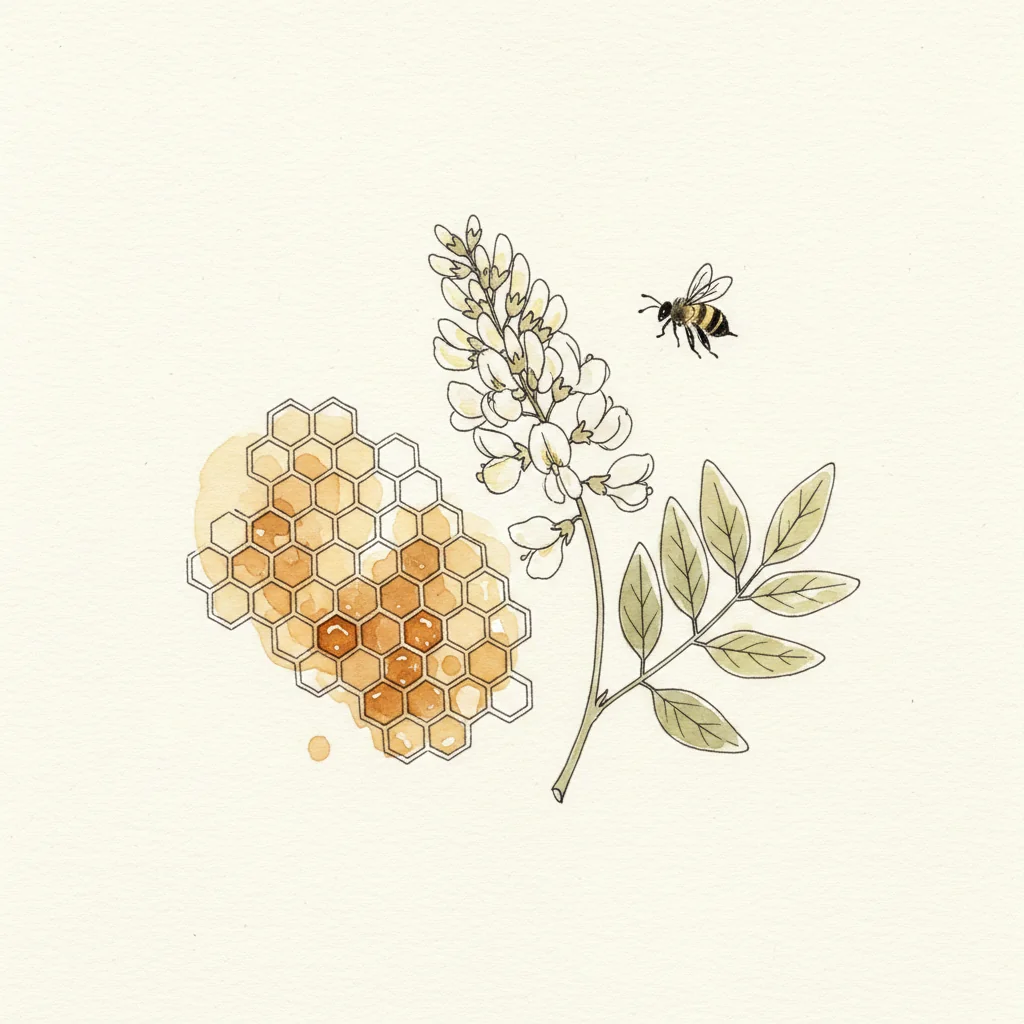
Acacia Honey
Great Hungarian Plain and the wider Carpathian Basin (also Romania, Bulgaria, Serbia), Hungary
Intensity 3/10
Acacia goes the opposite way: a clean, soft drizzle that lets a young goat cheese shine. On a hard aged pecorino it simply gets buried, so save it for delicate cheeses.
Complementary ingredients
- Buckwheat Honey — The darker, sweeter swap when you want molasses-malt instead of bitter tannin
Frequently asked questions
- Why pair bitter honey with aged cheese?
- A hard aged cheese like pecorino is salty and sharp, so a plain sweet honey just reads as sugar on top. Chestnut honey's tannic bitterness sits alongside the salt as a contrast, the way a tannic red wine cuts a rich cheese, instead of smothering it.
- Should I warm chestnut honey before serving it on cheese?
- No. Drizzle it raw, straight from the jar, off any heat. Chestnut honey is runny enough to ribbon over shaved cheese, and heating only flattens the roasted-chestnut and leather notes that make it worth using here.
- Is chestnut honey too bitter for a cheese board?
- Not on aged or blue cheeses, where the bitterness is the point. Avoid it if you came expecting plain sweetness, and start with a small drizzle since it is loud. On a mild breakfast spread it will ambush you.
This pairing was validated according to our methodology. Purchase links are marked sponsored and may earn a commission — details on our Affiliations page.