
Comparison
Apple cider vinegar vs saba grape must — what's the difference?
Barely related. Apple cider vinegar is a thin, tart, fruity everyday acid for slaws, pickles, and mop sauce, about $6. Saba is a thick, sweet, raisiny grape syrup with no acid bite, for drizzling over ricotta, gelato, and squash, about $19. For brightness and everyday cooking, ACV. For a sweet finishing drizzle, saba. They don't substitute.
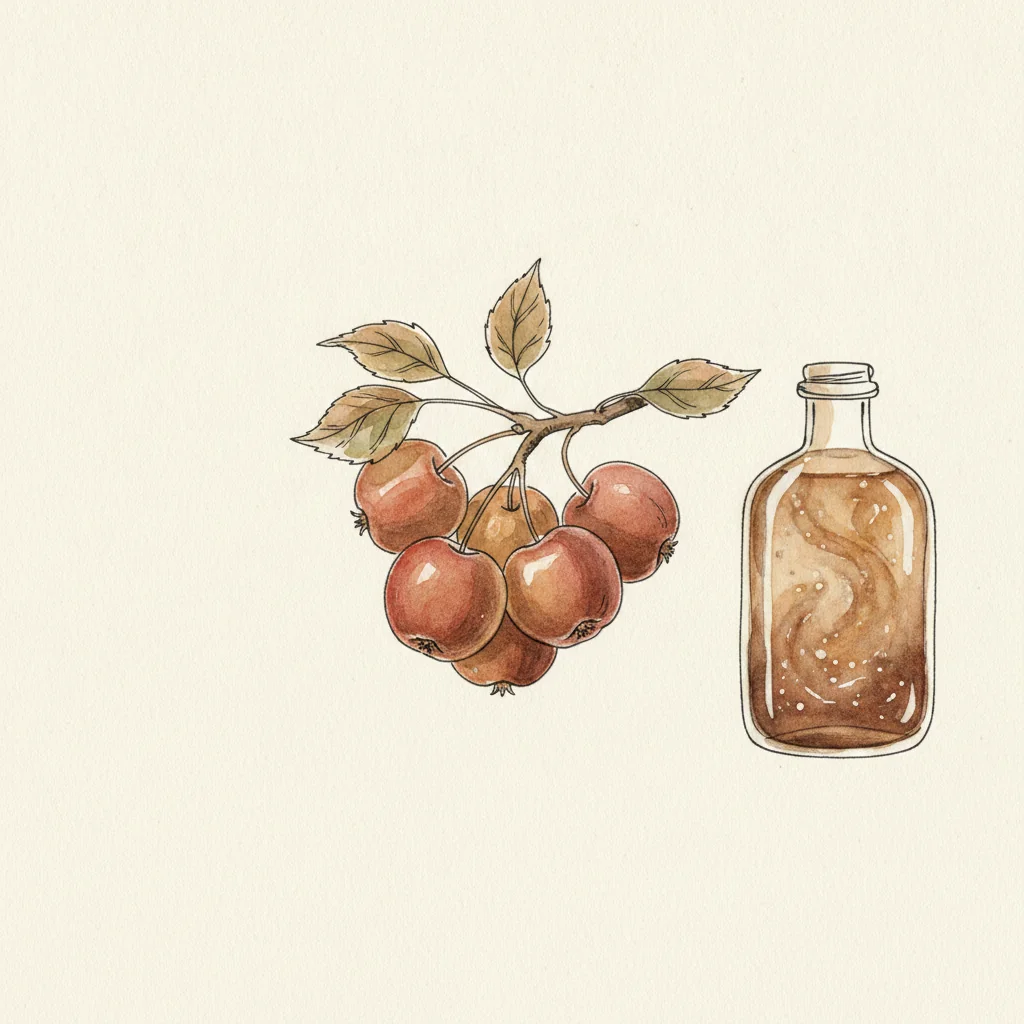
Vinegar · Raw cider vinegar
Raw Apple Cider Vinegar
Vermont (US) · Herefordshire (UK), traditional cider-apple country, United States / United Kingdom
ripe apple · soft honey · clean tartness
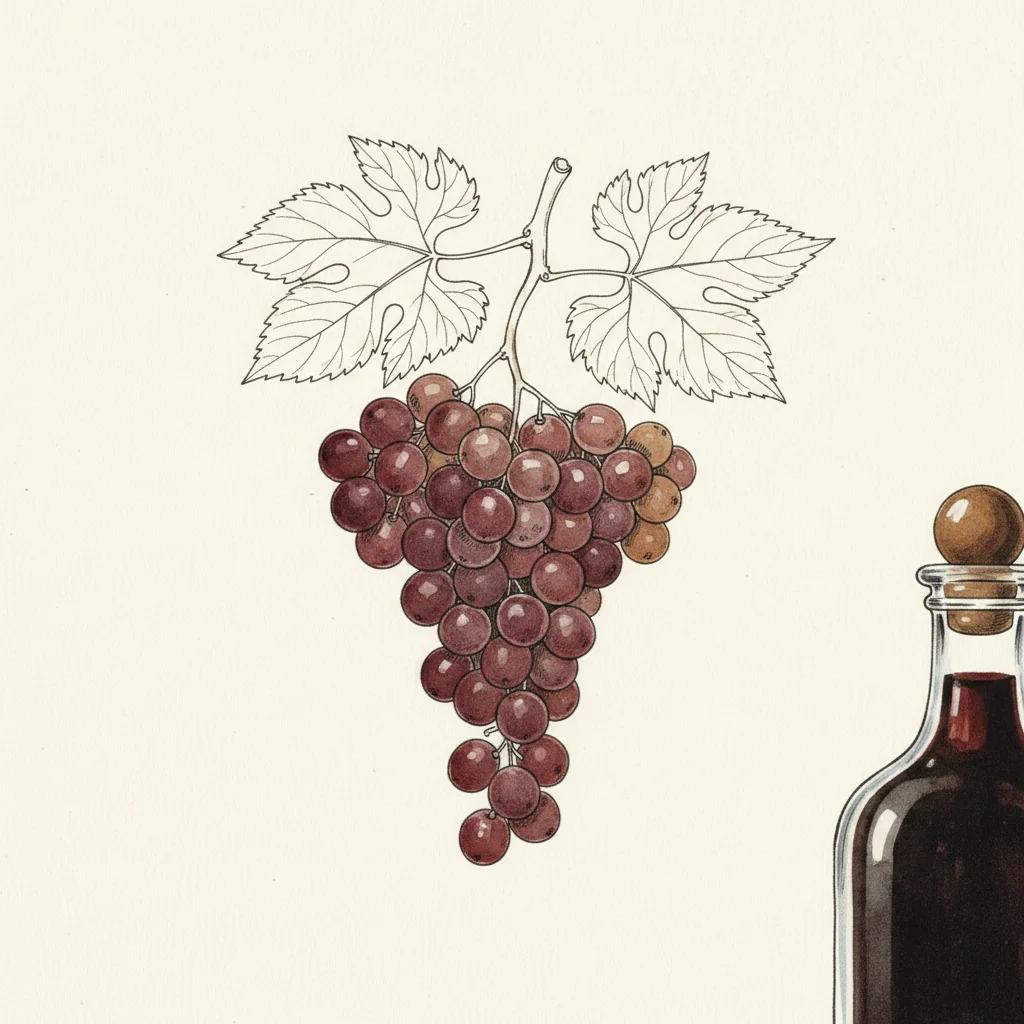
Vinegar · Cooked-must condiment
Saba (Grape Must Syrup)
Modena and Reggio Emilia, Emilia-Romagna, Italy
cooked grape · raisin · dark caramel
Our verdict
Apple cider for tart everyday work, saba for sweet finishing drizzles.
At a glance
| Criterion | Raw Apple Cider Vinegar | Saba (Grape Must Syrup) |
|---|---|---|
| What it is | Raw unfiltered cider vinegar with the mother | Cooked grape must syrup, un-aged |
| Origin | Vermont (US) / Herefordshire (UK) | Modena and Reggio Emilia, Italy |
| Taste direction | Tart, bright, fruity | Sweet, raisiny, no acid bite |
| Texture | Thin, slightly cloudy, pourable | Thick, syrupy, coats the spoon |
| Main notes | Ripe apple, soft honey, clean tartness | Cooked grape, raisin, dark caramel |
| Best use | Slaw, quick pickles, mop sauce, marinades | Ricotta, gelato, roasted squash, yogurt |
| Median price | $6 / 16oz | $19 / 250ml |
| Value | Cheapest everyday acid, pour freely | Cheap sweet finisher, drizzle generously |
When to choose Raw Apple Cider Vinegar
Reach for the apple cider vinegar whenever the dish wants a tart, bright, everyday acid — this is the cupboard workhorse, the one you'll reach for most. Raw, unfiltered, with the mother in the bottle, it carries ripe apple, soft honey, and a tartness rounder and more mellow than wine vinegar. That fruity brightness is the point: it's the right acid for coleslaw and slaw dressings, for quick pickles of onions and cucumbers, for chicken and pork marinades, for a Carolina-style mop sauce, for a splash in braised greens, for a vinaigrette over soft leaves. The catch, said plainly: it isn't a health tonic, it's a workhorse, and its worth is in how often you use it. At about $6 for a 16oz bottle (Bragg's in the US, Aspall's around £3 in the UK) it's cheap enough to pour by the splash. The rule against saba: any plate that wants sourness, lift, or a clean tart cut belongs to the ACV, because saba has no acid at all and can't brighten or sharpen a thing. They're not competitors so much as opposites — one sours, one sweetens. Where the ACV loses to saba is the sweet finish: on ricotta, on gelato, on roasted squash or yogurt, its tartness reads wrong, and there the saba's syrup is the only sensible pour. It's also not the acid for a sharp clean cut on raw fish — white wine vinegar beats it there, since the apple note can muddy a delicate plate. Keep it capped, away from light, at room temperature; the cloudy raft or sediment is the mother, perfectly edible, and it keeps for years, only mellowing. The verdict on ACV: it's the cheapest, most-used, most forgiving acid you can own, the default splash for everyday cooking. Buy it for the slaws and pickles and marinades, use it freely, and don't ask it to finish a dessert — that's where the saba takes over, and the two share almost no ground.
When to choose Saba (Grape Must Syrup)
Reach for the saba when a plate leans sweet and wants a glossy, raisiny drizzle to finish it. Saba is grape must — the same Trebbiano and Lambrusco that start a balsamic — cooked down for hours into a thick, sweet syrup, then bottled young with no aging. So it pours like warm honey: cooked grape, raisin, and dark caramel, sweet up front with only a faint grape tartness behind it, nothing like a vinegar's bite. That's exactly why it does what the apple cider vinegar can't. Drizzle it over ricotta and fresh cheeses, over vanilla or fior di latte gelato, over roasted squash and root vegetables, over Greek yogurt and oatmeal, or as a glaze for pork or duck off the heat. At about $18 to $20 for a 250ml bottle it's a cheap, honest sweet finisher, so be generous — a teaspoon or two over the plate. The rule against the ACV: any dish that wants sweetness and lush depth without acid belongs to the saba, and a splash of tart apple vinegar there would sour and spoil the creamy or sweet base. They sit at opposite ends and almost never substitute. Where saba loses to the ACV is everything tart and savory. It can't dress a slaw, can't make a quick pickle, can't build a marinade or a mop sauce — it has no acidity to give, so on those everyday jobs it's simply the wrong tool. So don't mistake it for a vinegar: it's a syrup, and it's a specialist. Keep it capped in a cool, dark cupboard; it lasts a year or more, and if it crystallizes or thickens, warm the bottle gently in a water bath, no fridge needed. The verdict on saba: it's the value sweet-drizzle specialist, lovely over dairy, gelato, and roasted vegetables, and honest about what it is. Reach for it whenever the plate is sweet, and leave the tart, everyday acid work to the apple cider vinegar — between them they cover both directions, with almost no overlap.
Where to buy?
Raw Apple Cider Vinegar
Links checked on
| Merchant | Price | Action |
|---|---|---|
| Amazon US | — | Amazon US |
Prices may vary depending on current promotions on the merchant site.
Saba (Grape Must Syrup)
Links checked on
Prices may vary depending on current promotions on the merchant site.
Frequently asked questions
- Can saba replace apple cider vinegar?
- No. Saba is a sweet syrup with no acid; ACV is a tart vinegar. Saba can't dress a slaw, make a pickle, or sharpen a dish, and ACV can't give a dessert sweet gloss. They cover opposite directions, with almost no overlap.
- Which is cheaper?
- Apple cider vinegar, at about $6 for 16oz against roughly $19 for a 250ml bottle of saba. The ACV is the high-volume everyday acid; saba is a specialist sweet finisher you use more occasionally, though it's still inexpensive.
- When do I reach for saba over the apple cider vinegar?
- Whenever the plate leans sweet: ricotta, gelato, roasted squash, yogurt, or a pork glaze off the heat. There saba's raisin-sweet syrup is right and the ACV's tartness would jar. For slaws, pickles, and marinades, it's the ACV.
- Is apple cider vinegar good for sweet dishes?
- Not really — its job is tart brightness. For a sweet drizzle you want saba (or balsamic). Use the ACV where you need acid: slaws, pickles, marinades, mop sauce, and everyday dressings.
The best pairings
With Raw Apple Cider Vinegar
With Saba (Grape Must Syrup)
Comparison prepared according to our methodology. Sponsored purchase links — see our affiliations.