
Dish × condiment pairing
Best British sea salt for fish and chips?
Season : all-year · Occasion : weekend, friday night, seaside
Cornish Sea Salt. Scatter the small, crisp Atlantic flakes over the chips and the battered fish the second they drain, while the surface is hot and oil-slicked, so the brine clings. The brisk, fresh sea note suits white fish and fried batter. Salt them cold and the flakes slide off the greasy crust onto the paper.
In detail
The best British sea salt for fish and chips is Cornish Sea Salt, the small, crisp Atlantic flake harvested off the Lizard Peninsula, the most southerly point of mainland Britain. Its brisk, bright brine reads as fresh sea against fried batter, and the fine flake coats both chips and fish evenly. Timing is the whole trick: scatter the salt the instant they drain from the fryer, while the surface is hot and oil-slicked, so the crystals grip and half-melt in. Salt them once they cool and the flakes slide off the greasy crust onto the paper. Order matters with vinegar too: salt the hot dry surface first so it sticks, then splash the malt vinegar after, or the wet crust washes the salt away. It's a sound everyday flake at around £3 to £4 a tub, place and plate matching for a chip-shop classic at home.
Our recommendation
Salt · Flaky sea salt
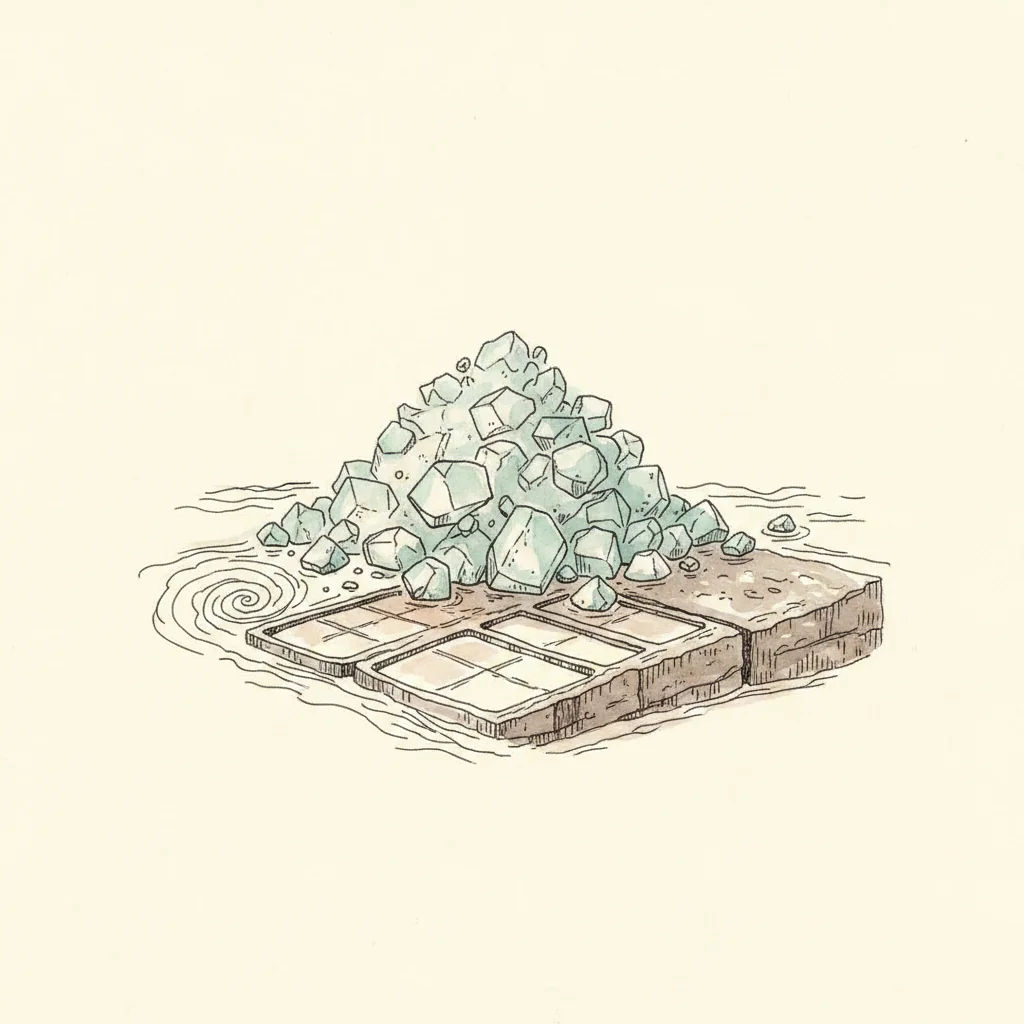
Cornish Sea Salt
Lizard Peninsula, Cornwall, England
bright Atlantic brine · clean mineral · fresh sea note
Fish and chips want a salt that grips hot fried batter and tastes of the sea, and Cornish Sea Salt delivers both: a small, crisp Atlantic flake with a brisk, bright brine harvested off the Lizard Peninsula. Tossed on straight from the fryer, the fine flake half-melts into the oily crust and gives an even, snappy season. It's the obvious British pairing, place and plate matching, at around £3 to £4 a tub, the everyday flake for a chip shop classic at home.
Intensity 6/10
Where to buy it
Links checked on
| Merchant | Price | Action |
|---|---|---|
| Amazon US | — | Amazon US |
| Cornish Sea Salt | — | Cornish Sea Salt |
Prices may vary depending on current promotions on the merchant site.
Affiliate links — La Pincée may earn a commission on some sales, at no extra cost to you. Read more.
The catch
Don't splash the vinegar on before you salt. Malt vinegar wets the batter, and once the crust is damp the salt flakes dissolve and wash straight off into the paper. The order is fixed: salt the hot, dry, just-drained surface so the flakes grip, then hit it with vinegar. Reverse it and you've seasoned the wrapping, not the supper. Cheap chip-shop trick, real difference.
Chef's note
Salt the second the basket lifts, before the fish even hits the plate. Hold the Cornish high and scatter so it lands evenly over chips and battered fish while they're still hissing with oil. Toss the chips once in the bowl so every one passes the salt, then plate and add vinegar at the table. Keep the blanching and frying water lightly salted with cheap coarse salt so the chip is seasoned through, not just on top.
Tasting note
bright Atlantic brine · fresh sea note · fine snap · around £3 to £4 a tub, cheap enough to keep by the fryer and properly Cornish. Worth it.
These three sections appear on every one of our pairing pages — our methodology.
Alternatives to explore
-
Salt · Flaky sea salt
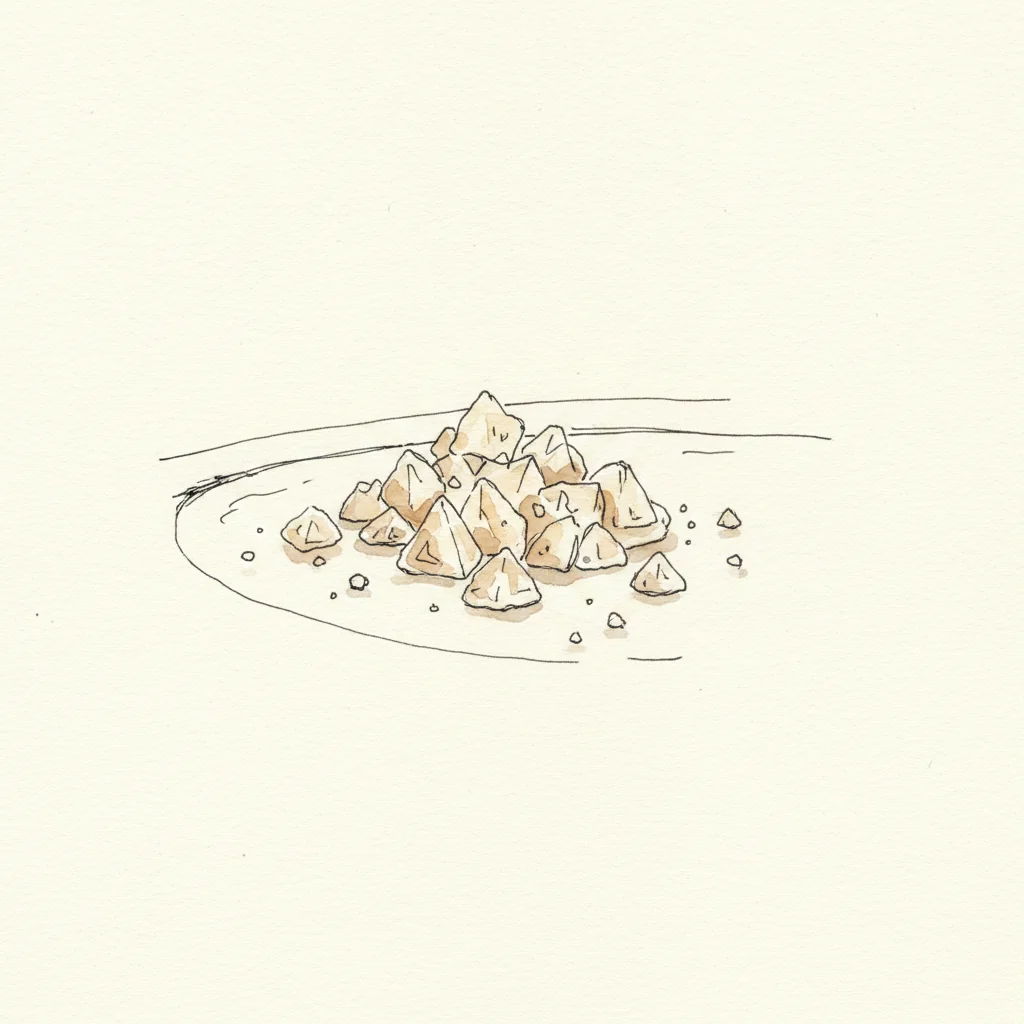
Maldon Sea Salt
Maldon, Essex, Blackwater estuary, England
Intensity 7/10
Maldon's larger pyramids give a bolder crunch on the chip. The pick for statement flakes, though Cornish's finer flake coats battered fish more evenly.
-
Salt · Flaky sea salt
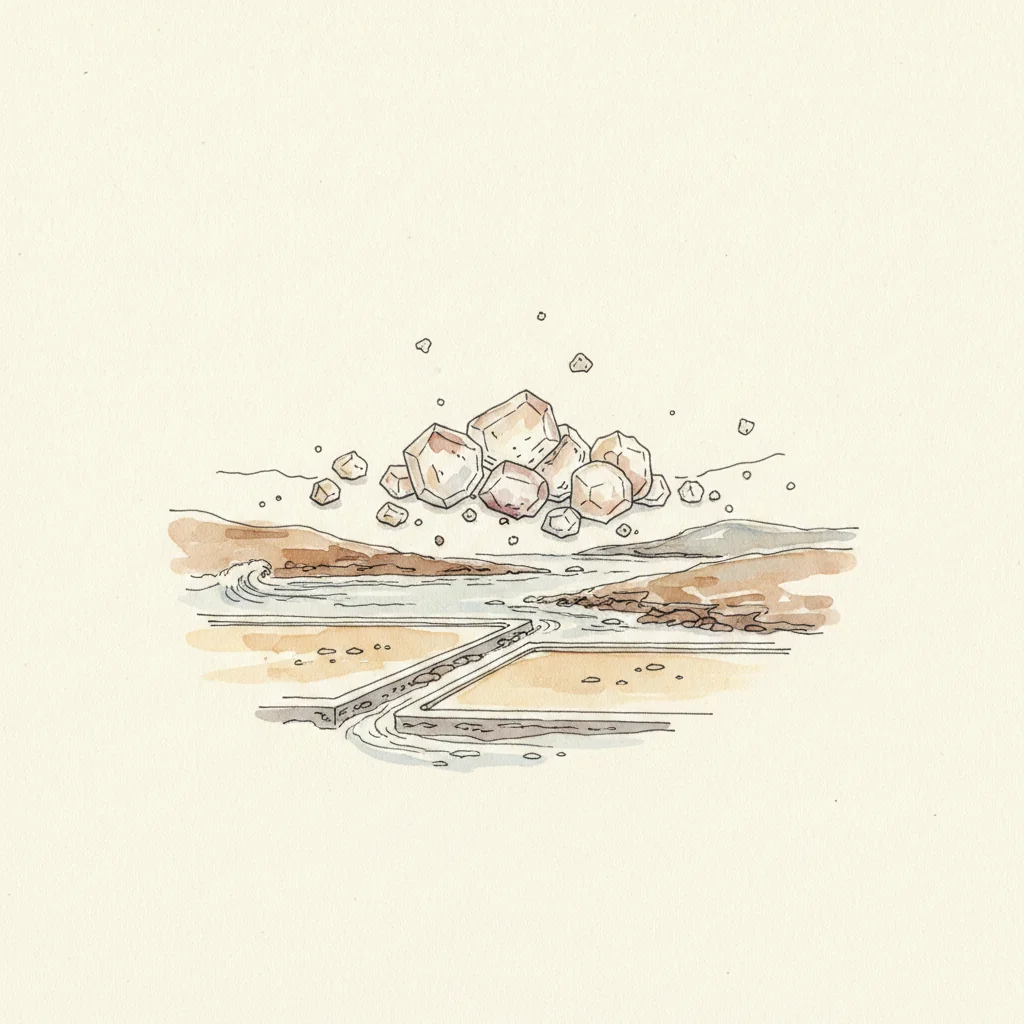
Halen Môn Sea Salt
Anglesey, Menai Strait, Wales (PDO)
Intensity 6/10
Halen Môn is softer and PDO-protected with a rounder brine. A gentler, more premium Welsh finish, a touch less brisk than Cornish's Atlantic snap on fried food.
Complementary ingredients
- Diamond Crystal Kosher Salt — The cheap salt for the chip blanching water, save the Cornish flake for the finish
Frequently asked questions
- When should you salt fish and chips?
- The instant they drain from the fryer, while the batter and chips are hot and oil-slicked. The flakes grip the greasy surface and half-melt in. Salt them once they cool and the set crust just sheds the crystals.
- Why use flaky sea salt on fish and chips instead of table salt?
- Flaky Cornish gives bright bursts of clean sea brine and a snap fine table salt can't, and it matches the dish's coastal character. The brisk Atlantic flake reads as fresh sea against fried batter.
- Does the malt vinegar go on before or after the salt?
- Salt first, on the hot dry surface so it grips, then vinegar. Vinegar before salt wets the crust and the flakes wash off. Salt while hot and dry, splash the vinegar after, and both land properly.
This pairing was validated according to our methodology. Purchase links are marked sponsored and may earn a commission — details on our Affiliations page.