
Comparison
Jacobsen vs Cornish sea salt: which flake salt?
Same role, different markets and prices. Jacobsen is the US homegrown splurge, about $15 for 4 oz, thin soft flakes with a bright Pacific brine. Cornish is the affordable British everyday flake, around £3 to £4 a tub, a brisk Atlantic crunch for fish and chips. For a US plate worth treating, Jacobsen. For everyday finishing and value, Cornish.
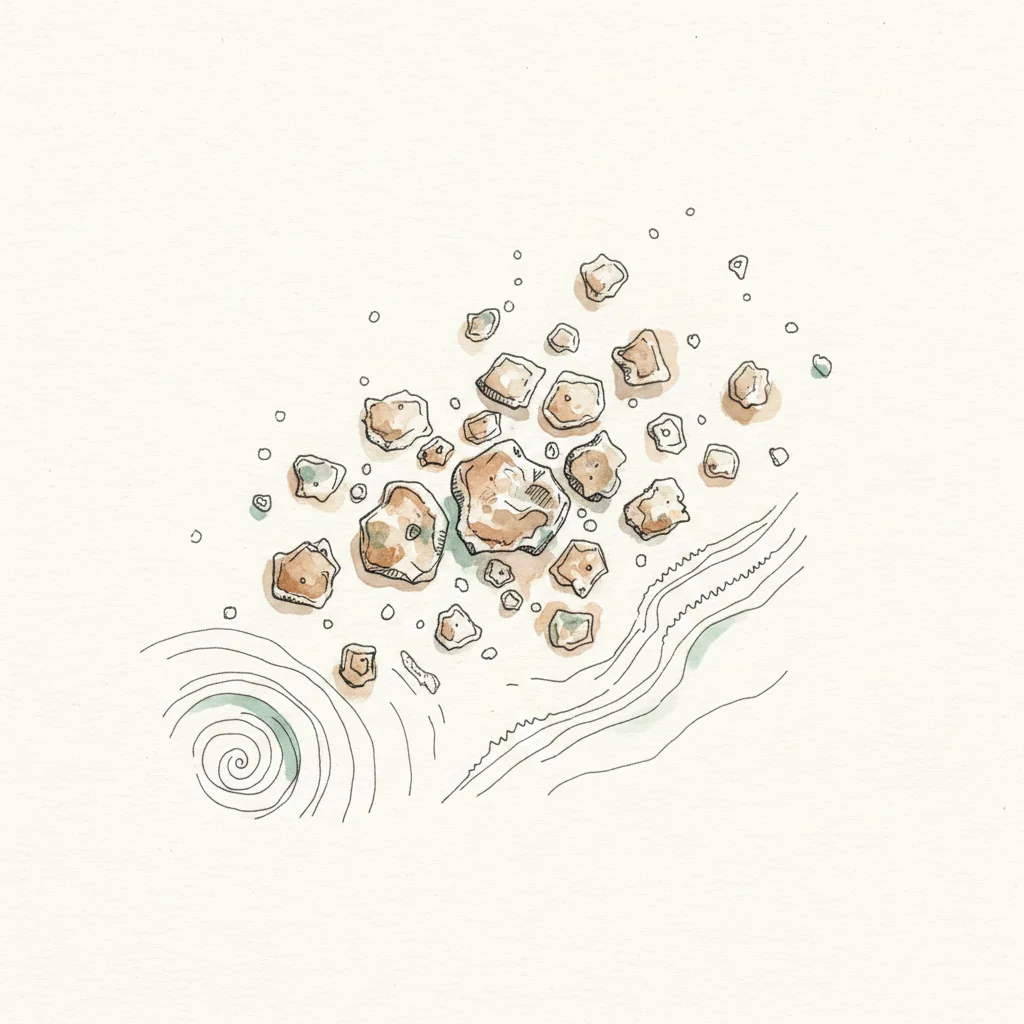
Salt · Flaky sea salt
Jacobsen Pure Flake Salt
Netarts Bay, Oregon coast, United States
bright Pacific brine · clean mineral · soft sweetness
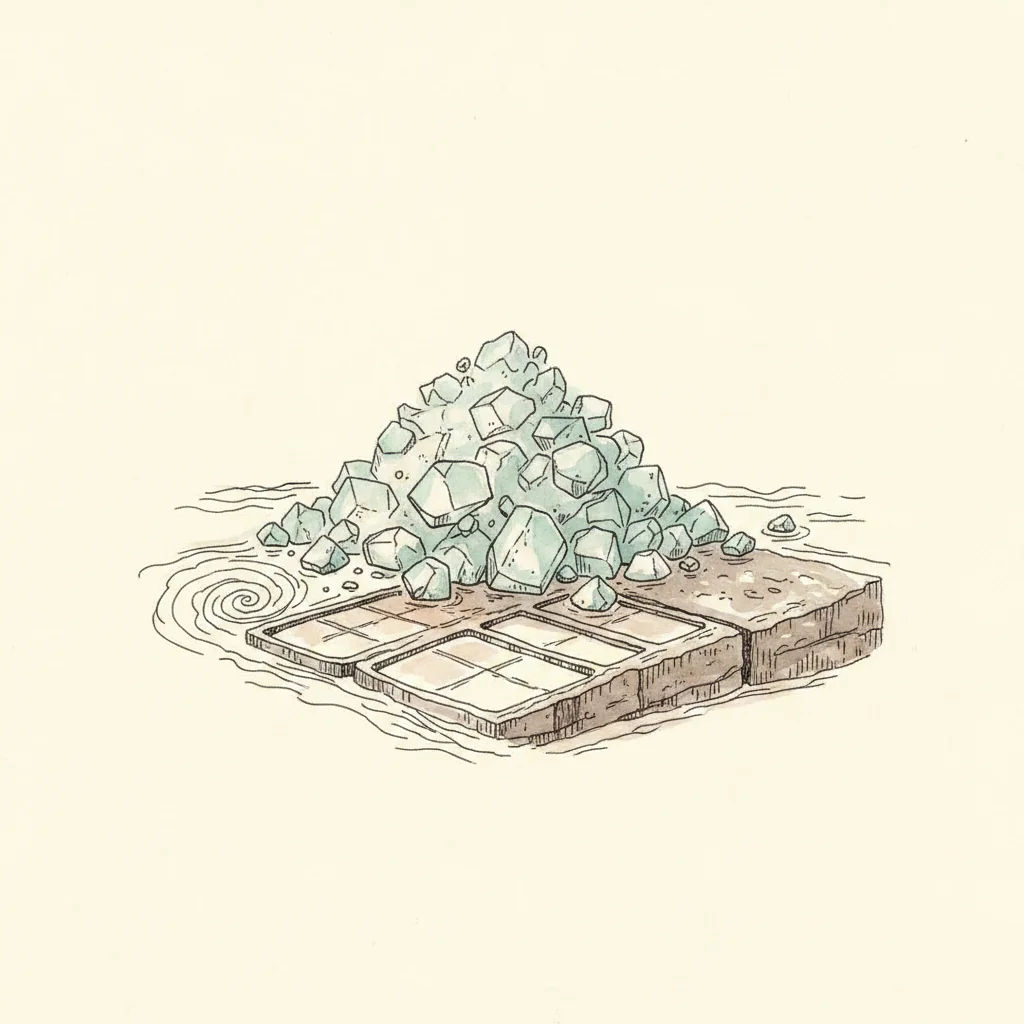
Salt · Flaky sea salt
Cornish Sea Salt
Lizard Peninsula, Cornwall, England
bright Atlantic brine · clean mineral · fresh sea note
Our verdict
Jacobsen for a US splurge; Cornish for affordable everyday British finishing.
At a glance
| Criterion | Jacobsen Pure Flake Salt | Cornish Sea Salt |
|---|---|---|
| Origin | Netarts Bay, Oregon coast, USA (since 2011) | Lizard Peninsula, Cornwall, England |
| Role | Premium finishing flake, the US homegrown pick | Everyday finishing flake, the affordable British default |
| Profile | Bright Pacific brine, clean mineral, soft sweetness | Bright Atlantic brine, clean mineral, fresh sea note |
| Intensity | 7/10 | 6/10 |
| Texture | Thin, broad flakes with a delicate crunch, melts faster than Maldon | Small crisp flakes with a fine crunch that melts quickly and clean |
| Best use | Seared steak, scrambled eggs, oysters, tomatoes, dark chocolate | Fish and chips, seared fish, Sunday roast, salads, bread and butter |
| Price | ~$15 for a 4 oz box | ~£3 to £4 for a 150 g tub |
| Value verdict | A real splurge, the homegrown US flake worth keeping | Affordable everyday value, more economical than Maldon |
When to choose Jacobsen Pure Flake Salt
Reach for Jacobsen Pure Flake when you want the homegrown American finishing salt and the plate is worth treating. It is the first commercial sea salt harvested in the US since colonial times, made from Netarts Bay on the Oregon coast since 2011, and the flakes are thinner and softer than Maldon, melting a touch faster, with a bright Pacific brine, a clean mineral note and a soft sweetness with no metallic edge. That delicacy makes it lovely scattered from a few inches up, right before serving, over a seared steak or chops, scrambled eggs, raw oysters and crudo, ripe tomatoes, dark chocolate and caramel, or fresh bread with butter. Keep it off long cooking, where the flake dissolves and the texture is lost, out of brines and boiling water where kosher belongs, and away from dishes already well seasoned. The honest catch is the price: at about $15 for 4 oz it is a real splurge, several times what the Cornish costs, and the difference on the plate is one of provenance and a slightly softer, sweeter flake rather than a dramatic leap in quality. What you are buying, beyond a fine finishing salt, is the American story, an Oregon sea salt rather than an import. For a US cook who wants to finish with something domestic and a little special, it is worth keeping, and it lasts indefinitely in an airtight container. For everyday finishing where value matters more than provenance, the Cornish does much the same job for far less.
When to choose Cornish Sea Salt
Reach for Cornish sea salt when you want a dependable, affordable finishing flake for everyday plates. Harvested off the Lizard Peninsula in Cornwall, it is a small, crisp Atlantic flake, finer than Maldon, with a brisk, bright brine and a clean mineral note that suits British food especially well. Crushed over the plate raw, just before serving, it gives a fine fresh crunch that melts quickly and clean, made for fish and chips, seared fish and seafood, a Sunday roast and roast potatoes, salads, fresh bread and butter, and chips and fries. Keep it off long braises, where the crunch is lost, and out of boiling water and brines, where a cheap coarse salt does the job. The case for Cornish over Jacobsen comes down to value and availability: at around £3 to £4 a tub it is a fraction of Jacobsen's price, more economical even than Maldon, and it is the easy default in UK kitchens. The flake is a touch crisper and brisker than Jacobsen's thin, soft, slightly sweeter one, so neither is strictly better; they are tuned to different plates and markets. For a British cook finishing fish and chips or a roast, the Cornish is the natural pick and there is no reason to pay several times more for an imported Oregon flake. It keeps for years in an airtight tub, so a single purchase covers a long run of dinners. Buy Cornish when you want everyday finishing crunch without the splurge; save Jacobsen for when the provenance is the point.
Where to buy?
Jacobsen Pure Flake Salt
Links checked on
| Merchant | Price | Action |
|---|---|---|
| Jacobsen Salt Co. | — | Jacobsen Salt Co. |
| Amazon US | — | Amazon US |
Prices may vary depending on current promotions on the merchant site.
Cornish Sea Salt
Links checked on
| Merchant | Price | Action |
|---|---|---|
| Amazon US | — | Amazon US |
| Cornish Sea Salt | — | Cornish Sea Salt |
Prices may vary depending on current promotions on the merchant site.
Frequently asked questions
- Is Jacobsen worth the higher price over Cornish?
- Only if provenance matters to you. Jacobsen at about $15 for 4 oz is a fine, slightly softer and sweeter flake and the homegrown US sea salt. Cornish at £3 to £4 a tub finishes a plate just as well for everyday use. The gap is story, not a dramatic quality leap.
- What's the difference in the flakes?
- Jacobsen's flakes are thin, broad and soft, melting a touch faster than Maldon, with a bright Pacific brine and a soft sweetness. Cornish flakes are smaller and crisper with a brisk Atlantic brine. Both finish cleanly; they suit slightly different plates and markets.
- Can I cook with either of these?
- No, both are finishing salts. Long cooking dissolves the flakes and you lose the texture you paid for. Use a cheap coarse or kosher salt for brines and boiling water, and save these for the final crunch on the plated dish.
- Which should a UK cook buy?
- Cornish, in most cases. It is the affordable, widely available British default, made for fish and chips and Sunday roasts, at a fraction of Jacobsen's price. Jacobsen is an imported US flake in the UK, so the value case strongly favors Cornish.
The best pairings
With Jacobsen Pure Flake Salt
With Cornish Sea Salt
Comparison prepared according to our methodology. Sponsored purchase links — see our affiliations.