
Comparison
Diamond Crystal kosher vs Cornish sea salt for cooking?
These are not rivals, they are a team. Diamond Crystal is the cooking salt: light Alberger flakes, hard to over-salt with, about $11 a 3 lb box, for seasoning and brining. Cornish sea salt is a finishing flake, around £3 to £4 a tub, a crisp bright brine for fish and chips or a Sunday roast. Cook with Diamond Crystal, finish with Cornish.
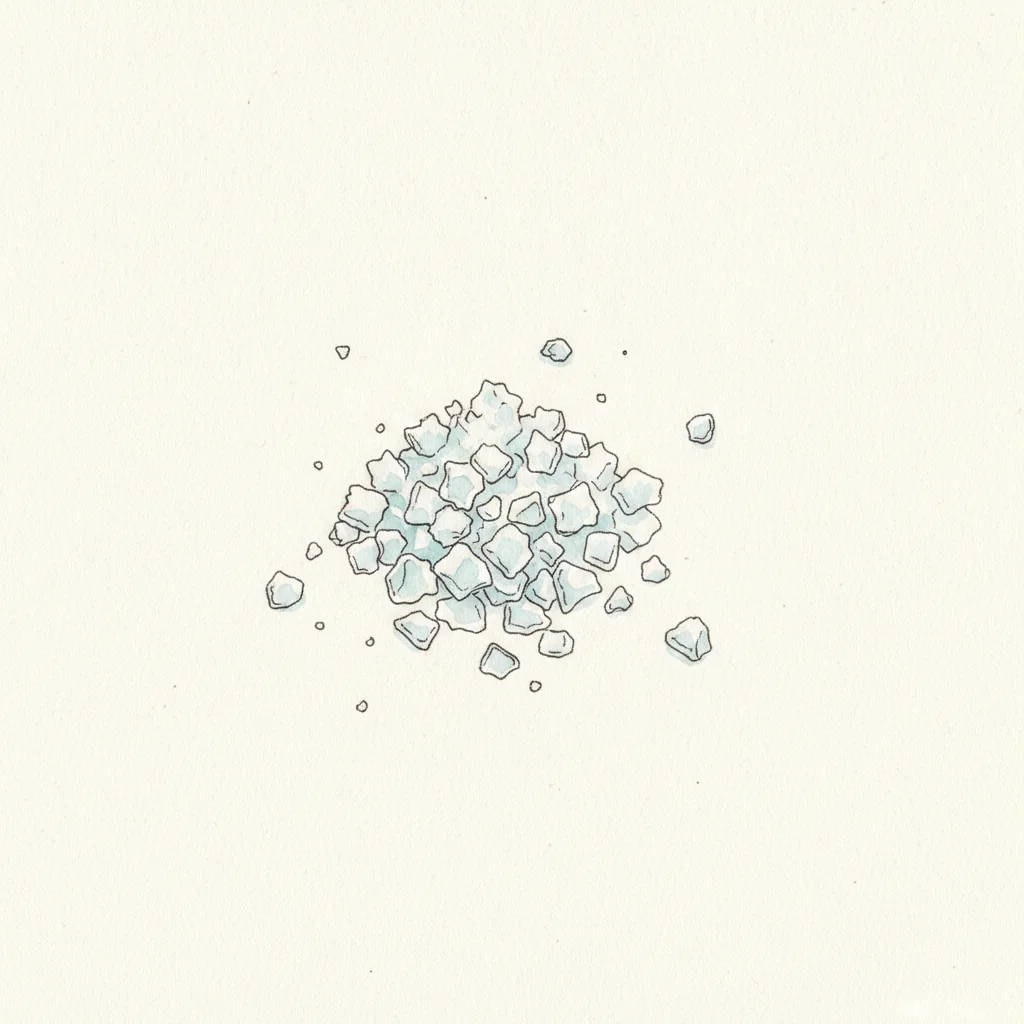
Salt · Kosher salt
Diamond Crystal Kosher Salt
Domestic salt, Alberger process, United States
clean neutral salinity · no bitterness · no additives
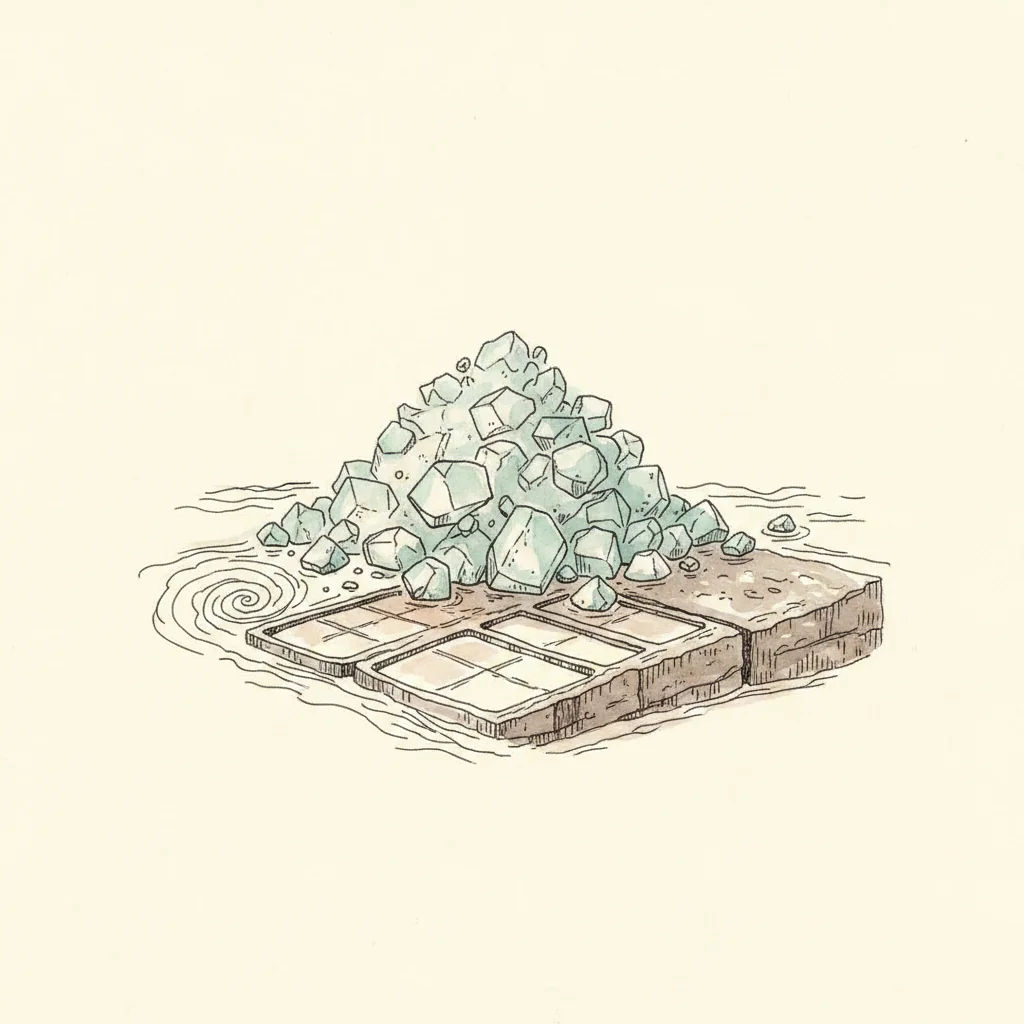
Salt · Flaky sea salt
Cornish Sea Salt
Lizard Peninsula, Cornwall, England
bright Atlantic brine · clean mineral · fresh sea note
Our verdict
Diamond Crystal for cooking and brining; Cornish for the crunch at the finish.
At a glance
| Criterion | Diamond Crystal Kosher Salt | Cornish Sea Salt |
|---|---|---|
| Origin | United States, domestic salt, Alberger process | Lizard Peninsula, Cornwall, England, Atlantic sea salt |
| Role | Cooking and brining salt, the test-kitchen default | Finishing flake for the plate |
| Profile | Clean neutral salinity, no bitterness, no additives | Bright Atlantic brine, clean mineral, fresh sea note |
| Intensity | 5/10 — deliberately neutral | 6/10 — brisk and bright |
| Texture | Light hollow flakes that crush easily and dissolve fast | Small crisp flakes with a fine crunch that melts quickly and clean |
| Best use | Seasoning before searing, salting pasta water, brines, doughs | Fish and chips, seared fish, Sunday roast, salads, bread and butter |
| Price | ~$11 for a 3 lb box | ~£3 to £4 for a 150 g tub |
| Value verdict | Cheap per use, the everyday cooking workhorse | A sound, affordable everyday finishing flake |
When to choose Diamond Crystal Kosher Salt
Reach for Diamond Crystal kosher salt as your everyday cooking salt, the one you season by feel and reach for without thinking. Made by the Alberger process, its flakes are light and hollow, so they crush easily between the fingers and, crucially, are hard to over-salt with, which is exactly why it became the US test-kitchen default. Use it to season meat before searing, to salt pasta and vegetable water, for brines and dry-brines, for doughs and baking, for everything where you are seasoning during cooking rather than at the plate. It is additive-free and dissolves fast with a clean, neutral salinity and no aftertaste. The one thing it is not is a finishing salt: those light flakes give no lasting crunch on a plated dish, so that job belongs to a flaky salt like the Cornish. One practical warning that matters more than people expect: do not swap it one-for-one with table salt or Morton kosher, because the grain is much lighter, so a teaspoon of Diamond Crystal holds far less salt by weight, and recipes written for one will be wrong with the other. Season by feel, trust your hand, not the recipe's volume. At about $11 for a 3 lb box it is cheap per use and keeps indefinitely in a covered bin. This is the salt you cook with; pair it with the Cornish for the finish, and you have covered both ends of the plate for very little money.
When to choose Cornish Sea Salt
Reach for Cornish sea salt when the job is finishing, the crunch and brightness you put on at the table, not the seasoning you cook with. Harvested off the Lizard Peninsula in Cornwall, it is a small, crisp Atlantic flake, finer than Maldon, with a brisk, bright brine and a clean mineral note that suits British plates especially well. Crush a pinch over the food raw, just before serving, and you get a fine fresh crunch that melts quickly and clean. It is made for fish and chips, seared fish and seafood, a Sunday roast and roast potatoes, salads, fresh bread and butter, and chips and fries where a final flake lifts everything. Keep it off long braises, where the crunch is lost, and out of boiling water and brines, where a cheap coarse salt does the same job for a fraction of the price. Against Diamond Crystal, the division of labor is clean: the Cornish is the wrong tool for brining a turkey or salting pasta water, just as the Diamond Crystal is the wrong tool for the final flake on a fillet. At around £3 to £4 for a small tub it is an affordable everyday finishing salt, more economical than Maldon and a sound default for UK cooks, and it keeps for years in an airtight tub. Buy it to finish, buy Diamond Crystal to cook, and you will rarely need a third salt for daily food.
Where to buy?
Diamond Crystal Kosher Salt
Links checked on
| Merchant | Price | Action |
|---|---|---|
| Amazon US | — | Amazon US |
Prices may vary depending on current promotions on the merchant site.
Cornish Sea Salt
Links checked on
| Merchant | Price | Action |
|---|---|---|
| Amazon US | — | Amazon US |
| Cornish Sea Salt | — | Cornish Sea Salt |
Prices may vary depending on current promotions on the merchant site.
Frequently asked questions
- Can I brine with Cornish sea salt?
- You can, but it is a waste. Brining and salting water are jobs for a cheap, neutral salt like Diamond Crystal kosher, where you need volume, not crunch. Cornish sea salt's fine flake and bright brine are made for finishing the plate, so save it for that.
- Why is Diamond Crystal the test-kitchen default?
- Its light, hollow Alberger flakes crush easily and are hard to over-salt with, so you get forgiving, consistent seasoning. It is also additive-free with a clean neutral salinity. That combination of control and neutrality is why so many recipes are written around it.
- Do these two salts replace each other?
- No, they cover different ends of cooking. Diamond Crystal is for seasoning and brining during cooking; Cornish sea salt is for the final flake at the table. Most cooks want both rather than choosing, since each is wrong for the other's job.
- Which is cheaper to use?
- Both are inexpensive. Diamond Crystal is about $11 for a 3 lb box and lasts a long time as your cooking salt. Cornish runs around £3 to £4 a tub and, since you only use a pinch to finish, a tub goes a long way too.
The best pairings
With Diamond Crystal Kosher Salt
With Cornish Sea Salt
Comparison prepared according to our methodology. Sponsored purchase links — see our affiliations.