
Dish × condiment pairing
What salt is best on fish and chips?
Season : all-year · Occasion : everyday, seaside, Friday night
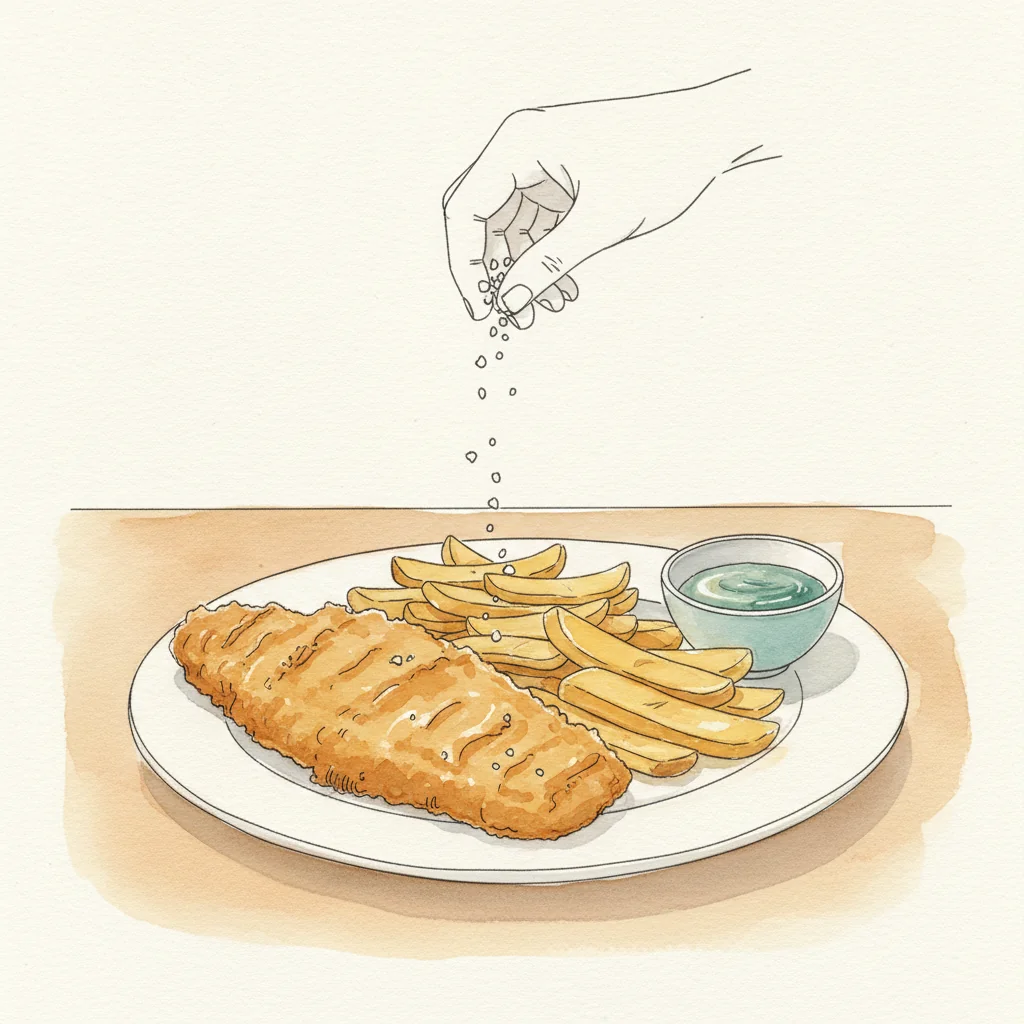
A bright, crisp British sea-salt flake like Cornish Sea Salt, crushed over the chips and fish the second they're out of the fryer. The heat and steam help the flakes cling. A fine, brisk Atlantic salt suits the dish better than big pyramids that slide off the batter.
In detail
The best salt for fish and chips is a bright, crisp British sea-salt flake such as Cornish Sea Salt, crushed over the chips and fish the moment they leave the fryer. Timing is the trick: hot, steaming, slightly greasy surfaces grab the flakes, while salting cold chips just sends most of it onto the paper. Choose texture for the job, not for show. Cornish Sea Salt's smaller, crisp Atlantic flakes cling well and give a brisk, bright salinity that suits the dish, whereas big pyramid flakes can slide off battered fish unless you crush them first. Cornish runs around £3 to £4 a tub, a sound homegrown pick for the national dish, though it isn't PDO-protected. Maldon is the louder-crunch pub default; Halen Môn, PDO-protected since 2014, is the premium Welsh option worth naming on a menu.
Our recommendation
Salt · Flaky sea salt
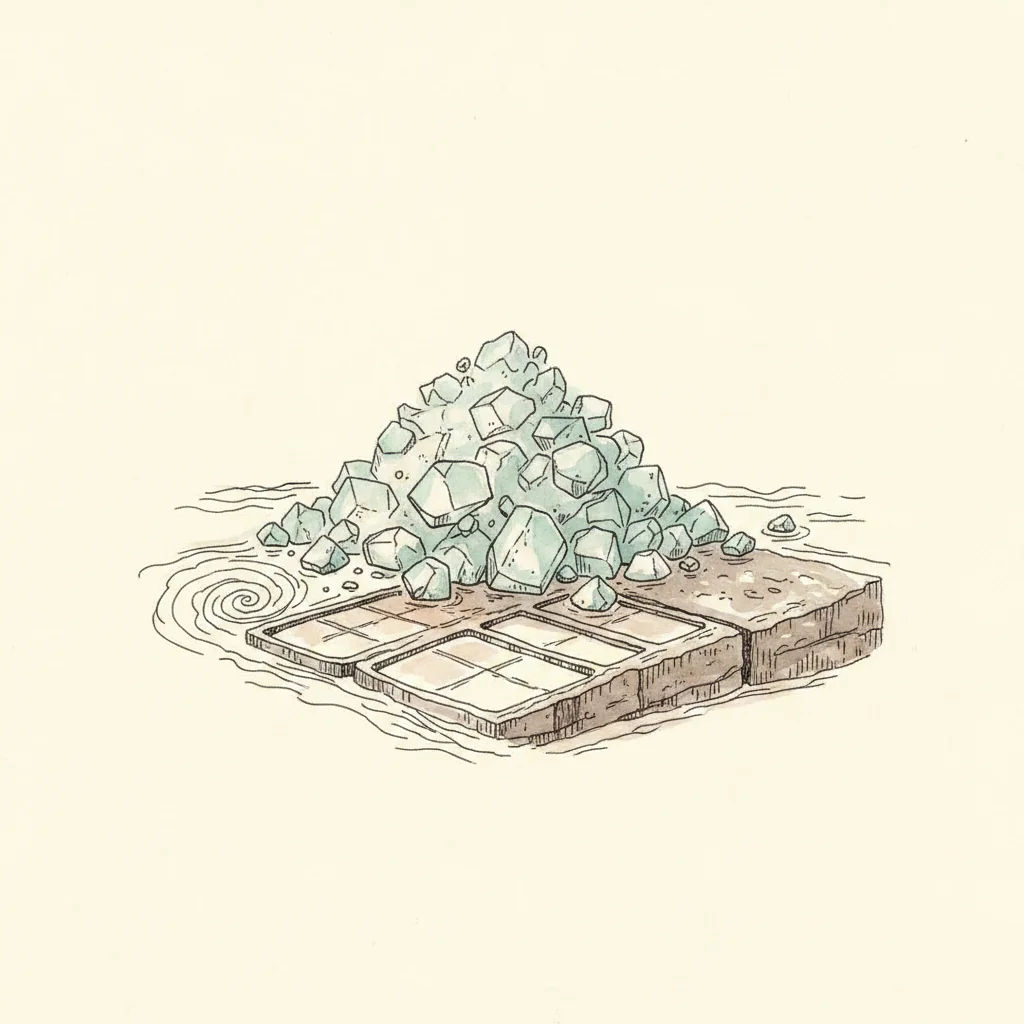
Cornish Sea Salt
Lizard Peninsula, Cornwall, England
bright Atlantic brine · clean mineral · fresh sea note
Fish and chips wants a salt that sticks to hot, slightly greasy chips and gives a brisk, bright salinity, not a showy crunch. Cornish Sea Salt's smaller, crisp Atlantic flakes do exactly that, scattered while the fryer steam is still rising so they cling. It's a homegrown UK flake at around £3 to £4 a tub, a sound everyday pick for the national dish.
Intensity 6/10
Where to buy it
Links checked on
| Merchant | Price | Action |
|---|---|---|
| Amazon US | — | Amazon US |
| Cornish Sea Salt | — | Cornish Sea Salt |
Prices may vary depending on current promotions on the merchant site.
Affiliate links — La Pincée may earn a commission on some sales, at no extra cost to you. Read more.
The catch
The salt only sticks if the chips are still steaming. Wait until they've cooled on the paper and most of it slides straight off, which is why chip-shop chips taste under-salted by the time you get home. And you don't need a posh pyramid here: on greasy chips a big flake skates off, where a smaller, crisp flake grabs hold. Bigger isn't better on a chip.
Chef's note
Salt straight out of the fryer, while the steam's rising and the surface is tacky with oil, so the flakes cling. Use Cornish Sea Salt's finer crisp flakes and crush them lightly between your fingers as you scatter, especially over battered fish where whole pyramids slide off the smooth crust. Salt the chips and the fish separately; the fish wants less.
Tasting note
bright Atlantic brine · crisp fine flake · clean salinity · around £3 to £4 a tub, a sound homegrown everyday flake. Worth it, though it isn't PDO like Halen Môn.
These three sections appear on every one of our pairing pages — our methodology.
Alternatives to explore
-
Salt · Flaky sea salt
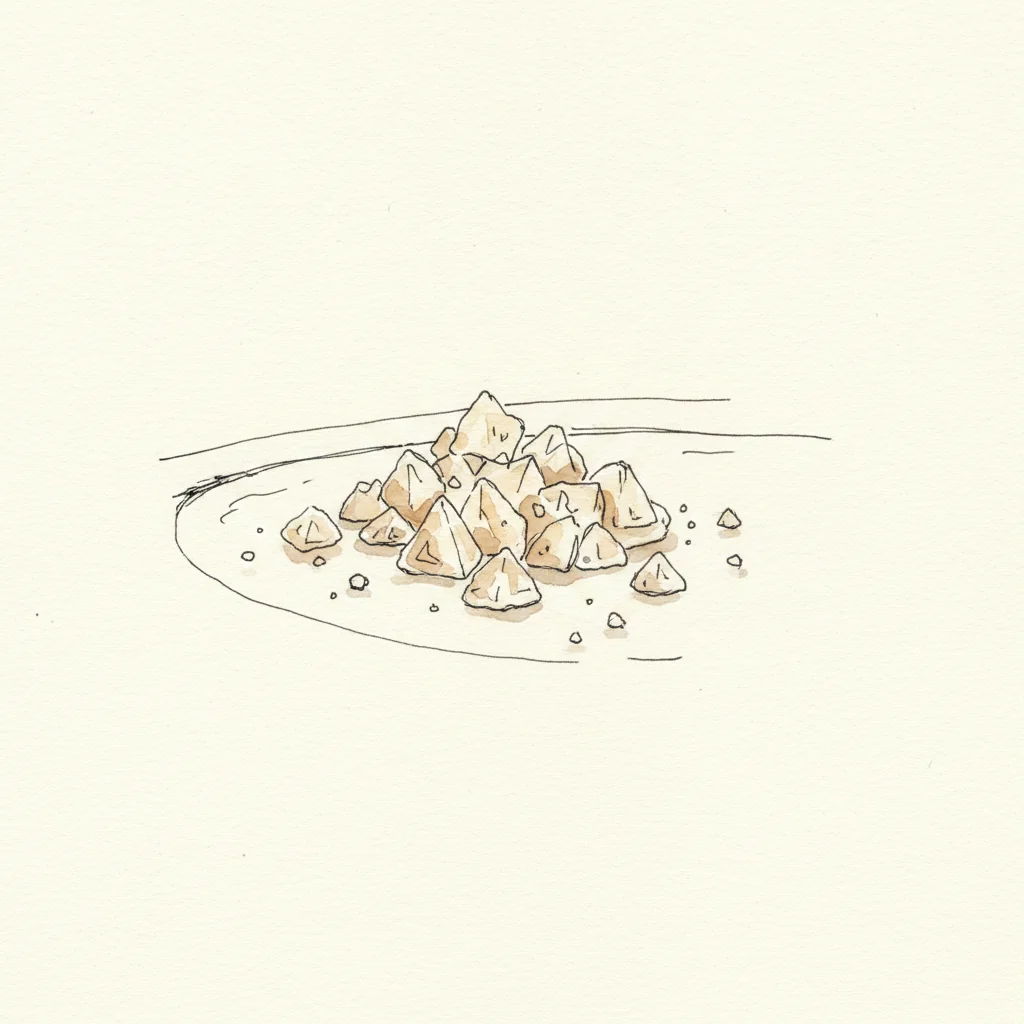
Maldon Sea Salt
Maldon, Essex, Blackwater estuary, England
Intensity 7/10
Maldon's bigger pyramids give a louder crunch on the chips. Crush them a little so they don't simply slide off the battered fish. The pub default.
-
Salt · Flaky sea salt
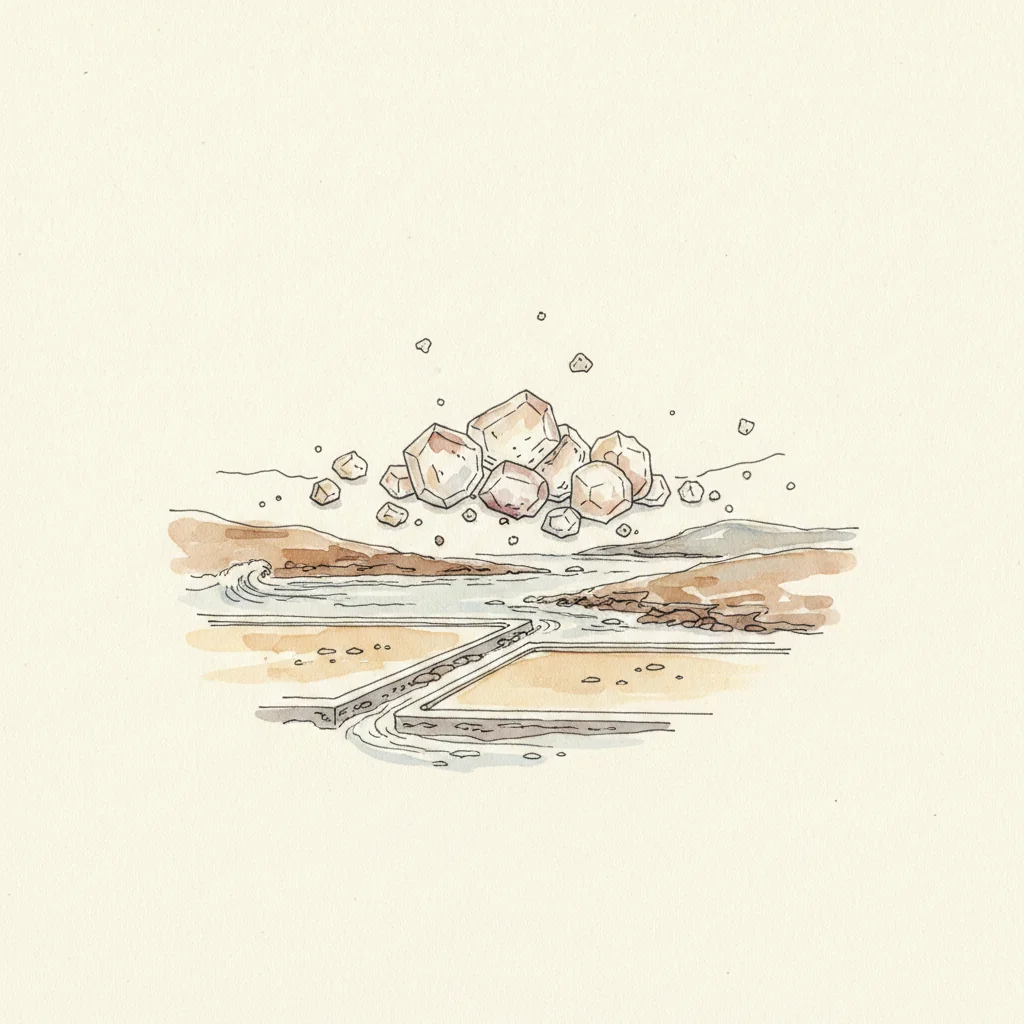
Halen Môn Sea Salt
Anglesey, Menai Strait, Wales (PDO)
Intensity 6/10
Halen Môn's soft PDO flake is the premium Welsh option, clean and rounded. A touch gentler than Cornish, with proper provenance to name on a menu.
Frequently asked questions
- When do you salt fish and chips?
- The moment they leave the fryer, while the heat and steam are still rising. Hot, slightly damp surfaces grab the flakes; salt cold chips and most of it slides off onto the paper.
- Is Maldon or Cornish better on fish and chips?
- Cornish Sea Salt's finer flakes cling better to chips and give a brisk brightness; Maldon's bigger pyramids give a louder crunch but can slide off battered fish unless you crush them. Both are good British picks.
- Do I need a posh salt for chip-shop chips?
- Not really. For everyday chips a basic flaky sea salt is plenty. Save the named, pricier flakes for when you're cooking the fish at home and want the provenance.
This pairing was validated according to our methodology. Purchase links are marked sponsored and may earn a commission — details on our Affiliations page.