
Dish × condiment pairing
Which spice for pho broth?
Season : all-year · Occasion : weekend, comfort
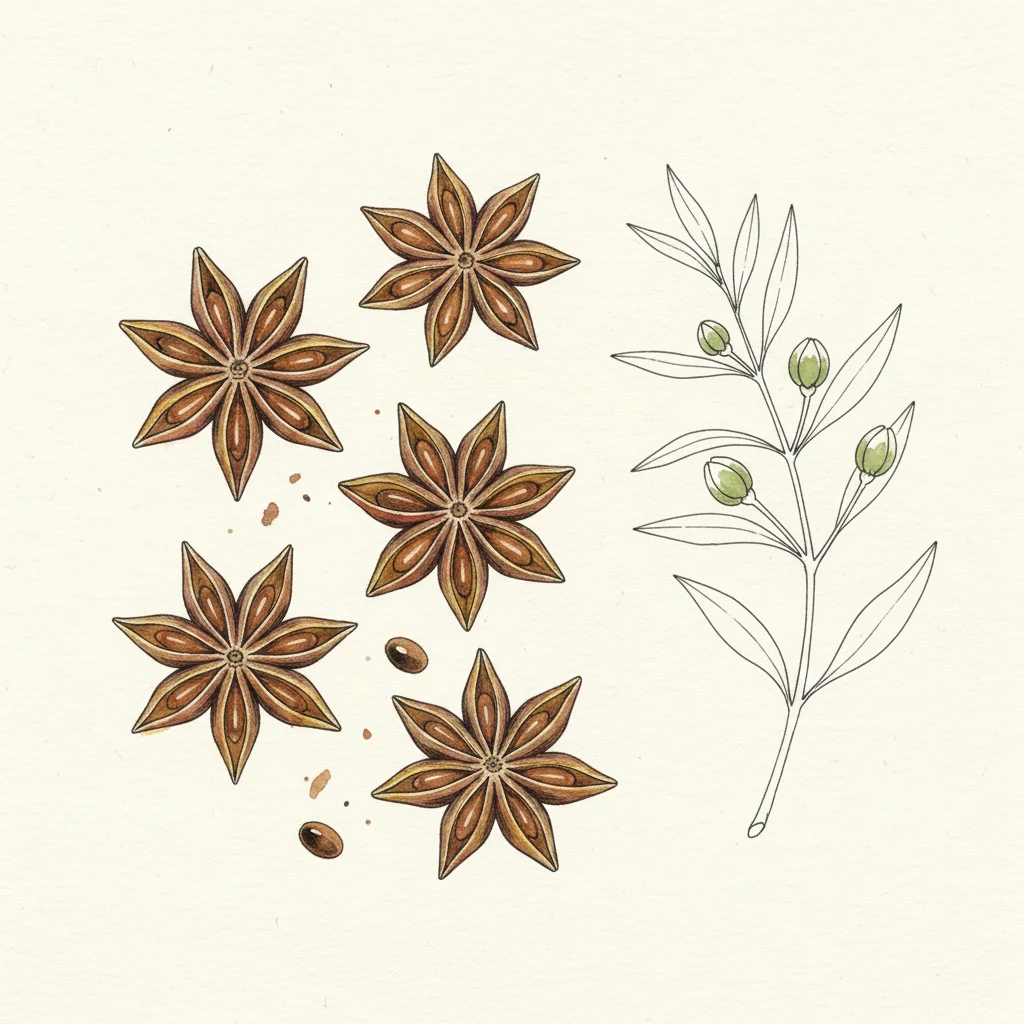
Star anise. Pho broth simmers for hours, and star anise is heat-stable where ground spices fade, so it keeps giving its warm anise spine to the pot. Toast one to two whole stars with charred ginger, cinnamon and clove, then simmer them in the beef broth and strain.
In detail
The defining spice for pho broth is star anise, the eight-pointed dried fruit of Illicium verum. Pho broth simmers for hours, and that's exactly where star anise earns its place: its flavor comes from trans-anethole, which can make up as much as 90% of its volatile compounds and, crucially, holds up under sustained heat where ground spices fade. Toast one to two whole stars per two liters in a dry pan with charred ginger, cinnamon, clove and coriander seed until fragrant, then simmer them in the beef broth and strain before serving so the anise reads as a warm backbone, not a bitter edge. Star anise from Lang Son in northern Vietnam is among the best-formed and most fragrant. One sourcing warning: buy whole stars from a named supplier, since some cheap bulk lots have been cut with the toxic Japanese look-alike, Illicium religiosum. A 100g bag of whole Vietnamese stars runs about $10 to $13 and lasts a year.
Our recommendation
Spice · Whole spice
Star Anise
Lang Son province, on the Chinese border, Vietnam
anise · licorice · fennel
Pho is the dish star anise was made for. The broth simmers for hours, and star anise's trans-anethole, up to 90% of its volatiles, is heat-stable, so it keeps giving where ground spice fades. Toasted whole with charred ginger, cinnamon, clove and coriander, one to two Lang Son stars per couple of liters give the broth its warm anise backbone. About $10 to $13 for a 100g bag of whole stars that lasts a year.
Intensity 8/10
Where to buy it
Links checked on
| Merchant | Price | Action |
|---|---|---|
| Amazon US | — | Amazon US |
| Burlap & Barrel | — | Burlap & Barrel |
| Steenbergs | — | Steenbergs |
Prices may vary depending on current promotions on the merchant site.
Affiliate links — La Pincée may earn a commission on some sales, at no extra cost to you. Read more.
The catch
Don't reach for ground star anise to save a step, and don't dump the stars in at the end. Ground anise clouds the broth and fades, and stars added late taste raw and thin. The whole point of star anise in pho is its heat stability: toast the whole stars early and let them simmer for hours. Rush it and the broth tastes of nothing but beef.
Chef's note
Char and toast before you simmer. Blacken the ginger and onion over an open flame, then dry-toast one to two whole stars with the cinnamon, clove and coriander in the same pan for two minutes until they smell like a spice shop. Only then do they go into the broth. The char and the toast are what separate a layered pho from a flat anise tea. Strain before serving.
Tasting note
anise · licorice · sweet wood · long warming trail · about $10 to $13 for a 100g bag of whole stars, and a bag lasts a year of pho. Cheap for what it does. Worth it.
These three sections appear on every one of our pairing pages — our methodology.
Alternatives to explore
-
Spice · Whole spice
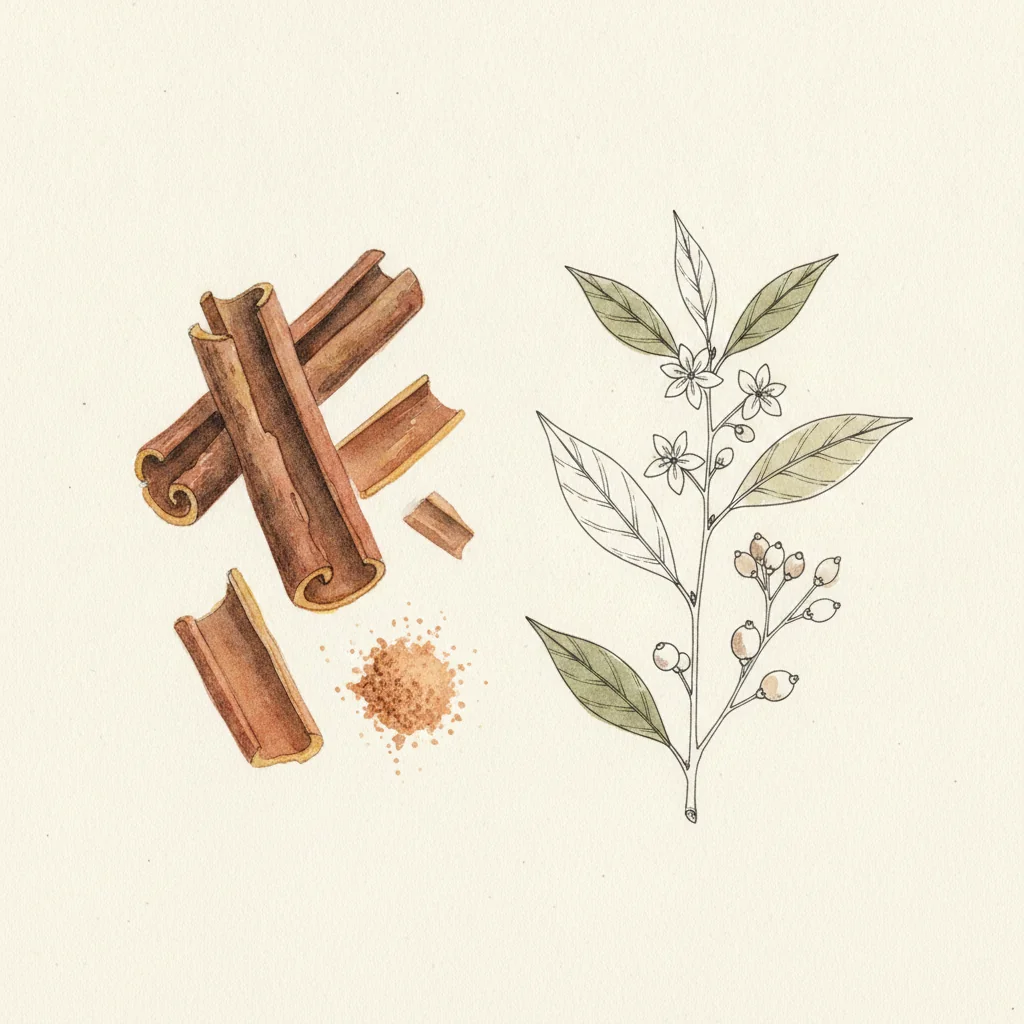
Saigon Cinnamon
Highland forests around Huế and Quảng Nam, central Vietnam, Vietnam
A stick of Saigon cinnamon is the classic partner in the pho spice bundle, adding sweet warmth beside the anise. Essential to the blend, but star anise is the defining note.
Complementary ingredients
- Saigon Cinnamon — One stick in the toasted spice bundle for sweet warmth beside the anise
Frequently asked questions
- How many star anise go in pho broth?
- One to two whole stars per two liters of broth, toasted first with the other spices. Overdo it and the licorice turns soapy and cold, so start low; you can simmer a third star in if the broth tastes thin.
- Should I toast star anise before adding it to pho?
- Yes. Dry-toast the whole stars with the ginger, cinnamon, clove and coriander in a hot pan until fragrant, about two minutes. Toasting wakes up the aromatic oils so the broth tastes layered, not just of raw anise.
- Ground or whole star anise for pho?
- Whole, always. Ground star anise loses its punch fast and clouds the broth. A whole star releases its anethole slowly through the long simmer and lifts out cleanly when you strain the pot. Buy from a named source to avoid the toxic Japanese look-alike.
This pairing was validated according to our methodology. Purchase links are marked sponsored and may earn a commission — details on our Affiliations page.