
Dish × condiment pairing
Which honey for porridge?
Season : fall, winter, all-year · Occasion : breakfast, weeknight, comfort food
Honestly, not manuka. You buy manuka for its lab-tested antibacterial MGO, not its flavour, and stirring it into hot porridge breaks down the very compounds you paid £30-plus for. If you want it raw on cool porridge for the medicinal taste, fine, but a chestnut or wildflower honey gives more for a fifth of the price.
In detail
If you're asking which honey for porridge, the honest answer is that manuka is the wrong reason to spend. Manuka is the New Zealand monofloral you buy for its methylglyoxal: the UMF or MGO number on the jar is a real, lab-tested measure of antibacterial strength, and it's the only thing worth the premium. Stir it into a hot bowl of porridge and you break down the active compounds above about 40°C, so you've cooked off exactly what you paid for. The flavour, dense, medicinal, with a noble bitterness and a eucalyptus-licorice edge, is an acquired taste rather than a classic porridge sweetener. If you genuinely want manuka, swirl it raw over porridge once it's cooled below scalding, by the teaspoon, and treat it as a tonic, not a topping. For everyday porridge, a runny wildflower or acacia honey does the sweetening job for a fraction of the cost. A 250-gram UMF 10+ jar starts around £30 and climbs past £70. Spend it on toast you're not heating, not in the pan.
Our recommendation
Honey · Medicinal honey
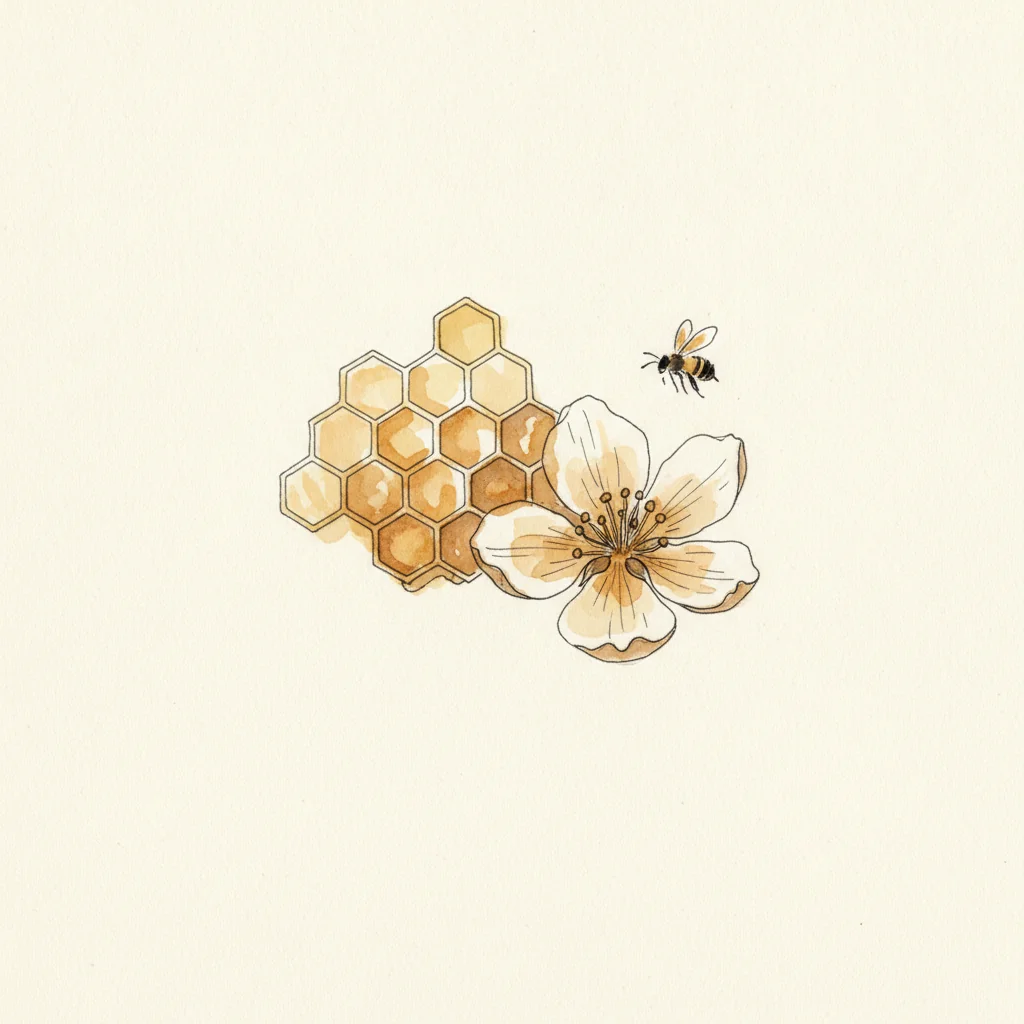
Manuka Honey (UMF)
North and South Island, coastal and forest scrubland, New Zealand (UMF)
cooked honey · eucalyptus · licorice
Manuka is bought for its lab-tested MGO antibacterial number, not its flavour, and that's the problem with porridge: heat above roughly 40°C breaks down the active compounds you paid the premium for. The taste is dense and medicinal, an acquired one for a breakfast bowl. If you must, swirl it raw over cooled porridge by the teaspoon. A 250-gram UMF 10+ jar starts around £30. For everyday porridge, spend a fifth of that.
Intensity 8/10
Where to buy it
Links checked on
| Merchant | Price | Action |
|---|---|---|
| Amazon US | — | Amazon US |
| Sous Chef UK | — | Sous Chef UK |
Prices may vary depending on current promotions on the merchant site.
Affiliate links — La Pincée may earn a commission on some sales, at no extra cost to you. Read more.
The catch
Don't stir manuka into hot porridge. You buy manuka for its lab-tested MGO, the antibacterial number on the jar, and heat above roughly 40°C breaks those compounds down. A steaming bowl cooks off the exact thing the £30-plus price tag is for, leaving you with expensive, medicinal-tasting sweetness. If you want manuka's properties, eat it raw off a spoon. In the pan, you've wasted it.
Chef's note
If you insist on manuka for flavour, cook the porridge with water and a pinch of salt, let it sit off the heat for two minutes to drop below scalding, then swirl in a teaspoon raw at the table. Don't boil it in. For everyday oats, sweeten with a runny wildflower honey instead and keep the manuka for cool toast and warm, not boiling, tea.
Tasting note
cooked honey · eucalyptus · medicinal bitterness · a 250-gram UMF 10+ jar starts around £30 and climbs past £70. Skip the upgrade for porridge: a wildflower honey gives more sweetness for a fifth of the price, and heat wastes the MGO anyway.
These three sections appear on every one of our pairing pages — our methodology.
Alternatives to explore
-
Honey · Varietal honey
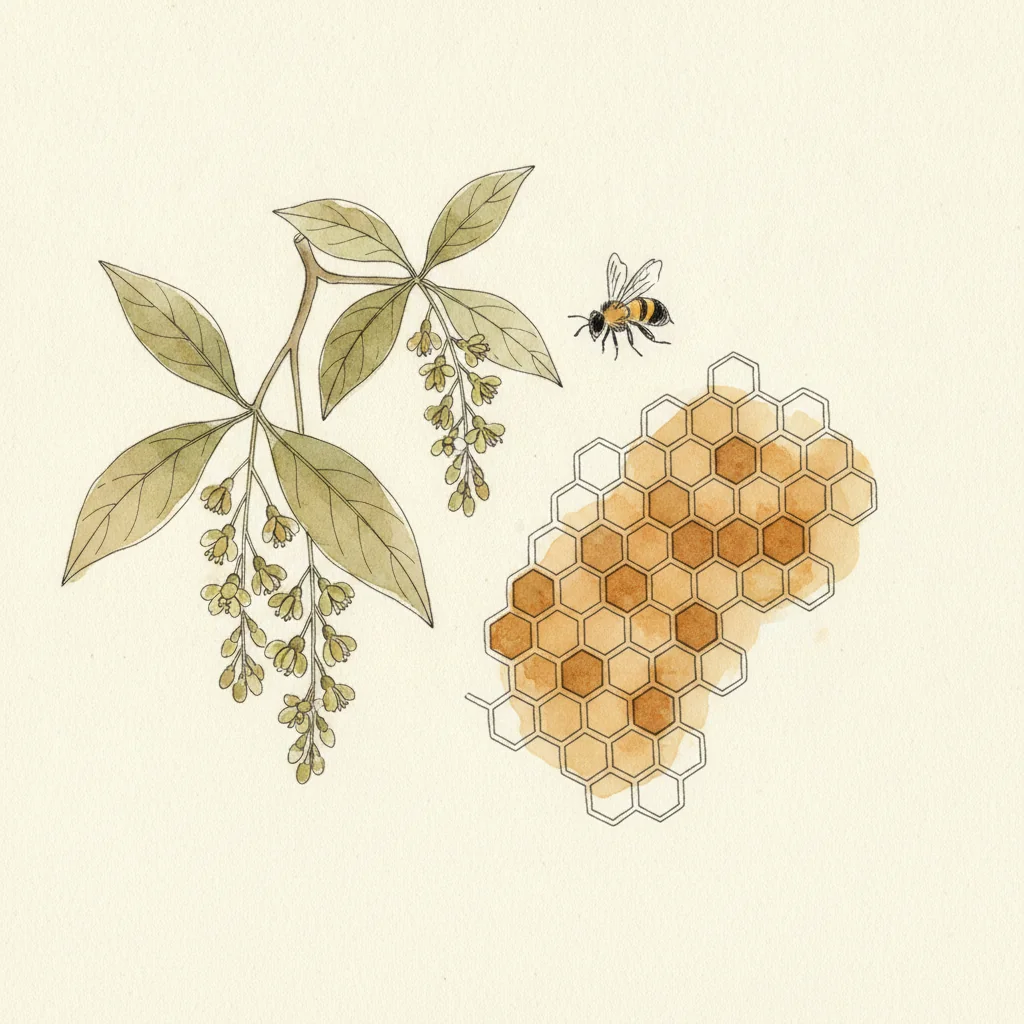
Tupelo Honey
Apalachicola River basin, Florida (Wewahitchka, Gulf County), United States
Intensity 4/10
Tupelo honey is a mild, buttery, slow-crystallizing everyday honey at a fraction of manuka's price. The sensible daily-porridge pick when you just want gentle, clean sweetness.
-
Honey · Monofloral honey
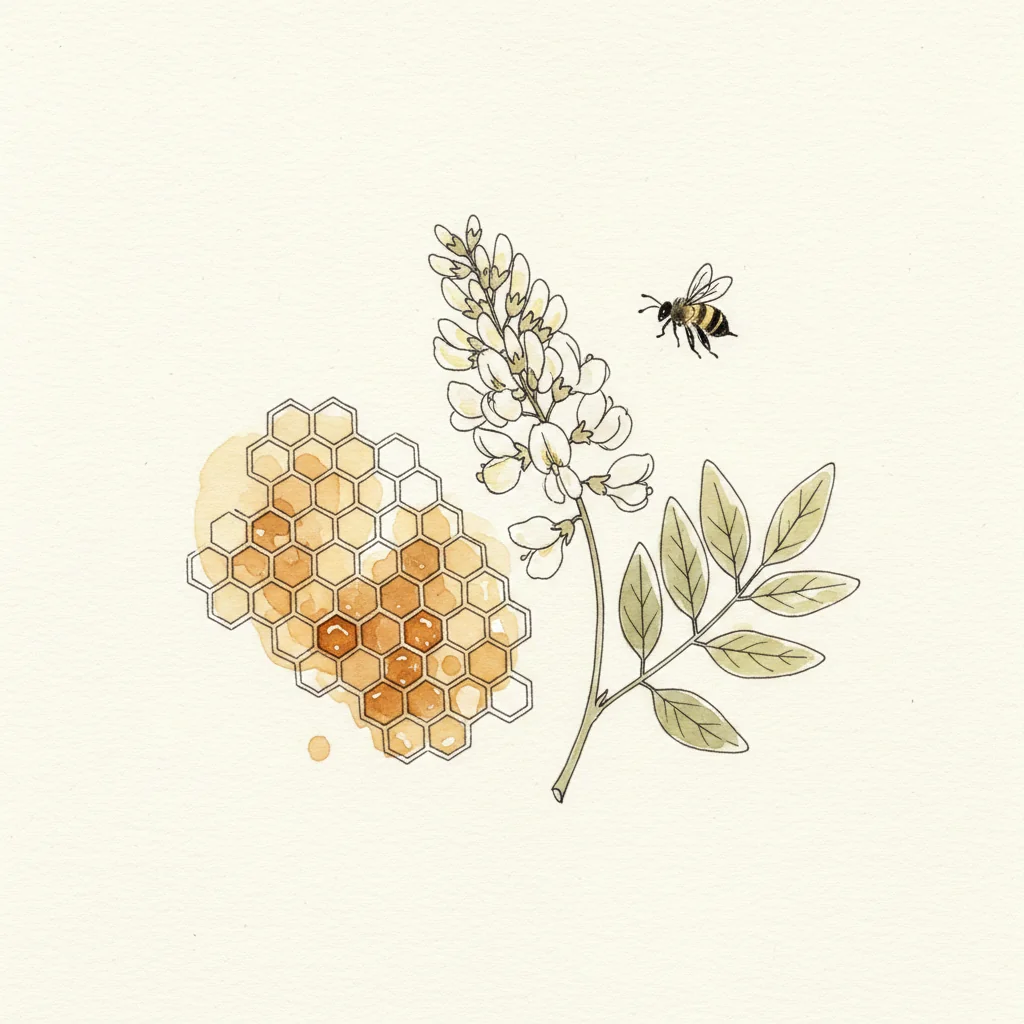
Acacia Honey
Great Hungarian Plain and the wider Carpathian Basin (also Romania, Bulgaria, Serbia), Hungary
Intensity 3/10
Acacia is mild, clean and stays runny, an easy drizzle that won't dominate the oats. A good choice if you want sweetness without any bitter or strong honey note.
Complementary ingredients
- Maldon Sea Salt — A tiny pinch of flaky salt over porridge to sharpen the sweetness
Frequently asked questions
- Should I put manuka honey in hot porridge?
- Not if you're paying for the MGO. Heat above about 40°C breaks down manuka's active antibacterial compounds, so a hot bowl wastes the premium. If you want it for flavour, swirl it raw over porridge once it's cooled below scalding.
- What's the best everyday honey for porridge?
- A runny wildflower or acacia honey. Both sweeten porridge cleanly for a fraction of manuka's cost. Save the manuka for raw use on cool food, where its lab-tested properties survive and its strong flavour suits a tonic.
- Is manuka honey worth it for breakfast?
- For the flavour alone, rarely. A 250-gram UMF 10+ jar starts around £30 and climbs past £70, and a chestnut or wildflower honey gives more taste for a fifth of the price. You're paying for the MGO, which heat destroys.
This pairing was validated according to our methodology. Purchase links are marked sponsored and may earn a commission — details on our Affiliations page.