
Dish × condiment pairing
Best dark honey to glaze game?
Season : autumn, winter · Occasion : sunday roast, entertaining, holiday
Chestnut. Its tannic bitterness and roasted-chestnut depth match the iron, gamey richness of venison or duck where a sweet honey would just candy the surface. Brush it on as a fast glaze in the last few minutes, off the direct heat, so it sets without burning. About $12 to $22 a jar.
In detail
The best honey to glaze roasted game is chestnut honey, the dark, tannic monofloral from Castanea sativa made across Tuscany, Piedmont and Corsica, with the Corsican lots carrying a PDO. Game meat such as venison or duck is iron-rich and savory, so a plain sweet honey only candies the surface; chestnut honey instead brings roasted-chestnut, dark-caramel and leather notes plus a real bitterness that meets the meat as a contrast. The technique matters: brush it on as a thin glaze in the last few minutes, off the direct heat, because honey's sugars burn fast and an early coat in a hot oven scorches bitter. Glaze late and it lacquers the surface without turning the dish to dessert. A 8.8 oz (250 g) jar runs about $12 to $22. For a sweeter, barbecue-style lacquer, buckwheat honey's molasses depth works too, around $12 to $20.
Our recommendation
Honey · Monofloral honey
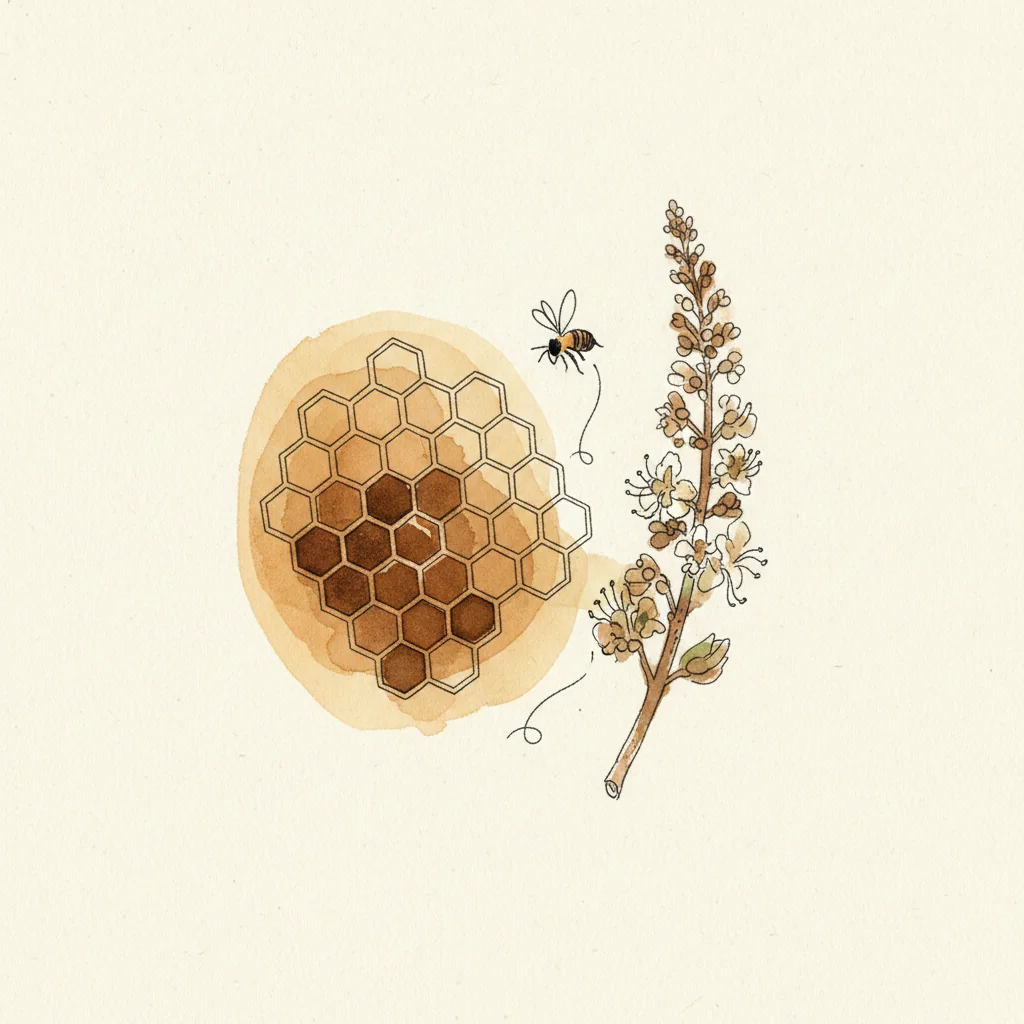
Chestnut Honey
Italian chestnut belt (Tuscany, Piedmont) and southern France (Cévennes, Corsica), Italy / France (PDO (Mele di Corsica — Miel de Corse, for the Corsican lots))
wood tannin · noble bitterness · roasted chestnut
Game meat is dark, iron-rich and savory, so it needs a glaze with backbone, not sugar. Chestnut honey, from Castanea sativa across Tuscany, Piedmont and Corsica, brings roasted-chestnut, dark-caramel and leather notes plus a real tannic bitterness that meets venison or duck as an equal. Brushed on late as a thin glaze, it lacquers the surface without turning the dish into dessert. About $12 to $22 a jar.
Intensity 8/10
Where to buy it
Links checked on
| Merchant | Price | Action |
|---|---|---|
| Amazon US (Manoir des Abeilles, France) | — | Amazon US (Manoir des Abeilles, France) |
| Giannetti Artisans (Garfagnana, Tuscany) | — | Giannetti Artisans (Garfagnana, Tuscany) |
| Sous Chef UK (Napoleon, France) | — | Sous Chef UK (Napoleon, France) |
Prices may vary depending on current promotions on the merchant site.
Affiliate links — La Pincée may earn a commission on some sales, at no extra cost to you. Read more.
The catch
A sweet honey glaze on venison just candies the surface and clashes with the iron. Chestnut honey doesn't, because it isn't really sweet: tannic, bitter, dark with roasted-chestnut and leather, it answers gamey richness instead of papering over it. And the timing matters as much as the honey, since brushed on too early it scorches bitter in a hot oven before the meat is done.
Chef's note
Hold the glaze until the last three or four minutes. Pull the roast, brush a thin coat of chestnut honey over the surface, then return it to a lower heat or under a broiler just long enough to set the lacquer, watching it like a hawk. Honey's sugars burn fast. Rest the meat before carving so the glaze firms rather than runs.
Tasting note
roasted chestnut · dark caramel · soft leather · tannic finish · about $12 to $22 for a 8.8 oz (250 g) jar. Worth it as a finishing glaze; you use little per roast, so one jar covers a whole game season.
These three sections appear on every one of our pairing pages — our methodology.
Alternatives to explore
-
Honey · Monofloral honey
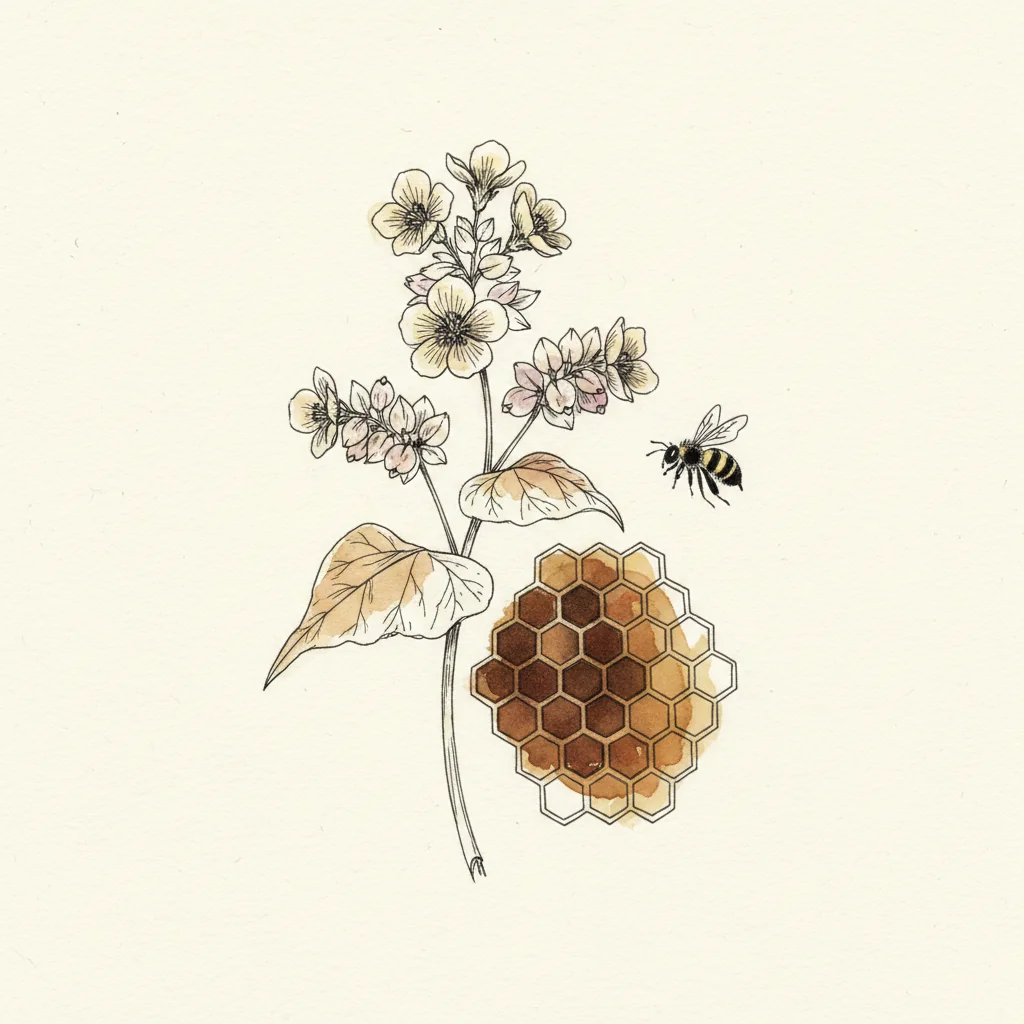
Buckwheat Honey
Upstate New York & Minnesota (also the Dakotas), United States
Intensity 9/10
Buckwheat's molasses and malt make a darker, sweeter glaze that also stands up to game, closer to a barbecue lacquer. Use it when you want sweetness with the depth, about $12 to $20.
-
Honey · Monofloral honey
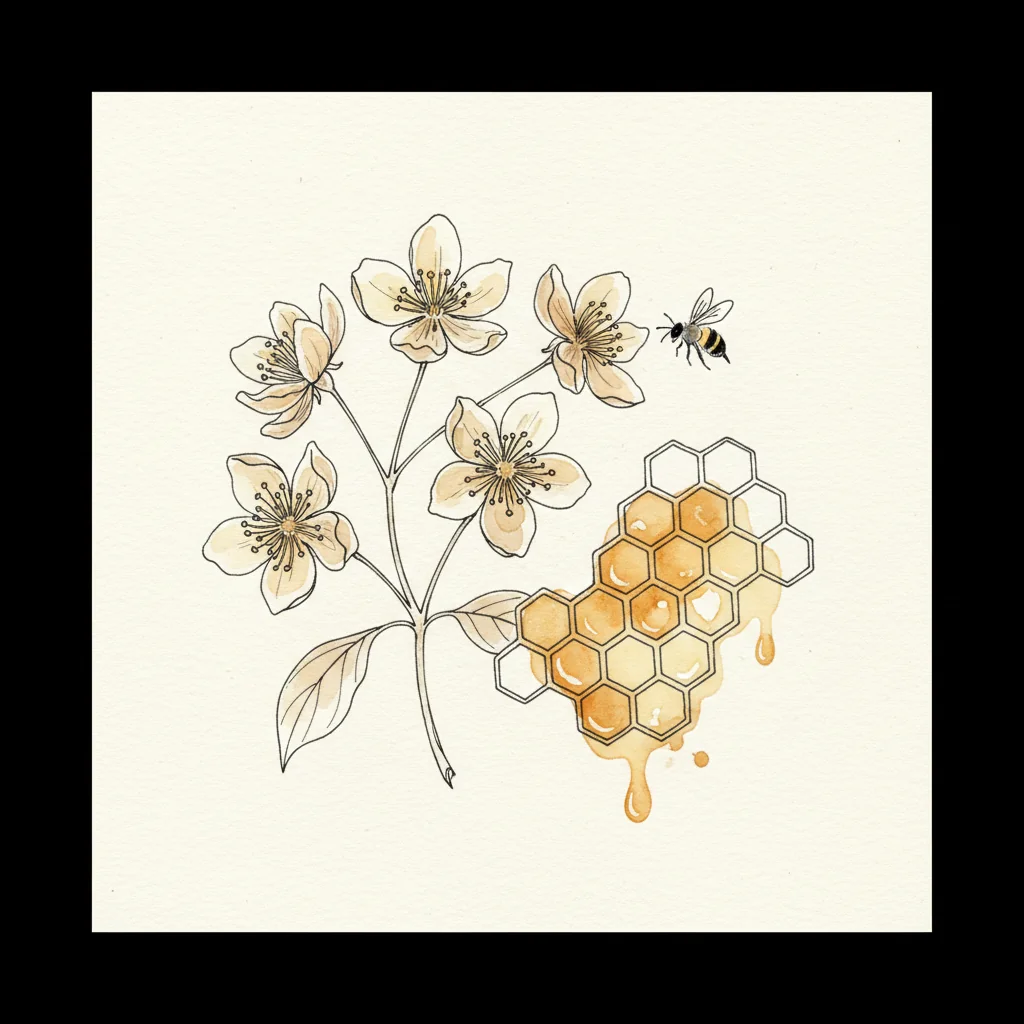
Sourwood Honey
Southern Appalachians (North Carolina, Georgia, Tennessee), United States
Intensity 6/10
Sourwood's spiced-gingerbread warmth suits roasted pork or fried chicken better than red game. On venison its delicate florals get buried, so save it for lighter, paler meat.
Complementary ingredients
- Buckwheat Honey — The molasses-forward swap for a sweeter, barbecue-style game glaze
Frequently asked questions
- When do I add a honey glaze to roasting game?
- In the last few minutes, off the direct heat, not at the start. Honey's sugars burn fast, so brushing chestnut honey on early in a hot oven scorches it bitter. Glaze late so it sets to a lacquer and keeps its roasted-chestnut depth.
- Why use chestnut honey instead of regular honey on game?
- Game is iron-rich and savory, so a plain sweet honey just candies the surface and clashes. Chestnut honey's tannic bitterness and dark, leathery depth match the meat as a contrast rather than coating it in sugar.
- Can I cook chestnut honey or does heat ruin it?
- A brief glaze at the end is fine and even welcome, since it caramelizes the surface. What you want to avoid is long, high-heat cooking, which flattens the aromatics. Treat it as a finishing glaze, not a braising ingredient.
This pairing was validated according to our methodology. Purchase links are marked sponsored and may earn a commission — details on our Affiliations page.