
Dish × condiment pairing
Which red pepper for a Thai curry?
Season : all-year · Occasion : weeknight, dinner party
Kampot Red, but as a finishing crack, not in the paste. Cracked over the bowl at the table, its strawberry-and-honey fruit cuts through the coconut richness. Stir it into the simmering curry and you lose those top notes entirely. The chilies bring the heat; Kampot Red brings the perfume.
In detail
The best red pepper for a Thai green curry is Kampot Red, used as a finishing crack rather than stirred into the paste. Kampot Red is PGI-protected and hand-harvested in Cambodia, and its flavor runs to fresh strawberry, acacia honey and soft mint. Those notes are fragile: they cook off in a simmer, so building the pepper into the paste wastes the very thing you paid for. Instead, crack one or two whole berries coarsely over each finished bowl at the table. The fruit reads against the coconut milk and the green-chili heat, layering perfume on top of fire, which is something the chilies alone cannot do. For the paste base, use earthier black Kampot, which holds up to the cook. A 50g jar of Kampot Red runs about $15. Timut pepper from Nepal is the bright, citrusy alternative finish.
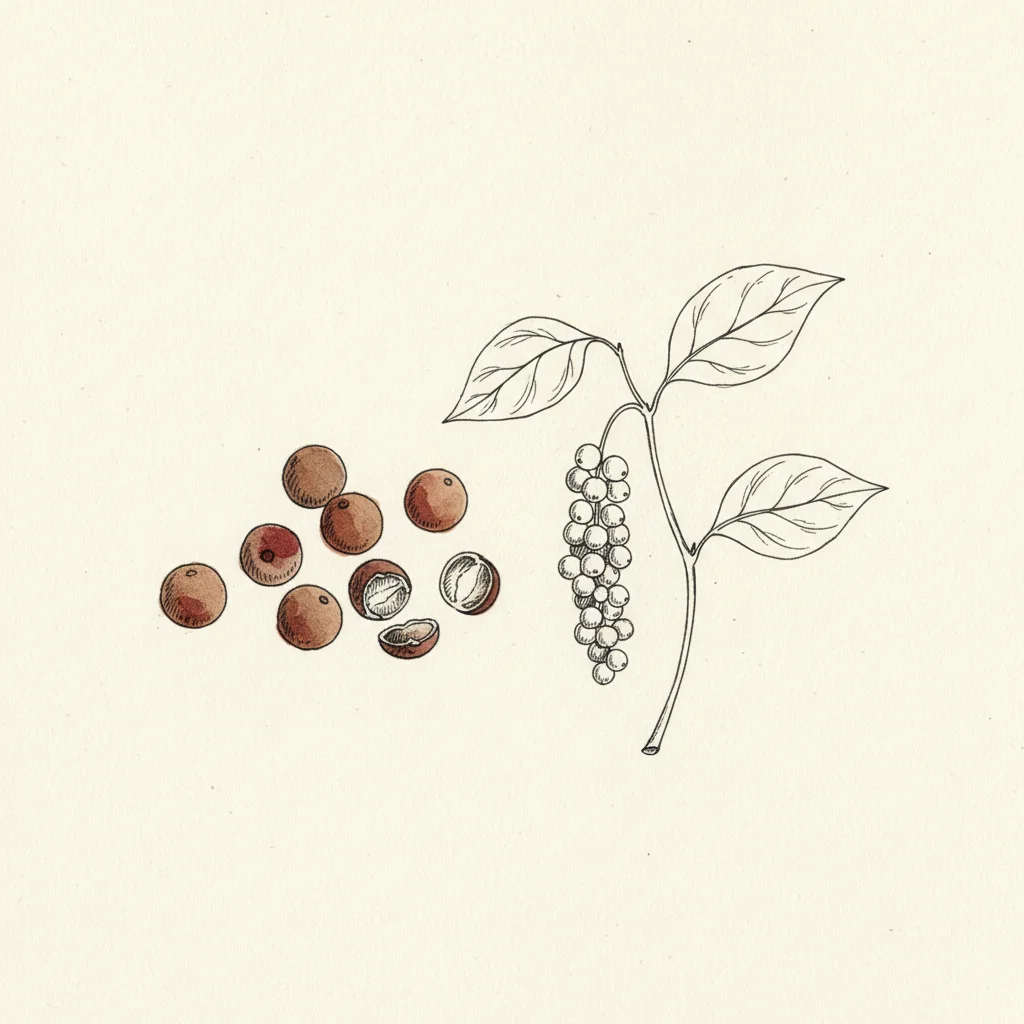
Our recommendation
Pepper · Red pepper
Kampot Red Pepper
Kampot and Kep provinces, Cambodia (PGI)
fresh red berries · acacia honey · soft mint
Kampot Red is not a curry-paste pepper, it is a finishing pepper, and that distinction is the whole pairing. Its fresh strawberry, acacia honey and soft mint notes are fragile and cook off in a simmer, so stirring it in wastes them. Crack a few berries coarsely over the finished bowl instead: the fruit reads against the coconut and the green-chili heat, perfume layered on top of fire.
Intensity 7/10
Where to buy it
Links checked on
| Merchant | Price | Action |
|---|---|---|
| Amazon US | — | Amazon US |
| La Plantation | — | La Plantation |
| ChefShop | — | ChefShop |
Prices may vary depending on current promotions on the merchant site.
Affiliate links — La Pincée may earn a commission on some sales, at no extra cost to you. Read more.
The catch
The instinct is to throw the pepper into the paste with the chilies and aromatics. Don't. Kampot Red's strawberry, honey and mint notes are fragile and burn off in a simmer, so by the time the curry's done you've cooked away the exact thing you paid $15 a jar for. The chilies are there to bring the fire. This pepper's only job is the perfume, and perfume goes on at the end.
Chef's note
Build the paste with earthy black Kampot, which takes the heat. Save the red for the bowl: crack one or two whole berries coarsely over each serving at the table, right before the first spoonful. You want bursts of fruit you hit unevenly, some spoonfuls perfumed and some not, layered on top of the coconut and the green-chili heat rather than blended into them.
Tasting note
fresh strawberry · acacia honey · soft mint · about $15 for a 50g jar, but used as a finishing crack a little goes a long way and it lasts. A splurge that earns it.
These three sections appear on every one of our pairing pages — our methodology.
Alternatives to explore
-
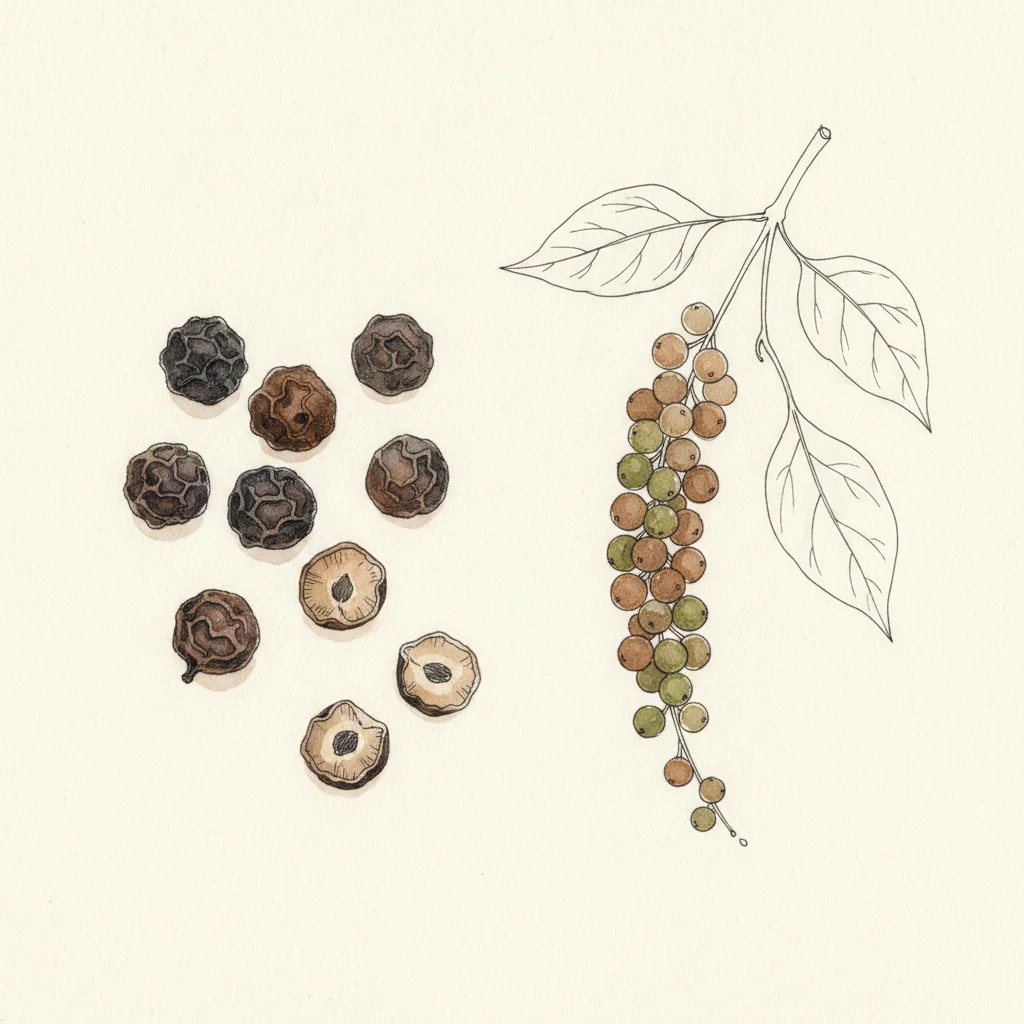
Pepper · Black pepper
Kampot Black Pepper
Kampot and Kep provinces, Cambodia (PGI)
Intensity 7/10
Black Kampot is the one to build into the paste itself, where its earthy warmth holds up to the cook. Use it for the base and save the red for the finish.
-
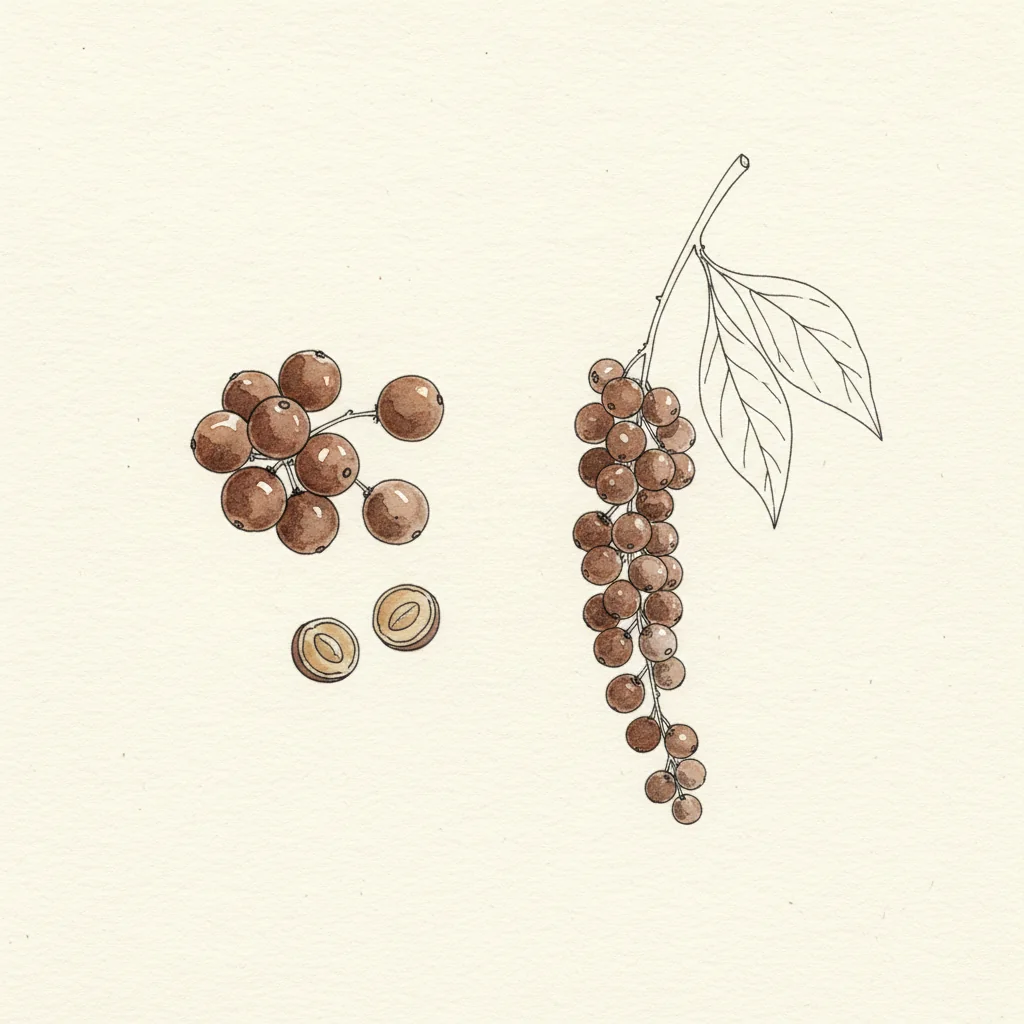
Pepper · Pepper cousin
Timut Pepper
Eastern hill districts of Dolakha and Sindhupalchok, Nepal
Intensity 7/10
Timut from Nepal brings a grapefruit-and-passionfruit lift with a light tingle. A bright, citrusy finish over green curry if you want zing instead of Kampot Red's berry.
Complementary ingredients
- Kampot Black Pepper — The pepper for the curry paste base, built in early for earthy depth under the heat
Frequently asked questions
- Do you put Kampot red pepper in the curry paste or on top?
- On top, as a finishing crack. Its strawberry and honey top notes are fragile and cook off in a simmer, so building it into the paste wastes them. Use black pepper in the paste and crack red over the finished bowl.
- Does pepper belong in a Thai green curry at all?
- Yes, but with a clear job. The chilies bring the heat; a fruity finishing pepper like Kampot Red brings perfume the chilies cannot, a strawberry-and-mint lift that cuts the coconut richness at the table.
- How do you use Kampot red pepper on curry?
- Crack one or two whole berries coarsely over each bowl just before eating, or crush a few with the flat of a knife. You want a coarse crack you can taste in bursts, not a fine, even dust.
Compare this product
This pairing was validated according to our methodology. Purchase links are marked sponsored and may earn a commission — details on our Affiliations page.