
Comparison
Ancho vs guajillo chile: what's the difference?
Ancho is the dried poblano: soft, sweet, plum-cocoa-tobacco depth at 3/10 heat. Guajillo is the dried mirasol: bright, berry-tart, dried-cranberry tang, also 3/10. Anchos give mole its sweet body; guajillos give birria its tangy backbone and red color. Most Mexican sauces use both. For sweet depth, ancho; for bright tang, guajillo.
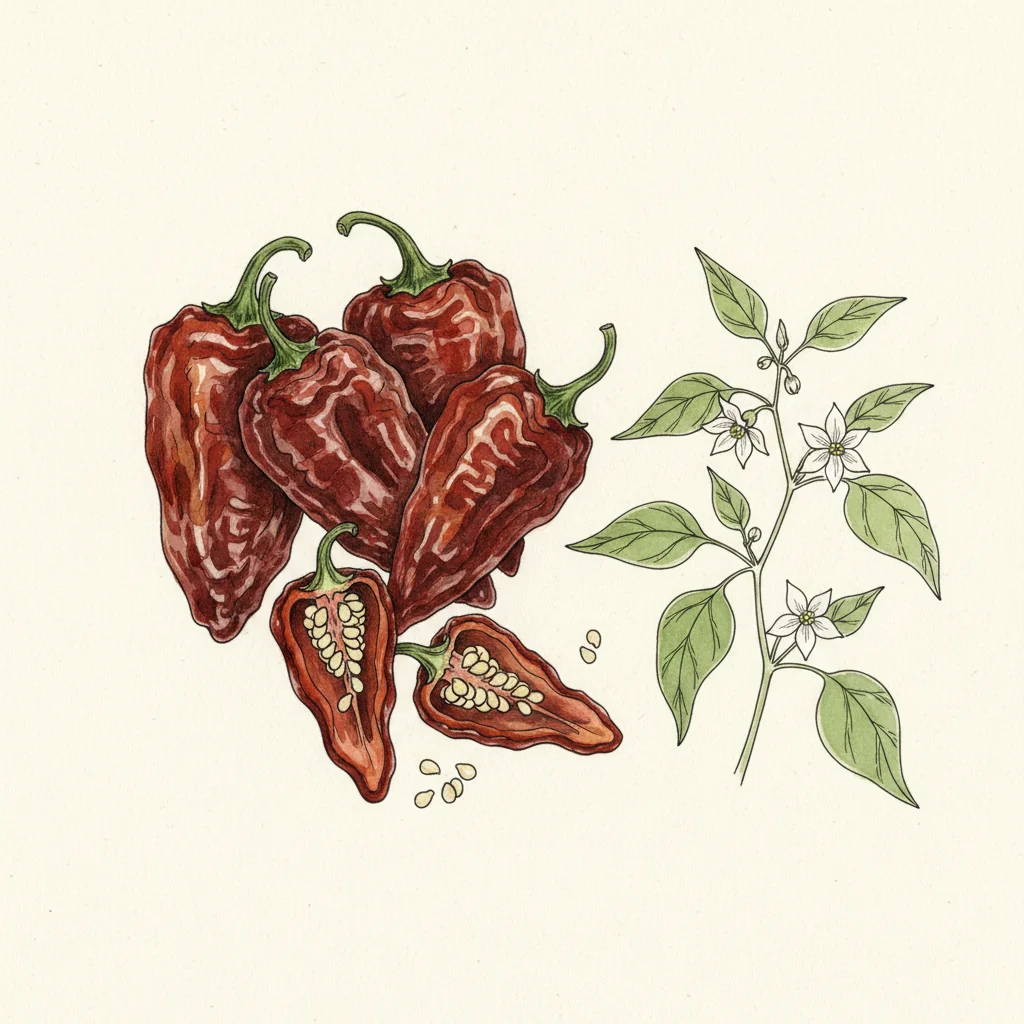
Spice · Chile
Ancho Chile
Puebla and Zacatecas, plus the central highlands of Guanajuato and Durango, Mexico
dried plum and raisin · cocoa · tobacco leaf
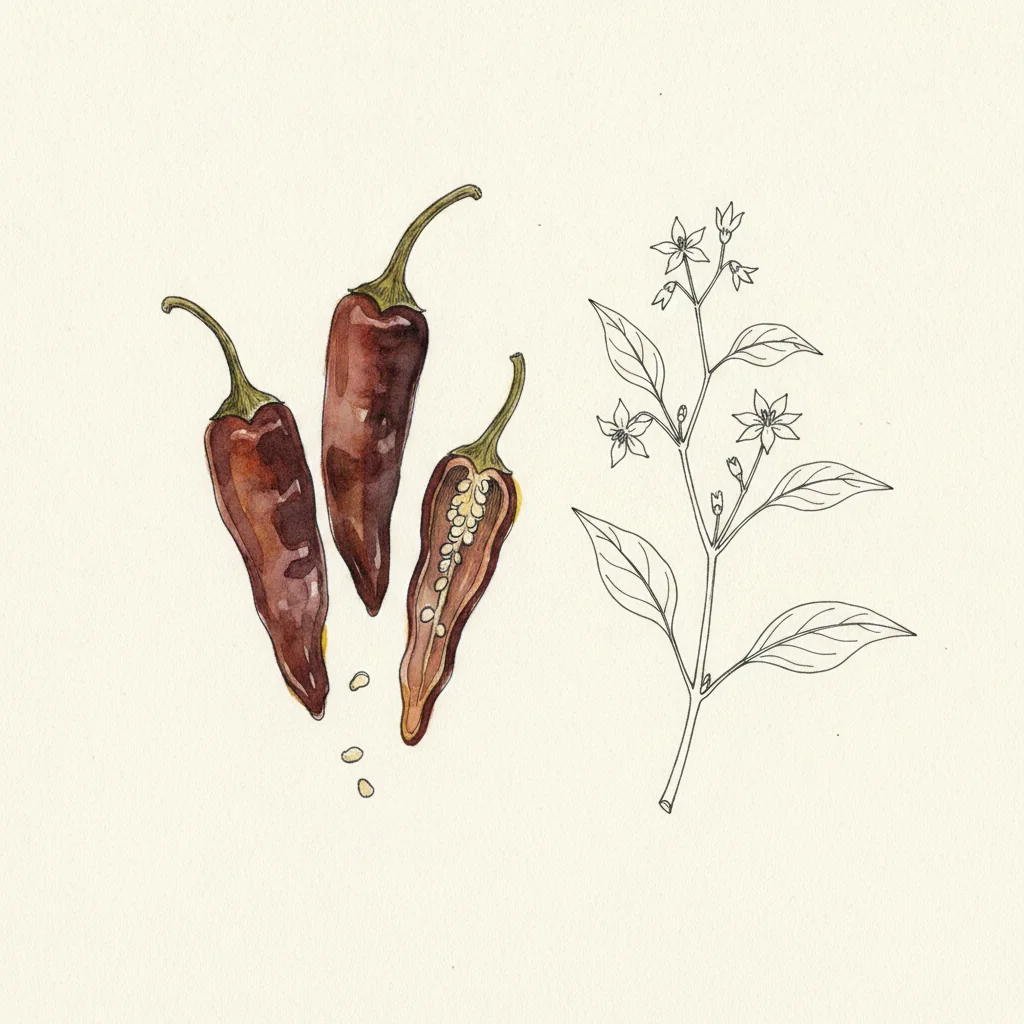
Spice · Chile
Guajillo Chile
Zacatecas and Durango (the dry highland Bajío-to-north belt where mirasol is grown), Mexico
bright berry-tart · dried cranberry · green tea
Our verdict
Ancho for sweet plum-cocoa body, guajillo for bright berry-tart color; usually both.
At a glance
| Criterion | Ancho Chile | Guajillo Chile |
|---|---|---|
| What it is | The dried, ripe poblano | Sun-dried mirasol pods |
| Origin | Puebla, Zacatecas, central Mexican highlands | Zacatecas and Durango (dry highland belt) |
| Flavor profile | Dried plum and raisin, cocoa, tobacco leaf | Bright berry-tart, dried cranberry, green tea |
| Intensity | 3/10, soft and round, arrives late | 3/10, tangy warmth that fades fast |
| Texture / skin | Wide, wrinkled, thick oxblood flesh | Long, smooth, thinner deep-burgundy skin |
| Best use | Mole, red enchilada sauce, chili con carne, adobo | Birria, barbacoa, pozole rojo, salsa roja, adobo |
| Median price | ~$10 / jar of powder or 8 oz of pods | ~$10 / 8 oz bag of whole pods |
When to choose Ancho Chile
Ancho chile is the sweet, round base, and you choose it when you want body and a dried-fruit depth, not tang. The ancho is simply a poblano left to ripen red on the plant, then dried until it goes a wrinkled, deep oxblood. It's the backbone chile of Mexican cooking, the base of mole and red sauce, and it barely registers as heat, a soft 3 out of 10 that arrives late, think dried plum, cocoa and tobacco. Its wide, thick flesh dissolves into a rich, sweet body that guajillo's thinner skin can't match. Four scenarios where ancho leads. First, mole, where its plum-and-cocoa sweetness is the foundation that balances the bitter chocolate and spices. Second, chili con carne and beef stews, where the thick flesh melts into a deep, sweet base. Third, adobo marinades for pork and chicken, where the rehydrated pulp clings and sweetens. Fourth, dark-chocolate desserts, where the cocoa note genuinely belongs and guajillo's berry-tang would feel out of place. The rule: go in early, toasted and rehydrated into the base, or bloomed as powder in hot fat. Two to three whole pods for a pot serving four. Don't use it as a raw finish, the leathery skin stays bitter. Most real Mexican sauces run ancho and guajillo together, ancho for sweet body, guajillo for bright color and tang, so this isn't strictly either-or. But when you want the sweeter, rounder, more chocolate side of the flavor, ancho leads. Buy whole, supple pods over powder, the flavor lives in the flesh; a pod that snaps clean has dried out. Whole keeps 12 to 18 months. At around $10, it's the indispensable base chile.
When to choose Guajillo Chile
Guajillo chile is the bright, tangy backbone, and you choose it when you want color, tartness and a clean front-of-mouth warmth. It's the workhorse red chile of Mexican cooking, long smooth deep-burgundy mirasol pods sun-dried across the highlands of Zacatecas and Durango. Heat sits low, around 3 out of 10; the point is the flavor: bright berry-tart, dried cranberry, a green-tea tannin. This is the chile that gives birria, red enchilada sauce and pozole their color and their backbone, the tangy counterpoint to ancho's sweet body. Four scenarios where guajillo leads. First, birria and barbacoa, where its tart, berry-bright note cuts the rich fat and the deep-burgundy pods give the broth its color. Second, pozole rojo, where the clean tang defines the red. Third, salsa roja for tacos, where you want brightness, not sweetness. Fourth, marinades for grilled skirt steak, where the green-tea tannin and berry-sour edge season the meat. The rule: rehydrate and blend into the base of a sauce, or toast dry then grind, never a raw finish. Three to four pods for a sauce serving four, stemmed and seeded, about 15 g of dried pods. Don't scorch it with long, fierce heat that turns the skin acrid and bitter, and don't expect ancho's sweet, chocolate depth, guajillo is tart, not sweet. Most sauces use both, but when the dish wants brightness and that signature red color, guajillo leads. Pliability is your freshness gauge: a guajillo that still bends is alive, one that snaps dry has oxidized. Buy pods, not powder, and grind as needed; whole keeps about 12 months. At around $10 an 8 oz bag, it's the other essential base chile alongside ancho.
Where to buy?
Ancho Chile
Links checked on
| Merchant | Price | Action |
|---|---|---|
| Burlap & Barrel (Ancho Chili) | — | Burlap & Barrel (Ancho Chili) |
| Spicewalla (Ancho Chili Powder) | — | Spicewalla (Ancho Chili Powder) |
| Amazon US (whole pods) | — | Amazon US (whole pods) |
| Sous Chef UK (Cool Chile Co whole anchos) | — | Sous Chef UK (Cool Chile Co whole anchos) |
Prices may vary depending on current promotions on the merchant site.
Guajillo Chile
Links checked on
| Merchant | Price | Action |
|---|---|---|
| Amazon US (whole dried pods) | — | Amazon US (whole dried pods) |
| Sous Chef UK (Cool Chile Co) | — | Sous Chef UK (Cool Chile Co) |
Prices may vary depending on current promotions on the merchant site.
Frequently asked questions
- Can I use one instead of the other?
- You can, but the sauce shifts. Drop guajillo for all ancho and it goes sweeter, rounder, more chocolate; go all guajillo and it turns brighter, tarter, with less body. They're complements, which is why classic recipes use both, ancho for sweet body, guajillo for tang and color.
- Which is hotter?
- Neither, really, both sit around 3 out of 10. Ancho's heat arrives late and stays soft; guajillo's is a clean, tangy warmth that fades fast. If you want these chiles with more burn, add a chipotle morita to the blend.
- Why do recipes call for both?
- Because they do different jobs. Ancho brings sweet, plummy, cocoa body; guajillo brings bright berry-tang and a deep-red color. Together they build a balanced sauce, neither too sweet nor too sharp. Mole, adobo and red enchilada sauce all lean on the pairing.
- Whole pods or powder?
- Whole pods for both. The flavor lives in the flesh, and powder fades fast, especially ancho. Buy supple, bendable pods, toast and rehydrate or grind them as needed. A pod that snaps cleanly has dried out and lost most of its aroma.
The best pairings
With Ancho Chile
With Guajillo Chile
Comparison prepared according to our methodology. Sponsored purchase links — see our affiliations.