
Dish × condiment pairing
Which chile for red pozole broth?
Season : fall, winter · Occasion : celebration, family dinner
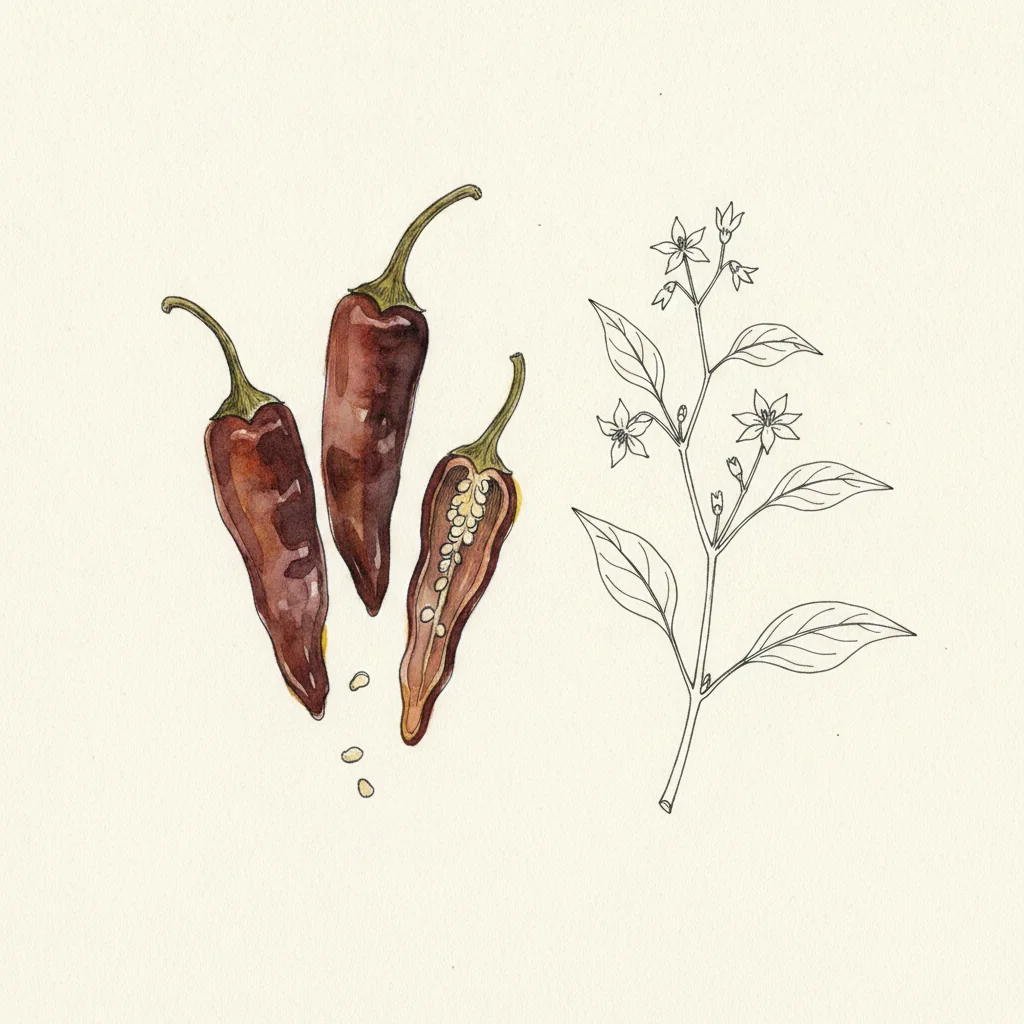
Guajillo. It builds the red in pozole rojo, lending a clean berry-tart warmth that brightens the long-simmered pork and hominy broth. Toast and rehydrate the pods, blend, then strain into the pot. The mild 3-out-of-10 heat colors the broth without overpowering the corn.
In detail
The chile for red pozole broth is the guajillo, the sun-dried mirasol pod (Capsicum annuum) from the highlands of Zacatecas and Durango. It's what makes pozole rojo red: its bright berry-tart, green-tea warmth lifts a broth simmered for hours with pork and hominy, keeping it from tasting flat or heavy. The heat is mild, about 3 out of 10, so the chile colors the broth without burying the corn. Toast the pods in a dry pan, soak them soft, blend with garlic and a little broth, then strain the puree into the pot so the tough skins and seeds stay out. Many cooks add a few anchos for dried-plum depth and a darker red, but guajillo carries the tang and the color. A bag runs about $8 to $13 and makes several pots.
Our recommendation
Spice · Chile
Guajillo Chile
Zacatecas and Durango (the dry highland Bajío-to-north belt where mirasol is grown), Mexico
bright berry-tart · dried cranberry · green tea
Guajillo makes the red in pozole rojo. Its bright berry-tart, green-tea notes lift a broth that simmers for hours with pork and hominy, keeping it from going flat and heavy. The mild heat, about 3 out of 10, colors the broth a clean red without burying the corn. Strain the blended pods for a smooth pozole. A bag runs about $8 to $13.
Intensity 3/10
Where to buy it
Links checked on
| Merchant | Price | Action |
|---|---|---|
| Amazon US (whole dried pods) | — | Amazon US (whole dried pods) |
| Sous Chef UK (Cool Chile Co) | — | Sous Chef UK (Cool Chile Co) |
Prices may vary depending on current promotions on the merchant site.
Affiliate links — La Pincée may earn a commission on some sales, at no extra cost to you. Read more.
The catch
The catch: a watery, orange-tinged pozole almost always means too few guajillos, not too little simmering time. You can't cook color and brightness into a broth that never had enough chile to start. The fix isn't more hours on the stove, it's more toasted, blended guajillo strained into the pot. Under-chile the broth and no amount of garnish, radish, or lime will rescue the flat middle where the chile should be.
Chef's note
Bloom the strained guajillo puree in a little hot fat before it joins the pot, instead of pouring it straight into the broth. Thirty seconds of the puree hitting hot lard deepens the color and rounds the raw edge off the chile. Then ladle in the pork broth. It's the same trick as frying a curry paste, and it's why restaurant pozole reads deeper red than the home version.
Tasting note
berry-tart · green tea · clean red · brightening warmth · about $8 to $13 a bag, several pots' worth of color and tang. Worth it for the broth alone.
These three sections appear on every one of our pairing pages — our methodology.
Alternatives to explore
-
Spice · Chile
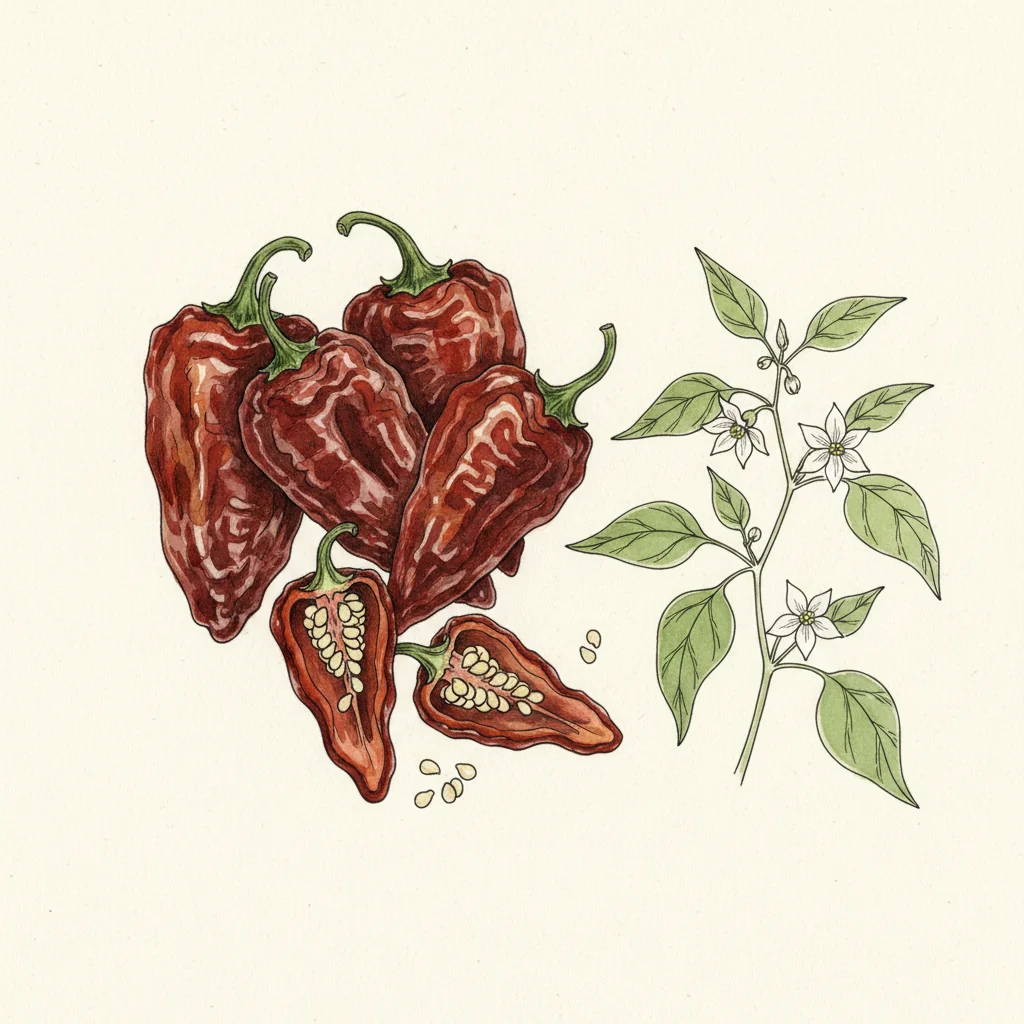
Ancho Chile
Puebla and Zacatecas, plus the central highlands of Guanajuato and Durango, Mexico
Intensity 3/10
Ancho adds dried-plum depth and a darker color to the broth. Many cooks blend it with guajillo; on its own it makes a sweeter, less tangy pozole.
-
Spice · Chile
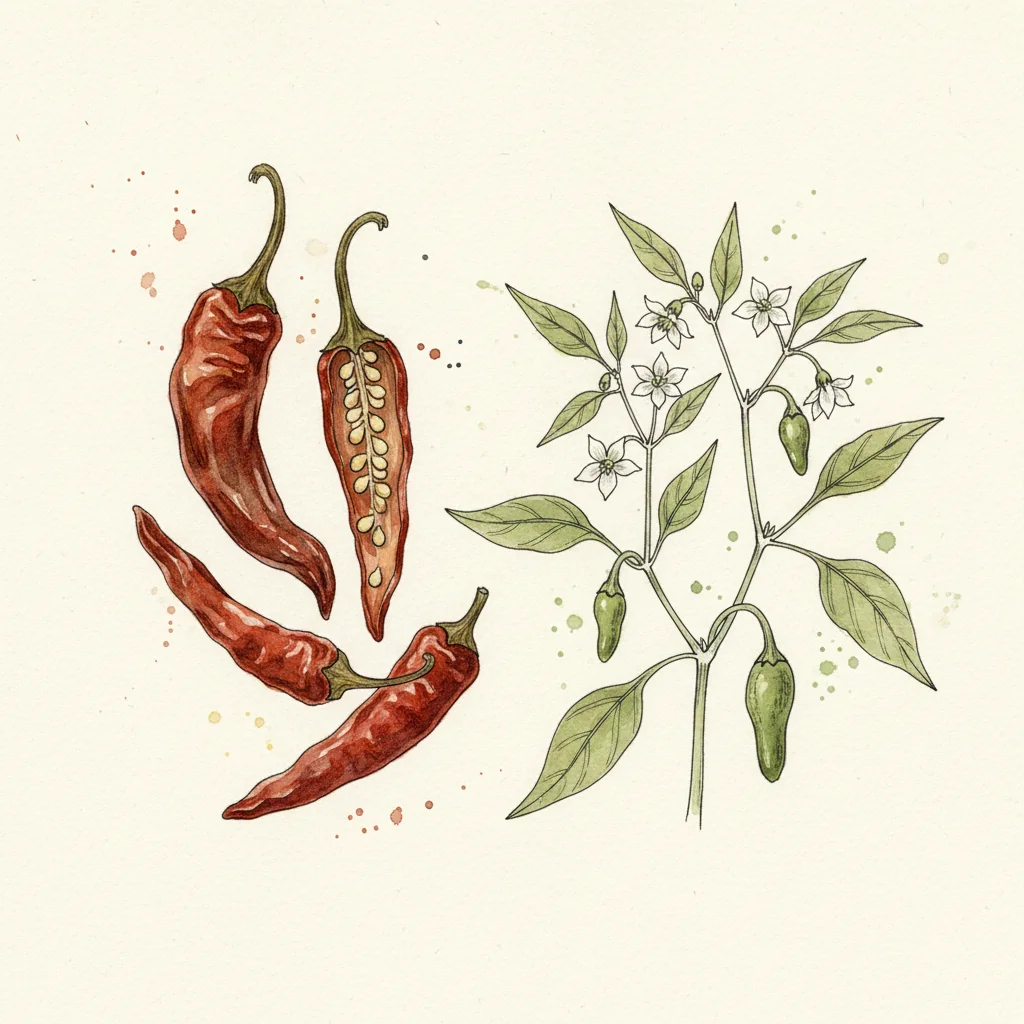
Chimayó Chile
Chimayó, Española Valley, Río Arriba County, New Mexico, USA
Intensity 4/10
Chimayo makes a New Mexico-style red posole, earthier and cherry-sweet. A heirloom splurge that shifts the dish north of the border.
Complementary ingredients
- Ancho Chile — Blend in for dried-plum depth and a darker red under the guajillo's tang
Frequently asked questions
- Why guajillo for red pozole?
- It delivers both the color and the brightness. Pozole rojo gets its red from guajillo, and the chile's berry-tart warmth lifts a broth that's simmered for hours, keeping the pork and hominy from tasting flat. It's flavor and color in one chile.
- Should I strain the chile from pozole broth?
- Yes. Toast and soak the guajillos, blend them with a little broth, then strain the puree into the pot. Straining catches the tough skins and seeds and leaves a smooth red broth rather than a gritty one.
- Can I use ancho instead of guajillo for pozole?
- You can, but it changes the dish. Ancho makes a darker, sweeter pozole with dried-plum depth and less tang. The classic clean red comes from guajillo; many cooks blend the two for the best of both.
This pairing was validated according to our methodology. Purchase links are marked sponsored and may earn a commission — details on our Affiliations page.