
Comparison
Berbere vs shichimi togarashi: which spicy blend?
Both are chile blends, but one cooks and one finishes. Berbere is a deep, fenugreek-laced Ethiopian blend you bloom in fat at the base of a stew, about $10. Shichimi togarashi is a citrus-and-sesame Japanese dust you sprinkle raw on a finished bowl, about $6. Building heat into a braise, berbere; finishing a bowl with a bright shake, shichimi.
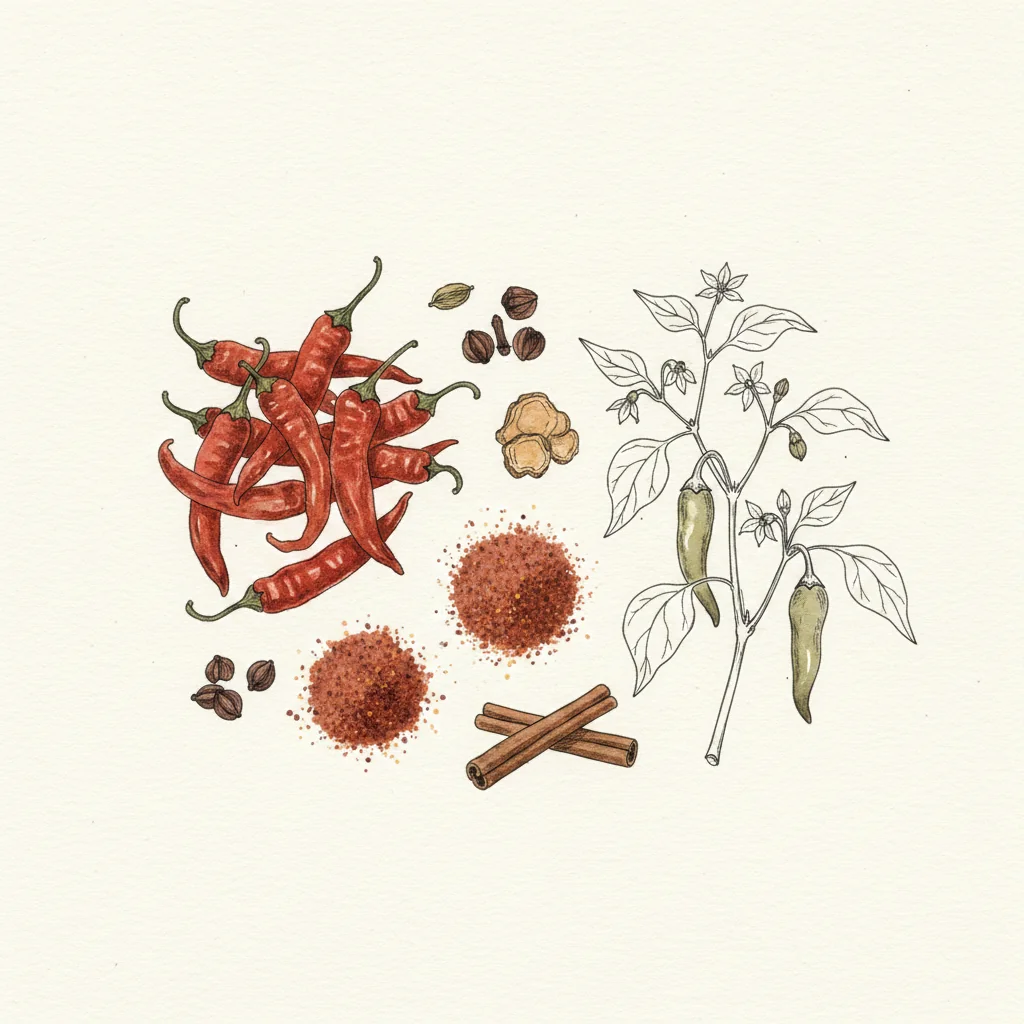
Spice · Blend
Berbere
Ethiopian highlands, household and regional recipes from Addis Ababa to Tigray, Ethiopia / Eritrea
dried chile · warm sweet spice · fenugreek
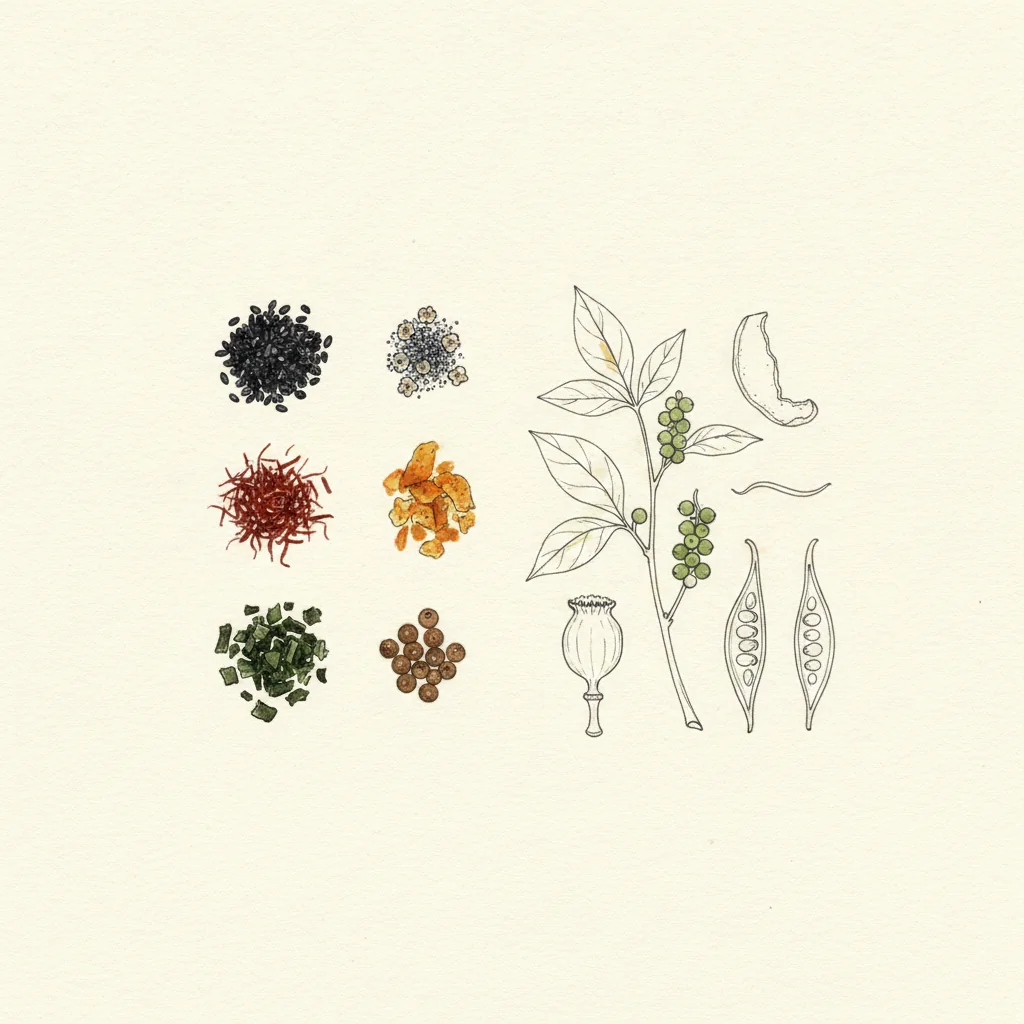
Spice · Blend
Shichimi Togarashi
Born in Edo (now Tokyo) at the Yagenbori apothecary; chili itself grown in Nagano and nationwide, blended by houses across the country, Japan
toasted citrus peel · nutty sesame · dry chili heat
Our verdict
Berbere to build heat into a stew, shichimi to finish a bowl at the table.
At a glance
| Criterion | Berbere | Shichimi Togarashi |
|---|---|---|
| Origin | Ethiopia / Eritrea — highland household blends | Japan — born in Edo (Tokyo) |
| Form | Compound spice blend, deep red | Composed seven-spice dust |
| Intensity | 8/10 — warm, building, substantial heat | 5/10 — moderate, heat is one note among several |
| Main notes | Dried chile, warm sweet spice, fenugreek | Toasted citrus peel, nutty sesame, dry chili heat |
| Best use | Doro wat, misir wot, tibs, roasted squash, rubs | Udon, gyudon, yakitori, miso soup, grilled salmon |
| Median price | ~$10 / 4 oz bag | ~$6 / 15 g bottle |
| Value | A spoonful builds a whole stew; bloom it first | A pinch finishes a bowl; cheap per use |
When to choose Berbere
Reach for berbere when you want to build deep, warm heat into the base of a dish. This Ethiopian and Eritrean blend layers dried chile with warm sweet spice and a defining note of fenugreek, and it's a cooking blend through and through — bloomed early in oil or niter kibbeh at the base of a stew, never sprinkled raw at the end. That's the move behind doro wat and misir wot, beef and lamb tibs, and it works just as well as a rub for grilled chicken or short ribs, on roasted sweet potatoes and squash, or stirred into scrambled eggs and shakshuka. The heat is substantial and it builds, so start at one to two tablespoons per pot of stew for four, bloomed in fat first, and add more once you've tasted — the chile and fenugreek deepen as they cook. Blends vary a lot by house and region, some leaning hotter, some sweeter with more cardamom and clove, so taste your jar before you commit a quantity. At about $10 for a 4 oz bag it's good value given how much flavor a spoonful builds into a stew. What berbere is not is a finishing dust — sprinkled raw at the end it tastes harsh and dusty, because it's built to bloom and cook. For a last-second shake on a finished bowl, that's shichimi's job entirely.
When to choose Shichimi Togarashi
Reach for shichimi togarashi when the cooking's done and a bowl needs one bright last layer. This Japanese seven-spice is a finishing dust — chili plus toasted citrus peel, sesame and nori — showered raw over hot food at the table, never bloomed in fat the way you'd cook berbere. That's the whole appeal: a single shake brings heat, a sansho tingle, toasted-sesame fat and briny nori to udon and soba in hot broth, gyudon beef bowls, yakitori, miso soup, tempura or grilled salmon. The heat is moderate by design, one note among several, which is why it works where a straight chile blend would just read as burn — on plain rice, a fried egg, even buttered popcorn. Use about a quarter teaspoon per bowl, added at the table to taste, and keep the bottle by the table rather than the stove. The catch is the same as with any blend: houses differ, and supermarket versions skew heavy on chili and light on the citrus and nori that make it interesting, so a dull bottle tastes like plain red-pepper dust. At about $6 for a 15 g bottle it's cheap per use and lasts months. What it can't do is build heat into a stew — cook it and the citrus peel and nori go bitter and flat. For deep, blooming, base-of-the-pot heat, berbere is the blend, not this.
Where to buy?
Berbere
Links checked on
| Merchant | Price | Action |
|---|---|---|
| Burlap & Barrel | — | Burlap & Barrel |
| Amazon US | — | Amazon US |
| Sous Chef UK | — | Sous Chef UK |
Prices may vary depending on current promotions on the merchant site.
Shichimi Togarashi
Links checked on
| Merchant | Price | Action |
|---|---|---|
| Amazon US | — | Amazon US |
| Sous Chef UK | — | Sous Chef UK |
Prices may vary depending on current promotions on the merchant site.
Frequently asked questions
- Can berbere and shichimi be swapped?
- No. Berbere is a cooking blend you bloom into a stew; shichimi is a finishing dust you sprinkle raw at the table. Cooking shichimi turns it bitter, and raw berbere tastes harsh and dusty. Match the blend to when it goes in.
- Which is hotter?
- Berbere, clearly — around 8/10 with substantial, building heat from dried chile. Shichimi sits at 5/10, where the chili is dialed back so citrus and sesame come through. For real heat, berbere; for a balanced finish, shichimi.
- Do they suit the same dishes?
- Rarely. Berbere belongs in stews, tibs and rubs you cook; shichimi finishes rice bowls, noodles and grilled fish at the table. Their cuisines and their timing both differ, so they almost never compete for the same plate.
- Which is better value?
- Different math. Berbere builds a whole stew from a couple of spoonfuls, about $10 a bag. Shichimi is cheap per use at roughly $6 a bottle, since a pinch finishes a bowl. Both are inexpensive for what they do.
The best pairings
With Berbere
With Shichimi Togarashi
Comparison prepared according to our methodology. Sponsored purchase links — see our affiliations.