
Comparison
Guerande vs Noirmoutier: which French sea salt?
Two French Atlantic salts for two jobs. Fleur de sel de Guerande is the fine PGI finishing crystal, slow-melting, for tomatoes and caramel, about $11 for 125 g. Noirmoutier sea salt is the frank, cheap workhorse for pasta water and brines, about $5 to $8 a kilo. Finish with one, cook with the other.
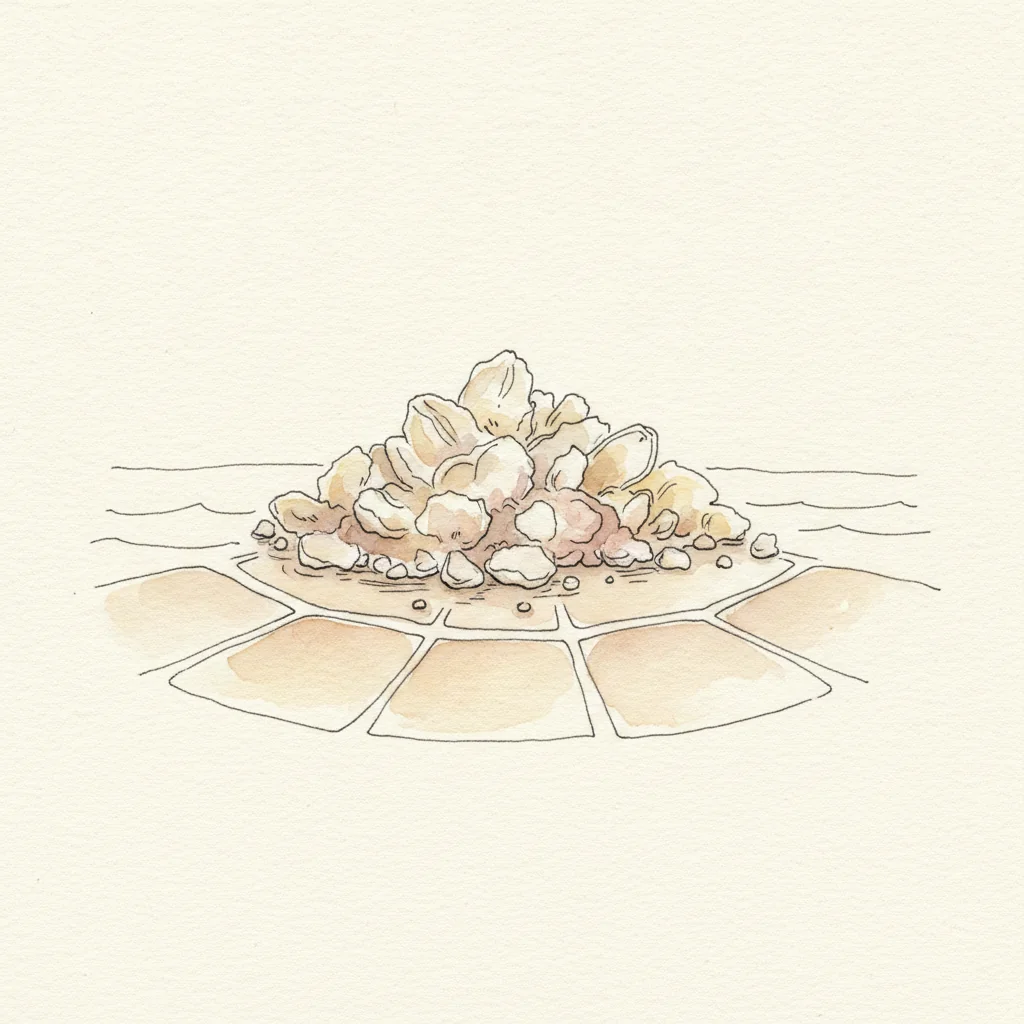
Salt · Fleur de sel
Fleur de Sel de Guérande
Guérande peninsula, Loire-Atlantique, France (PGI)
round salinity · light iodine · fresh violet
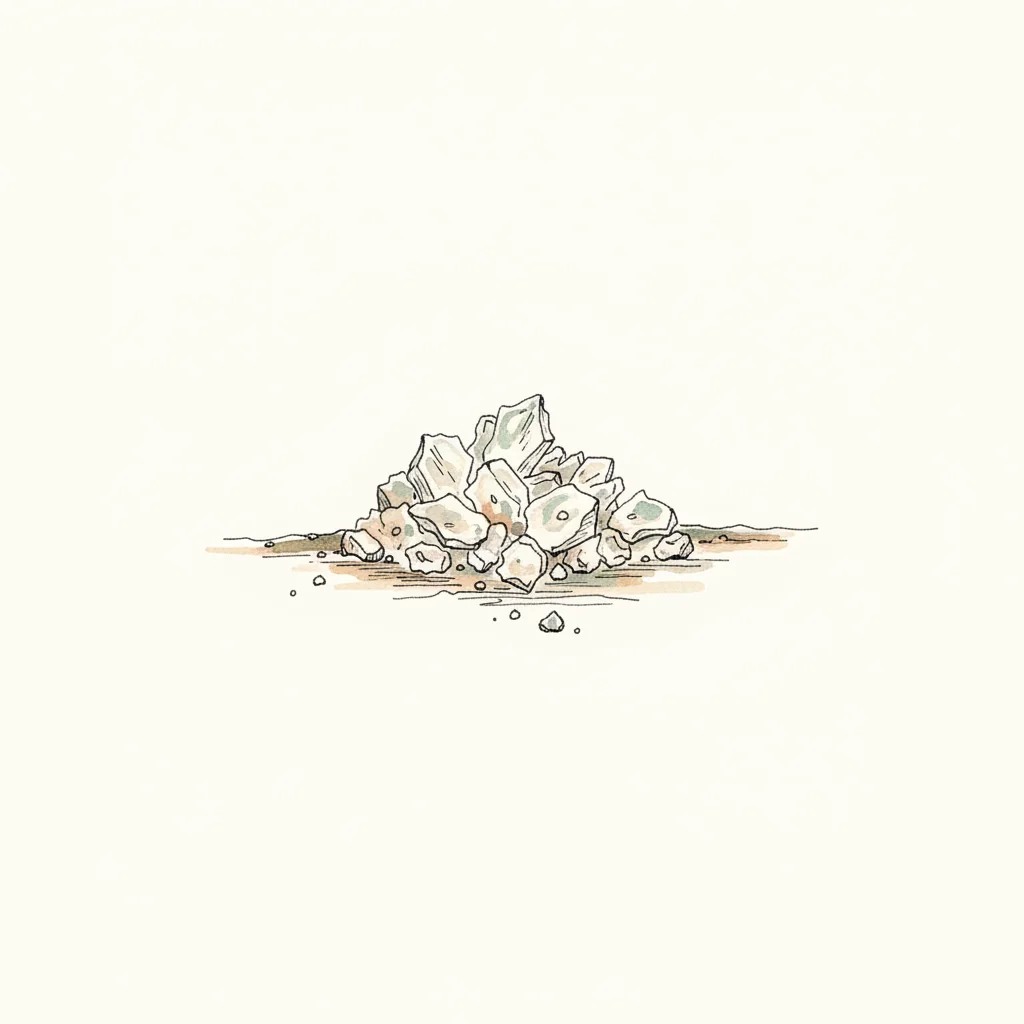
Salt · Sea salt
Noirmoutier Sea Salt
Noirmoutier Island, Vendée, Atlantic coast, France
frank salinity · clean brine · wet mineral
Our verdict
Fleur de sel to finish raw plates, Noirmoutier to season and cook. Different jobs, different prices.
At a glance
| Criterion | Fleur de Sel de Guérande | Noirmoutier Sea Salt |
|---|---|---|
| Origin | France, Guerande peninsula, Loire-Atlantique | France, Noirmoutier Island, Vendee, Atlantic coast |
| Status | PGI, hand-skimmed by paludiers | Hand-raked from tidal salt marshes, no PGI |
| Intensity | 6/10 - round salinity, faint violet | 7/10 - frank salinity, clean brine, wet mineral |
| Texture | Fine moist crystals that crunch softly and melt slow | Damp, slightly soft crystals, long even salinity |
| Role | Finishing - raw, at the very end | Cooking - pasta water, court-bouillon, brines, salting meat |
| Median price | ~$11 / 125 g box | ~$7 / 1 kg coarse |
| Value | A splurge, worth it on raw plates for the melt and finish. | An honest workhorse at workhorse prices. Great value. |
When to choose Fleur de Sel de Guérande
Reach for fleur de sel de Guerande when the plate is finished and raw and you want a delicate crunch with a long, mineral finish. Hand-skimmed by paludiers from the top of the Guerande pans and PGI-protected, fleur de sel forms fine, faintly damp white crystals that crunch softly, melt slowly, and leave a round salinity with a delicate iodine-and-violet note. That slow release is the point, and it shows on raw, finished plates where you want the salt to keep speaking: a ripe tomato, a soft-boiled egg, beef tartare, dark chocolate, salted-butter caramel. Against Noirmoutier sea salt the contrast is one of refinement and role. Noirmoutier is a coarse, damp cooking salt with a frank, even salinity; fleur de sel is the fine, delicate finisher, lighter in intensity but longer and more interesting on the finish, with an iodine tail the workhorse salt doesn't reach for. Where Noirmoutier dissolves into a dish to season it, fleur de sel sits on top of a finished one to lift it. So if your job is the final flourish, raw, at the very end, a pinch crushed between the fingers just before serving, fleur de sel is the right tool and Noirmoutier is the wrong one: the coarse grey-flecked crystals would read as cooking salt on a delicate plate and dissolve unevenly where you wanted a clean, even crunch. Where fleur de sel is the wrong choice is anywhere heat or volume is involved. At about $11 for 125 g it's many times the price per gram of Noirmoutier's roughly $7 kilo, so don't waste it in pasta water, a brine or a stock, the crystals dissolve like any salt, the iodine note cooks off, and you've spent splurge money on plain salinity. That's exactly Noirmoutier's job. The clean way to think about these two French Atlantic salts is finisher versus cook: fleur de sel from Guerande tops the plate, Noirmoutier from the Vendee seasons the pot. They're not substitutes, one is delicate, slow-melting and expensive by design, made to be tasted as crystals; the other is frank, even and cheap, made to disappear into cooked food. Keep fleur de sel raw and late, store it dry in a crock, and reserve it for the plates where its melt and finish actually register. For everything that happens in a pan or a pot, reach for Noirmoutier instead.
When to choose Noirmoutier Sea Salt
Choose Noirmoutier sea salt for the cooking, this is the honest workhorse of the French kitchen, the salt for the pot and the brine, not the finishing flourish. Hand-raked from the tidal salt marshes off Noirmoutier Island on the Vendee coast, its grey-flecked, slightly damp crystals carry a frank, even salinity and a wet, mineral edge, with a clean Atlantic iodine and a faint clay note. It dissolves slowly and grips the tongue before releasing a long, steady salinity rather than a sharp hit, which makes cooked food taste rounder than refined table salt would. And it stays cheap, roughly $5 to $8 a kilo against about $11 for 125 g of fleur de sel, so you can use it generously where salt does work rather than decoration. Reach for Noirmoutier to salt pasta and vegetable cooking water (about 10 g per liter), to season court-bouillon and seafood broths, to dry-brine meat before a sear (2 to 3 g per 100 g), to salt bread dough, to build brines and lacto-fermentations, even on roasted potatoes. Its damp, even crystal and mineral depth give the cooking a natural, rounded salinity, and because you want it dissolved into the dish, none of that character is lost in heat, the opposite of fleur de sel, whose delicate finish is wasted when cooked. Where Noirmoutier is the wrong tool is the raw finish. Don't scatter it on a finished tomato or a chocolate dessert expecting a clean, even crunch: the crystals are coarse, damp and grey-flecked, so they look like cooking salt and dissolve unevenly where fleur de sel's fine white crystal gives a delicate melt and a refined appearance. And in fine pastry or anything that should stay even and translucent, the coarse grain shows, keep it to the pot. The practical split with fleur de sel is role and price: Noirmoutier from the Vendee is the cook's salt, fleur de sel from Guerande is the finisher. They're both French Atlantic sea salts, but they're not substitutes, one seasons the dish as it cooks, the other tops the plate raw. For the everyday salting that good cooking is built on, pasta water, brines, the pinch in the pan, Noirmoutier is the better value and the right tool, and at kilo prices you never wince at using it. Keep the pricier fleur de sel for the final flourish on raw, finished plates.
Where to buy?
Fleur de Sel de Guérande
Links checked on
| Merchant | Price | Action |
|---|---|---|
| Amazon US | — | Amazon US |
Prices may vary depending on current promotions on the merchant site.
Noirmoutier Sea Salt
Links checked on
| Merchant | Price | Action |
|---|---|---|
| Amazon US | — | Amazon US |
| Formaggio Kitchen | — | Formaggio Kitchen |
| Sous Chef UK | — | Sous Chef UK |
Prices may vary depending on current promotions on the merchant site.
Frequently asked questions
- Are Guerande and Noirmoutier the same kind of salt?
- Both are French Atlantic sea salts, but they're different products for different jobs. Fleur de sel de Guerande is a fine, PGI-protected finishing crystal skimmed off the pans by hand. Noirmoutier sea salt is a coarse, damp cooking salt raked from tidal marshes. One finishes the plate, the other seasons the pot.
- Which is cheaper?
- Noirmoutier, by a wide margin. It's roughly $5 to $8 a kilo as a coarse cooking salt, while fleur de sel runs about $11 for just 125 g. That's why Noirmoutier is the everyday workhorse you use freely and fleur de sel is the splurge you reserve for finishing raw plates.
- Can I finish a plate with Noirmoutier?
- It's not built for it. Noirmoutier's coarse, damp, grey-flecked crystals read as cooking salt on a delicate plate and dissolve unevenly where you'd want a clean crunch. For a raw tomato, tartare or caramel, reach for fleur de sel's fine white crystal. Keep Noirmoutier for the pot, the brine and the pasta water.
- If I cook a lot, which do I need?
- Noirmoutier. It's the better value for everyday seasoning, pasta water, brines, dry-brining meat, and its frank, even salinity gives cooked food a rounder taste than table salt. Add fleur de sel only when you want a finishing crystal on a raw, finished plate; for cooking, Noirmoutier does the job for a fraction of the price.
The best pairings
With Fleur de Sel de Guérande
With Noirmoutier Sea Salt
Comparison prepared according to our methodology. Sponsored purchase links — see our affiliations.