
Comparison
Gochugaru vs smoked paprika: what's the difference?
Gochugaru is a fruity Korean cooking flake, 5/10 heat, the backbone of kimchi and bulgogi, with no smoke. Smoked paprika de la Vera is a ground Spanish powder built entirely around oak smoke, dulce grade carrying no burn at all. Buy gochugaru for fruity Korean heat, smoked paprika for deep wood smoke.
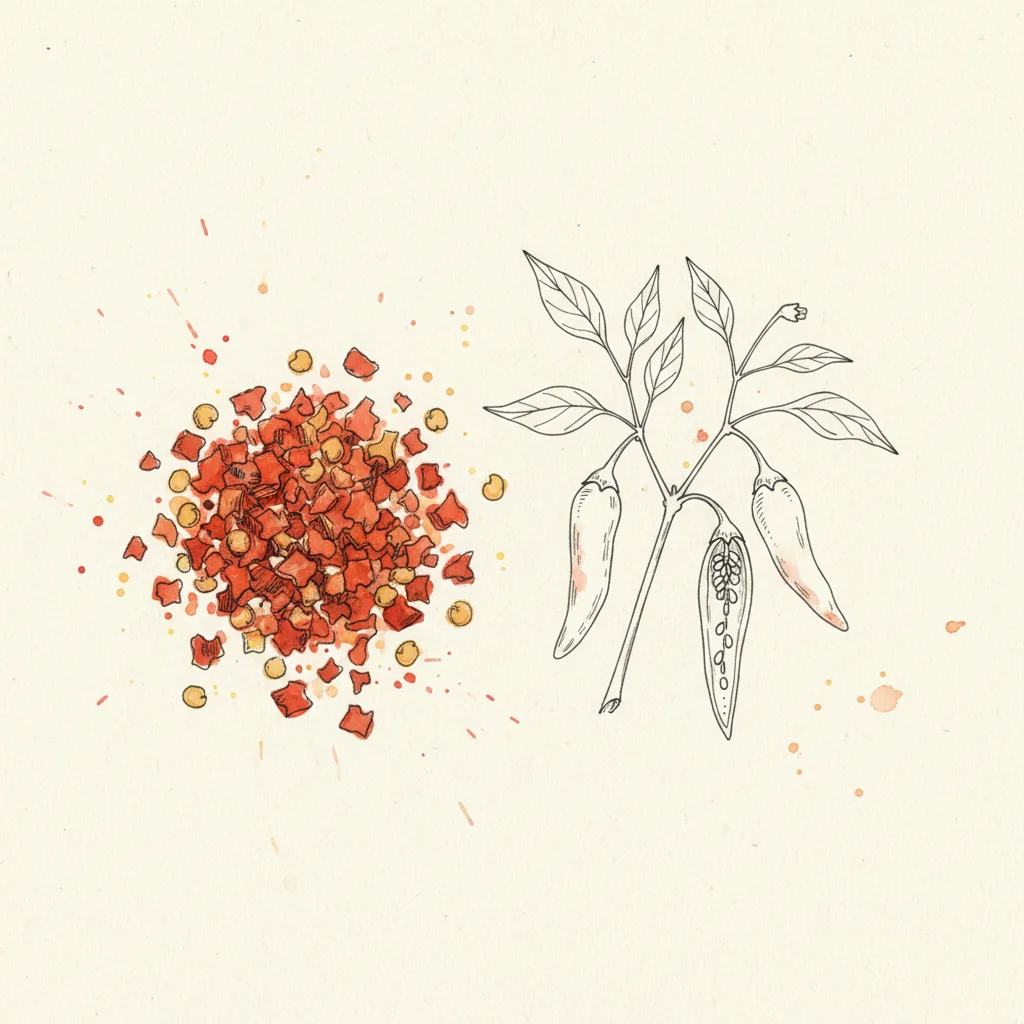
Spice · Chili flakes
Gochugaru
Yeongyang (Gyeongsang North) and Goesan (Chungcheong North), South Korea
ripe red fruit · baked apple · sun-dried tomato
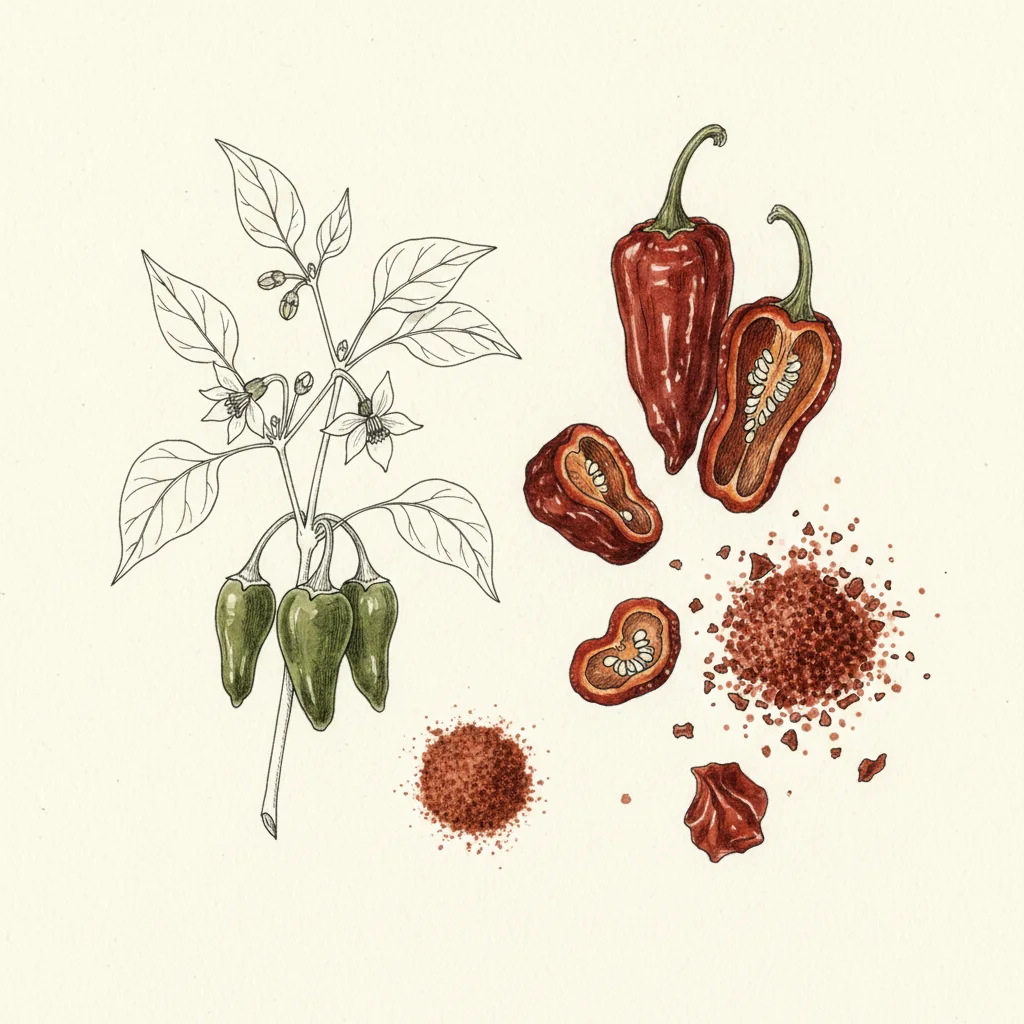
Spice · Paprika
Smoked Paprika de la Vera DOP
La Vera comarca, northern Extremadura (Cáceres province), Spain (DOP)
deep oak smoke · roasted red pepper · grilled meat
Our verdict
Gochugaru for fruity Korean heat, smoked paprika for built-in oak smoke.
At a glance
| Criterion | Gochugaru | Smoked Paprika de la Vera DOP |
|---|---|---|
| Origin | South Korea (Yeongyang, Goesan) | La Vera, Caceres, Spain (DOP since 1993) |
| Flavor profile | Ripe red fruit, baked apple, sun-dried tomato | Deep oak smoke, roasted red pepper, grilled meat |
| Intensity | 5/10 fruity heat that builds | Dulce grade no burn; picante grade adds heat |
| Smoke | None; clean sun-dried fruit | Built in; two weeks over an oak fire |
| Form | Medium red-orange flake | Stone-milled powder, three grades |
| Best use | Kimchi, bibimbap, tteokbokki, bulgogi, chili oil | Chorizo, patatas bravas, pulpo, BBQ rubs, romesco |
| Median price | ~$15 / 1 lb bag | ~$9 / 50g tin |
When to choose Gochugaru
Gochugaru is the fruity Korean cooking flake, and you choose it when you want a building, sun-dried-fruit heat with no smoke at all. Korean red chili dried in the sun then crushed to a medium flake, it's a bright red-orange with a gentle 5 out of 10 heat that doesn't bite on contact, it settles in on the second taste, with ripe red fruit, baked apple and sun-dried tomato notes. This is the backbone of kimchi, bibimbap and gochujang, and nothing else does that job. Four scenarios where gochugaru wins over smoked paprika. First, napa cabbage kimchi, mixed to a paste with water and fish sauce, where the clean fruity heat is the real appeal and smoke would be wrong. Second, a bulgogi marinade, stirred in and given time to bloom. Third, tteokbokki, where the fruity heat coats the rice cakes. Fourth, homemade chili oil, where the medium flake gives color and slow heat. The rule: gochugaru is for cooking, stirred into a marinade or partway through, two teaspoons per 2 pounds of cabbage for kimchi, a teaspoon for a marinade serving four. Don't expect smoke, this is clean sun-dried fruit, the opposite of paprika's oak fire. And don't waste it on delicate sweets, clear vinaigrettes or smooth fresh cheeses. Store it in a resealable bag or airtight jar, ideally refrigerated after opening to hold color and moisture; keeps its punch about 12 months. A 1 lb bag runs about $15. Where this beats smoked paprika: any Korean dish, or anywhere you want fruity heat without a campfire note.
When to choose Smoked Paprika de la Vera DOP
Smoked paprika de la Vera is the choice when smoke is the point. Real Spanish smoked paprika, not the air-dried Hungarian kind: the peppers are smoked for two weeks over an oak fire in La Vera, then stone-milled, so the smoke is built in, not sprayed on. DOP-protected since 1993, it comes in three grades, dulce (sweet, no burn), agridulce (bittersweet) and picante (hot). Its job is to put deep oak smoke and roasted-red-pepper depth into a dish without a smoker, something gochugaru can't do. Four scenarios where paprika wins over gochugaru. First, homemade chorizo, where the smoke has to define the meat from the inside. Second, patatas bravas and Galician-style octopus, the classic dusting that's about smoke, not heat. Third, BBQ rubs for chicken and ribs, where it lays down a smoked-over-fire note before grilling. Fourth, romesco and bean stews, where it bloomed into the base carries the pot. The rule, and the catch: bloom it early in warm oil off direct heat so the color releases without scorching. High dry heat scorches the sugars and turns it bitter in seconds, so never dust it on a screaming pan, and never add it to a dish already smoked, like smoked salmon. One teaspoon for four, or a tablespoon per kilo of meat for a marinade. Store it in an airtight tin away from light; color and smoke hold about 18 months before oxidizing toward brown, so buy small and use it up. At around $9 a tin, it's the cheapest way to put wood smoke into a dish. Where this beats gochugaru: if you want built-in oak smoke, this is the only one of the two that delivers it, and gochugaru's clean fruity heat would miss the mark entirely.
Where to buy?
Gochugaru
Links checked on
| Merchant | Price | Action |
|---|---|---|
| Amazon US | — | Amazon US |
| Sous Chef UK | — | Sous Chef UK |
Prices may vary depending on current promotions on the merchant site.
Smoked Paprika de la Vera DOP
Links checked on
| Merchant | Price | Action |
|---|---|---|
| Amazon US | — | Amazon US |
| Burlap & Barrel | — | Burlap & Barrel |
| Sous Chef UK | — | Sous Chef UK |
Prices may vary depending on current promotions on the merchant site.
Frequently asked questions
- Can I substitute one for the other?
- Only carefully. Both are red and ground or flaked, but gochugaru brings fruity heat with no smoke, while smoked paprika brings smoke, sometimes with no heat. Swap them and you either add or lose wood smoke entirely. They overlap in color, not in character.
- Which is hotter?
- Gochugaru, at a building 5 out of 10. Smoked paprika dulce has no real burn at all, only smoke; the picante grade adds some heat but still less punch than gochugaru. For heat, gochugaru. For smoke, paprika.
- Is gochugaru smoked?
- No. Gochugaru is sun-dried, giving a clean, fruity flavor with zero smoke. If a recipe wants a smoky note in a Korean dish, that usually comes from another ingredient. For built-in smoke, you'd reach for smoked paprika or a chipotle, not gochugaru.
- Can I cook with both timed the same way?
- Not quite. Gochugaru is forgiving, stirred into marinades or partway through cooking. Smoked paprika is fussier: bloom it in warm oil off the heat, because high dry heat scorches its sugars bitter in seconds. Gochugaru tolerates more direct heat.
The best pairings
With Gochugaru
With Smoked Paprika de la Vera DOP
Comparison prepared according to our methodology. Sponsored purchase links — see our affiliations.