
Dish × condiment pairing
Which chile flake for chili oil noodles?
Season : all-year · Occasion : weeknight, quick meal, comfort food
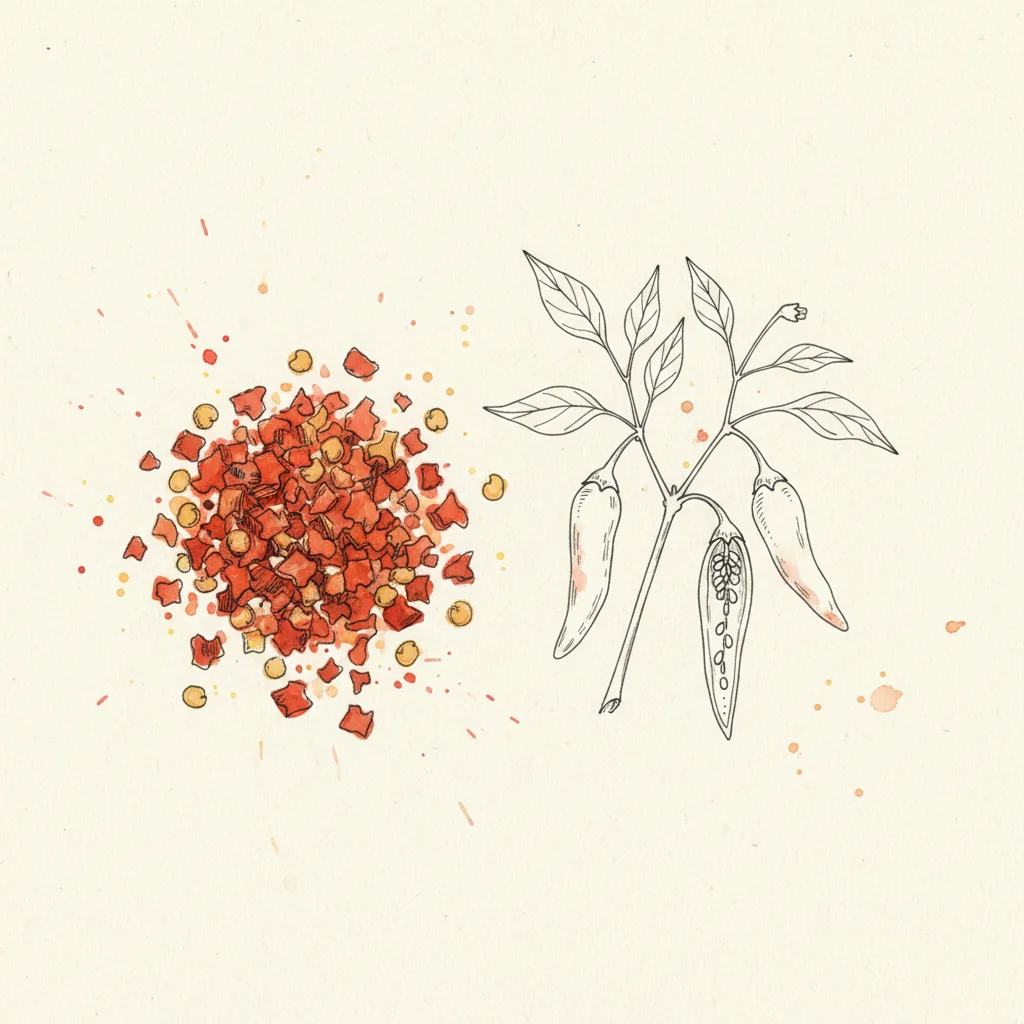
Gochugaru. Korean sun-dried red chili crushed to a medium flake, with a fruity heat around 5 out of 10 that settles in instead of biting. Its coarse texture and vivid red-orange color are made for blooming in hot oil. About $15 a pound, and it lasts months in the fridge.
In detail
For chili oil noodles, the chile to reach for is gochugaru, the sun-dried Korean red flake. It runs a gentle 5 out of 10 on heat with a fruity, faintly sweet profile, ripe red fruit and sun-dried tomato, so you can pour it by the spoonful without scorching the dish. The texture is the other reason: a medium-coarse flake blooms cleanly in hot oil and gives the slick its vivid red-orange color and a clinging body that coats the noodles. Look for sun-dried on the bag, not kiln-dried, which flattens the flavor and turns the color brown. Don't reach for Italian red pepper flakes here; the chemistry is different and the result tastes harsh and one-note. Pour oil at about 350°F over the flakes with a little garlic, scallion and sesame. A one-pound bag runs about $15 and keeps for months, refrigerated after opening to hold the color.
Our recommendation
Spice · Chili flakes
Gochugaru
Yeongyang (Gyeongsang North) and Goesan (Chungcheong North), South Korea
ripe red fruit · baked apple · sun-dried tomato
Gochugaru's fruity, low-bitterness heat is built for chili oil, where you want color and aroma as much as fire. At a mild 5 out of 10 you can use it generously, and its medium-coarse flake blooms in hot oil without burning to ash the way fine cayenne does. The result is a glossy, red-orange slick that clings to noodles. A one-pound bag is about $15 and lasts months.
Intensity 5/10
Where to buy it
Links checked on
| Merchant | Price | Action |
|---|---|---|
| Amazon US | — | Amazon US |
| Sous Chef UK | — | Sous Chef UK |
Prices may vary depending on current promotions on the merchant site.
Affiliate links — La Pincée may earn a commission on some sales, at no extra cost to you. Read more.
The catch
Don't grab the Italian red pepper flakes for this. The chemistry is different: those bite hard and one-note, where gochugaru gives a fruity, building heat and the color that makes chili oil look like chili oil. Reach for the wrong flake and you get harsh fire with no body, no gloss, no aroma. Gochugaru blooms; commodity flakes scorch. Use the right grain or the slick falls flat.
Chef's note
Pour, don't fry. Pile the gochugaru in a heatproof bowl with minced garlic, sliced scallion and a spoon of sesame seeds. Heat neutral oil to about 350°F, no hotter, and pour it over in two stages so the flakes bloom without scorching. Listen for the sizzle to settle, then stir in a little soy and black vinegar. Coarse flake, not fine powder, so it clings to the noodles.
Tasting note
ripe red fruit · sun-dried tomato · gentle building heat · about $15 for a one-pound bag, and it lasts months refrigerated. Worth it. A bag this size outlasts a dozen jars of supermarket flakes and does more.
These three sections appear on every one of our pairing pages — our methodology.
Alternatives to explore
-
Spice · Chile
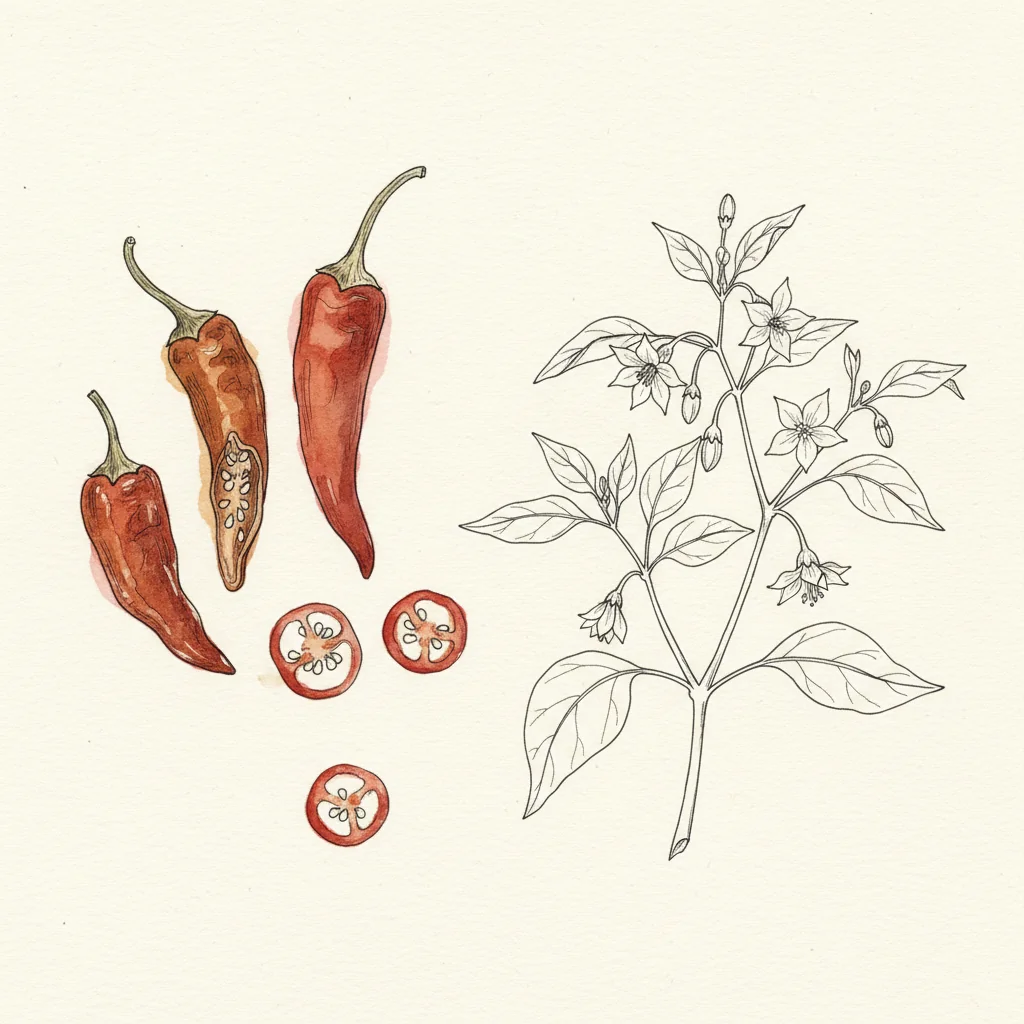
Aleppo Pepper
Southern Turkey (Gaziantep, Kahramanmaraş) and northern Syria (Aleppo), Turkey / Syria
Intensity 5/10
Aleppo pepper brings a similar fruity, moderate heat with a touch more raisin and salt. A good Levantine swap if gochugaru is hard to find, though the color reads darker red.
-
Spice · Chile
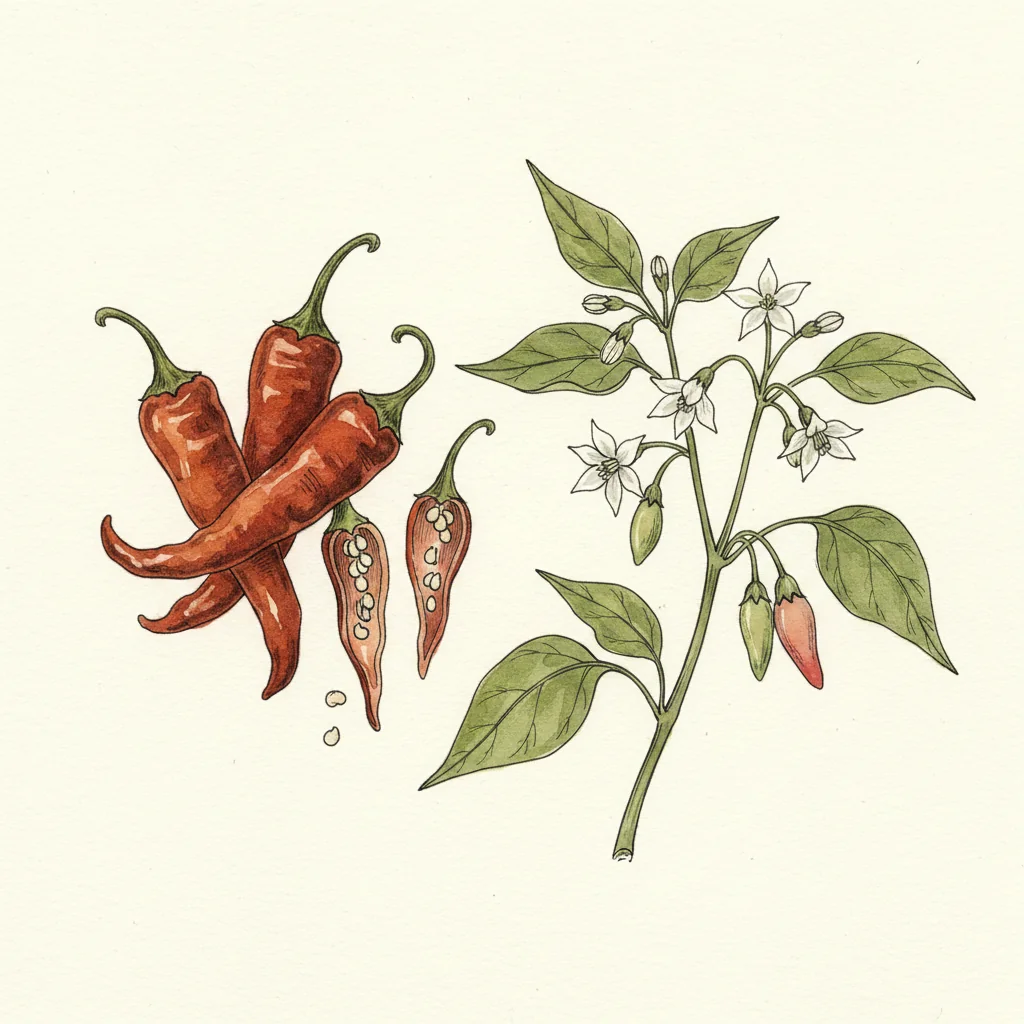
Calabrian Chili
Calabria — Diamante (Riviera dei Cedri) and the province of Cosenza, Italy
Intensity 6/10
Calabrian chili dried into flakes brings a smokier, brinier heat. Hotter and more savory, the pick if you want the oil to read Italian rather than Korean.
Complementary ingredients
- Sichuan Peppercorns — A pinch in the oil for a numbing, citrusy ma-la lift
Frequently asked questions
- Can I use regular red pepper flakes for chili oil noodles?
- You can, but they bite harsher and read one-note. Gochugaru's fruity, milder heat and coarse flake bloom better in oil and give a glossier, redder slick. Italian flakes will taste like a different dish.
- What oil temperature for blooming gochugaru?
- Around 350°F, poured over the flakes with garlic, scallion and sesame. Hotter than that scorches the flakes to ash and turns the oil bitter; cooler and the flavor never fully blooms into the fat.
- Sun-dried or kiln-dried gochugaru?
- Sun-dried, every time. The bag should say so. Slow sun-drying preserves the natural sugars, the vivid red color and the red-fruit aroma. Kiln-dried industrial flakes flatten the flavor and pull the color toward brown.
This pairing was validated according to our methodology. Purchase links are marked sponsored and may earn a commission — details on our Affiliations page.