
Dish × condiment pairing
Which gochugaru for bibimbap sauce?
Season : all-year · Occasion : weeknight, weekend cooking, comfort food
Gochugaru, the sun-dried Korean flake, but for the sauce you want it ground fine and folded into gochujang, not the coarse kimchi flake. Its fruity 5-out-of-10 heat and red-fruit aroma carry the bibimbap sauce without scorching. About $15 a pound, and it keeps for months cold.
In detail
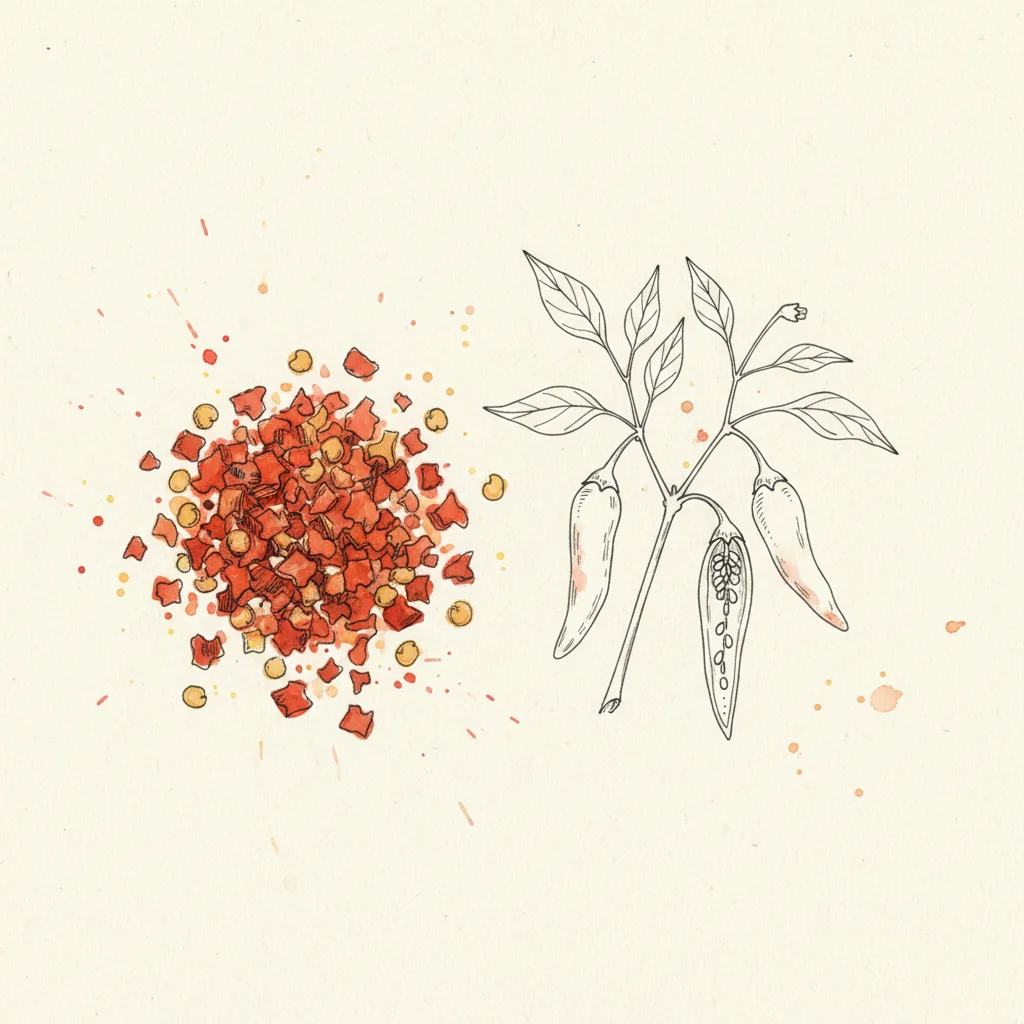
For bibimbap sauce, gochugaru is the chile, but the grind matters. The classic sauce is gochujang loosened with sesame oil, a little sugar, vinegar and garlic, and gochugaru deepens its color and fruit. Reach for the fine powder (goun) rather than the coarse kimchi flake (gulgeun) so it dissolves smoothly into the paste instead of sitting in gritty specks. Gochugaru's gentle 5-out-of-10 heat and red-fruit, sun-dried-tomato profile let you build the sauce to taste without it turning harsh. Insist on sun-dried on the bag: it preserves the sugars, the vivid red-orange color and the aroma that make the sauce sing. Kiln-dried flakes read flat and brown. Don't swap in cayenne or paprika; the chemistry is wrong and the sauce won't taste Korean. A one-pound bag runs about $15 and keeps for months, refrigerated after opening to hold the color and moisture.
Our recommendation
Spice · Chili flakes
Gochugaru
Yeongyang (Gyeongsang North) and Goesan (Chungcheong North), South Korea
ripe red fruit · baked apple · sun-dried tomato
Gochugaru is the chile that makes Korean food taste Korean, and bibimbap sauce is built on it. For the sauce, use the fine powder so it melts into the gochujang rather than leaving gritty flecks. Its fruity, low-bitterness 5-out-of-10 heat lets you adjust to taste without harshness, and the sun-dried color deepens the whole bowl. A one-pound bag is about $15 and lasts months.
Intensity 5/10
Where to buy it
Links checked on
| Merchant | Price | Action |
|---|---|---|
| Amazon US | — | Amazon US |
| Sous Chef UK | — | Sous Chef UK |
Prices may vary depending on current promotions on the merchant site.
Affiliate links — La Pincée may earn a commission on some sales, at no extra cost to you. Read more.
The catch
Don't dump the coarse kimchi flake into your bibimbap sauce. Gulgeun is built for fermentation and bulk, not for dissolving, and it leaves gritty red specks floating in the gochujang. For a smooth sauce you want the fine powder, goun. Same chili, different grind, and the wrong one turns a glossy sauce grainy. Read the bag for the cut, not just the name.
Chef's note
Build the sauce warm, not hot. Whisk a tablespoon of gochujang with a teaspoon each of sesame oil, rice vinegar and sugar, a grated garlic clove, and a teaspoon of fine gochugaru. Let it sit ten minutes so the flake hydrates and the color deepens before it hits the rice. Taste and add gochugaru, not gochujang, when you want more heat without more salt.
Tasting note
fruity heat · candied citrus · clean Korean red · about $15 for a one-pound bag, which lasts months refrigerated. Worth it, and the same bag does your kimchi, your tteokbokki and your chili oil too.
These three sections appear on every one of our pairing pages — our methodology.
Alternatives to explore
-
Spice · Chile
Urfa Biber
Şanlıurfa, southeastern Anatolia, Turkey
Intensity 4/10
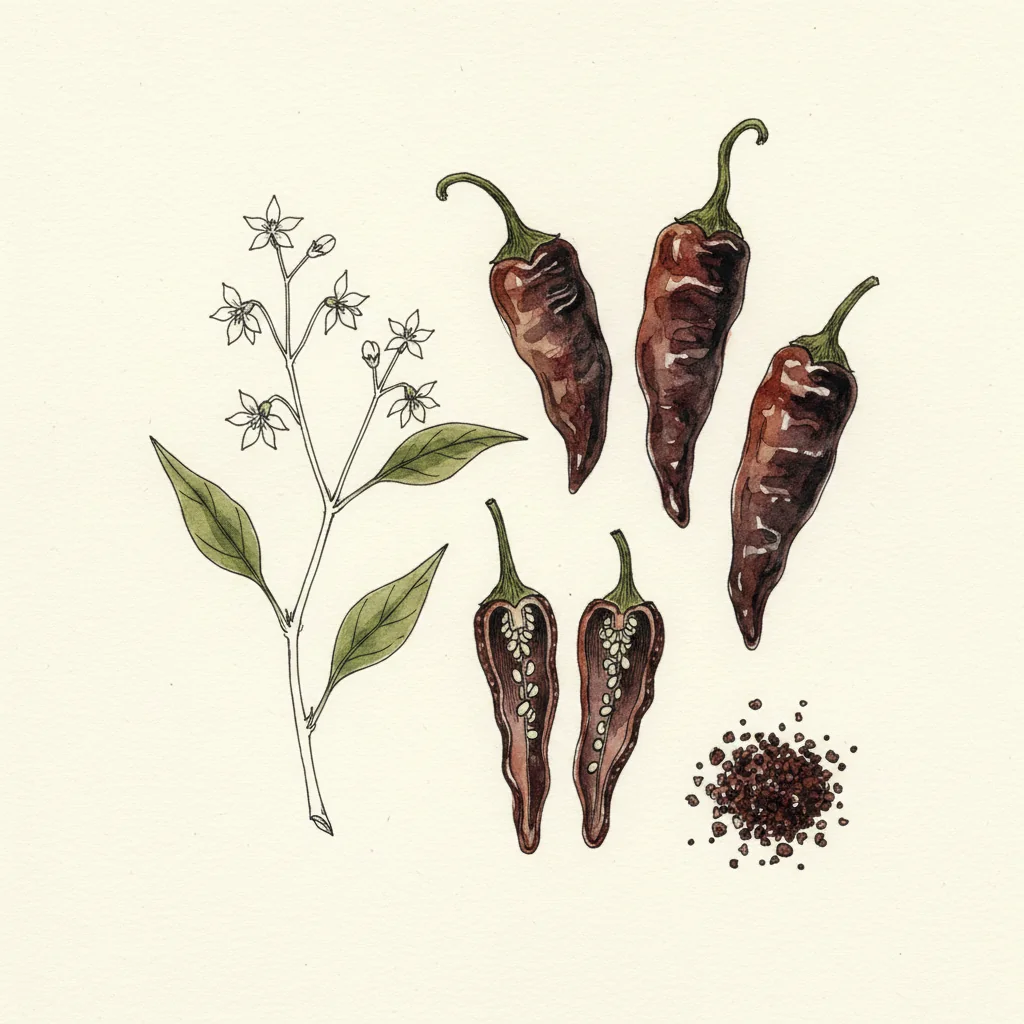
Urfa biber brings a dark, raisiny, gently smoky heat. A passable swap for warmth, though it lacks gochugaru's specific Korean red-fruit profile and won't read authentic in the sauce.
-
Spice · Chile
Aleppo Pepper
Southern Turkey (Gaziantep, Kahramanmaraş) and northern Syria (Aleppo), Turkey / Syria
Intensity 5/10
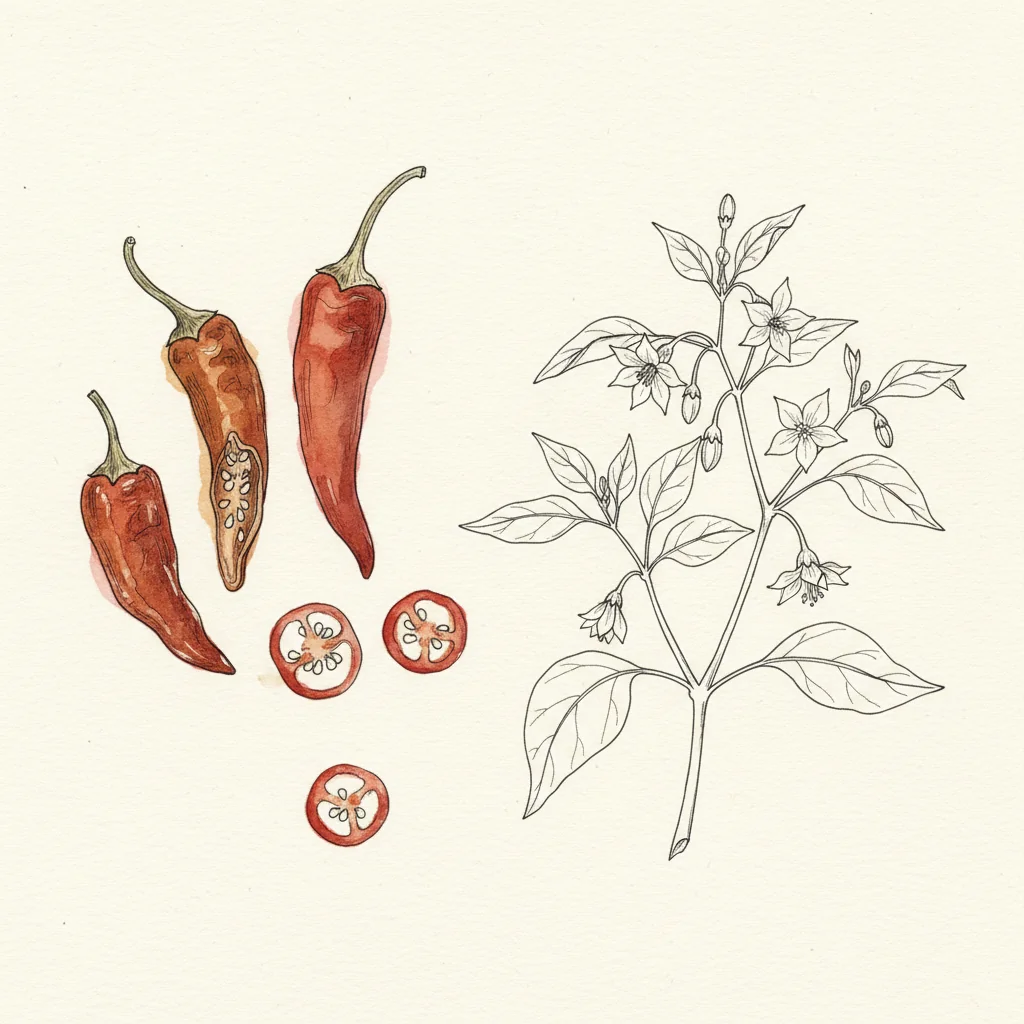
Aleppo's raisiny, moderate heat is the closest pantry stand-in. Useful in a pinch, but the sauce drifts Levantine and loses the clean Korean sweetness gochugaru gives.
Complementary ingredients
- Traditional Tamari — A small drizzle of tamari to round out the sauce's umami
Frequently asked questions
- Coarse or fine gochugaru for bibimbap sauce?
- Fine powder (goun) for the sauce, so it dissolves smoothly into the gochujang. The coarse flake (gulgeun) is for kimchi, where you want texture and bulk. In a sauce, coarse flake leaves gritty specks.
- What is bibimbap sauce made of?
- Gochujang loosened with sesame oil, a little sugar, rice vinegar and garlic, deepened with fine gochugaru. The gochugaru adds color and fruity heat; taste and adjust, since the sauce should be bold but not punishing.
- Can I substitute paprika or cayenne in bibimbap sauce?
- No. The chemistry is different and the sauce won't taste Korean. Cayenne is far hotter and harsher; paprika is sweet and dull. Track down real sun-dried gochugaru, or the dish loses its signature.
This pairing was validated according to our methodology. Purchase links are marked sponsored and may earn a commission — details on our Affiliations page.