
Dish × condiment pairing
Which chile flake for Korean fried chicken?
Season : all-year · Occasion : weekend, comfort food
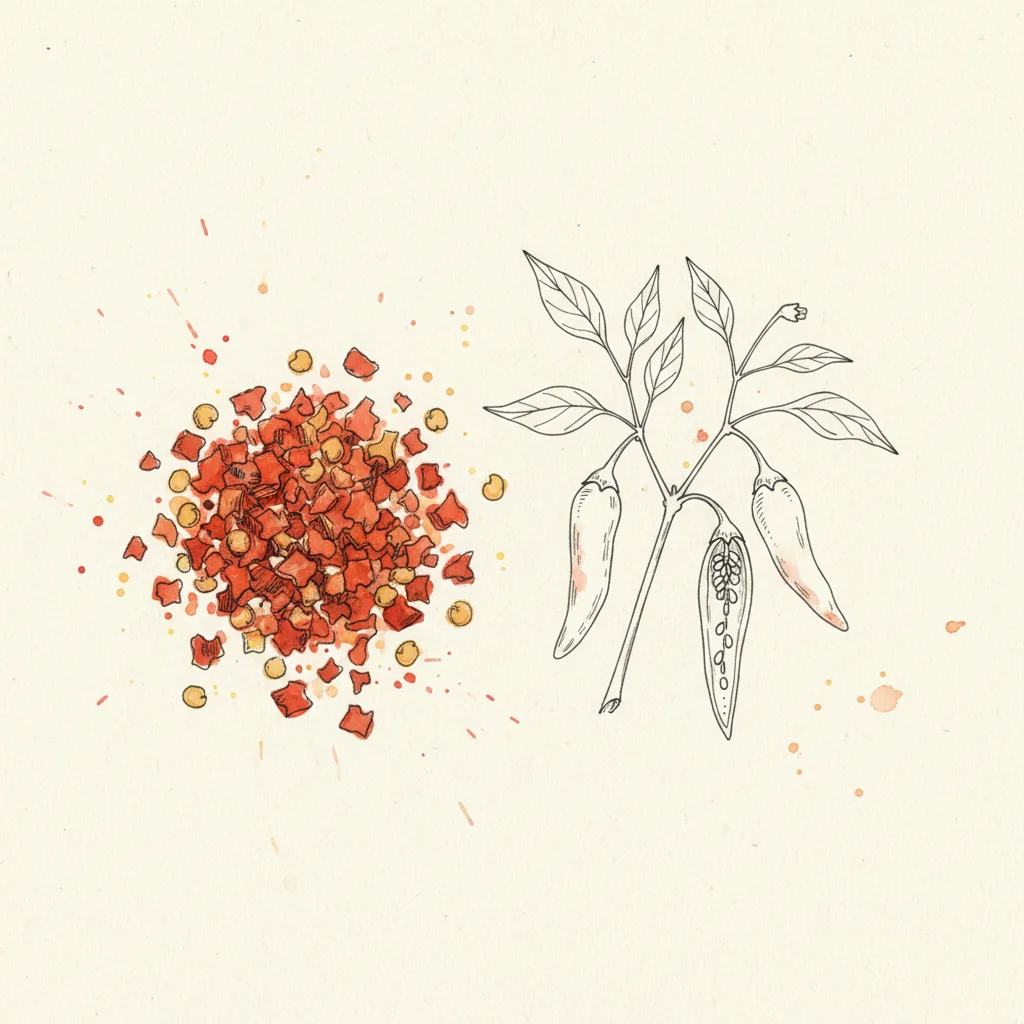
Gochugaru. It's the flake behind the gochujang in a yangnyeom glaze, and its fruity, faintly sweet warmth is what makes the sauce taste Korean, not just spicy. The 5-out-of-10 heat settles in rather than biting on contact, so it coats the crust without scorching. Don't swap in Italian flakes.
In detail
The chile flake for Korean fried chicken is gochugaru, the sun-dried Korean red chili crushed to a medium flake, grown in reference regions like Yeongyang and Goesan. It is the foundation of the sweet-spicy yangnyeom glaze, both directly and through the gochujang paste it helps make. Its ripe-red-fruit and baked-apple warmth gives the sauce its signature fruity, faintly sweet depth, and the moderate 5-out-of-10 heat builds on the second bite rather than biting on contact, so it lacquers the double-fried crust without scorching it. Don't swap in Italian or generic red pepper flakes: they sting up front and lack the sweetness, and the glaze stops tasting Korean. A typical glaze leans on gochujang for body with a spoon of gochugaru stirred in for color and a cleaner chile note. A 1 lb bag costs about $15 and lasts months of cooking.
Our recommendation
Spice · Chili flakes
Gochugaru
Yeongyang (Gyeongsang North) and Goesan (Chungcheong North), South Korea
ripe red fruit · baked apple · sun-dried tomato
Gochugaru is the foundation of the sweet-spicy yangnyeom glaze on Korean fried chicken, both directly and through the gochujang it builds. Its ripe-red-fruit, baked-apple warmth gives the sauce its signature fruity, faintly sweet depth, and the 5-out-of-10 heat builds on the second bite rather than hitting up front. It coats the lacquered crust without harsh fire. A 1 lb bag runs about $15 and lasts months.
Intensity 5/10
Where to buy it
Links checked on
| Merchant | Price | Action |
|---|---|---|
| Amazon US | — | Amazon US |
| Sous Chef UK | — | Sous Chef UK |
Prices may vary depending on current promotions on the merchant site.
Affiliate links — La Pincée may earn a commission on some sales, at no extra cost to you. Read more.
The catch
Don't reach for the red pepper flakes in the cupboard. Italian flakes bite on contact and bring no sweetness, so a yangnyeom glaze built on them tastes harsh and generic, not Korean. Gochugaru's fruity, baked-apple warmth is the whole identity of the sauce. The 5-out-of-10 heat settles in on the second bite instead of stinging up front, which is exactly what lets it coat the crust without scorching it. The swap is how this dish most often goes wrong.
Chef's note
Bloom the gochugaru in the warm glaze, off the heat. Build your yangnyeom from gochujang, soy, garlic, rice syrup and vinegar, then stir in a tablespoon of gochugaru and let it sit while the chicken drains from its second fry. The residual warmth opens the flake's color and fruit without dulling it. Toss the chicken in the glaze only at the last second so the crust stays crisp.
Tasting note
ripe red fruit · baked apple · sweet heat · lacquered finish · about $15 for a 1 lb bag, months of glaze and kimchi. Worth it.
These three sections appear on every one of our pairing pages — our methodology.
Alternatives to explore
-
Spice · Chile
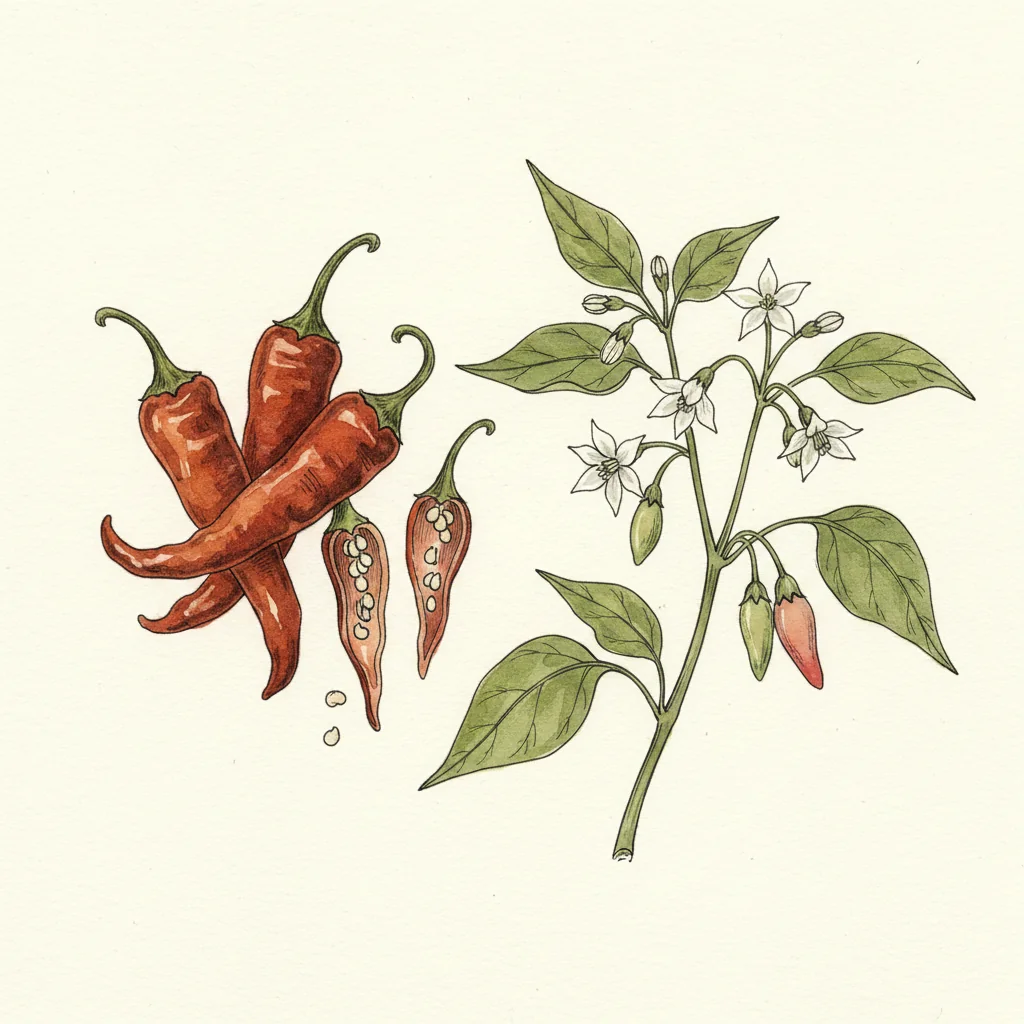
Calabrian Chili
Calabria — Diamante (Riviera dei Cedri) and the province of Cosenza, Italy
Intensity 6/10
Calabrian brings briny, fruity heat that's louder and more savory, fine for a fusion wing but it pulls the glaze away from the sweet, faintly fruity Korean profile.
-
Spice · Chile
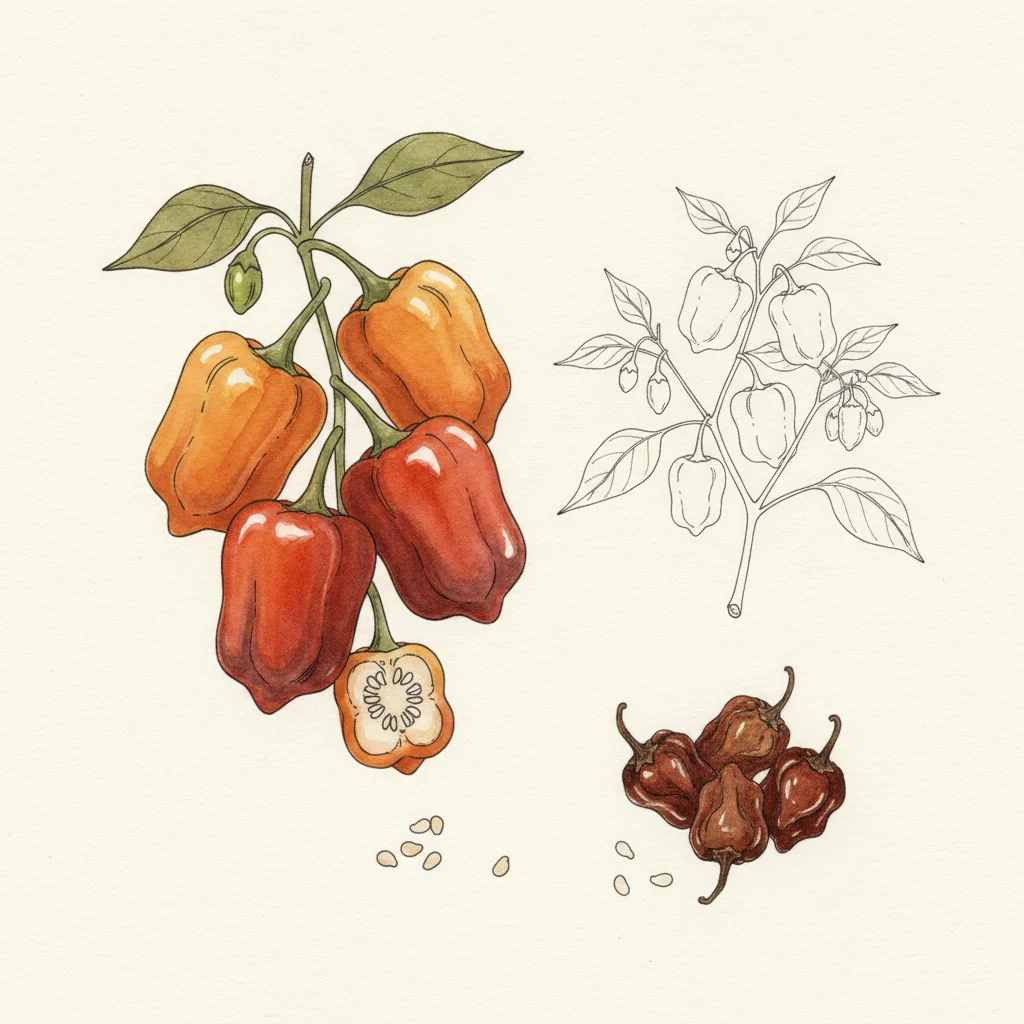
Yucatán Habanero
Yucatán Peninsula (Yucatán, Campeche, Quintana Roo), Mexico (PDO (Habanero de la Península de Yucatán, 2010))
Intensity 9/10
Yucatán habanero would torch the glaze at 9 out of 10 and swap the gentle Korean sweetness for tropical fire. Wrong dish unless you want a punishing wing.
Complementary ingredients
- Gochugaru — The chile in the gochujang-based yangnyeom glaze, with extra stirred in for color
Frequently asked questions
- Is gochugaru the same as gochujang?
- No. Gochugaru is the dried sun-cured chile flake; gochujang is the fermented paste made partly from it. A yangnyeom glaze usually uses gochujang for body and a spoon of gochugaru for extra color and a cleaner chile note.
- How spicy is gochugaru on fried chicken?
- Moderate. At around 5 out of 10 the heat builds on the second bite rather than hitting up front, and it carries a fruity, faintly sweet edge. The glaze tastes warm and lacquered, not punishing, which is the Korean style.
- Can I use regular chili flakes instead of gochugaru?
- Not really. Italian or generic flakes bite on contact and lack the baked-apple sweetness, so the glaze tastes harsh and off. Gochugaru is what makes the sauce read Korean; the swap is the most common way the dish goes wrong.
This pairing was validated according to our methodology. Purchase links are marked sponsored and may earn a commission — details on our Affiliations page.