
Comparison
Guajillo vs Calabrian chili: which to choose?
Cuisine decides this one. Guajillo is a mild (3/10), berry-tart dried pod you blend into Mexican sauce bases — birria, salsa roja, mole. Calabrian chili is a fruitier, brinier Italian chili with genuine heat (6/10), usually crushed in oil for pasta and pizza. One brings color and tang, the other brings burn. Match the chili to the kitchen.
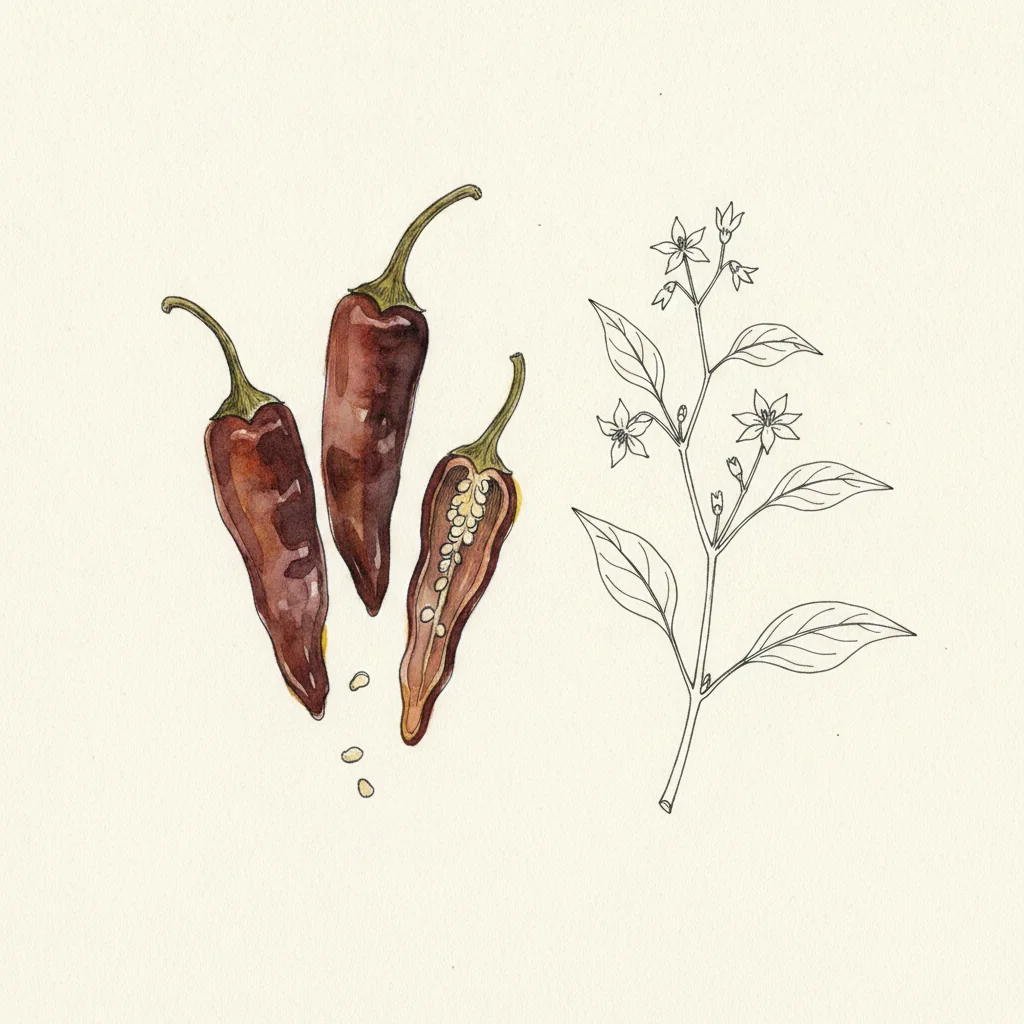
Spice · Chile
Guajillo Chile
Zacatecas and Durango (the dry highland Bajío-to-north belt where mirasol is grown), Mexico
bright berry-tart · dried cranberry · green tea
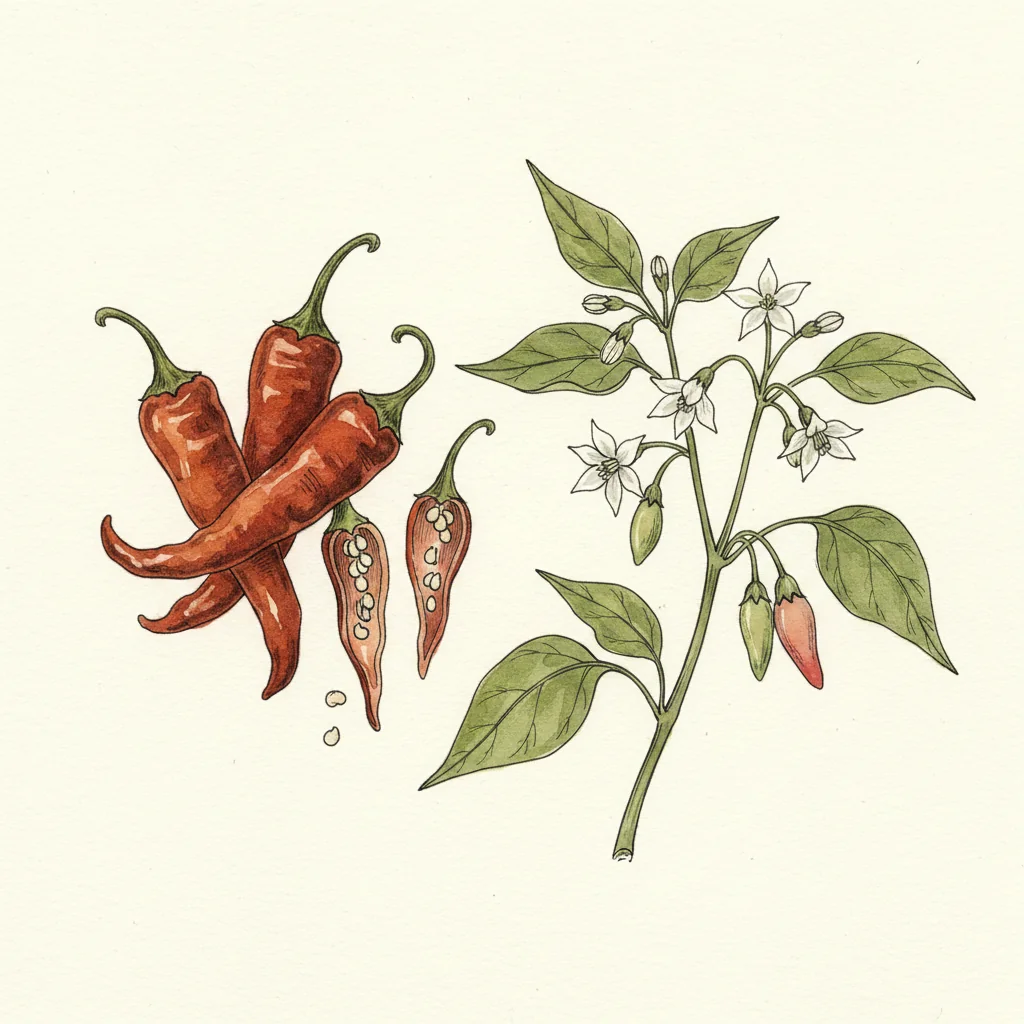
Spice · Chile
Calabrian Chili
Calabria — Diamante (Riviera dei Cedri) and the province of Cosenza, Italy
ripe-fruit heat · sun-dried tomato · smoky char
Our verdict
Guajillo for Mexican sauce bases, Calabrian for Italian heat.
At a glance
| Criterion | Guajillo Chile | Calabrian Chili |
|---|---|---|
| Origin | Mexico, Zacatecas & Durango (dried mirasol) | Italy, Calabria — Diamante & Cosenza |
| Form | Whole sun-dried pods | Crushed in olive oil (jar), or dried flakes |
| Flavor | Bright berry-tart, dried cranberry, green-tea tannin | Ripe-fruit heat, sun-dried tomato, smoky-briny edge |
| Heat | 3/10 — tangy, mild, fades fast | 6/10 — fruity, forward, building |
| When to add | Rehydrated into a sauce base, never raw | Early in oil, or as a flaked finish |
| Best use | Birria, salsa roja, pozole, adobo, mole | Aglio e olio, arrabbiata, pizza, hot chicken |
| Price | ~$10 / 225g bag of pods | ~$10 / 285g jar crushed in oil |
When to choose Guajillo Chile
Reach for guajillo when you're cooking Mexican and you need color, tang and structure under a sauce rather than heat on top. It's the workhorse red chile of Mexican cooking — long, smooth, deep-burgundy mirasol pods sun-dried across the dry highlands of Zacatecas and Durango. The heat sits low, around 3 out of 10, a clean tangy warmth that lands on the front of the tongue and fades fast, tart before it's hot. The point is the flavor: bright berry-tart, dried cranberry and a green-tea tannin, with a dry berry-sour finish rather than a burn. This is the chile that gives birria and barbacoa, red enchilada sauce and adobo, pozole rojo and salsa roja their color and their backbone, and it works in mole bases alongside ancho and pasilla, and in marinades for grilled skirt steak. The technique matters: rehydrate the pods and blend them into the base of a sauce, or toast them dry then grind, but never use guajillo as a raw finish, and don't scorch it, because long scorching turns the skin acrid and bitter. Three to four pods serve four, stemmed and seeded, about 15 g of dried pods. Don't reach for it when you need real heat, because guajillo is mild by design and won't deliver fire. Buy pods, not powder, and grind as needed: pliability is your freshness gauge, since a guajillo that still bends and feels leathery is alive, while one that snaps dry and looks dull has oxidized and lost its aroma. Store airtight, away from light, where whole pods keep about 12 months. At about $10 for a 225g bag it's cheap and essential to a Mexican pantry — the chile you build on, not the one you fear.
When to choose Calabrian Chili
Reach for Calabrian chili when you're cooking Italian, or anything that wants a fruity, briny, genuinely hot kick. This is Calabria's working chili, grown around Diamante and across Cosenza on the toe of Italy, and you meet it two ways: dried into thin peperoncino flakes, or — far more common — the jar of crushed pods packed in olive oil with a little salt and vinegar. Either form carries a fruity, sun-dried-tomato warmth and a smoky, briny edge, with a real, building heat around 6 out of 10, bright and almost wine-like on the front of the tongue before the burn settles in. It's a cooking chili, not a museum piece: spaghetti aglio e olio and arrabbiata, Nashville hot chicken and pizza, roasted broccoli and charred greens, grilled or pan-seared steak, white beans with sausage and braised greens, and straight into vinaigrettes and compound butter. The crushed-in-oil paste blooms into hot fat early, so add it at the start when you want the heat to carry the dish; the dried flakes go on later as a finish. Half a teaspoon of the paste per portion, or a generous pinch of flakes, and taste as you build, because the heat compounds. Keep it off delicate fish you want to taste cleanly, out of subtle cream sauces it will overpower, and away from anything where you don't want a savory, briny edge, because that brine is always there. The oil-packed jar keeps unopened in the pantry; once opened, refrigerate it, keep the paste submerged under its oil to seal out air, and use within a couple of months. Dried flakes go in an airtight, opaque jar away from light, where they hold about a year. At about $10 a 285g jar it's an everyday cooking chili with real character.
Where to buy?
Guajillo Chile
Links checked on
| Merchant | Price | Action |
|---|---|---|
| Amazon US (whole dried pods) | — | Amazon US (whole dried pods) |
| Sous Chef UK (Cool Chile Co) | — | Sous Chef UK (Cool Chile Co) |
Prices may vary depending on current promotions on the merchant site.
Calabrian Chili
Links checked on
| Merchant | Price | Action |
|---|---|---|
| Amazon US (TuttoCalabria, crushed, 10 oz) | — | Amazon US (TuttoCalabria, crushed, 10 oz) |
| Burlap & Barrel | — | Burlap & Barrel |
Prices may vary depending on current promotions on the merchant site.
Frequently asked questions
- Is Calabrian chili hotter than guajillo?
- Yes, clearly. Calabrian sits around 6 out of 10 with a building, fruity heat; guajillo is a mild 3 out of 10 that fades fast. If you want actual burn, it's Calabrian — guajillo is about tang and color, not fire.
- Can I use guajillo in pasta arrabbiata?
- It won't taste right. Guajillo's berry-tart, green-tea profile is built for Mexican sauce bases, not Italian olive-oil heat. For arrabbiata you want Calabrian's briny, sun-dried-tomato fruit and its real heat. Match the chili to the cuisine.
- Should I buy Calabrian chili in oil or dried?
- The crushed-in-oil jar is the more useful one for most cooking — it blooms straight into hot fat and goes into vinaigrettes and butter. Buy dried flakes only if you specifically want a finishing sprinkle. The oil jar is the default.
- Why does my guajillo sauce taste bitter?
- You probably scorched the pods. Guajillo turns acrid and bitter under long, hot toasting. Toast it briefly, then rehydrate and blend — and never use it as a raw finish, where the skin stays bitter too.
The best pairings
With Guajillo Chile
With Calabrian Chili
Comparison prepared according to our methodology. Sponsored purchase links — see our affiliations.