
Comparison
Ras el hanout vs dukkah: which to use?
These aren't rivals, they're different jobs. Ras el hanout is a 15-to-30-spice Moroccan blend you bloom in fat to build a tagine. Dukkah is a toasted nut-and-seed condiment you sprinkle raw on top for texture. Cook with ras el hanout; finish with dukkah. Use the wrong one and you waste it.
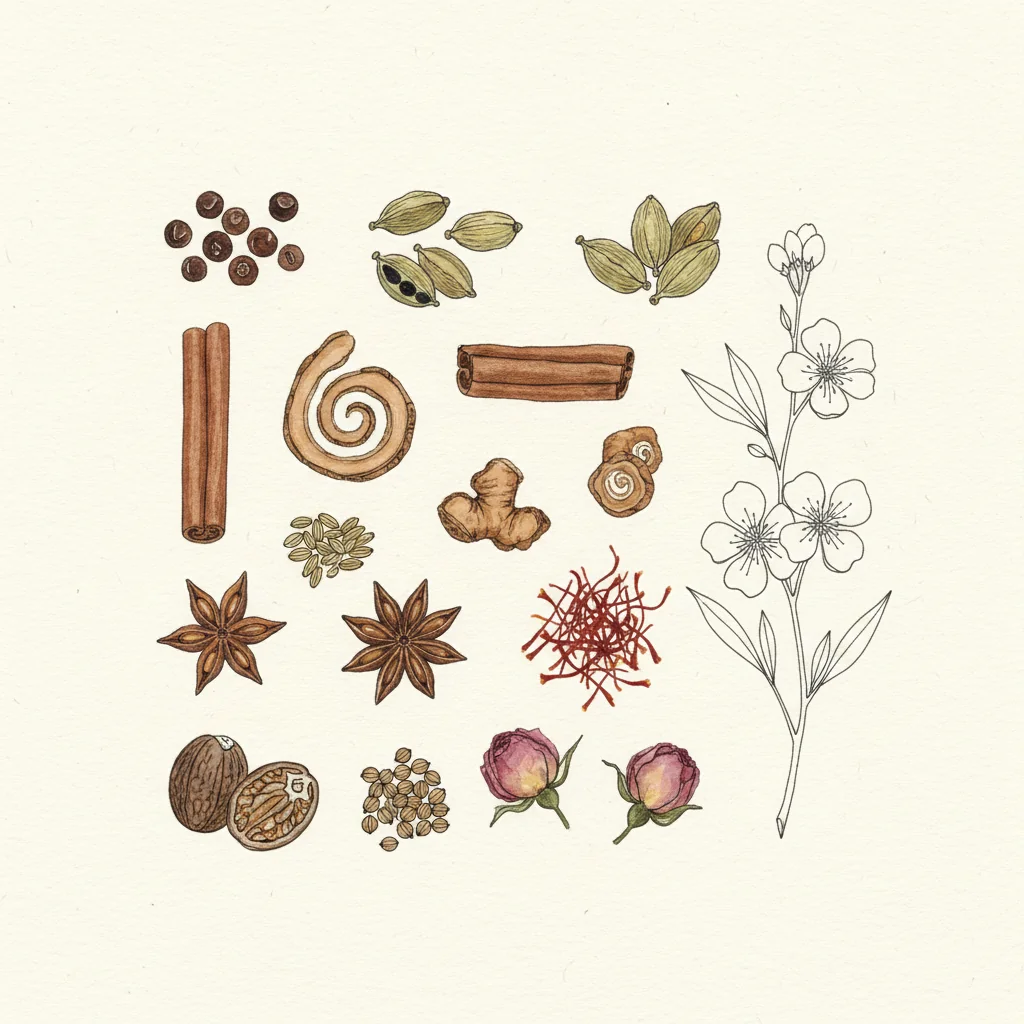
Spice · Blend
Ras el Hanout
Made across the country, with signature recipes in Fès, Marrakech and Tétouan, Morocco
warm baking spice · dried rose · spiced wood
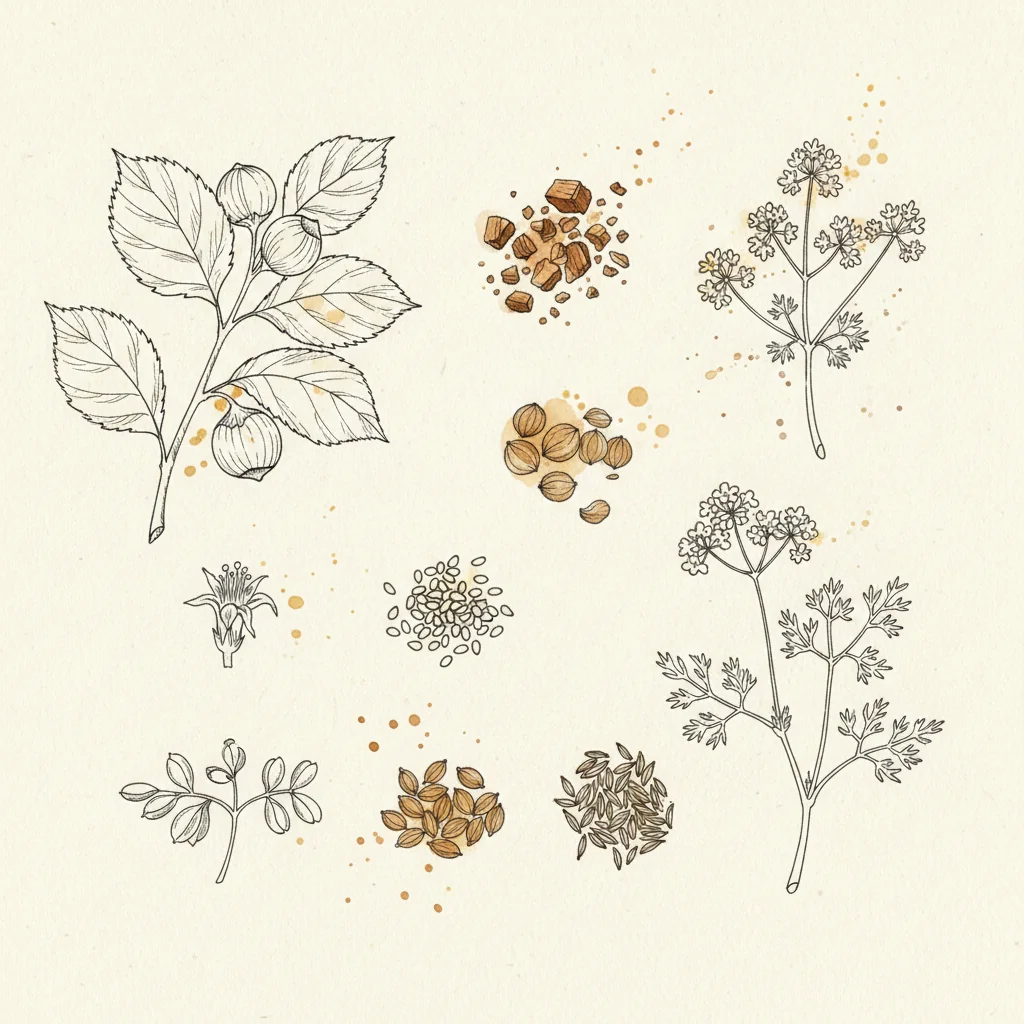
Spice · Blend
Egyptian Dukkah
Cairo and the Nile Delta, where it is a street-food and home-pantry staple eaten with bread and oil, Egypt
toasted hazelnut · warm sesame · earthy cumin
Our verdict
Ras el hanout cooks into the dish; dukkah is sprinkled on at the end.
At a glance
| Criterion | Ras el Hanout | Egyptian Dukkah |
|---|---|---|
| Profile | Warm baking spice, dried rose, spiced wood, candied citrus | Toasted hazelnut, warm sesame, earthy cumin, coriander seed |
| Intensity | 6/10 — complex, warming, no single dominant heat | 5/10 — nutty richness, savory, coarse texture |
| Price | ~$11 for a 50-60 g jar | ~$9 for a 2 oz / 55 g jar |
| Best use | Bloomed early into tagine, couscous, kefta, roast vegetables | Sprinkled raw onto flatbread, eggs, labneh, roasted vegetables |
When to choose Ras el Hanout
Reach for ras el hanout when you're building a dish from the inside out. It's a Moroccan attar blend — 15 to 30 spices, with signature recipes in Fès, Marrakech and Tétouan — and at 6/10 it's a slow, layered warmth with dried rose, spiced wood and candied citrus, no single note shouting. Four jobs it owns. First, lamb tagine with prunes and almonds, the dish ras el hanout was built for: bloom it in the fat with the onions at the start, and it perfumes the whole braise. Second, royal couscous, where it seasons the broth the grain steams over. Third, kefta meatballs, worked into the raw mince. Fourth, honey-roasted carrots and squash, tossed in oil and the spice before roasting. The catch is technique: never dust it raw over a finished plate. These are mostly whole spices ground together, and they need heat and fat to wake up — sprinkled on raw at the end they taste dusty and harsh, not warm. Bloom it early, full stop. Buy a small jar, 50 to 60 g for around $11, because the essential oils hold for only about 12 months before the blend goes powdery and flat. Quality varies wildly — a good ras el hanout has visible rose petals and a complex nose; a cheap one is mostly cumin and turmeric. It belongs with red meat, poultry and roasted vegetables; keep it off delicate white fish, which it buries.
When to choose Egyptian Dukkah
Reach for dukkah when a finished dish needs crunch and toasted-nut richness, not another cooked-in spice. It's an Egyptian condiment — toasted hazelnut, sesame, coriander and cumin, coarsely crushed — and a Cairo pantry staple eaten with bread and oil. At 5/10 it's all texture and savor: nutty up front, with an earthy cumin and citrusy-coriander finish. Four jobs it owns. First, warm flatbread dipped in olive oil then into the dukkah — the original use, and still the best. Second, soft-boiled or fried eggs, where the crunch plays against the runny yolk. Third, labneh and thick yogurt, dukkah scattered over the top with a slick of oil. Fourth, roasted carrots, cauliflower and squash, finished with a handful for bite. The whole point is texture, which is why you add it raw, at the very end — never cook it into a sauce, or you've turned a crunchy condiment into wet paste. The catch is freshness: because it's mostly nuts and seeds, the oils turn rancid within about 3 to 6 months of opening, far faster than a ground spice. Buy a small jar, around $9 for 2 oz, smell for fresh toasted nut before you use it, and refrigerate it in a hot kitchen. If it smells flat or like old oil, bin it. This is a finishing crunch, not a building block — it does nothing simmered into a stew, and everything sprinkled on at the last second.
Where to buy?
Ras el Hanout
Links checked on
| Merchant | Price | Action |
|---|---|---|
| Amazon US | — | Amazon US |
| Sous Chef UK | — | Sous Chef UK |
Prices may vary depending on current promotions on the merchant site.
Egyptian Dukkah
Links checked on
| Merchant | Price | Action |
|---|---|---|
| Amazon US | — | Amazon US |
| The Spice Way | — | The Spice Way |
| Sous Chef UK | — | Sous Chef UK |
Prices may vary depending on current promotions on the merchant site.
Frequently asked questions
- Can I use ras el hanout and dukkah interchangeably?
- No. Ras el hanout is a cooking blend you bloom in fat; dukkah is a raw finishing crunch. Cook with one, sprinkle the other on top — swapping them wastes both.
- Why shouldn't I cook dukkah into a dish?
- Its whole point is texture. Simmered into a sauce, the nuts and seeds go soft and the crunch is gone. Add it raw at the very end.
- Which one goes off faster?
- Dukkah, by a lot. Being mostly nuts and seeds, it turns rancid within 3 to 6 months of opening; ras el hanout holds about 12 months. Buy both small.
- Can I make a dish with both?
- Yes — bloom ras el hanout into a tagine or roasted vegetables, then finish the plate with a scatter of dukkah for crunch. They work in sequence, not as substitutes.
The best pairings
With Ras el Hanout
With Egyptian Dukkah
Comparison prepared according to our methodology. Sponsored purchase links — see our affiliations.