
Dish × condiment pairing
Which dukkah for an oil dipping plate?
Season : all-year · Occasion : all year
A fresh, coarse dukkah with whole sesame and broken hazelnut, not a ground one. Pour good olive oil in a shallow bowl, dukkah in another. Dip the warm bread in oil first so the dukkah clings, then press it into the rubble. Buy small and recently made: the nuts go rancid in months.
In detail
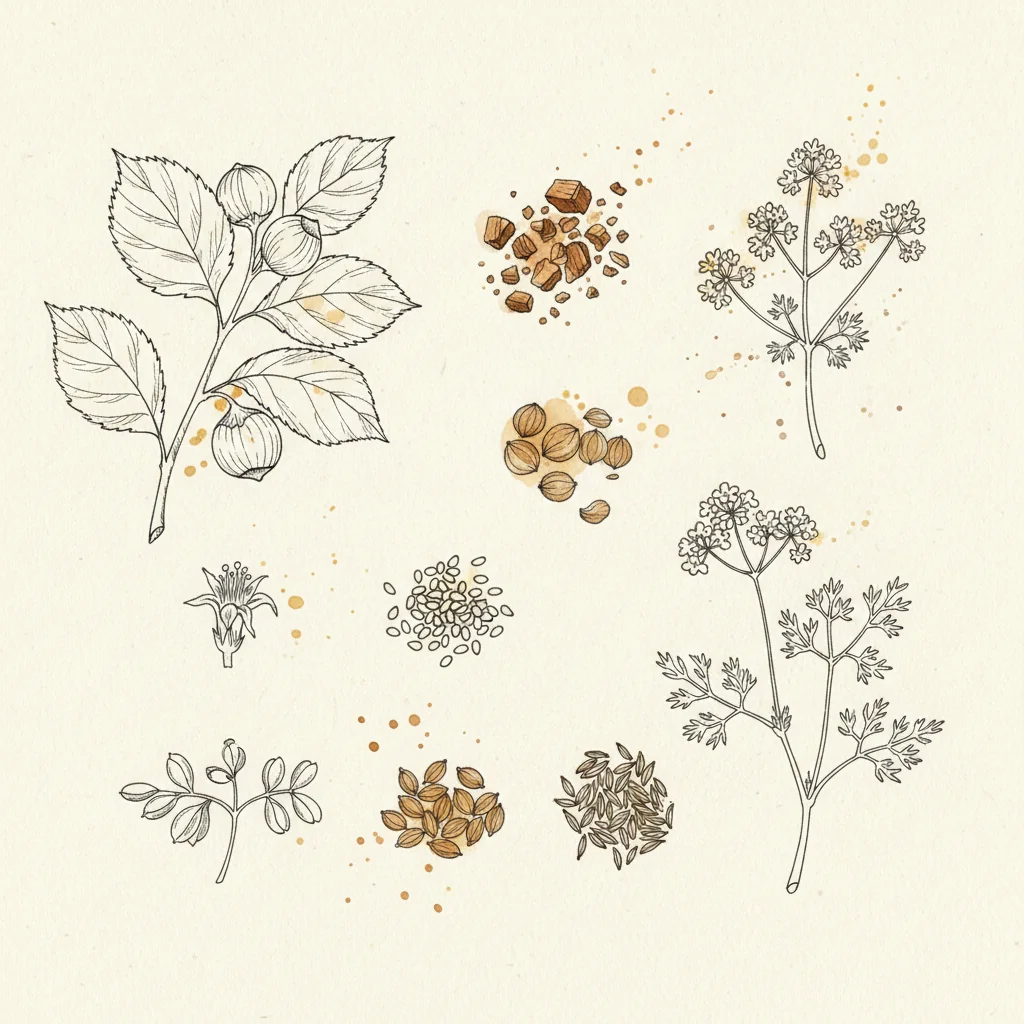
For a bread-and-oil dipping plate, use a fresh, coarse dukkah — Egypt's toasted nut-and-seed condiment of hazelnut, sesame, coriander and cumin. It is a texture, not a powder, so the grind matters more than the brand: you want whole sesame seeds and broken nuts, never a uniform tan dust. Set out two shallow bowls, one of good olive oil, one of dukkah. Dip the warm bread in the oil first, then press it into the dukkah so the rubble sticks — that is the original Egyptian street-food order, and reversing it leaves the dukkah on the plate. The one sourcing catch: because dukkah is mostly nuts, it turns rancid in three to six months, far faster than a ground spice. Buy a small, recently made jar — about $6 to $14 — and smell for fresh toasted nut, not cardboard.
Our recommendation
Spice · Blend
Egyptian Dukkah
Cairo and the Nile Delta, where it is a street-food and home-pantry staple eaten with bread and oil, Egypt
toasted hazelnut · warm sesame · earthy cumin
Dukkah is the only condiment built for this exact ritual — bread, oil, then the dry blend. Its coarse hazelnut-and-sesame crumble clings to oiled bread and gives crunch a smooth dip can't. It is meant to be eaten raw and dry, never stirred into the oil, so the texture survives. A coarse, recently made jar runs about $6 to $14 and is the whole plate in one scoop.
Intensity 5/10
Where to buy it
Links checked on
| Merchant | Price | Action |
|---|---|---|
| Amazon US | — | Amazon US |
| The Spice Way | — | The Spice Way |
| Sous Chef UK | — | Sous Chef UK |
Prices may vary depending on current promotions on the merchant site.
Affiliate links — La Pincée may earn a commission on some sales, at no extra cost to you. Read more.
The catch
Don't stir the dukkah into the oil. The whole Egyptian point is two bowls: oil in one, dry dukkah in the other. Dip the bread in oil first, then press it into the rubble so the nuts and sesame cling. Drown the dukkah in oil and you've turned a crunchy condiment into wet sludge — you've paid for texture and thrown it away.
Chef's note
Toast it back to life before serving. If your jar has sat open a month, tip the dukkah into a dry pan over medium for sixty to ninety seconds, shaking, until the sesame smells nutty again — then cool it before it hits the bowl. Stale nut oils flatten fast, and this one move resurrects a tired jar. Smell first: if it reads of cardboard, no toasting saves it. Replace it.
Tasting note
toasted hazelnut · warm sesame · earthy cumin · dry crunch · about $6 to $14 for a 2oz jar, and a little dipping plate goes a long way. Worth it for a fresh, coarse one — but skip any jar that pours like sand or smells flat. That's filler or rancid nuts.
These three sections appear on every one of our pairing pages — our methodology.
Alternatives to explore
-
Spice · Blend
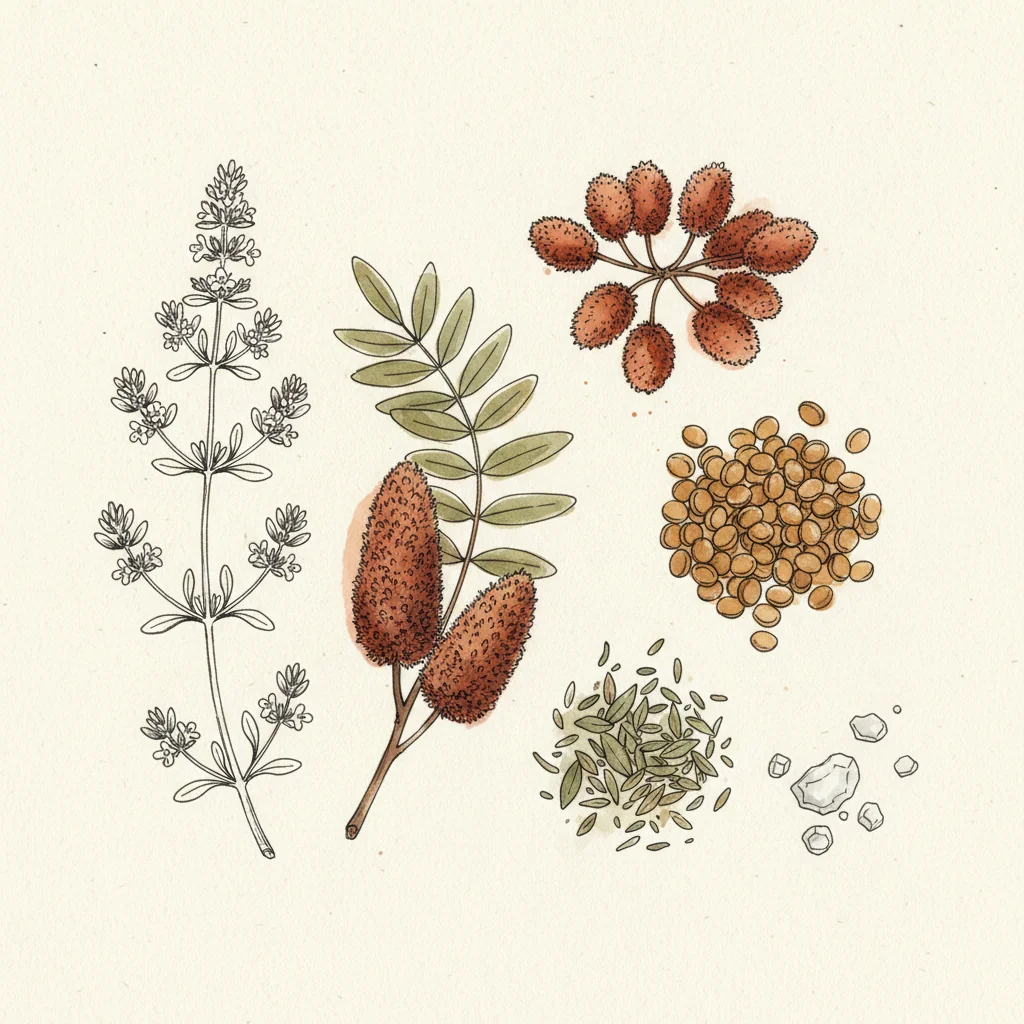
Za'atar
Levant, with distinct house styles in Beirut, Damascus and Nablus, Lebanon / Syria / Palestine
Intensity 5/10
Za'atar makes the more classic Levantine dip — thyme, sumac and sesame stirred into the oil itself rather than kept dry. Herbal and tart where dukkah is nutty and crunchy.
Complementary ingredients
- Za'atar — Set out a second bowl of za'atar-in-oil alongside for the herbal, tart counterpoint to dukkah's nutty crunch
Frequently asked questions
- Do you mix dukkah into the olive oil?
- No — keep them separate. Dip the bread in oil first, then press it into the dry dukkah so the coarse rubble clings. Stirring dukkah into the oil turns it to sludge and loses the crunch that is its whole point.
- What makes a good dukkah for dipping?
- Coarseness and freshness. You want to see whole sesame seeds and broken nut pieces, never a uniform powder, and you want a recently made jar — dukkah is mostly nuts, so it goes rancid in three to six months and starts tasting of cardboard.
- Which olive oil goes with dukkah?
- A good peppery extra-virgin, poured fresh into a shallow bowl. The dukkah carries the toasted-nut flavor and crunch, so the oil just needs to be fruity and clean — no need to splurge, but skip anything flat or stale.
This pairing was validated according to our methodology. Purchase links are marked sponsored and may earn a commission — details on our Affiliations page.