
Dish × condiment pairing
Which nut-spice blend for salmon crust?
Season : all-year · Occasion : weeknight, date night, dinner party
Dukkah. The Egyptian toasted nut-and-seed blend is the one crust that's all texture: press it onto oiled salmon and roast, so the hazelnut, sesame and coriander toast into a crisp coat. Keep it coarse, never powder, and add it as the crust before the oven, not scattered on after.
In detail
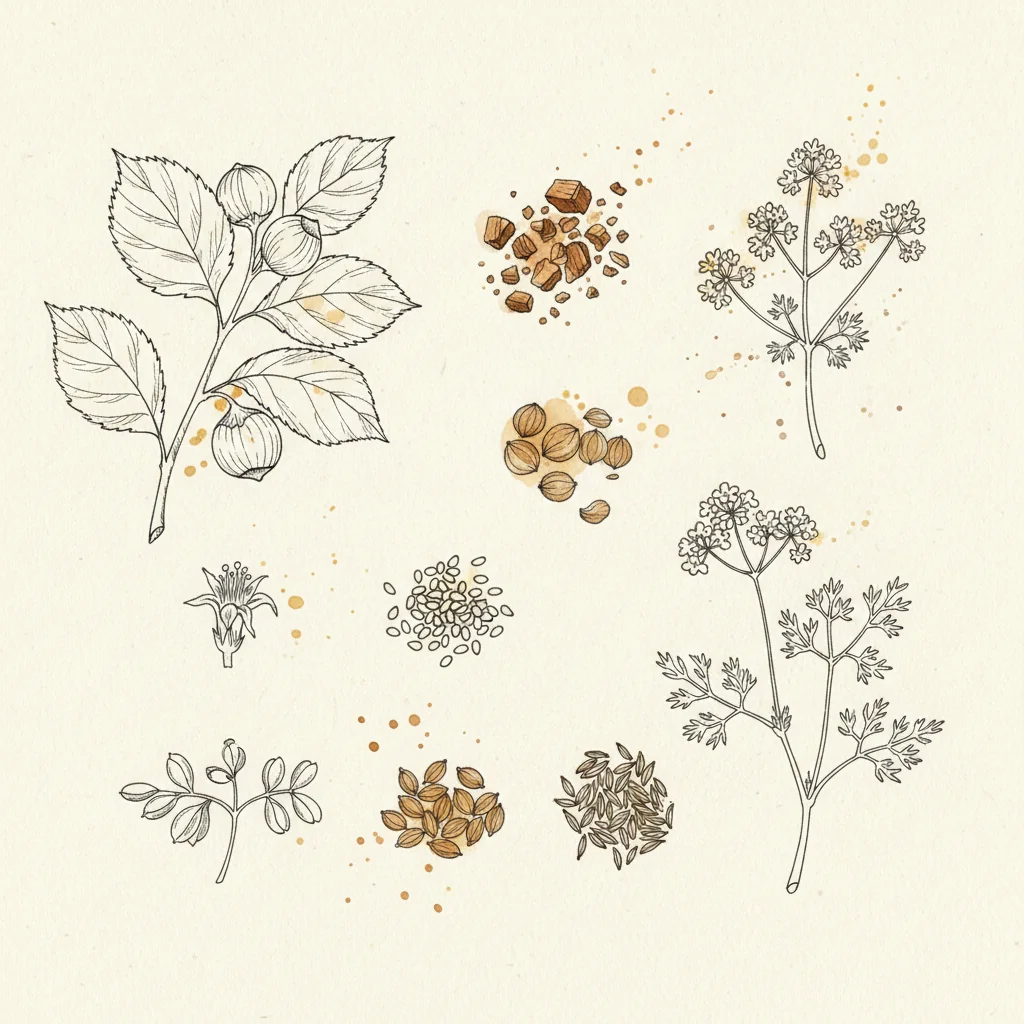
The best nut-spice blend for a salmon crust is dukkah, the Egyptian toasted blend of hazelnut, sesame, coriander seed and cumin. Where most spice mixes are powders, dukkah is a coarse, crumbly rubble, which is exactly what makes a crust: brush the fillet with oil, press the dukkah firmly onto the flesh side, and roast or sear so the nuts and seeds toast into a crisp, savory coat. Salmon is rich and robust enough to carry that weight, where dukkah's own profile warns it would bury a delicate white fish. Using it as a crust is the one time you cook dukkah: a short roast toasts it further without burning, unlike stirring it into a sauce, where the crunch is lost. Keep the blend coarse, you should see whole sesame and broken nuts. A 2 oz / 55 g jar costs about $6 to $14, and it goes rancid fast, so buy fresh.
Our recommendation
Spice · Blend
Egyptian Dukkah
Cairo and the Nile Delta, where it is a street-food and home-pantry staple eaten with bread and oil, Egypt
toasted hazelnut · warm sesame · earthy cumin
Dukkah is a coarse, crumbly nut-and-seed blend, which is exactly what makes a salmon crust work: hazelnut, sesame, coriander and cumin pressed onto an oiled fillet toast in the oven into a crisp, savory coat that fine spice can't give. Salmon is rich enough to carry it where dukkah would bury a delicate white fish. A 2 oz / 55 g jar runs about $6 to $14.
Intensity 5/10
Where to buy it
Links checked on
| Merchant | Price | Action |
|---|---|---|
| Amazon US | — | Amazon US |
| The Spice Way | — | The Spice Way |
| Sous Chef UK | — | Sous Chef UK |
Prices may vary depending on current promotions on the merchant site.
Affiliate links — La Pincée may earn a commission on some sales, at no extra cost to you. Read more.
The catch
Dukkah is a finishing condiment everywhere except here, and that trips people up two ways. Grind it fine for an even coat and you've destroyed the crunch that is the whole point, keep it coarse. And don't fear the oven: this is the one time dukkah is meant to cook. A short, hot roast toasts the nuts and seeds further. Leave it raw on top and the crust slides off the moment you cut in.
Chef's note
Oil, press, then heat. Pat the fillet dry, brush the flesh side with olive oil, and press a coarse dukkah on firmly with the flat of your hand so it adheres in a thick layer. Sear flesh-side down in a hot pan for a minute to set and toast the crust, then finish in a 400 F oven, four to six minutes for medium. Rest two minutes before serving so the crust holds.
Tasting note
toasted hazelnut · warm sesame · earthy cumin · crisp savory crust · about $6 to $14 for a 2 oz / 55 g jar. Worth it, but buy fresh and small, the nuts go rancid in months and stale dukkah tastes of cardboard.
These three sections appear on every one of our pairing pages — our methodology.
Alternatives to explore
-
Spice · Blend
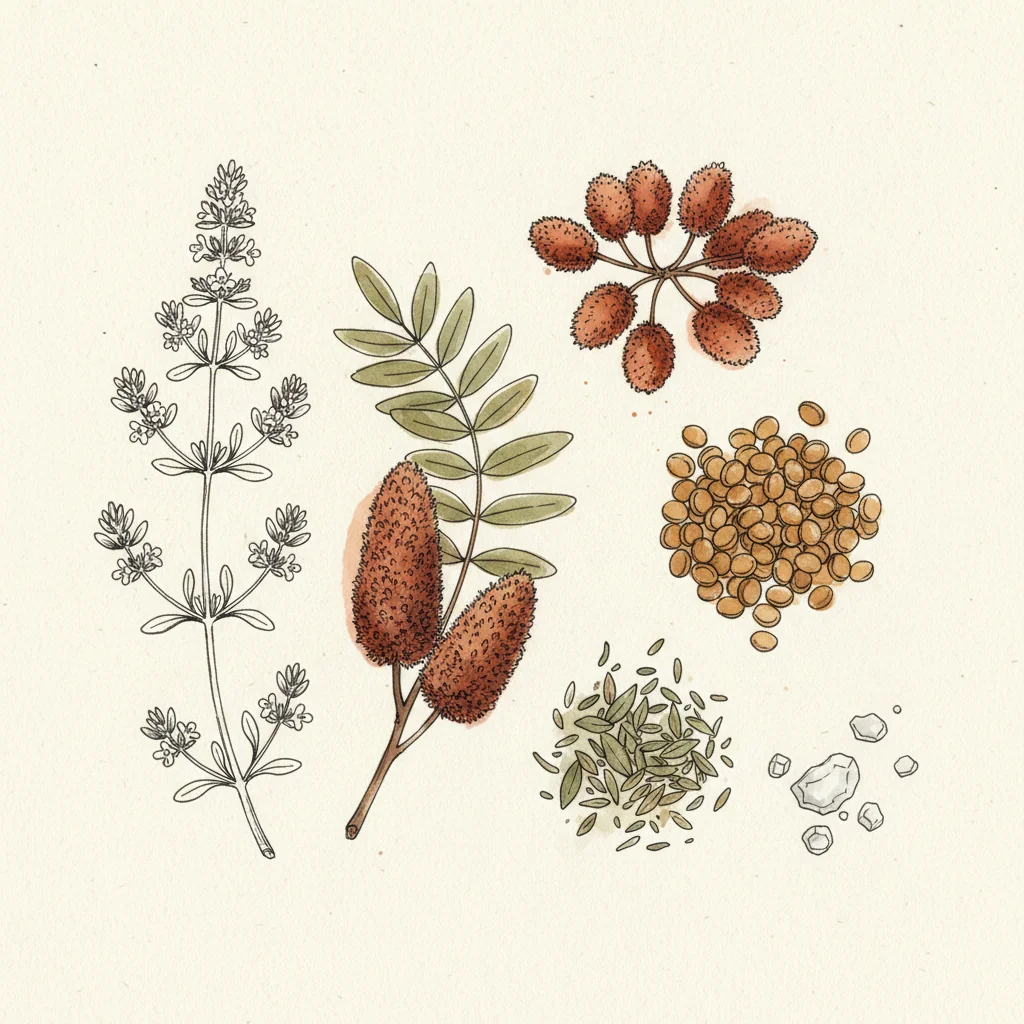
Za'atar
Levant, with distinct house styles in Beirut, Damascus and Nablus, Lebanon / Syria / Palestine
Intensity 4/10
Zaatar gives a herby, tart, sesame-flecked crust instead of dukkah's nutty crunch. Lighter and more lemony, though it lacks the textural rubble that makes a real crust.
-
Spice · Blend
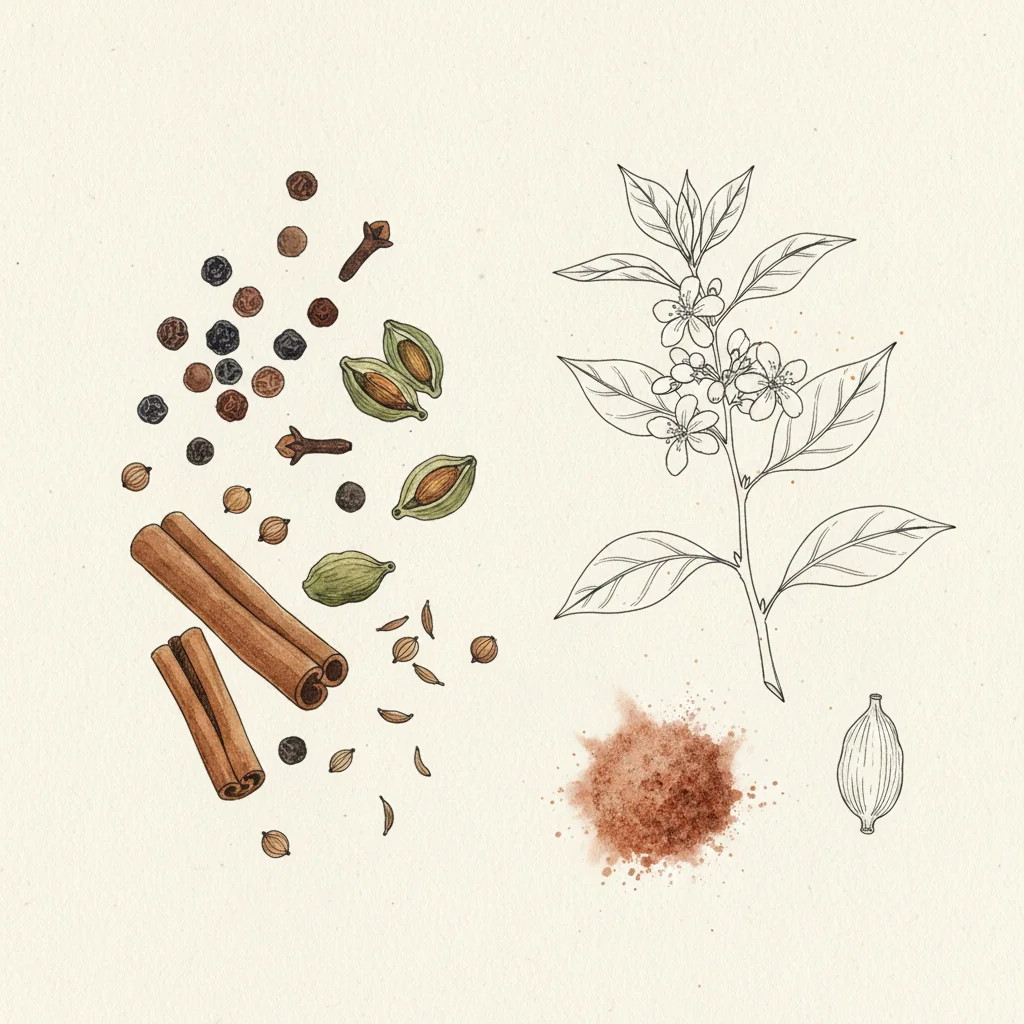
Baharat
Made across the Arab world, with distinct house recipes in Lebanon, Syria, Turkey and the Gulf states, Levant & Gulf
Intensity 6/10
Baharat makes a warm-spiced rub, not a crust: it seasons the flesh rather than coating it. The choice if you want flavor through the fish over crunch on top.
Complementary ingredients
- Cretan Extra Virgin Olive Oil PDO — Brushed onto the fillet so the dukkah sticks and toasts, and drizzled at the table the way Egyptians eat it with bread
Frequently asked questions
- How do I get dukkah to stick to salmon?
- Brush the fillet with oil first, then press the dukkah firmly onto the flesh side. The oil glues the coarse nuts and seeds on so they toast into a crust rather than falling off.
- Can dukkah be cooked, since it's usually a finishing condiment?
- As a salmon crust, yes, briefly. A short roast or sear toasts the nuts and seeds further without burning them. The rule against cooking dukkah is about stirring it into sauces, where the crunch is lost.
- Why dukkah on salmon and not a delicate fish?
- Salmon is rich and robust enough to stand up to dukkah's nutty, savory weight. On a delicate white fish the same crust buries the flesh, which is why dukkah's own profile warns against it.
This pairing was validated according to our methodology. Purchase links are marked sponsored and may earn a commission — details on our Affiliations page.