
Comparison
Za'atar vs Baharat
These do opposite jobs. Za'atar is a finishing blend — wild thyme, sumac and sesame, sprinkled raw on flatbread, labneh and eggs for a lemony, herbal lift. Baharat is a cooking base — warm pepper, allspice, cumin and clove, bloomed in fat or rubbed on meat before it cooks. Reach for za'atar to finish a dish; reach for baharat to build one.
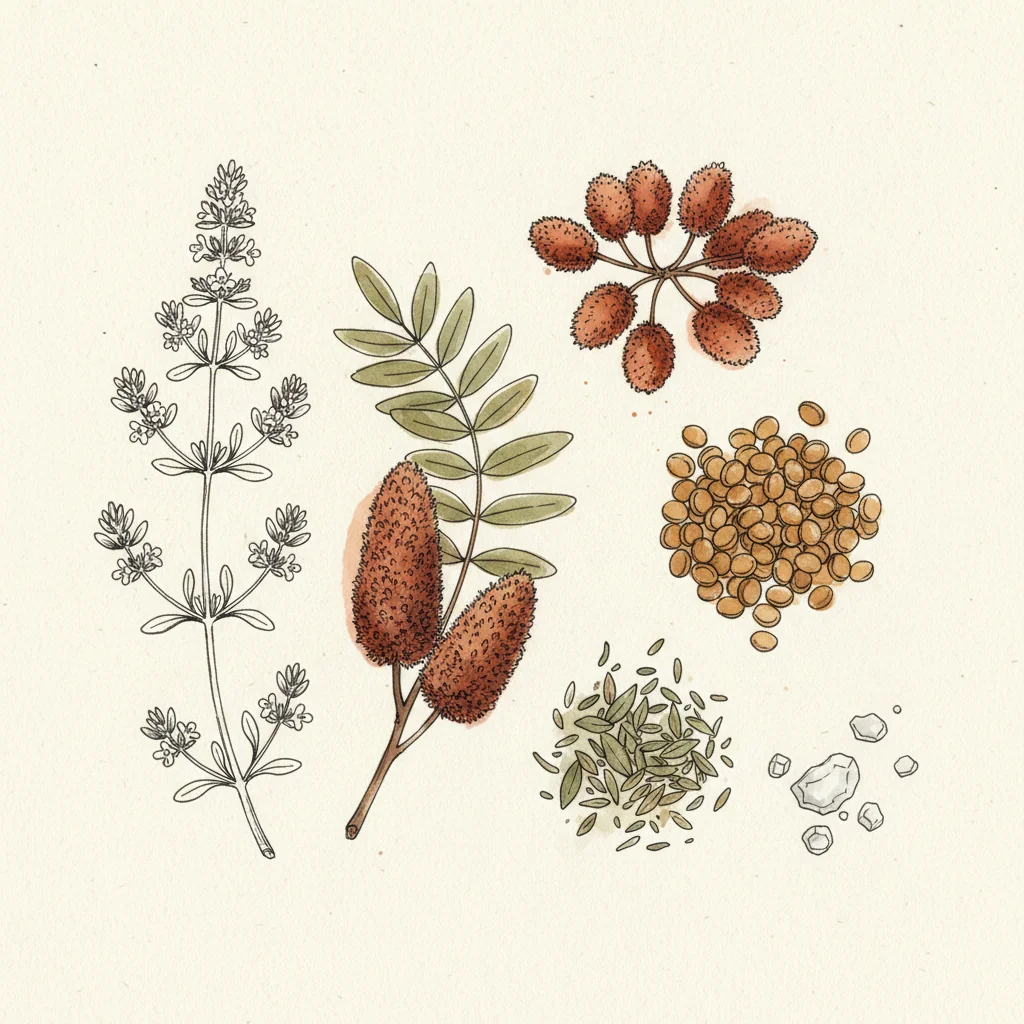
Spice · Blend
Za'atar
Levant, with distinct house styles in Beirut, Damascus and Nablus, Lebanon / Syria / Palestine
fresh wild thyme · tart sumac · toasted sesame
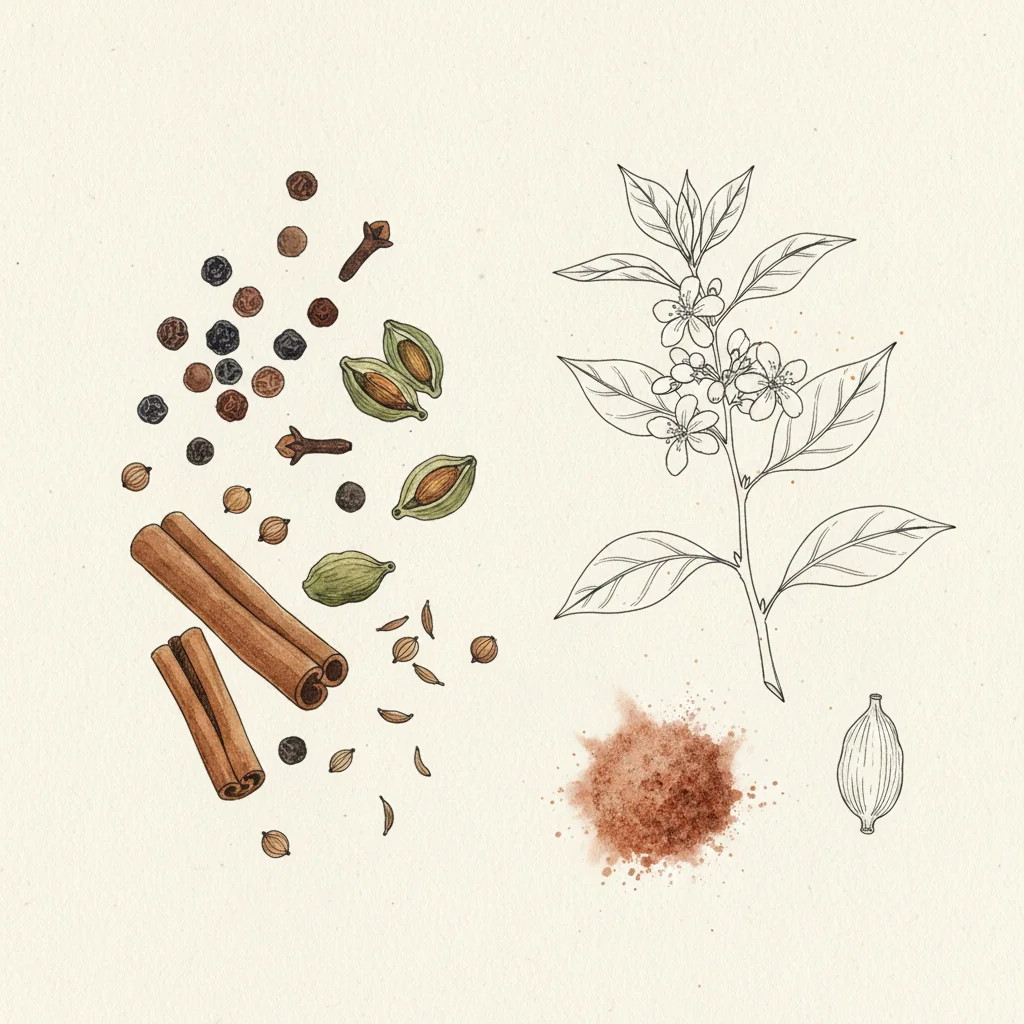
Spice · Blend
Baharat
Made across the Arab world, with distinct house recipes in Lebanon, Syria, Turkey and the Gulf states, Levant & Gulf
warm allspice and clove · black pepper bite · toasted cumin and coriander
Our verdict
At a glance
| Criterion | Za'atar | Baharat |
|---|---|---|
| Levant — Lebanon, Syria, Palestine | Levant and Gulf, with house recipes across the Arab world | |
| Fresh wild thyme, tart sumac, toasted sesame, lemon zest | Warm allspice and clove, black pepper, toasted cumin and coriander | |
| 5/10 — herbal and lightly tart | 6/10 — rounded, warming, peppery up front | |
| Finishing — sprinkled raw at the end | Base — rubbed on meat or bloomed in fat at the start | |
| Man'oushe, labneh, hummus, eggs, tomatoes | Kofta, shawarma rubs, kibbeh, pilaf, roast chicken, stews | |
| ~$9.50 for a 2 oz jar | ~$7 for a 50–75 g jar |
When to choose Za'atar
Za'atar is what you reach for at the end of cooking, not the start. It's a fine dust of wild thyme, tart sumac, toasted sesame and salt — the daily blend of the Levant, breakfast on a grilled man'oushe and the dust over labneh, hummus, fried eggs and sliced tomatoes. Its whole register is herbal and lemony, lightly tart, with the nutty grip of sesame, and that delicacy is exactly why it finishes rather than cooks. Scatter it raw over the plated dish, or loosen it with olive oil into a paste to brush on before a short bake — a generous tablespoon per flatbread, stirred into oil first so it clings. Don't roast it long: past about 25 minutes the thyme scorches and goes bitter. The catch is the thyme itself — cheap blends swap real Origanum syriacum for ordinary thyme and the flavor falls flat, so buy from a serious house. At about $9.50 a jar, it's the bright, tart top-note baharat's warm-spice base can't provide.
When to choose Baharat
Baharat is a cooking base, the warm blend that does in the Arab world what garam masala does in India — the all-purpose backbone of savory dishes. There's no fixed recipe, but the core runs black pepper, allspice, cumin, coriander, cassia, clove, cardamom and paprika, rounded and warming with a peppery front and a sweet baking-spice tail. You build with it: rub it onto lamb and beef kofta, shawarma and kebab, work it into kibbeh, season rice and freekeh pilaf, roast chicken and turkey, deepen lentil soup. The rule is to bloom it in fat at the start or rub it on the meat before cooking — never dust it raw over a finished plate, where it tastes dusty. About a tablespoon per pound of ground meat for kofta, or a teaspoon for a pot of soup serving four. Gulf versions lean on dried lime and a darker clove; Turkish ones push mint and chili — so buy from a serious house, not a supermarket sachet. At about $7 a jar, it's the deep, warming foundation za'atar was never meant to be.
Where to buy?
Za'atar
Links checked on
| Merchant | Price | Action |
|---|---|---|
| Burlap & Barrel | — | Burlap & Barrel |
| Amazon US | — | Amazon US |
| Sous Chef UK | — | Sous Chef UK |
Prices may vary depending on current promotions on the merchant site.
Baharat
Links checked on
| Merchant | Price | Action |
|---|---|---|
| The Spice Way (Amazon US) | — | The Spice Way (Amazon US) |
| Burlap & Barrel | — | Burlap & Barrel |
| Steenbergs UK | — | Steenbergs UK |
Prices may vary depending on current promotions on the merchant site.
Frequently asked questions
- Can za'atar and baharat be swapped?
- No, not really. Za'atar is a raw finishing dust and baharat is a cooking base — they enter the dish at opposite moments and pull in different flavor directions. Sprinkle baharat raw and it tastes dusty; cook za'atar long and the thyme scorches. Use each for its job.
- Which is hotter or stronger?
- Baharat reads stronger and warmer, around 6 out of 10, with a peppery front and clove-and-pepper depth. Za'atar sits at about 5, herbal and tart rather than warming. Neither is a chili blend, so 'hot' isn't really the axis — it's bright-tart versus warm-savory.
- Do I cook with both the same way?
- No. Bloom baharat in fat or rub it on meat before cooking so its volatile oils release. Za'atar goes on at the end, raw, or mixed with oil for a quick brush before a short bake. Treating za'atar like a cooking spice scorches the thyme.
- Can I use them together?
- Yes, on the same plate but at different stages — season and roast a chicken with baharat, then scatter za'atar over the carved meat or the flatbread alongside. One builds the warm savory base, the other adds a bright, tart finish. They complement rather than clash.
The best pairings
With Za'atar
With Baharat
Comparison prepared according to our methodology. Sponsored purchase links — see our affiliations.