
Dish × condiment pairing
Best za'atar to finish labneh?
Season : all-year · Occasion : all year
A green, thyme-forward Levantine za'atar — real Origanum syriacum, not a sumac-heavy cut. Spread the strained yogurt in a shallow bowl, pool good olive oil on top, then dust the za'atar over the oil so it clings. This is the everyday Levantine starter, eaten raw and cold; the herbal-tart lift cuts labneh's tangy richness. Scoop with warm pita.
In detail
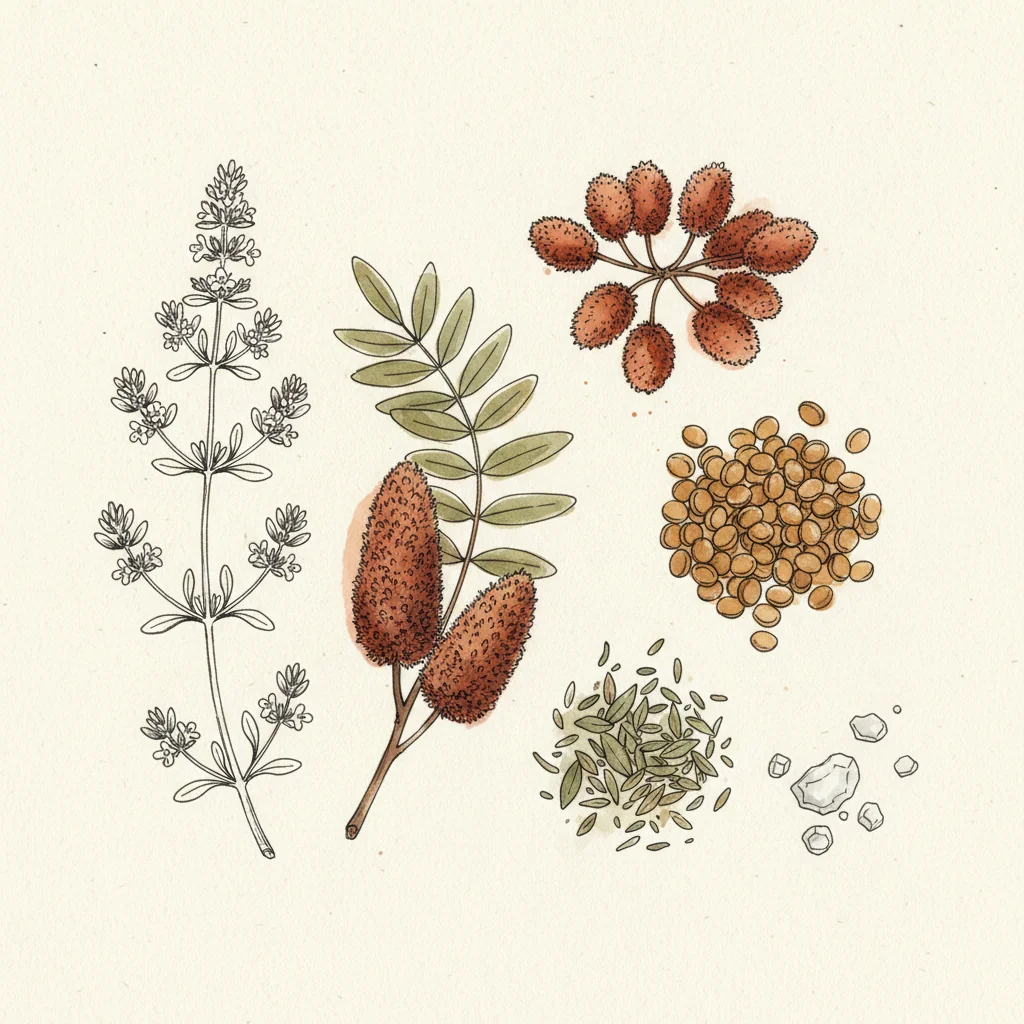
The best za'atar to finish labneh is a green, thyme-forward Levantine blend — built on real wild thyme, Origanum syriacum, not the sumac-heavy supermarket cut. Labneh, strained yogurt with a slick of olive oil and a cloud of za'atar, is the everyday Levantine starter, eaten raw and cold, so there's no heat to worry about — just balance. The blend's herbal thyme and tart sumac cut labneh's thick, tangy richness, and the toasted sesame adds grip against the smooth cheese. The plating order matters: spread the labneh in a shallow bowl, pool good olive oil over the surface first, then dust the za'atar over the oil so it sticks rather than sliding off the bare yogurt. Scoop it up with warm pita. Because nothing is cooked, freshness is everything — a faded za'atar has no lift to give. Look to a named Levantine house like Mymouné or Terroirs du Lebanon, or Burlap & Barrel's Nablus blend, about $9 to $10 a jar.
Our recommendation
Spice · Blend
Za'atar
Levant, with distinct house styles in Beirut, Damascus and Nablus, Lebanon / Syria / Palestine
fresh wild thyme · tart sumac · toasted sesame
Labneh with oil and za'atar is the everyday Levantine starter, eaten cold and raw — so balance, not heat, is the whole game. The blend's herbal thyme and tart sumac cut labneh's thick, tangy richness, and toasted sesame grips the smooth cheese. Pool the olive oil first, then dust za'atar over the oil so it clings. Use a fresh, green, thyme-forward blend; a faded one has no lift. A good jar runs about $9 to $10.
Intensity 5/10
Where to buy it
Links checked on
| Merchant | Price | Action |
|---|---|---|
| Burlap & Barrel | — | Burlap & Barrel |
| Amazon US | — | Amazon US |
| Sous Chef UK | — | Sous Chef UK |
Prices may vary depending on current promotions on the merchant site.
Affiliate links — La Pincée may earn a commission on some sales, at no extra cost to you. Read more.
The catch
Don't dust za'atar straight onto bare labneh. Dry blend on smooth yogurt just slides off the spoon as you scoop, and you eat plain labneh with a clump of herbs at the bottom. Pool the olive oil over the surface first — the oil is the glue that holds the za'atar where you put it. Skip the oil and you've separated the dish into yogurt and a sad pile of dust on the side.
Chef's note
Make a well, flood it with oil, then ring it with za'atar. Spread the labneh and drag the back of a spoon in a spiral to make shallow channels, pool extra-virgin olive oil into them, and scatter the za'atar over the oiled grooves so it catches and stays. Use more oil than feels right — labneh is rich and the oil carries the herb. Serve with warm pita, and finish with a few whole thyme leaves if you have them.
Tasting note
fresh wild thyme · tart sumac · toasted sesame · grassy olive oil · about $9 to $10 for a 2oz jar, and a spoonful finishes a whole bowl. Worth it for a green, fresh blend. A tired, sumac-heavy jar has nothing to give cold labneh — buy fresh and small.
These three sections appear on every one of our pairing pages — our methodology.
Alternatives to explore
-
Spice · Blend
Egyptian Dukkah
Cairo and the Nile Delta, where it is a street-food and home-pantry staple eaten with bread and oil, Egypt
Intensity 5/10
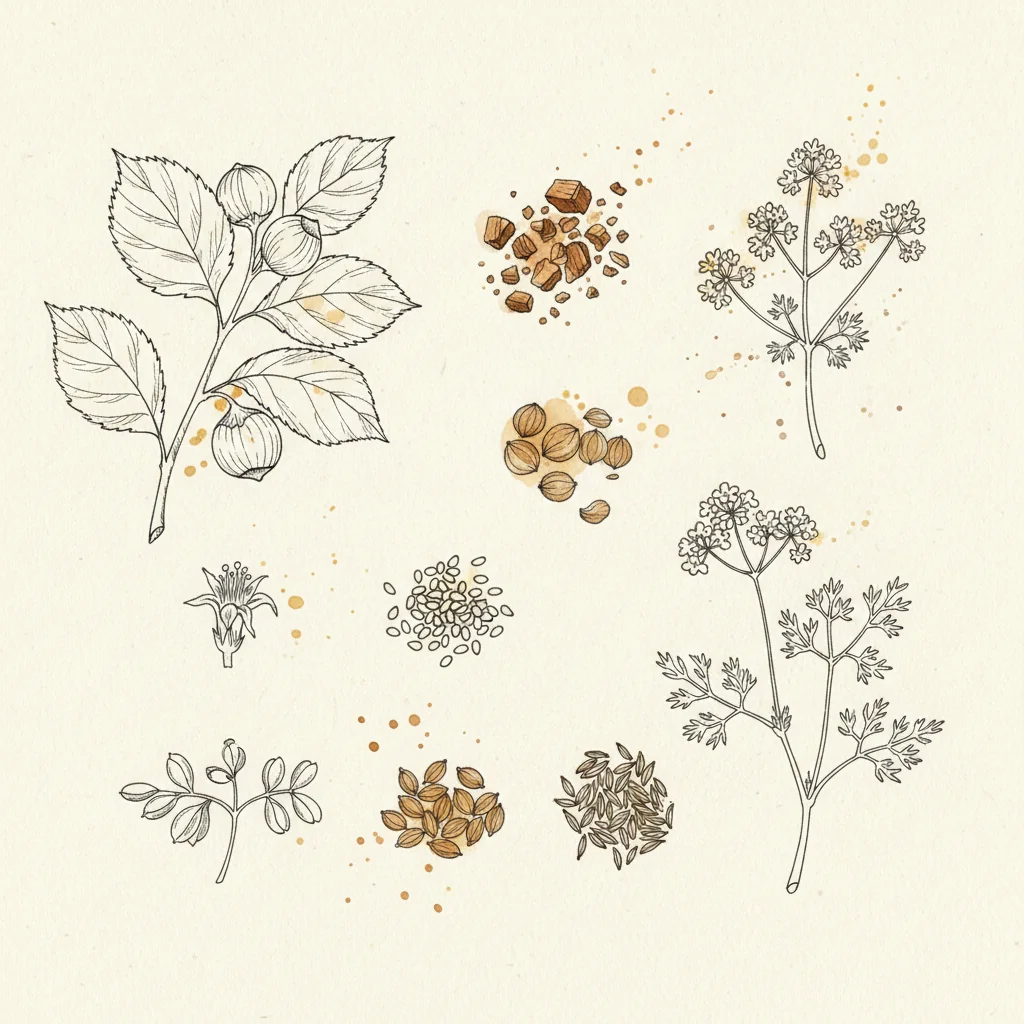
Dukkah swaps za'atar's herbal tartness for nutty hazelnut-and-sesame crunch over the labneh — richer and crunchier, the move when you want toasted nut instead of green thyme.
Complementary ingredients
- Egyptian Dukkah — An alternate finish — scatter over the labneh for nutty crunch instead of za'atar's herbal-tart lift
Frequently asked questions
- How do you put za'atar on labneh?
- Spread the labneh in a shallow bowl, pool good olive oil over the surface first, then dust the za'atar over the oil. The oil is what makes the blend cling — dusted on bare yogurt, the za'atar slides off as you scoop.
- What kind of za'atar is best for labneh?
- A fresh, green, thyme-forward Levantine blend built on real Origanum syriacum. Since nothing is cooked, freshness is everything — a faded or sumac-heavy blend has no herbal lift to cut labneh's tangy richness.
- Why does za'atar work with labneh?
- It balances the dish. Labneh is thick, tangy and rich; za'atar's herbal thyme and tart sumac cut through it, and the toasted sesame adds grip and crackle against the smooth strained yogurt.
This pairing was validated according to our methodology. Purchase links are marked sponsored and may earn a commission — details on our Affiliations page.