
Dish × condiment pairing
Which za'atar for flatbread?
Season : all-year · Occasion : all year
A real Levantine za'atar built on wild thyme (Origanum syriacum), not ordinary thyme. Loosen it with olive oil into a loose paste, brush it over the dough, then bake — this is man'oushe, the one dish where za'atar does go over heat. Skip blends that are mostly sumac; you want the green herbal lift the wild thyme gives.
In detail
For za'atar flatbread, the blend must be built on real wild thyme — Origanum syriacum, closer to oregano than to garden thyme — not the ordinary Thymus vulgaris that cheap blends cut it with. This is man'oushe, the Levantine breakfast flatbread, and the one classic dish where za'atar genuinely goes over heat: loosen the blend with good olive oil into a loose paste, spread it over the raw dough, and bake until the edges crisp. The oil shields the thyme from scorching, which is why the paste matters — dry za'atar on bare dough would burn. Watch the time: past about 25 minutes of high heat even an oiled paste turns the thyme bitter, so bake hot and fast. The supermarket fault to dodge is too much sumac, not enough thyme. Look to a named Levantine house — Mymouné or Terroirs du Lebanon — or Burlap & Barrel's Nablus za'atar from Palestinian farmers, about $9 to $10 a jar.
Our recommendation
Spice · Blend
Za'atar
Levant, with distinct house styles in Beirut, Damascus and Nablus, Lebanon / Syria / Palestine
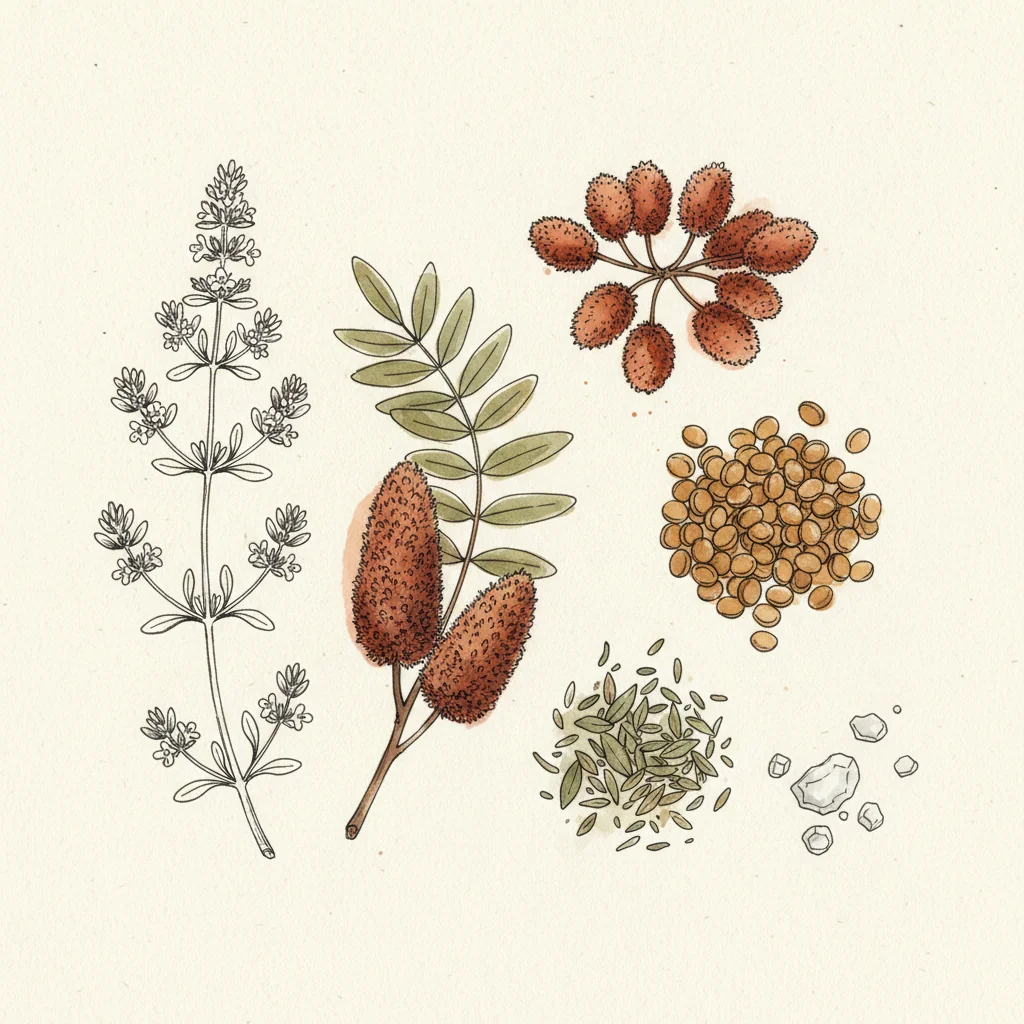
fresh wild thyme · tart sumac · toasted sesame
Za'atar flatbread is man'oushe — the one classic where za'atar goes over heat, loosened with olive oil into a paste and baked onto the dough. The oil shields the wild thyme from scorching, which is exactly why the paste, not a dry dusting, is the move. Bake hot and fast, under 25 minutes, or even oiled thyme turns bitter. Use a real Origanum syriacum blend, not one cut with ordinary thyme. A good jar runs about $9 to $10.
Intensity 5/10
Where to buy it
Links checked on
| Merchant | Price | Action |
|---|---|---|
| Burlap & Barrel | — | Burlap & Barrel |
| Amazon US | — | Amazon US |
| Sous Chef UK | — | Sous Chef UK |
Prices may vary depending on current promotions on the merchant site.
Affiliate links — La Pincée may earn a commission on some sales, at no extra cost to you. Read more.
The catch
Flatbread is the one time za'atar goes over heat — but only as an oiled paste, and only fast. Dust dry za'atar on bare dough and the wild thyme scorches bitter before the bread cooks through. Loosen it with olive oil first: the oil shields the herb. And keep the bake under 25 minutes — past that, even an oiled paste turns the thyme acrid, and you've baked away the green lift you paid for.
Chef's note
Spread the paste, then leave a bare rim. Stir za'atar into olive oil until it's a loose, spoonable paste — roughly equal parts by eye — and spread it over the dough, but stop a thumb's width from the edge so the rim puffs and crisps clean. Bake hot, around 230°C, for eight to ten minutes until the edges color. Brush a little extra raw oil over the za'atar the second it comes out, off the heat, for a fresh herbal hit on top of the baked one.
Tasting note
fresh wild thyme · tart sumac · toasted sesame · warm baked oil · about $9 to $10 for a 2oz jar of a real Levantine blend, and one jar makes a stack of man'oushe. Worth it — but skip any jar that's mostly red sumac dust with little green thyme. That's the cut, cheaper version.
These three sections appear on every one of our pairing pages — our methodology.
Alternatives to explore
-
Spice · Blend
Egyptian Dukkah
Cairo and the Nile Delta, where it is a street-food and home-pantry staple eaten with bread and oil, Egypt
Intensity 5/10
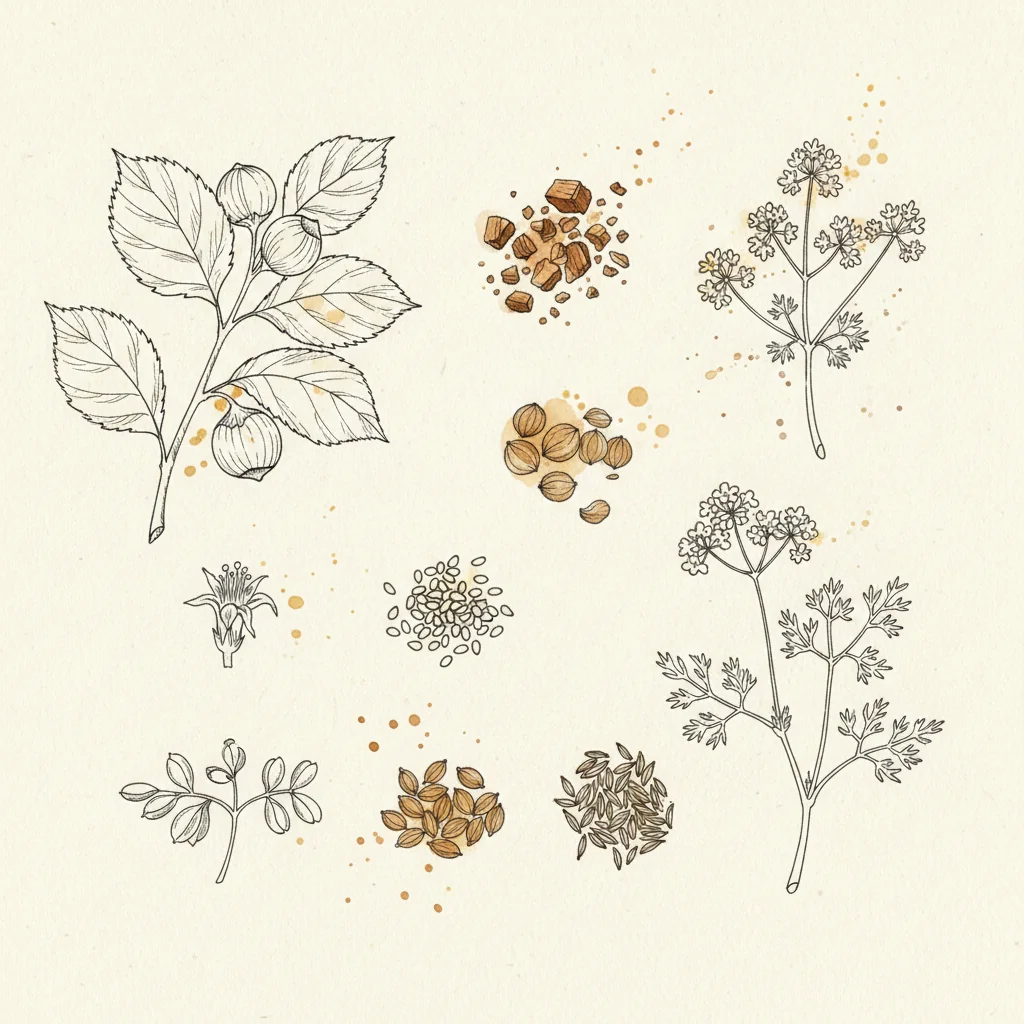
Dukkah is the dip-it-dry alternative — nutty hazelnut-and-sesame crunch eaten with oiled bread rather than baked into a paste. Crunch and toasted nut where za'atar gives herbal lift.
Complementary ingredients
- Egyptian Dukkah — Set out alongside for guests who want a dry, nutty dip instead of the baked herbal za'atar topping
Frequently asked questions
- How do you put za'atar on flatbread?
- Loosen it with olive oil into a loose paste, then spread it over the raw dough before baking — this is man'oushe. The oil protects the wild thyme from scorching, which is why a paste works where dry za'atar dusted on bare dough would burn.
- Is flatbread the exception to za'atar's no-heat rule?
- Yes. Za'atar is usually a raw finishing blend, but man'oushe is the one classic where it bakes onto dough. The trick is the olive-oil paste shielding the thyme, and keeping the bake hot and fast — under about 25 minutes, or even oiled thyme turns bitter.
- Which za'atar makes the best flatbread?
- One built on real wild thyme, Origanum syriacum, not ordinary thyme. Cheap blends cut it and read flat and woody. A named Levantine house like Mymouné, or Burlap & Barrel's Nablus za'atar at about $9 to $10, is the safe pick.
This pairing was validated according to our methodology. Purchase links are marked sponsored and may earn a commission — details on our Affiliations page.